


We analyze real customer reviews to surface what matters: key strengths, ideal use cases, and honest considerations — so you can make an informed choice.
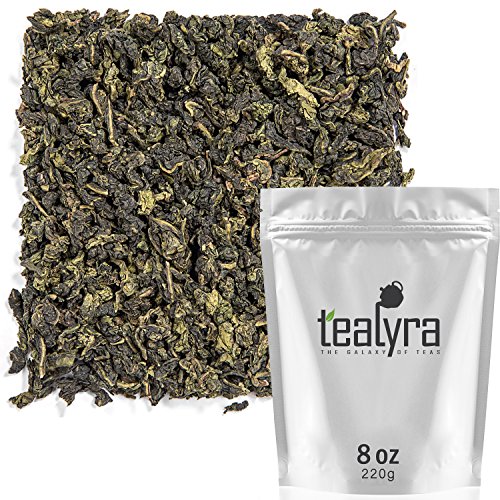
Tealyra Tie Guan Yin Iron Goddess Oolong Loose Leaf Tea
A Tie Guan Yin that splits its drinkers — some call it the closest to authentic Anxi style they've found, others say it's greener and rougher than the floral oolong they expected.
🎯 Best for: Multi-infusion gongfu-style brewing, Daily oolong drinkers comfortable with batch variability
🍃 Strength: Medium

What Stands Out
🍃 Flavor Profile
Strength: Medium
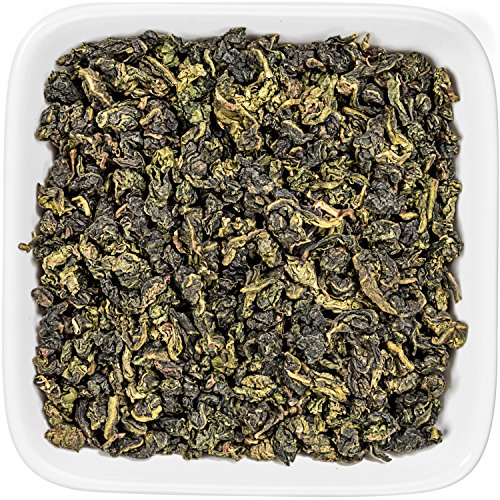
Reviewers split sharply on the profile: some describe fresh, fragrant leaves with a crisp, classic Tie Guan Yin character, while others find it smoky, grassy, and closer to a lightly oxidized green than the floral oolong they came for. A few flag what one called a 'fungal funk' — likely a storage or batch artifact rather than a deliberate signature.
✅ What Customers Love
- Holds up to multiple gongfu-style steeps
- Generates repeat purchases
- Fresh, fragrant leaf when on-spec
🎯 Best For
Multi-infusion gongfu-style brewing • Daily oolong drinkers comfortable with batch variability
Brand: Tealyra
Category: Oolong Tea
As an Amazon Associate we earn from qualifying purchases.
About This Oolong Tea
This Tealyra Tie Guan Yin is a loose-leaf oolong that splits its drinkers. Some call it the closest to authentic Anxi style they've found, with fresh, fragrant leaves and a crisp, classic Tie Guan Yin character. Others find it smoky, grassy, and closer to a lightly oxidized green than the floral oolong they came for. One reviewer flagged what they called a 'fungal funk' — most likely a storage or batch artifact rather than a deliberate signature.
For the drinkers it works for, this becomes a daily pour. Four reviewers mention reordering or having a fresh bag on the way, which puts it in steady rotation for people comfortable with a less traditional take on Tie Guan Yin and willing to live with some batch variability.
For brewing, the best results come at 190°F with one full teaspoon per cup. The leaves stand up to multiple short gongfu-style infusions, which is the format this tea seems built for — quick steeps, several rounds, rather than a single long pour.
There are caveats worth flagging up front. Several reviewers report the leaves read greener than a traditional Anxi Tie Guan Yin, raising questions about oxidation level. Freshness has come up more than once, with one report of blighted leaves. The listing and packaging have also shifted between batches, so what arrived for an earlier buyer may not match what arrives now. If you need consistent batch-to-batch quality or are expecting a darker, more floral profile, this isn't the safest pick.
For oolong drinkers who like to experiment with gongfu-style brewing and don't mind a tea that may land closer to a green than a classic Anxi, the on-spec batches have earned repeat orders.
Is Tealyra Tie Guan Yin Iron Goddess Oolong Loose Leaf Tea Right for You?
Does this taste like a traditional Tie Guan Yin?
Reviewers split on this — 5 of 12 drinkers say the profile reads greener and less oxidized than the classic Anxi Tie Guan Yin they expected, with some describing smoky or grassy notes rather than the floral, malty character of a fermented oolong. If you're calibrated to traditional darker TGY, this one likely won't match.
How should I brew this tea?
One reviewer reports brewing at 190°F with a full teaspoon per cup and getting multiple short gongfu-style infusions out of the leaves. That's a single data point, but it lines up with how loose-leaf oolong is conventionally prepared.
Is this a good oolong for someone new to loose-leaf tea?
Probably not the best starting point — the synthesis flags it as leaning toward experienced drinkers because the profile diverges from what newcomers would recognize as oolong, and the loose-leaf format requires brewing technique the listing doesn't walk you through.
What does this tea actually taste like?
Reviewer impressions diverge — some call out a crisp, fresh, fragrant leaf with classic Tie Guan Yin character, while others describe it as smoky, grassy, or closer to a lightly oxidized green tea than a floral oolong. Individual taste-word mentions across the 13 reviewers include crisp, bold, mild, grassy, earthy, and floral, with one reviewer flagging a 'fungal funk' that reads as a batch or storage artifact.
Are there quality concerns I should know about before buying?
Yes — across 12 reviewers, 3 raise freshness or quality concerns, including one report of blighted or diseased leaves and questions about storage condition. The listing has also been changed at some point per a Phase 2 product-change flag, so recent batches may not match what earlier reviewers received.
Does this hold up to gongfu-style multi-steep brewing?
One reviewer specifically notes the leaves stand up to multiple short infusions, and the synthesis lists multi-infusion gongfu-style brewing as a primary use case for the drinkers it works for. With sparse review coverage on brewing specifics, take that as a directional rather than universal signal.
As an Amazon Associate we earn from qualifying purchases.
Do reviewers come back for more of this tea?
Four of the 12 eligible reviewers signal repurchase intent — mentioning reordering or having a fresh bag on the way — which is a meaningful proportion for a sparse review set even though absolute numbers stay small.
Is the bag packaging itself reliable?
One reviewer out of 12 flags flimsy packaging and a packaging-mismatch concern, and the synthesis notes packaging has shifted across batches. With only a single direct mention it's a soft signal rather than a consistent complaint, but worth knowing if airtight storage matters to you.
How does this compare to other Tie Guan Yin teas reviewers have tried?
Reviewers comparing this to other Tie Guan Yins they've had — including ones sourced directly from China and 'fuller-flavored' versions — say this one reads greener and lighter, missing the malty fermented-oolong character they expected. Drinkers with TGY experience are the most likely to find the profile off-spec.
How much tea do I get in the 220g bag?
The listing is a 220g (8-ounce) bag of loose-leaf tea. With one reviewer's brewing reference of roughly a teaspoon per cup, that's a substantial supply for daily drinkers, though leaf density varies and your mileage will depend on how strong you brew.
Category: How much caffeine does oolong tea have?
Caffeine in brewed oolong typically falls between green and black tea, but the range overlaps heavily with both — there is no fixed 'oolong number.' Importantly, the leaf itself contains the same caffeine regardless of oxidation; color does not predict caffeine. Cultivar (the lower-caffeine Camellia sinensis var. sinensis versus the higher-caffeine var. assamica), leaf maturity, water temperature, and steep time matter far more than the 'oolong' label itself.
Category: Can oolong tea be re-steeped?
Yes — oolong is the category most rewarding to re-infuse. Ball-rolled oolongs like Tieguanyin or Alishan slowly unfurl across infusions and commonly yield 5-8 cups, each revealing a slightly different facet of the leaf. Wuyi rock teas and Dan Congs also re-steep multiple times. This is the principle behind gongfu brewing: a small vessel, a high leaf-to-water ratio, and short repeated steeps.
As an Amazon Associate we earn from qualifying purchases.
Category: Does a quick 30-second 'rinse' decaffeinate oolong tea?
No — this is one of the most persistent myths in tea. Caffeine is locked inside the leaf's cells and has to diffuse out, which takes time. Controlled studies have shown that a 30-second steep removes only about 9% of total caffeine, one minute removes around 18%, and even three minutes only removes about 48%. The 'rinse' commonly used for tightly rolled oolongs is for awakening the leaf, not for caffeine reduction.
What Customers Love
⚠️ Limited sample based on limited customer feedback (11 reviews) • Our methodology
- Holds up to multiple gongfu-style steeps
- Generates repeat purchases
- Fresh, fragrant leaf when on-spec
Taste Profile
Reviewers split sharply on the profile: some describe fresh, fragrant leaves with a crisp, classic Tie Guan Yin character, while others find it smoky, grassy, and closer to a lightly oxidized green than the floral oolong they came for. A few flag what one called a 'fungal funk' — likely a storage or batch artifact rather than a deliberate signature.
Brewing: At 190°F with one full teaspoon per cup, the leaves stand up to multiple short gongfu-style infusions.
Best Use Cases
🎯 Best For
- Multi-infusion gongfu-style brewing
- Daily oolong drinkers comfortable with batch variability
⚠️ Not Ideal For
- Drinkers expecting a traditional darker, floral Tie Guan Yin profile
- Buyers who need consistent batch-to-batch quality
How People Use It
For the drinkers it works for, this becomes a daily pour — four reviewers mention reordering or having a fresh bag on the way.
Good for Beginners
⚠️ Considerations
- Polarizing flavor profile that diverges from category expectations is hard for newcomers to calibrate
- Loose-leaf format requires technique that isn't covered in product instructions
For Experienced Users
Has Some Depth
- Quality and authenticity are contested across reviewers — experienced Tie Guan Yin drinkers describe leaves as greener and lacking the malty character of fermented oolong
What to Consider
Several reviewers raise concerns we wouldn't bury — leaves greener than traditional Anxi Tie Guan Yin, questionable freshness, one report of blighted leaves, and packaging that has shifted between batches.
- Profile reads greener / less oolong-like than expected
- Quality / freshness concerns including blighted leaves
- Listing has been changed; recent batches may differ
- Packaging integrity
⚠️ Important: This analysis is based on limited customer feedback (11 reviews). We've shared what we found, but there may be additional considerations we haven't captured.
About This Analysis
This analysis is based on 11 customer reviews. We're showing you everything we found, but with a small sample, there's a lot we likely haven't captured yet.
✅ What we're confident about: What customers love and best use cases
⚠️ What may be incomplete: Potential issues and considerations
For more perspectives, check customer reviews on Amazon.
Product Selection
In short: We only feature high-rated products.
Products on TeaDelight.net are selected based on strong Amazon customer ratings, sufficient review volume, and market presence. We focus on well-regarded products that tea enthusiasts are actively considering and purchasing.
As an Amazon Associate we earn from qualifying purchases.
You Might Also Like
✅ Balanced fruit-and-tea profile with a sweet finish
NESTLADY Peach Oolong Tea
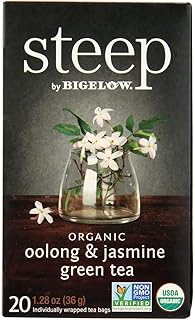
✅ Clean oolong + jasmine combination when it lands
Bigelow Organic Oolong with Jasmine Green Tea

✅ Distinct osmanthus character
Tealyra Osmanthus Gui Hua Oolong Tea

✅ Roasted, woody character without overbearing char