



We analyze real customer reviews to surface what matters: key strengths, ideal use cases, and honest considerations — so you can make an informed choice.
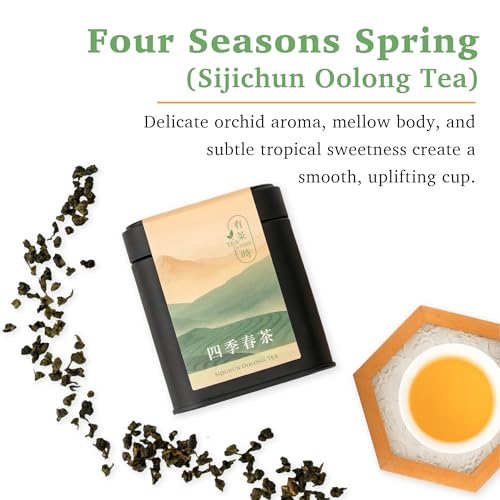
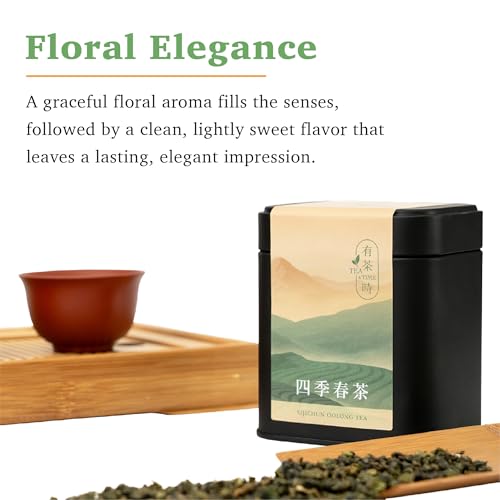
TEA & TIME Four Seasons Spring Oolong Tea
A delicate Taiwanese oolong with honeysuckle and gardenia florals, a silky body, and a clean honey-sweet finish — smooth with no bitterness even when oversteeped.
🎯 Best for: After meals for digestion and palate cleansing, Daily ritual or mindfulness practice
🍃 Tastes like: honeysuckle, gardenia, orchid

What Stands Out
🍃 Flavor Profile
Strength: Delicate
Notes: honeysuckle, gardenia, orchid
✅ What Customers Love
- Fresh, fragrant floral aroma (18 mentions)
- High quality whole leaves that unfurl beautifully (15 mentions)
- Smooth, no bitterness even when oversteeped (12 mentions)
🎯 Best For
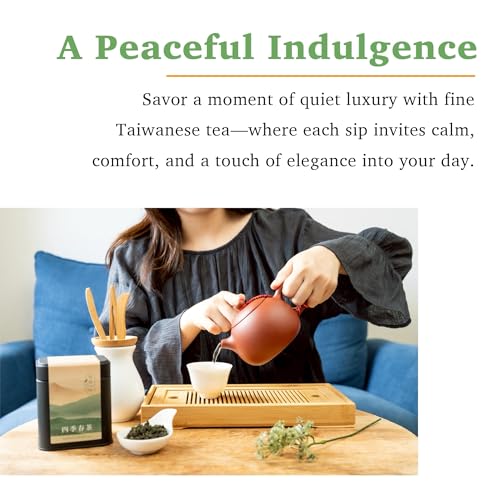
After meals for digestion and palate cleansing • Daily ritual or mindfulness practice • Multiple steeping sessions • Gongfu tea ceremony
Brand: TEA & TIME
Category: Oolong Tea
As an Amazon Associate we earn from qualifying purchases.
About This Oolong Tea
This Four Seasons Spring varietal unfolds honeysuckle and orchid aromatics from high-grade whole leaves that visibly open in the water. The body is silky and clean, with soft melon and buttery notes developing further across multiple steeps. Reviewers note it stays smooth without strict temperature control, making it forgiving for newcomers while still rewarding gongfu technique. Those seeking bold, roasted oolong character will find the flavor too restrained. Best for daily ritual drinkers, after-meal palate cleansing, and anyone transitioning from green tea into oolong.
Is TEA & TIME Four Seasons Spring Oolong Tea Right for You?
What does Four Seasons Spring oolong tea taste like?
TEA & TIME's Sijichun has a delicate, naturally sweet flavor with floral notes of honeysuckle, gardenia, and orchid. Reviewers also pick up hints of honey, toasted grass, melon, and a creamy, buttery quality. It's smooth and silky with a clean, lingering finish — not bold or roasty like some oolongs. Think of it as a gentler, more fragrant style that sits somewhere between a green tea and a traditional oolong.
What's so special about oolong tea?
Oolong sits between green and black tea in terms of oxidation, which gives it a unique complexity. What makes TEA & TIME's Four Seasons Spring special specifically is its fresh, fragrant floral aroma — honeysuckle, gardenia, and orchid notes that 18 reviewers highlight as a standout quality. The whole leaves are hand-rolled and unfurl beautifully in the cup, and you can steep the same leaves multiple times with the flavor evolving each round. It's the kind of tea that rewards attention.
Is TEA & TIME's Four Seasons Spring good for beginners?
This is one of the best oolongs for beginners, period. Reviewers highlight that it's incredibly forgiving — you won't get bitterness even if you oversteep it, which takes the anxiety out of brewing. The flavor is naturally sweet and approachable, so you don't need to add anything. And if you're coming from green tea, it's a seamless transition with more complexity and fragrance. Several reviewers specifically say it converted them from casual tea drinkers to oolong enthusiasts.
Is this oolong tea too light or weak in flavor?
That depends on your preference. If you normally drink bold black tea or dark roasted oolongs, yes — some reviewers find it on the mild side. About 5 reviewers specifically note the lighter flavor. But 'light' doesn't mean 'weak' here. The flavor is delicate and layered — honeysuckle, orchid, honey, melon — it's just expressed softly rather than loudly. If you want to intensify it, use more leaves or try gongfu brewing. If you're after bold and roasty, this isn't your tea.
What is the best way to prepare oolong tea?
For TEA & TIME's Four Seasons Spring, you have two great options. Western style: use about 2–3 grams of leaves per cup, water around 185–195°F (85–90°C), and steep for 2–3 minutes. Gongfu style: use more leaves in a small vessel, shorter steeps of 30–60 seconds, and enjoy how the flavor evolves across 4–6 infusions. Reviewers note that this tea is very forgiving — even if you oversteep it, it won't turn bitter, which makes it great for beginners. One heads-up: the package itself doesn't include brewing instructions, so save these tips.
Does this tea come with brewing instructions?
No, and that's one of the few complaints reviewers have. The package doesn't include brewing instructions, which can be a pain if you're new to loose leaf oolong. Here's what works well: use water around 185–195°F (85–90°C), about 2–3 grams of leaves per cup, and steep for 2–3 minutes. The silver lining is that this tea is extremely forgiving — even if you get the temperature or time slightly wrong, it won't punish you with bitterness.
As an Amazon Associate we earn from qualifying purchases.
Can you steep TEA & TIME's Sijichun oolong multiple times?
Yes, and you should — this is where the tea really shines. Reviewers report getting 4–6 quality infusions from the same leaves, with the flavor evolving each time. The first steep is bright and floral, middle steeps bring out more of the honey and buttery notes, and later steeps are mellow and sweet. It's what makes loose leaf oolong such great value despite the higher upfront price — you're essentially getting multiple cups from each serving of leaves.
Should you add milk to oolong tea?
For this particular oolong, no — and that's actually a compliment. TEA & TIME's Sijichun has such delicate floral and honeysuckle notes that milk would completely overwhelm them. Think of it like putting ketchup on sushi. This tea is meant to be savored on its own, where you can appreciate the subtle creaminess and buttery quality that's already naturally present. If you want a milk-friendly oolong, look for darker, roasted varieties instead.
How much oolong tea leaves should I use per cup?
For TEA & TIME's 100g bag, about 2–3 grams per cup for Western brewing (roughly a teaspoon of these whole leaves). For gongfu brewing in a small teapot or gaiwan, use 5–7 grams. The good news is that since you can get multiple infusions from the same leaves — reviewers report 4–6 good steeps — a small amount per cup means this 100g bag lasts longer than you'd expect.
Is TEA & TIME Sijichun good for gongfu brewing?
Absolutely — reviewers who practice gongfu specifically praise this tea for it. The whole leaves unfurl beautifully in a gaiwan or small teapot, and the flavor develops real complexity across multiple short steeps. You'll notice the floral notes shift toward honey and buttery richness in later infusions. If you're into gongfu brewing, this is a rewarding tea to work with. And if you've never tried gongfu, this forgiving oolong is a great one to start experimenting with.
What is oolong tea good for?
Specifically for TEA & TIME's Four Seasons Spring, reviewers highlight: calming relaxation without drowsiness, digestive support after meals, clean focus and alertness, and as a palate cleanser. Some use it as a mindfulness practice — the multi-steep gongfu brewing especially. Others report it reduces dessert cravings. It's also genuinely good for entertaining guests, as the fragrant aroma and beautiful unfurling leaves make an impression.
Is oolong tea good for your stomach?
TEA & TIME's Four Seasons Spring is actually well-suited for digestive comfort. Multiple reviewers specifically mention drinking it after meals for digestion and as a palate cleanser. The smooth, non-bitter character means it's gentle on the stomach — unlike some teas that can cause discomfort on an empty stomach. Oolong is traditionally used in Chinese culture as a digestive aid, and the reviews for this particular tea back that up.
As an Amazon Associate we earn from qualifying purchases.
What foods pair well with this oolong tea?
Because TEA & TIME's Sijichun is delicate, pair it with lighter foods — think fruit, light pastries, mild cheeses, or simple steamed dishes. Reviewers love it as an after-meal palate cleanser, especially after moderately flavored meals. One specific note: avoid pairing with very strong or heavily spiced foods, as the subtle floral character gets overpowered. It's also lovely on its own as a standalone experience between meals.
Is this a good tea for gift giving?
Yes — reviewers specifically call out the gift-worthy presentation. It comes in vacuum-sealed packaging in an attractive tin, and the whole experience of unfurling whole leaves with a floral aroma makes an impression. It's a step above what most people buy for themselves, which is exactly what you want in a gift. The 100g size is also right — not too much for someone trying oolong for the first time, but enough to really get to know the tea.
How does Sijichun compare to other Taiwanese oolongs?
Four Seasons Spring (Sijichun) is lighter and more floral than heavier Taiwanese oolongs like Dong Ding (which is roasted and darker) or Oriental Beauty (which is more honeyed and fruity). It's one of Taiwan's most accessible oolongs — fragrant, smooth, and versatile. TEA & TIME's version leans into that fresh, gardenia-forward character. If you enjoy this and want to explore further, Alishan or Li Shan high-mountain oolongs are the natural next step up in complexity and price.
Can I drink TEA & TIME oolong tea in the evening?
Many reviewers do. While it contains moderate caffeine, the calming and relaxing effect that reviewers describe means it works well as an evening wind-down tea for most people. It's not caffeine-free, so if you're very sensitive, you might want to keep it to afternoon at latest. But compared to coffee or even black tea, the caffeine is lower and the L-theanine promotes relaxation — reviewers describe it as 'calming' rather than stimulating.
Does Four Seasons Spring oolong tea have caffeine?
Yes, like all true teas, this oolong contains caffeine — typically around 30–50 mg per cup, which is less than coffee but more than most herbal teas. Reviewers specifically mention getting focus and alertness without the jitters that coffee can cause, which makes it a popular swap for people cutting back on coffee.
What is considered the best oolong tea?
It depends on what style you're after. For light, floral oolongs, Taiwanese varieties like this Four Seasons Spring (Sijichun) are highly regarded. TEA & TIME sources authentic Taiwanese leaves, and reviewers consistently praise the quality — high-grade whole leaves that unfurl beautifully and deliver complex flavor across multiple steeps. If you prefer darker, roasted oolongs, you'd look at Da Hong Pao or Dong Ding instead. This one excels in the fragrant, floral category.
As an Amazon Associate we earn from qualifying purchases.
What is the queen of oolong tea?
Oriental Beauty (Dong Fang Mei Ren) is traditionally called the 'queen of oolong' — it's a heavily oxidized Taiwanese oolong with a honey-like sweetness. TEA & TIME's Four Seasons Spring is a different style entirely: lighter, more floral, and less oxidized. If Oriental Beauty is the queen, Sijichun is more like the elegant, approachable princess — it's one of Taiwan's most popular everyday oolongs because of its fresh fragrance and forgiving nature.
Which is better, green tea or oolong tea?
They're different experiences. Green tea is typically grassy and vegetal, while TEA & TIME's Sijichun oolong is floral, honeyed, and more complex. For health benefits, they're comparable — both are rich in antioxidants. Where this oolong wins is versatility: the same leaves give you multiple steeps with evolving flavor, and it's more forgiving to brew (no bitterness even if oversteeped). Reviewers who came from green tea describe it as a natural upgrade — familiar smoothness but with more depth and fragrance.
Is oolong stronger than coffee?
No — oolong has significantly less caffeine than coffee. A cup of TEA & TIME's Sijichun will have roughly 30–50 mg of caffeine compared to 95+ mg in coffee. But reviewers specifically praise the quality of the energy it provides: calm focus and alertness without the jitters or crash. Several people switched from coffee to this tea for that exact reason.
Why do Chinese people drink oolong tea?
Oolong has deep cultural roots in China and Taiwan, where it's valued for both daily enjoyment and ceremonial gongfu brewing. TEA & TIME's Sijichun is specifically a Taiwanese cultivar — Four Seasons Spring was developed in Taiwan's Nantou County and became one of the island's most popular teas because it's aromatic, versatile, and can be harvested year-round (hence 'Four Seasons'). It's traditionally enjoyed for digestion after meals, social gatherings, and as a daily wellness practice.
What happens if I drink oolong tea every day?
Based on what reviewers report with TEA & TIME's Sijichun: better digestion, calmer focus throughout the day, and for some, reduced sugar cravings after meals. Daily oolong drinking is associated with antioxidant benefits and moderate caffeine intake. The main thing to watch is caffeine sensitivity — at 3–4 cups daily you're still well within moderate caffeine consumption. Many reviewers specifically describe this as their 'daily ritual' tea because it's smooth, never harsh, and enjoyable for months on end.
How long are you supposed to steep oolong tea?
For this TEA & TIME Sijichun, 2–3 minutes is a good starting point for Western-style brewing. If you're doing gongfu style with more leaves, try 30–60 second steeps and gradually increase time with each infusion. The great thing about this particular tea is that reviewers say it doesn't get bitter even when oversteeped, so you don't need to hover over a timer. That said, getting the water temperature right (around 185–195°F) matters more than steep time for bringing out those floral notes.
As an Amazon Associate we earn from qualifying purchases.
Is oolong tea a stimulant?
It contains caffeine, so technically yes, but it's a much gentler stimulant than coffee. TEA & TIME's Four Seasons Spring also contains L-theanine, an amino acid that promotes calm focus. Reviewers describe the effect as 'alertness without jitters' — you feel awake and clear-headed, but relaxed at the same time. It's stimulating enough to help with focus, mild enough to drink in the evening for some people.
Is it okay to drink oolong tea every day?
Absolutely. Many reviewers of TEA & TIME's Four Seasons Spring drink it daily as part of their routine — morning through evening. It has moderate caffeine (less than coffee), and people report a calm focus without jitters. Some drink it specifically as a daily ritual for relaxation and digestion. That said, if you're sensitive to caffeine, you may want to avoid it close to bedtime.
Who should not drink oolong tea?
People who are highly sensitive to caffeine, pregnant or nursing women (consult your doctor first), and anyone on medications that interact with caffeine should be cautious. This particular oolong is on the lighter, more delicate side, but it still contains caffeine. Also, if you're looking for a bold, punch-you-in-the-face tea flavor, this isn't it — TEA & TIME's Sijichun is intentionally delicate and floral.
Is oolong tea the healthiest tea?
Every tea type has its own health profile, and oolong sits in an interesting middle ground between green and black tea. Reviewers of TEA & TIME's Sijichun specifically mention calming effects, digestive support after meals, and sustained focus without jitters. Some even say it curbs their desire for dessert after dinner. Whether it's 'the healthiest' depends on what you're optimizing for, but it's a solid daily choice with well-documented benefits.
How much oolong tea should you drink per day?
Most tea drinkers comfortably enjoy 3–4 cups of oolong daily. With TEA & TIME's Sijichun, reviewers drink it throughout the day — morning for gentle alertness, after meals for digestion, and evening for relaxation. Since it has moderate caffeine, just be mindful in the late evening if you're sensitive. Some reviewers mention it as their all-day tea precisely because it's smooth and never harsh.
When should you not drink oolong tea?
If you're caffeine-sensitive, avoid it close to bedtime. Also, this particular oolong is delicate enough that you'll want to avoid drinking it alongside very strong, heavily flavored foods — the subtle floral notes get overpowered. Reviewers find it's best after meals as a palate cleanser rather than during a heavily spiced meal. On an empty stomach first thing in the morning, some people prefer to eat something light first.
As an Amazon Associate we earn from qualifying purchases.
Is oolong tea good for belly fat?
Oolong tea has been studied for its potential to boost metabolism and fat oxidation, and there's some promising research. However, no tea is a magic solution for belly fat on its own. What reviewers of TEA & TIME's Sijichun do mention is that it helps reduce the desire for dessert after meals and serves as a satisfying, zero-calorie alternative to sugary drinks. If you're looking for a healthy daily habit that supports your goals, it's a great choice — just don't expect miracles from tea alone.
Is oolong tea good for weight loss?
There's research suggesting oolong can modestly boost metabolism, but let's be honest — it's not a weight loss product. What it can be is a great tool in a healthier routine. Reviewers of this TEA & TIME Sijichun mention it reduces cravings for dessert after meals, and it's a naturally sweet, zero-calorie drink that satisfies without any sugar. The ritual of brewing multiple steeps also slows you down, which can help with mindful eating habits.
Is oolong tea good when you're sick?
While this tea isn't medicine, reviewers note a few things that make it comforting when you're under the weather: the warm, fragrant steam is pleasant to inhale (some specifically mention the steam inhalation experience), it's soothing and hydrating, and the gentle caffeine gives a bit of alertness without overstimulating. The floral, honey-like flavor of TEA & TIME's Sijichun is naturally comforting, and it's easy enough to brew even when you're not feeling your best.
Is oolong healthier than green tea?
They're more similar than different, honestly. Both are rich in antioxidants and have comparable health benefits — the main difference is in the specific polyphenol profiles due to oxidation levels. Where TEA & TIME's Sijichun may have an edge for some people is gentleness: it's extremely smooth and non-bitter, which means you're more likely to actually drink it regularly. The healthiest tea is the one you enjoy enough to drink every day.
What Makes This Product Special
⚠️ Preliminary analysis based on 23-review sample • Our methodology
- Fresh, fragrant floral aroma (18 mentions)
- High quality whole leaves that unfurl beautifully (15 mentions)
- Smooth, no bitterness even when oversteeped (12 mentions)
- Vacuum-sealed freshness in attractive tin (10 mentions)
- Multiple infusions possible from same leaves (8 mentions)
- Clean, lingering finish (7 mentions)
- Authentic Taiwanese quality (6 mentions)
Taste Profile
- smooth
- light
- delicate
- silky
- clean
- mild
- slightly sweet
- floral
Best Use Cases
🎯 Best For
- After meals for digestion and palate cleansing
- Daily ritual or mindfulness practice
- Multiple steeping sessions
- Gongfu tea ceremony
- Western-style brewing
- Any time of day (morning through evening)
- Served to guests
- Gift giving
⚠️ Not Ideal For
- Pairing with very strong or heavily flavored foods
- Those seeking bold, roasted oolong character
- Adding milk or dairy (too delicate)
What to Consider
- Light flavor may be too mild for some preferences (5 mentions)
- No brewing instructions on package (3 mentions)
- Requires correct temperature for best results (2 mentions)
- Plastic bag not reclosable (1 mentions)
- Delicate flavor can be overpowered by strong foods (1 mentions)
⚠️ based on 23-review sample. Some issues may not be captured.
About This Analysis
This analysis is based on 23 customer reviews. We're showing you everything we found, but with a moderate sample, there's a lot we likely haven't captured yet.
✅ What we're confident about: What customers love and best use cases
⚠️ What may be incomplete: Potential issues and considerations
For more perspectives, check customer reviews on Amazon.
Product Selection
In short: We only feature high-rated products.
Products on TeaDelight.net are selected based on strong Amazon customer ratings, sufficient review volume, and market presence. We focus on well-regarded products that tea enthusiasts are actively considering and purchasing.
As an Amazon Associate we earn from qualifying purchases.
You Might Also Like

✅ Fresh aroma when properly packaged
Twinings Pure Oolong Tea (20 Count, Original)
✅ taste quality
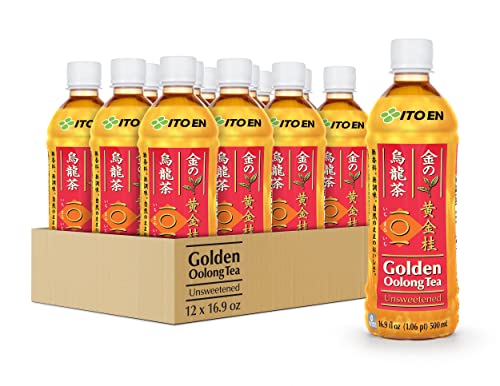
Ito En Golden Oolong Tea

✅ Light, mild flavor that's not bitter
Prince of Peace Organic Oolong Tea (100 Bags)

✅ Taste quality - described as delicious, yummy, tasty