


We analyze real customer reviews to surface what matters: key strengths, ideal use cases, and honest considerations — so you can make an informed choice.
Prince of Peace Organic Oolong Tea (200 Bags)
A delicate, nutty oolong with a smooth, non-bitter finish — organic bags suited to daily hot brewing, cold steeping, and latte-style preparation with milk and honey.
🎯 Best for: Daily drinking routine (multiple cups throughout day), Iced tea preparation
🍃 Tastes like: nutty

What Stands Out
🍃 Flavor Profile
Strength: Delicate
Notes: nutty
✅ What Customers Love
- Excellent value for quantity (100-200 bags) (7 mentions)
- Smooth, balanced flavor (6 mentions)
- No bitterness (5 mentions)
🎯 Best For
Daily drinking routine (multiple cups throughout day) • Iced tea preparation • Morning/daytime energy • Cold brewing
Brand: Prince Of Peace
Category: Oolong Tea
As an Amazon Associate we earn from qualifying purchases.
About This Oolong Tea
This organic oolong delivers a light, grounded cup with subtle nutty notes and a consistently smooth finish that reviewers praise for its complete lack of bitterness. The flavor is naturally gentle — those seeking a bolder brew find that steeping two or three bags together, or extending the steep time, draws out considerably more depth. It performs especially well as a cold brew or paired with milk and honey for a latte-style drink. The mild, forgiving character makes it an accessible entry into oolong for beginners. Best suited to daily drinkers who want a sessionable, low-fuss tea throughout the day.
Is Prince of Peace Organic Oolong Tea (200 Bags) Right for You?
Does Prince of Peace oolong taste bitter?
No — and this is easily the most praised quality of this tea. At least 5 reviewers specifically mention the lack of bitterness, making it one of the most consistent positive notes across all reviews. The flavor is smooth, balanced, and nutty rather than harsh or astringent. Even with long steeping times, it stays mellow. If you've been turned off by bitter teas in the past, this is a very safe choice.
What does Prince of Peace oolong tea taste like?
Reviewers describe it as delicate, smooth, and nutty with a balanced, grounded quality. It's on the lighter side of the oolong spectrum — think gentle and approachable rather than bold and complex. The aroma is lovely (multiple reviewers mention it), and the overall impression is mild and clean. If you're used to strong black teas or dark-roast oolongs, this will taste much lighter. It's closer to a gentle daily sipper than an intense tea experience.
How many tea bags per cup for stronger flavor?
This is one of the most important things to know about this tea. Prince of Peace oolong has a naturally delicate, mild flavor. Reviewers who want a bolder cup recommend using 2–3 bags per cup instead of one. This does increase your effective per-cup cost, but even at 3 bags per cup, you're still getting about 66 servings from the 200-bag box, which is solid value. Alternatively, you can steep a single bag for 15–20 minutes — the lack of bitterness means long steeps won't ruin the taste.
Is this a good oolong tea for beginners?
It's one of the best beginner oolongs you'll find. The flavor is mild, smooth, and nutty with no bitterness at all — so even if you over-steep it, you won't get that harsh, astringent taste that can turn newcomers off. The tea bag format is simple (no loose-leaf equipment needed), and the low price point means you're not making a big investment to find out if you like oolong. Multiple reviewers specifically call it a good introduction to oolong tea.
Who should NOT buy this oolong tea?
Be honest with yourself about what you want. Skip this tea if: you're looking for a bold, complex oolong with deep roasted or floral notes (this is deliberately mild), you're very sensitive to caffeine and want an evening tea (30–40mg per cup is moderate), or you want a strong single-bag brew without adjustments. It's also not the best pick if you dislike individually wrapped tea bags due to the extra packaging waste. For everyone else — especially daily drinkers, beginners, and value-seekers — it's excellent.
How does Prince of Peace compare to other budget oolong teas?
Reviewers frequently say it's comparable to or better than more expensive brands, which is high praise for a budget tea. The organic certification sets it apart from most competitors at this price point. The consistent quality across repeat purchases is another strong point — 2 reviewers specifically mention reliability over time. Where it might fall short compared to pricier options is flavor intensity: it's a mild, delicate oolong, not a robust one. But for the combination of organic + value + smooth flavor, it's hard to beat.
As an Amazon Associate we earn from qualifying purchases.
How much caffeine is in Prince of Peace oolong tea?
Reviewers report around 30–40mg of caffeine per cup, which is moderate — roughly half of what you'd get from a cup of coffee. A few reviewers actually noted it has more kick than they expected, providing a noticeable energy boost and alertness without the jitters. If you're caffeine-sensitive, that's worth keeping in mind, especially if you steep it longer or use multiple bags.
What is the benefit of Prince of Peace tea?
Reviewers highlight several benefits from drinking this tea regularly. The most commonly mentioned are an energy boost with mental alertness, a relaxing-yet-focused feeling (that calm alertness oolong is known for), and support for weight management. Some also report a general sense of improved wellness after making it a daily habit. Plus, it's organic and comes in a 200-bag box, so you get health-conscious tea at a very budget-friendly price.
Is Prince of Peace oolong tea really organic?
Yes — it's certified 100% organic, which is one of the features reviewers specifically appreciate. At this price point and quantity (200 bags), finding certified organic oolong is unusual. Several reviewers mention the organic certification as a key reason they chose this brand over alternatives. It's a genuine differentiator in the budget oolong category.
What is the best way to prepare oolong tea?
For this Prince of Peace oolong, start with water just off the boil (around 190–200°F) and steep for 3–5 minutes for a light, smooth cup. Here's the thing though: reviewers note this tea has a delicate flavor, so if you want a bolder cup, steep it longer (some go 20+ minutes) or use 2–3 bags per cup. It's also great for cold brewing — just drop a couple bags in cold water and refrigerate overnight. Several reviewers love it as an iced tea or with milk and honey for a latte-style drink.
How long are you supposed to steep oolong tea?
Standard recommendation is 3–5 minutes, but with this particular Prince of Peace oolong, you have a lot of flexibility because the flavor is naturally mild and forgiving — it won't turn bitter on you even with longer steeps. Reviewers who prefer a bolder flavor steep it for 10–20+ minutes or simply use an extra bag. That no-bitterness quality is actually one of its biggest strengths: it's very hard to over-steep.
Should you add milk to oolong?
You absolutely can! Several reviewers enjoy this Prince of Peace oolong as a latte-style drink with milk and honey. Because the flavor is smooth and nutty without bitterness, it pairs well with both dairy and plant milks. That said, if you add milk, you'll probably want to use 2–3 tea bags per cup and steep longer to get a strong enough base that doesn't get washed out. It's a personal preference — try it both ways and see what you like.
As an Amazon Associate we earn from qualifying purchases.
How to make oolong tea with milk?
Here's what works well with this Prince of Peace oolong: Use 2–3 tea bags in about 6 oz of hot water and steep for at least 10 minutes to build a strong base. Then add your milk of choice (heated or frothed if you want it latte-style) and sweeten with honey. Reviewers specifically mention this milk-and-honey combination as one of their favorite ways to drink it. You can also cold brew it overnight and add milk in the morning for an iced version.
Can you cold brew Prince of Peace oolong tea?
Yes, and reviewers love it for this. Just drop 2–3 tea bags into a pitcher of cold water and refrigerate overnight (8–12 hours). The cold brewing process brings out the smooth, nutty notes while keeping the flavor clean and refreshing. It's a particularly good option in warmer weather, and making iced tea at home was actually called out as an unexpected benefit by several reviewers. The mild flavor profile works especially well cold.
How much oolong tea leaves per cup?
Since this Prince of Peace oolong comes in pre-portioned tea bags rather than loose leaf, you don't need to measure. Start with one bag per 8 oz cup. But here's the real-world tip from reviewers: because the flavor is delicate, many people prefer 2–3 bags per cup for a richer experience. If you're coming from loose-leaf oolong, think of one bag as roughly equivalent to a light brew — double up if you want something closer to a standard loose-leaf strength.
Does oolong tea have caffeine?
Yes. This Prince of Peace oolong contains around 30–40mg of caffeine per cup, which reviewers say provides a noticeable energy boost and alertness. That's roughly half of coffee but more than most herbal teas. A few reviewers were actually surprised by how much of a pick-me-up it gives. It's not a good choice for caffeine-free drinkers, but it's great if you want a gentler alternative to coffee.
When should you not drink oolong tea?
With 30–40mg of caffeine per cup, you'll want to avoid this tea in the evening if you're sensitive to caffeine — several reviewers call it out as a daytime drink. It's also not ideal if you're looking for a completely caffeine-free option (try herbal teas instead). And if you specifically want a strong, bold oolong experience without any adjustments, this one's naturally mild flavor might leave you wanting more — though you can work around that with extra bags and longer steeping.
What happens if I drink oolong tea every day?
Based on what reviewers report, the most common experiences from daily consumption of this Prince of Peace oolong are: sustained energy and alertness throughout the day, a general sense of improved wellness, and for some, weight management support. Several long-term buyers mention consistent quality across multiple purchases, which suggests this is a tea people stick with. The main consideration is caffeine intake — at 30–40mg per cup, just be mindful of how many cups you're having.
As an Amazon Associate we earn from qualifying purchases.
What is oolong tea good for?
Reviewers of this Prince of Peace oolong highlight several specific uses: daily energy without the coffee jitters, relaxation with mental clarity, weight management support, and overall wellness improvement with regular use. Practically speaking, it's also great for making iced tea at home (a benefit multiple reviewers mention), for latte-style drinks with milk and honey, and as a budget-friendly replacement for store-bought beverages. The 200-bag box makes it easy to experiment with different preparations.
Is oolong tea good for weight loss?
Reviewers of this Prince of Peace oolong specifically mention weight loss support as one of the benefits they've noticed from regular consumption. Research does suggest oolong may have a modest effect on metabolism and fat oxidation. The practical advantage here is the value: at 200 bags per box, it's easy to make this a daily habit without it feeling like an expensive wellness routine. Just don't expect miracles — think of it as one healthy piece of a bigger picture.
Is it okay to drink oolong tea every day?
Absolutely — many reviewers of this Prince of Peace oolong drink it daily, sometimes multiple cups throughout the day. That's actually one reason the 200-bag family size is so popular: it lasts a good while even with daily use. The main thing to watch is caffeine. This tea has around 30–40mg per cup, so if you're sensitive to caffeine, you might want to limit yourself to morning and early afternoon cups and avoid it in the evening.
How much oolong tea per day is safe?
Most reviewers drink 2–4 cups of this Prince of Peace oolong daily without issues. With roughly 30–40mg of caffeine per cup, even 4 cups puts you around 120–160mg — well under the general guideline of 400mg daily for most adults. That said, a couple of reviewers noted the caffeine was stronger than expected, so start with 1–2 cups and see how you feel. Avoid late-afternoon or evening cups if you're caffeine-sensitive.
Is oolong stronger than coffee?
In terms of caffeine, no — coffee typically has 80–100mg per cup, while this Prince of Peace oolong has around 30–40mg. But the energy you get from oolong is different. Reviewers describe it as a "relaxing feeling with an alert mind" rather than the jittery spike coffee can give. Some reviewers actually switched from coffee to this tea specifically because they wanted that smoother, sustained energy without the crash.
Is oolong tea good for your stomach?
Oolong is generally considered gentler on the stomach than coffee or even some black teas, thanks to its moderate oxidation level. This Prince of Peace version is particularly stomach-friendly because of its mild, smooth character — reviewers consistently note zero bitterness, which often correlates with lower tannin harshness. That said, the caffeine content (30–40mg) could bother very sensitive stomachs on an empty stomach, so you might want to have it with or after food.
As an Amazon Associate we earn from qualifying purchases.
Is oolong tea good for belly fat?
Some reviewers of this Prince of Peace oolong do mention weight loss support as a benefit they've experienced, and research suggests oolong may boost metabolism slightly. However, no tea is a magic solution for belly fat on its own. What reviewers appreciate is that this tea makes it easy to swap out sugary drinks — at pennies per cup with 200 bags in the box, it's a budget-friendly way to stay hydrated with a flavorful, zero-calorie option throughout the day.
What's so special about oolong tea?
Oolong sits between green and black tea — it's partially oxidized, which gives it a unique flavor range and a distinctive combination of alertness and calm. What makes this Prince of Peace version special specifically is how approachable it is: reviewers consistently praise the smooth, nutty flavor with zero bitterness, the organic certification, and the incredible value at 200 bags. It's a great gateway into oolong if you're curious about it.
Which brand of oolong tea is the best?
It depends on what you're looking for. If you want a smooth, approachable oolong at an unbeatable price, Prince of Peace is hard to beat — reviewers consistently call it the best value for organic oolong, and many say it's comparable to or better than pricier brands. If you're an experienced tea drinker chasing complex, bold oolong flavors, you might explore loose-leaf specialty brands. But for everyday drinking, this one earns a lot of loyalty.
What is considered the best oolong tea?
"Best" really depends on your priorities. For premium, complex flavor profiles, tea enthusiasts often point to Taiwanese high-mountain oolongs or Wuyi Rock oolongs. But if you want a reliable, organic everyday oolong that won't break the bank, Prince of Peace consistently gets praised. Reviewers say it delivers smooth, balanced flavor with no bitterness — and at the 200-bag family size, the value is exceptional.
Is oolong tea a stimulant?
Technically yes — the caffeine in oolong is a stimulant, and this Prince of Peace tea has around 30–40mg per cup. But reviewers describe the effect more as a balanced alertness than a traditional stimulant buzz. Multiple reviewers mention feeling both relaxed and mentally sharp, which is a hallmark of oolong's combination of caffeine and L-theanine. It's a more nuanced boost than what you'd get from coffee or energy drinks.
Is oolong tea the healthiest tea?
All true teas (green, black, white, oolong) share a similar foundation of antioxidants, but oolong occupies a unique middle ground between green and black tea due to its partial oxidation. Reviewers of this Prince of Peace oolong specifically mention benefits like energy, relaxation, weight management support, and an overall better feeling with regular use. Whether it's "the healthiest" is debatable, but it offers a well-rounded profile of benefits.
As an Amazon Associate we earn from qualifying purchases.
Which is better, green tea or oolong tea?
They're different rather than better or worse. Green tea tends to be grassier and lighter, while oolong — like this Prince of Peace version — has a nuttier, smoother character. Both offer antioxidants, but oolong's partial oxidation gives it a slightly different nutritional profile. Reviewers who've tried both often prefer this oolong for its lack of bitterness and its balanced, easy-drinking nature. If you find green tea too grassy or astringent, this oolong is a great alternative.
Is oolong healthier than green tea?
Both are healthy choices with overlapping benefits — antioxidants, potential metabolism support, and mental alertness. Oolong's partial oxidation gives it a slightly different antioxidant profile than green tea. The real advantage of this Prince of Peace oolong for many drinkers is consistency: it's so smooth and non-bitter that you're more likely to actually drink it every day, which matters more than any marginal nutritional difference. The best tea for your health is the one you'll actually enjoy drinking regularly.
Is oolong tea good for you when sick?
While this tea isn't marketed as a cold remedy, warm fluids in general help when you're under the weather, and the moderate caffeine in this oolong (30–40mg) can help with that foggy, fatigued feeling that comes with being sick. Reviewers mention a general sense of wellness from regular consumption. The mild, smooth flavor also means it won't irritate a sore throat the way stronger teas might. You could add honey for extra soothing — reviewers already love this tea with honey.
What Customers Love
⚠️ Limited sample based on limited customer feedback (14 reviews) • Our methodology
- Excellent value for quantity (100-200 bags) (7 mentions)
- Smooth, balanced flavor (6 mentions)
- No bitterness (5 mentions)
- Organic certification (3 mentions)
- Great aroma (2 mentions)
- Consistent quality across purchases (2 mentions)
Taste Profile
- mild
- smooth
- balanced
- not bitter
- light
- grounded
Best Use Cases
🎯 Best For
- Daily drinking routine (multiple cups throughout day)
- Iced tea preparation
- Morning/daytime energy
- Cold brewing
- Latte-style with milk and honey
- Budget-friendly home brewing alternative to store-bought drinks
⚠️ Not Ideal For
- People sensitive to caffeine
- Those seeking strong, bold oolong flavor without adjustments
- Evening consumption (due to caffeine)
What to Consider
- Very mild flavor - requires 2-3 tea bags per cup for stronger taste (2 mentions)
- Requires long steeping time (20+ minutes) for bold flavor (1 mentions)
- Packaging/quality control issues (tea loose in box) (2 mentions)
- High caffeine content (30-40mg, more than some coffees) (2 mentions)
⚠️ Important: This analysis is based on limited customer feedback (14 reviews). We've shared what we found, but there may be additional considerations we haven't captured.
About This Analysis
This analysis is based on 14 customer reviews. We're showing you everything we found, but with a small sample, there's a lot we likely haven't captured yet.
✅ What we're confident about: What customers love and best use cases
⚠️ What may be incomplete: Potential issues and considerations
For more perspectives, check customer reviews on Amazon.
Product Selection
In short: We only feature high-rated products.
Products on TeaDelight.net are selected based on strong Amazon customer ratings, sufficient review volume, and market presence. We focus on well-regarded products that tea enthusiasts are actively considering and purchasing.
As an Amazon Associate we earn from qualifying purchases.
You Might Also Like

✅ Fresh aroma when properly packaged
Twinings Pure Oolong Tea (20 Count, Original)
✅ taste quality
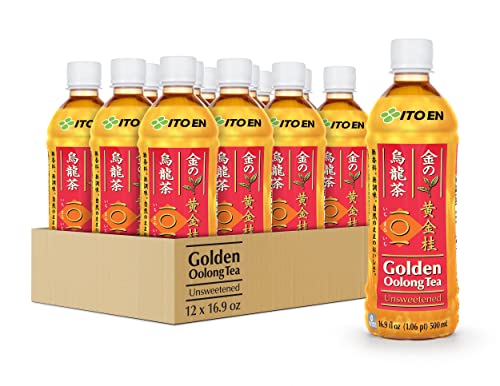
Ito En Golden Oolong Tea

✅ Light, mild flavor that's not bitter
Prince of Peace Organic Oolong Tea (100 Bags)

✅ Taste quality - described as delicious, yummy, tasty