


We analyze real customer reviews to surface what matters: key strengths, ideal use cases, and honest considerations — so you can make an informed choice.
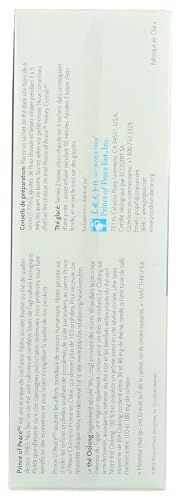
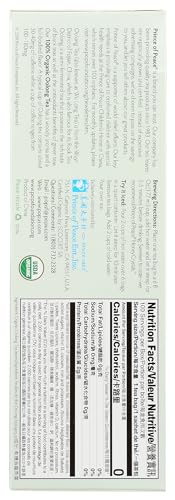
Prince of Peace Organic Oolong Tea (100 Bags)
A delicate oolong with nutty, toasty notes and a whisper of floral honey sweetness — brews smooth and forgiving, staying gentle even with extended steeping.
🎯 Best for: daily routine drinking (3x per day), morning energy without jitters
🍃 Tastes like: nutty, floral, toasty

What Stands Out
🍃 Flavor Profile
Strength: Delicate
Notes: nutty, floral, toasty
✅ What Customers Love
- Light, mild flavor that's not bitter (15 mentions)
- Great value - large quantity (100 bags) for the price (8 mentions)
- Organic certification (6 mentions)
🎯 Best For
daily routine drinking (3x per day) • morning energy without jitters • midday focus • weight loss programs
Brand: Prince Of Peace
Category: Oolong Tea
As an Amazon Associate we earn from qualifying purchases.
About This Oolong Tea
This organic oolong produces a light, smooth cup with nutty and toasty character underscored by a subtle honey sweetness — it won't turn bitter even if left to steep longer than intended. Reviewers reach for it throughout the day, citing calm alertness and digestive ease as consistent benefits, and many use it as a low-key coffee alternative. The organic certification and simple bag format make it easy to build into a daily routine without fuss. Those wanting a bold, assertive oolong may find the flavor underwhelming. Best suited to beginners and daily drinkers who prefer a gentle, unfussy cup.
Is Prince of Peace Organic Oolong Tea (100 Bags) Right for You?
What does Prince of Peace oolong tea taste like?
Reviewers consistently describe it as light, smooth, and mild — definitely on the delicate side. You'll pick up nutty, toasty notes with hints of honey and roasted nuts, a subtle floral quality, and just a touch of sweetness. Some people compare it to the oolong you get at Chinese restaurants. It's not bitter at all, even if you accidentally steep it a bit too long, which is one of the things people love about it. That said, if you prefer bold, strong tea, some reviewers found it too mild — almost watery.
Is Prince of Peace oolong tea good for beginners?
This is one of the best beginner oolong teas you can buy. The flavor is mild and approachable — not bitter or overwhelming. The brewing is incredibly forgiving; you can steep it 3–5 minutes and even going longer won't ruin it. The individually wrapped bags make preparation dead simple. At 100 bags for the price, it's an affordable way to explore oolong without committing to expensive loose-leaf. Multiple reviewers who describe themselves as non-tea-drinkers or oolong newcomers say this converted them.
Is Prince of Peace oolong tea good as a coffee replacement?
For many reviewers, that's exactly how they use it — and they're thrilled with the switch. The key difference they highlight is getting energy and alertness without the jitters, anxiety, or afternoon crash that coffee causes. Some reviewers even detect slightly coffee-like notes in the flavor, which helps with the transition. It does have less caffeine than coffee, so if you need an intense caffeine hit, it won't fully replace that. But if you're looking to reduce caffeine while keeping the ritual and the energy, reviewers say it's an excellent substitute.
Is Prince of Peace oolong too weak?
This is the most polarizing aspect of this tea. The majority of reviewers love the light, mild, smooth flavor and see it as a strength — it's approachable, not bitter, and easy to drink all day. However, about three reviewers found it too mild, describing it as almost like flavored water. If you're coming from bold black teas or strong coffee, you might find it underwhelming. If you enjoy delicate, subtle flavors, you'll likely love it. It's worth knowing going in that this is deliberately a gentle tea.
Is it okay to drink Prince of Peace oolong tea every day?
Absolutely — many reviewers drink this oolong three times a day as part of their daily routine and report positive results. People mention feeling a calm, grounded energy without jitters or crashes, plus digestive benefits after meals. The lower caffeine content compared to coffee makes it sustainable for daily use. Just keep in mind that some people use it alongside intermittent fasting or weight management programs, so it fits easily into most daily wellness routines.
What happens if I drink oolong tea every day?
Based on what reviewers of this Prince of Peace tea report: calm, sustained energy without jitters, better digestion, reduced bloating, and support for weight management goals. Many drink it three times daily and describe it as a cornerstone of their wellness routine. The organic certification means you're not ingesting pesticides with that daily habit. The main thing to watch is caffeine — if you're sensitive, you might want to keep it to earlier in the day.
As an Amazon Associate we earn from qualifying purchases.
What is oolong tea good for?
Reviewers of this Prince of Peace oolong highlight several specific benefits: calm energy and focus without coffee jitters, digestive support after meals, reduced bloating, antioxidants, immune system support, and weight management. People use it as a morning coffee alternative, a midday focus aid, and a post-meal digestive. The calm alertness it provides — energy without anxiety — is probably the most frequently praised benefit across reviews.
Is oolong tea good for weight loss?
Reviewers of this specific tea frequently mention using it as part of weight management programs. It's a popular companion for intermittent fasting, and some reviewers report it helps with belly fat specifically. The validated benefits from customer reviews include weight management support. However, reviewers who expected 'immediate weight loss results' were disappointed — this isn't a magic solution. It works best as part of a consistent daily routine alongside healthy habits. At three cups a day, it's an easy, low-calorie addition to a weight-conscious lifestyle.
Is oolong tea good for belly fat?
Reviewers of this Prince of Peace oolong specifically mention belly fat reduction as a benefit they've experienced — it came up as an 'unexpected benefit' in customer feedback. Multiple reviewers also use it as part of weight management programs and intermittent fasting routines. Now, tea alone won't melt belly fat overnight — reviewers who mention unrealistic expectations for 'immediate weight loss results' were disappointed. But as part of a consistent routine, reviewers do report positive results.
Is Prince of Peace oolong tea really organic?
Yes, it carries organic certification, which reviewers specifically mention as a reason they chose this brand. Six reviewers highlighted the organic certification as a key selling point. For daily drinkers having three cups a day, knowing the tea is grown without synthetic pesticides and herbicides provides peace of mind.
Are there any quality issues with Prince of Peace oolong tea?
In the interest of honesty: some reviewers have reported quality control inconsistencies. About five reviewers mentioned issues like tea bags with cut strings, some leaking leaves, or uneven fill amounts. A couple of people received product that smelled musty or stale, with tea bags appearing brown rather than the expected white. The tea inside the bags is also finely processed — closer to powder than visible leaves. Most reviewers don't experience these issues, but it's worth knowing that quality can vary between batches.
Does Prince of Peace oolong tea taste like restaurant oolong?
Yes — and that's one of the specific comparisons reviewers make. Multiple people say it tastes like the oolong you get at Chinese restaurants, which for many people is their first and most familiar reference point for oolong flavor. That toasty, nutty, slightly sweet profile with no bitterness is exactly that restaurant experience. If you've enjoyed oolong at a restaurant and want to recreate it at home, reviewers confirm this does the job.
As an Amazon Associate we earn from qualifying purchases.
Is oolong tea good for your stomach?
Yes — digestive support is one of the validated benefits that reviewers specifically confirm with this tea. People drink it after meals and report that it helps with digestion. Reviewers also mention it reduces bloating, which was actually an unexpected benefit many didn't anticipate. The mild, smooth flavor profile means it's gentle on the stomach, unlike harsher teas that can cause discomfort.
Should you add milk to Prince of Peace oolong tea?
You can! Some reviewers specifically use this tea to make a simple milk tea at home — add milk and a bit of sugar, and you've got something that tastes like what you'd get at a tea shop. The mild, toasty flavor works well as a base because it's smooth without bitterness. That said, plenty of people enjoy it straight. The natural hint of sweetness and nutty notes are pleasant on their own. It's really down to personal preference.
How to make oolong milk tea with Prince of Peace tea bags?
Steep a bag in hot water for 3–5 minutes (or a little longer for a stronger base — this tea won't go bitter on you). Then add your preferred milk — whole milk, oat milk, or whatever you like — and sweeten to taste with honey or sugar. Reviewers mention this works surprisingly well as a homemade milk tea. The toasty, slightly nutty flavor of this oolong creates a nice base that blends smoothly with milk.
What is the best way to prepare Prince of Peace oolong tea?
The great news is this tea is very forgiving. Steep one bag in hot water for 3–5 minutes and you're good. Unlike some teas that turn bitter if you forget about them, reviewers say this one stays smooth even with longer steeping. Some people add milk and sugar to make a simple milk tea, and others enjoy it plain. You can even re-steep the bag — some reviewers experiment with multiple steeps from a single bag and notice the flavor evolves slightly each time.
Can you re-steep Prince of Peace oolong tea bags?
You can, and some reviewers do exactly that — experimenting with multiple steeps from a single bag. The flavor evolves slightly with each steep, which is characteristic of oolong tea. Keep in mind that since this is a tea bag with finely processed leaves rather than whole loose-leaf, you'll get diminishing returns faster than you would with premium loose-leaf oolong. But for a second cup from the same bag, it works fine and stretches your value even further on an already affordable tea.
What is the best time to drink Prince of Peace oolong tea?
Reviewers use it throughout the day for different purposes: morning for a gentle energy boost without coffee jitters, midday for sustained focus, and after meals for digestive support. It's versatile enough to fit any time slot. The one time to avoid is probably right before bed, since it does contain caffeine. The most popular routine among reviewers is three cups spread across the day — morning, afternoon, and after dinner.
As an Amazon Associate we earn from qualifying purchases.
Who is Prince of Peace oolong tea best for?
This tea hits a sweet spot for a few key groups: people switching from coffee who want less caffeine but still need energy, oolong beginners who want something mild and forgiving, daily drinkers looking for an affordable organic option they can have multiple cups of, and anyone using tea as part of a weight management or intermittent fasting routine. It's not ideal if you want bold, strong flavors or premium loose-leaf complexity. But for an everyday, accessible, health-conscious oolong, it's exactly right.
How much caffeine is in Prince of Peace oolong tea?
Prince of Peace markets this as a 'lower caffeine alternative to coffee,' and reviewers confirm it delivers a noticeable energy boost without the jitters or crash that coffee causes. Oolong tea generally contains about 30–50 mg of caffeine per cup compared to coffee's 95+ mg. Multiple reviewers specifically chose this tea because they wanted alertness without that wired, anxious feeling coffee can give.
What's so special about oolong tea?
Oolong sits between green and black tea in terms of oxidation, which gives it a unique flavor profile you can't get from either. This Prince of Peace version showcases that beautifully — reviewers describe nutty, toasty, slightly floral notes with a hint of honey sweetness. It also offers a balanced caffeine experience: enough to give you alertness and focus, but reviewers consistently say it provides calm energy without the jitters or crash of coffee. Plus, oolong is associated with digestive support, antioxidants, and weight management benefits that reviewers confirm experiencing.
Which is better, green tea or oolong tea?
They're different rather than better or worse. Green tea tends to be grassy and vegetal, while this Prince of Peace oolong is nutty, toasty, and slightly floral — a warmer, more rounded flavor profile. Both offer antioxidants and health benefits. Oolong generally has a bit more caffeine than green tea but less than coffee. Many reviewers specifically switched to this oolong because they found green tea's grassy taste unappealing. If you want something smooth, mild, and naturally a little sweet, oolong might be your better match.
Which brand of oolong tea is the best?
Prince of Peace is one of the most popular bagged oolong options, and reviewers frequently praise its authentic restaurant-style oolong flavor at an excellent price point — 100 organic tea bags for a very reasonable cost. It's especially well-regarded for daily drinking and for people new to oolong. That said, if you're an experienced tea drinker looking for complex, premium loose-leaf oolong, you might want to explore higher-end options. For an accessible, everyday organic oolong, Prince of Peace is hard to beat on value.
Why do Chinese people drink oolong tea?
Oolong has deep roots in Chinese tea culture, valued for its complex flavor and health benefits. Interestingly, reviewers of this Prince of Peace tea frequently compare it to the oolong served at Chinese restaurants — that's the flavor benchmark many people have. The tea is traditionally associated with digestive health, calm alertness, and overall wellness, and reviewers confirm experiencing those same benefits with this particular brand.
As an Amazon Associate we earn from qualifying purchases.
How much oolong tea should you drink per day?
Most health guidelines suggest 3–4 cups of oolong per day is perfectly fine, and that aligns with what reviewers of this tea actually do. Multiple people mention drinking it three times daily as part of their routine — morning for energy, midday for focus, and after meals for digestion. Since it's lower in caffeine than coffee, three cups won't leave you feeling wired.
How long are you supposed to steep Prince of Peace oolong tea?
Aim for 3–5 minutes for the best flavor. But here's the thing reviewers love about this particular oolong: it's very forgiving. If you leave the bag in longer, it doesn't turn bitter and harsh like many teas do. That makes it perfect if you're the type to get distracted and forget about your tea. The flavor stays light and smooth regardless.
Does Prince of Peace oolong tea have caffeine?
Yes, it does contain caffeine — it's an oolong tea, after all. But here's the key difference reviewers highlight: it gives you a smooth energy boost without the jitters, anxiety, or crash that coffee causes. Prince of Peace specifically markets it as a lower caffeine alternative to coffee, and reviewers confirm that's accurate. You get alertness and focus, but in a calm, grounded way. Five separate reviewers mentioned the 'no jitters' benefit specifically.
Is oolong tea stronger than coffee?
No — oolong has significantly less caffeine than coffee. Prince of Peace specifically positions this tea as a 'lower caffeine alternative to coffee,' and reviewers back that up. They describe the energy as calm and sustained rather than the intense spike-and-crash pattern of coffee. If you're trying to cut back on coffee but still want something that gives you a lift, this is exactly the kind of switch reviewers recommend.
Who should not take oolong tea?
While most people enjoy oolong without issues, it does contain caffeine — so if you're highly sensitive to caffeine, pregnant, or nursing, you'll want to check with your doctor. That said, reviewers specifically note that Prince of Peace oolong doesn't cause jitters like coffee does, so it's gentler than many caffeinated beverages. People who want a bold, strong tea flavor might also be disappointed — this one is deliberately mild and delicate.
When should you not drink oolong tea?
Since it does contain caffeine, you'll probably want to avoid it close to bedtime. Most reviewers drink it in the morning for energy or midday for focus. It's also worth noting that drinking it on a completely empty stomach might not agree with everyone — some people prefer it with or after meals, and reviewers specifically mention it as a digestive support after eating. If you're caffeine-sensitive, start with one cup and see how you feel.
As an Amazon Associate we earn from qualifying purchases.
Is oolong healthier than green tea?
Both are excellent choices with overlapping health benefits — antioxidants, metabolism support, and general wellness. Oolong may have a slight edge for digestive support and weight management based on some research, and reviewers of this Prince of Peace tea confirm those benefits from personal experience. Green tea is often cited for higher catechin content. Honestly, the healthiest tea is the one you'll actually drink consistently, and reviewers find this mild, smooth oolong very easy to stick with daily.
Is oolong tea good for you when you're sick?
Reviewers mention immune system support as one of the benefits they experience with this tea, and the warm liquid itself is soothing when you're under the weather. The antioxidant content is a validated benefit from customer reviews. While it's not a medicine, it's a comforting, caffeine-light warm drink that won't dehydrate you the way coffee might. The mild, smooth flavor is easy to tolerate even when you're not feeling your best.
Customer-Validated Strengths
based on 30-review analysis • Our methodology
- Light, mild flavor that's not bitter (15 mentions)
- Great value - large quantity (100 bags) for the price (8 mentions)
- Organic certification (6 mentions)
- No jitters despite caffeine content (5 mentions)
- Forgiving brewing - doesn't get too bitter with longer steeping (4 mentions)
- Individually wrapped tea bags (3 mentions)
- Tastes like authentic restaurant oolong tea (3 mentions)
Taste Profile
- light
- smooth
- mild
- fresh
- not bitter
- subtle
- balanced
- delicate
Best Use Cases
🎯 Best For
- daily routine drinking (3x per day)
- morning energy without jitters
- midday focus
- weight loss programs
- intermittent fasting companion
- calm alertness
- digestive support after meals
- coffee alternative
⚠️ Not Ideal For
- those seeking strong, bold tea flavor
- expecting immediate weight loss results
What to Consider
- Quality control issues - tea bags with cut strings, leaking leaves, uneven fill (5 mentions)
- Too mild/weak flavor - tastes almost like water (3 mentions)
- Freshness concerns - old/musty smell, brown bags instead of white (2 mentions)
- Tea bags don't sink - get air bubbles (1 mentions)
- Pulverized into fine powder rather than visible leaves (1 mentions)
- Box arrives damaged/crushed in shipping (2 mentions)
based on 30-review sample.
About This Analysis
This analysis is based on 30 customer reviews. We're showing you everything we found, but with our analysis, there's always more to discover.
✅ What we're confident about: What customers love and best use cases
⚠️ What may be incomplete: Potential issues and considerations
For more perspectives, check customer reviews on Amazon.
Product Selection
In short: We only feature high-rated products.
Products on TeaDelight.net are selected based on strong Amazon customer ratings, sufficient review volume, and market presence. We focus on well-regarded products that tea enthusiasts are actively considering and purchasing.
As an Amazon Associate we earn from qualifying purchases.
You Might Also Like

✅ Fresh aroma when properly packaged
Twinings Pure Oolong Tea (20 Count, Original)
✅ taste quality
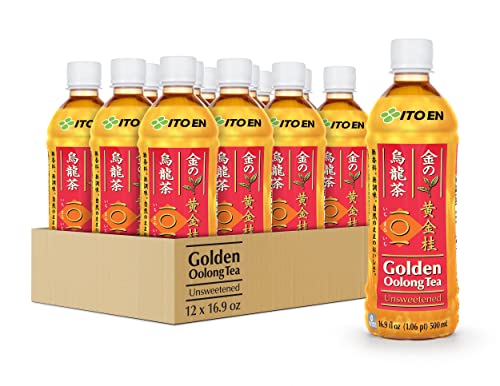
Ito En Golden Oolong Tea

✅ Good flavor quality
Twinings Pure Oolong Tea (20 Count)

✅ Taste quality - described as delicious, yummy, tasty