





We analyze real customer reviews to surface what matters: key strengths, ideal use cases, and honest considerations — so you can make an informed choice.
Wako Matcha First Harvest Premium Uji Ceremonial Grade
A first-harvest Uji ceremonial matcha with a smooth, creamy texture, grassy-nutty flavor, and naturally sweet finish — no bitterness, whisks up easily.
🎯 Best for: morning boost, traditional usucha preparation
🍃 Tastes like: grassy, nutty, vegetal

What Stands Out
🍃 Flavor Profile
Strength: Moderate
Notes: grassy, nutty, vegetal
✅ What Customers Love
- smooth and creamy texture (5 mentions)
- vibrant dark green color (no yellow tint) (4 mentions)
- no bitterness (4 mentions)
🎯 Best For
morning boost • traditional usucha preparation • matcha lattes • daily drinking
Brand: Wako Matcha
Category: Matcha
As an Amazon Associate we earn from qualifying purchases.
About This Matcha
This ceremonial-grade matcha from Uji produces a vibrantly dark green liquor with a thick, frothy consistency that whisks up readily — reviewers note it froths well even without specialized equipment. The flavor profile is grassy and vegetal with nutty undertones, naturally sweet rather than sharp, and the creamy body holds up whether prepared as traditional usucha or as a hot or iced latte. Some reviewers notice a mild astringency compared to top-tier ceremonial brands, so those with refined palates may want to account for that. A strong fit for daily drinkers, matcha latte enthusiasts, and those stepping up from beginner-grade powder into genuine ceremonial territory.
Is Wako Matcha First Harvest Premium Uji Ceremonial Grade Right for You?
What does Wako Matcha taste like?
Reviewers describe Wako Matcha as smooth and creamy with grassy, nutty, and vegetal flavor notes. There's a natural sweetness to it — not sugary, but a pleasant vegetal sweetness that balances out the earthiness. Importantly, there's no bitterness, which is a common complaint with lower-quality matcha. The aftertaste is clean, not lingering or chalky. Some reviewers describe it as rich and intense while still being approachable. If you've been turned off by bitter or gritty matcha in the past, this one might change your mind.
Is Wako Matcha ceremonial grade?
Yes, Wako Matcha is a ceremonial grade matcha sourced from Uji, Japan — one of the most renowned matcha-growing regions. It's a first harvest (ichiban-cha) tea, which means the leaves are picked during the first spring harvest when they're at their most tender and nutrient-rich. Reviewers confirm the quality matches the ceremonial grade claim, noting its vibrant dark green color with no yellow tint, smooth texture, and absence of bitterness — all hallmarks of genuine ceremonial grade matcha.
Who is Wako Matcha best for?
Wako Matcha works for a surprisingly wide range of matcha drinkers. Beginners love it because it's forgiving to prepare, non-bitter, and affordable for experimenting. Enthusiasts appreciate that it competes with premium brands and works for traditional preparation. Daily drinkers value the consistent quality at a reasonable price. Latte lovers get smooth, cafe-quality results. The only group that might want to look elsewhere: ultra-purists who drink only the most premium single-origin ceremonial matcha and are willing to pay significantly more for marginal improvements in smoothness.
How do you brew Wako Matcha?
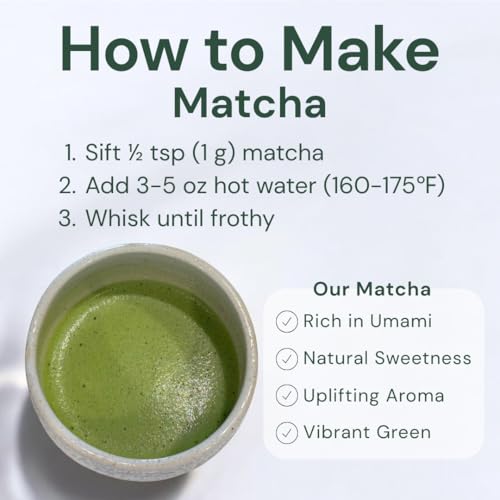
For traditional matcha: sift 1-2 teaspoons of Wako Matcha into a bowl, add about 2 oz of hot water (around 175°F — not boiling), and whisk briskly with a bamboo chasen in a W or M motion until frothy. The good news with this matcha is that reviewers say it barely requires sifting and whisks up easily with proper foam. For a latte, whisk or froth the matcha with a small amount of hot water first, then add steamed or frothed milk.
How to make matcha as a beginner?
Wako Matcha is actually a fantastic choice for beginners. Here's why: it barely requires sifting (a common frustration for newcomers), it whisks up easily even with a simple milk frother instead of a traditional bamboo whisk, and it has no bitterness — so even if your water is a touch too hot, you won't get a harsh cup. Start with 1 teaspoon in about 2-3 oz of hot water (not boiling — aim for 170-175°F), whisk or froth until smooth, and you're set. Reviewers specifically call it an approachable, forgiving matcha for beginners.
Does Wako Matcha have a gritty or chalky texture?
No — reviewers specifically call out the lack of grittiness or chalkiness, which is a common problem with lower-quality matcha powders. Wako Matcha has a smooth, creamy texture that dissolves well. It also requires minimal sifting before whisking, which is a nice bonus since sifting is one of the more tedious steps in matcha preparation. The smooth texture holds up in both water-only preparations and milk-based lattes.
As an Amazon Associate we earn from qualifying purchases.
Do you mix matcha with water or milk?
Both work great with Wako Matcha. For a traditional matcha experience, use just hot water — this lets you appreciate the grassy, nutty flavor notes and natural vegetal sweetness that reviewers love. For a matcha latte, whisk the powder with a splash of hot water first, then add your choice of milk. Reviewers specifically mention this matcha makes excellent cafe-quality lattes. The smooth, creamy texture and lack of bitterness mean it pairs well with milk without losing its matcha character.
How do you make a matcha latte with Wako Matcha?
Whisk or froth 1-2 teaspoons of Wako Matcha with about 2 oz of hot water until smooth and slightly foamy. Then pour in 6-8 oz of steamed or frothed milk (dairy or plant-based). Sweeten to taste if you like, though several reviewers note this matcha has a natural vegetal sweetness that makes sweetener optional. Reviewers specifically highlight that Wako Matcha makes cafe-quality lattes, and the smooth, creamy texture blends seamlessly with milk.
How to make matcha tea without a whisk?
A milk frother works beautifully with Wako Matcha — reviewers specifically mention using one with great results. You can also shake it in a small jar or bottle with a tight lid, or use a regular kitchen whisk with vigorous stirring. One advantage of this particular matcha is that it has minimal clumping and barely requires sifting, so even without a bamboo whisk, you can get a smooth, well-mixed cup without much fuss.
How to make iced matcha with Wako Matcha?
Whisk or froth 1-2 teaspoons of Wako Matcha with about 2 oz of cold or room-temperature water until dissolved (cold water takes a bit more effort, so a milk frother helps). Pour over a glass of ice, then top with cold water or cold milk for an iced latte. Wako Matcha's smooth, non-bitter profile is ideal for iced drinks because cold brewing can sometimes amplify bitterness in lower-quality matcha — not an issue here.
Is Wako Matcha good for traditional tea ceremony preparation?
Yes — it's well-suited for traditional usucha (thin tea) preparation. The powder whisks up easily with a bamboo chasen, produces proper foam, and the flavor profile holds up beautifully when prepared with just hot water. Reviewers who practice traditional preparation note the vibrant color, smooth texture, and complex grassy-nutty flavor that you'd expect from ceremonial grade matcha. For thick tea (koicha), you'd typically want an even higher concentration grade, but for everyday traditional whisked matcha, Wako performs admirably.
How much matcha powder should I use per cup?
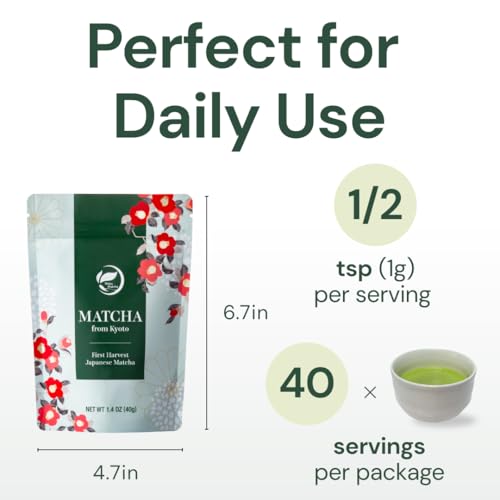
For traditional matcha, use about 1-2 grams (roughly half to one teaspoon) with 2-3 oz of hot water. For a matcha latte, use 1-2 teaspoons dissolved in a small amount of hot water, then add 6-8 oz of milk. Wako Matcha has a moderate flavor strength with rich, intense character, so start with one teaspoon and adjust to your taste. The 40g tin will give you about 20-40 servings depending on your preferred strength.
As an Amazon Associate we earn from qualifying purchases.
What are the cons of matcha tea?
Common matcha concerns include the taste (some find it grassy or bitter), the preparation effort, lead content from soil absorption, and caffeine sensitivity. With Wako Matcha specifically, the taste concern is largely addressed — reviewers consistently say it has no bitterness and a smooth, pleasant flavor. Preparation is also easier than most: it barely requires sifting and froths up quickly. One honest note from reviewers: while excellent for the price, one person did find it slightly astringent compared to higher-end brands, so if you're used to ultra-premium matcha, there may be a subtle difference.
Is Starbucks matcha good for you?
Starbucks matcha drinks contain added sugar in the matcha powder blend itself, plus whatever sweetener and milk you choose. A grande matcha latte from Starbucks can have 30+ grams of sugar. By contrast, Wako Matcha is pure, unsweetened matcha — no fillers, no added sugar. Making matcha at home with Wako gives you control over the ingredients and is significantly healthier (and cheaper per serving) than the Starbucks version, while reviewers say the quality is actually cafe-grade or better.
Is Wako Matcha gluten-free?
Yes, Wako Matcha is gluten-free. It's pure matcha powder with no additives, fillers, or sweeteners. This is 100% ground green tea leaves — nothing else. It's also unsweetened, making it suitable for people watching their sugar intake or following various dietary restrictions.
What is the difference between Uji matcha and regular matcha?
Uji, in Kyoto Prefecture, is one of Japan's oldest and most prestigious tea-growing regions. Uji matcha benefits from the area's ideal climate, mineral-rich soil, and centuries of cultivation expertise. Compared to generic matcha (which may come from China or lower-quality Japanese regions), Uji matcha typically has a more complex flavor, brighter green color, and smoother texture. Wako Matcha is sourced from Uji, and reviewers consistently praise its vibrant dark green color and smooth, non-bitter taste — qualities that reflect genuine Uji origin.
What is the highest quality matcha?
The highest quality matcha is ceremonial grade, first harvest, stone-ground matcha from Japan's premium growing regions like Uji, Nishio, or Kagoshima. Wako Matcha checks several of these boxes — it's ceremonial grade, first harvest, and sourced from Uji. Some reviewers have compared it favorably to premium brands like Marukyu Koyamaen, which is considered one of the top matcha producers in the world. While it may not be the absolute pinnacle of matcha, it punches well above its price point.
As an Amazon Associate we earn from qualifying purchases.
How can you tell if matcha is high quality?
The key indicators are color, texture, taste, and aroma. High-quality matcha should be a vibrant, deep green — any yellow or brown tint suggests oxidation or lower-grade leaves. The powder should be ultra-fine and silky, not gritty. The taste should be smooth with natural sweetness, not excessively bitter. And it should have a fresh, grassy aroma. Wako Matcha checks all these boxes according to reviewers: vibrant dark green color with no yellow tint, no grittiness, smooth and non-bitter taste, and a fresh grassy-vegetal aroma.
What are the health benefits of matcha?
Matcha is packed with antioxidants (particularly EGCG), L-theanine for focus and calm, and provides a steady caffeine boost. Because you're drinking the entire ground tea leaf, you get significantly more nutrients than steeped green tea. Key benefits include sustained energy without jitters, antioxidant protection, potential metabolism support, and improved focus. Wako Matcha's vibrant dark green color is actually a quality indicator here — it suggests high chlorophyll content from proper shade-growing, which correlates with higher L-theanine and antioxidant levels.
Is matcha better for anxiety than coffee?
Many people find matcha easier on anxiety than coffee, and the science backs this up. Matcha contains L-theanine, which promotes relaxation without drowsiness, essentially taking the edge off the caffeine. Wako Matcha reviewers mention the morning energy boost as a validated benefit, and the combination of moderate caffeine with L-theanine is what gives matcha that reputation for calm, focused energy rather than the jittery buzz coffee can cause.
Is matcha higher in caffeine than coffee?
A typical serving of matcha has about 60-70 mg of caffeine, compared to roughly 95 mg in an 8 oz cup of coffee. So matcha generally has less caffeine per serving, but the experience feels different. Matcha contains L-theanine, an amino acid that promotes calm alertness without the jitters. Reviewers of Wako Matcha specifically mention using it for their morning energy boost — they appreciate the sustained, focused energy without the crash that coffee sometimes brings.
Is a matcha latte good for you?
A matcha latte is a healthier alternative to most coffee shop drinks, especially if you control the sweetener. With Wako Matcha, you're getting genuine ceremonial grade matcha with all its antioxidants and L-theanine benefits. The matcha itself is unsweetened and clean — the healthiness really depends on what milk you use and how much sugar you add. Reviewers note this matcha has a natural vegetal sweetness, so you may find you need less sweetener than you'd expect.
What's the best way to store Wako Matcha?
Matcha is sensitive to light, heat, moisture, and air — all of which cause it to oxidize and lose its vibrant color and flavor. Keep your Wako Matcha in its sealed tin (or transfer to an airtight, opaque container), store it in a cool, dark place, and ideally refrigerate it after opening. Use it within 1-2 months of opening for the best flavor. The vibrant dark green color reviewers praise will fade over time if stored improperly, so proper storage really matters with quality matcha like this.
As an Amazon Associate we earn from qualifying purchases.
Is first harvest matcha ceremonial grade?
First harvest (ichiban-cha) is a key indicator of ceremonial grade matcha. The first spring harvest produces leaves that are more tender, sweeter, and richer in amino acids like L-theanine. Wako Matcha specifically uses first harvest leaves from Uji, Japan, and reviewers back this up — they describe a fresh grassy aroma, natural vegetal sweetness, and that vibrant dark green color you'd expect from a true first harvest ceremonial matcha.
What is the 30/20/10 rule for matcha?
The 30/20/10 rule is a general matcha quality guideline: 30 days of shading before harvest (to boost chlorophyll and L-theanine), the top 20% of leaves selected, and stone-ground for at least 10 hours to achieve that ultra-fine powder. While Wako doesn't specifically advertise these numbers, their first harvest Uji ceremonial grade matcha shows the hallmarks of careful production — reviewers praise its vibrant dark green color (a sign of proper shading), smooth texture with no grittiness (proper grinding), and complex grassy-nutty flavor profile.
Is it safe to drink matcha every day?
For most adults, yes. Matcha has been consumed daily in Japan for centuries. The main consideration is caffeine — if you're sensitive, you may want to limit yourself to one serving per day or avoid it in the evening. Wako Matcha is marketed for daily morning use, and reviewers treat it as their everyday matcha. At 40g per tin, you'll get roughly 20-40 servings depending on how strong you make it, making it a practical daily drinker especially at its price point.
Why is Gen Z obsessed with matcha?
The matcha trend isn't just aesthetic (though that vibrant green is very Instagram-worthy). Gen Z values clean energy, functional ingredients, and mindful consumption — matcha checks all those boxes. It offers caffeine without the anxiety, antioxidants, and a ritual element to the preparation. Wako Matcha fits right into this trend: it's affordable enough for everyday use, makes cafe-quality lattes at home (saving money on daily Starbucks runs), and the ceremonial grade quality means you're getting the real deal, not a sugary imitation.
Is matcha actually healthier than coffee?
Both have health benefits, but matcha offers some unique advantages. Because you consume the whole tea leaf (ground into powder), you get more antioxidants (particularly catechins like EGCG), plus L-theanine for calmer energy. Matcha also provides fiber, chlorophyll, and vitamins that coffee doesn't. That said, coffee has its own well-researched benefits. Many Wako Matcha drinkers have switched from coffee and specifically praise the sustained energy without crashes or jitters.
Which is healthier, matcha or coffee?
Both are healthy in moderation, but matcha edges ahead in a few areas: more antioxidants per serving, L-theanine for calmer energy, and whole-leaf nutrition (fiber, chlorophyll, vitamins). Coffee has slightly more caffeine per cup and its own proven health benefits. The real advantage many Wako Matcha drinkers highlight is the quality of the energy — reviewers praise the morning boost without the crash or anxiety that coffee sometimes triggers. If you're looking to reduce coffee intake, this matcha is a solid transition choice.
As an Amazon Associate we earn from qualifying purchases.
Is matcha good for weight loss?
Matcha contains EGCG (epigallocatechin gallate), a catechin that some studies suggest may support metabolism and fat oxidation. However, it's not a magic weight loss solution — it works best as part of a balanced diet and exercise routine. Wako Matcha is unsweetened and essentially zero calories when prepared with just water, making it a smart swap for sugary coffee drinks or energy drinks. Add it to your morning routine as a clean energy source rather than expecting dramatic weight loss results.
What Customers Love
⚠️ Limited sample based on limited customer feedback (9 reviews) • Our methodology
- smooth and creamy texture (5 mentions)
- vibrant dark green color (no yellow tint) (4 mentions)
- no bitterness (4 mentions)
- easy to whisk/froth (4 mentions)
- fresh grassy/vegetal aroma (3 mentions)
- affordable price point (3 mentions)
- no grittiness or chalkiness (2 mentions)
- clean aftertaste (2 mentions)
- minimal sifting required (1 mentions)
Taste Profile
- smooth
- creamy
- clean
- no bitterness
- naturally sweet
- vegetal sweetness
- rich
- intense
- pleasant
- thick
Best Use Cases
🎯 Best For
- morning boost
- traditional usucha preparation
- matcha lattes
- daily drinking
- cafe-quality hot/iced matcha
What to Consider
- astringent (not as smooth as higher-end brands) (1 mentions)
⚠️ Important: This analysis is based on limited customer feedback (9 reviews). We've shared what we found, but there may be additional considerations we haven't captured.
About This Analysis
This analysis is based on 9 customer reviews. We're showing you everything we found, but with a small sample, there's a lot we likely haven't captured yet.
✅ What we're confident about: What customers love and best use cases
⚠️ What may be incomplete: Potential issues and considerations
For more perspectives, check customer reviews on Amazon.
Product Selection
In short: We only feature high-rated products.
Products on TeaDelight.net are selected based on strong Amazon customer ratings, sufficient review volume, and market presence. We focus on well-regarded products that tea enthusiasts are actively considering and purchasing.
As an Amazon Associate we earn from qualifying purchases.
You Might Also Like

✅ Vibrant, bright green color indicating freshness and quality
35°N MATCHA Organic Ceremonial Grade Matcha Powder

✅ Starbucks taste similarity
Jade Leaf Matcha Latte Mix Bundle (500g)

✅ taste/flavor
Jade Leaf Matcha Latte Mix Bundle (1kg)

✅ Smooth, creamy texture that blends easily