





We analyze real customer reviews to surface what matters: key strengths, ideal use cases, and honest considerations — so you can make an informed choice.
Umami Leaf Organic Japanese Ceremonial Grade Matcha
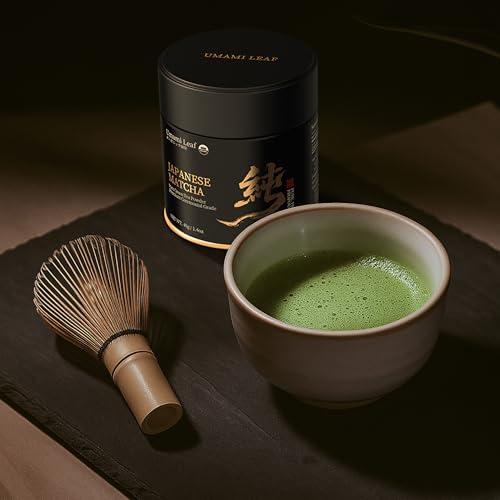
Ceremonial grade matcha from Uji, Kyoto — smooth, umami-rich, and naturally sweet, with a vibrant emerald hue and fine powder that whisks into froth effortlessly.
🎯 Best for: Traditional tea ceremonies, Morning matcha lattes
🍃 Tastes like: umami, earthy, grassy

What Stands Out
🍃 Flavor Profile
Strength: Moderate
Notes: umami, earthy, grassy
✅ What Customers Love
- Smooth flavor with no bitterness (16 mentions)
- Vibrant emerald/brilliant green color (14 mentions)
- Fresh aroma and smell (11 mentions)
🎯 Best For
Traditional tea ceremonies • Morning matcha lattes • Special sipping experiences • Daily mindful cup at home
Brand: Umami Leaf
Category: Matcha
As an Amazon Associate we earn from qualifying purchases.
About This Matcha
Sourced from the renowned Uji region of Kyoto, this first-harvest ceremonial matcha delivers a clean, full-bodied cup with layered umami, subtle earthiness, and a mellow natural sweetness. The fine-milled powder whisks lump-free with a brilliant emerald hue and a creamy, froth-ready texture. Reviewers consistently note the absence of bitterness — approachable enough for morning lattes yet rewarding for traditional preparation. The tin is modest in size, worth noting for daily drinkers. Best for those building a mindful matcha ritual or seeking genuine ceremonial quality at home.
Is Umami Leaf Organic Japanese Ceremonial Grade Matcha Right for You?
How does this Umami Leaf matcha taste?
Reviewers describe it as smooth, creamy, and rich with prominent umami and earthy notes, complemented by grassy and nutty undertones. The standout characteristic is what it doesn't taste like: bitter. Sixteen reviewers specifically highlight the smooth, non-bitter flavor. It has a natural sweetness that means most people don't add any sweetener. The overall profile is mellow and full-bodied rather than sharp or astringent. Several reviewers say the fresh aroma when you open the tin is the first sign of quality — it smells vibrant and green.
How can you tell this is authentic ceremonial grade matcha?
There are several quality signals reviewers confirm with this Umami Leaf matcha. First, the color: 14 reviewers highlight the vibrant emerald green — cheap or old matcha looks dull or yellowish. Second, the powder texture is extremely fine, not gritty. Third, it froths beautifully when whisked, which is a hallmark of quality. Fourth, the flavor is smooth with natural sweetness and zero bitterness — lower grades taste harsh and astringent. It's also first harvest (ichiban) from Uji, Kyoto, and USDA organic certified. Reviewers who have compared matchas from multiple sources confirm this delivers genuine ceremonial quality.
Is this matcha good for beginners?
This is actually one of the better matchas for beginners. Reviewers highlight several beginner-friendly qualities: it whisks up easily without lumps, it's not bitter (a common complaint that turns beginners off matcha), and the naturally sweet, approachable flavor doesn't require sweetener to enjoy. The preparation is forgiving — it works well whether you use a traditional bamboo whisk or just a regular frother. Multiple reviewers mention it converted them from non-green-tea drinkers into matcha lovers. If you've been curious about matcha but worried about a strong, grassy taste, this is a very accessible starting point.
Does this matcha need sweetener?
Most reviewers say no. Five reviewers specifically call out the natural sweetness of this matcha, and the overall smooth, non-bitter flavor means sweetener isn't necessary to enjoy it. That's a key sign of genuine ceremonial grade quality — lower quality matchas are often bitter enough that sugar or honey feels essential. Of course, taste is personal, and if you're making a latte you might still want a touch of sweetener. But try it straight first — you might be surprised how naturally sweet and approachable it is.
What does ceremonial grade matcha do for you?
Ceremonial grade matcha like this Umami Leaf is the highest quality matcha, meant to be enjoyed on its own rather than hidden in sugary lattes. Reviewers consistently report a smooth, sustained energy boost without the jitters of coffee. Several customers also mention it creates a mindful ritual experience — a calm, focused moment in their morning. The quality difference is noticeable: this one has a naturally sweet, umami-rich flavor that doesn't need any sweetener, which is a hallmark of true ceremonial grade.
What are the cons of matcha tea?
Being honest about this specific Umami Leaf matcha: the biggest downside is the price-to-quantity ratio. It's a 40g tin, and at ceremonial grade pricing, that can feel steep — especially if you're drinking it daily, where some users say it goes through in a couple of weeks. The tin lid can also be a bit messy if it tips on its side, with powder spilling out. More generally, matcha does contain caffeine (though less than coffee), so it's not ideal right before bed. And if you're used to sweetened lattes, the earthy, umami flavor of real ceremonial matcha takes some adjusting to — though most reviewers say this one is smooth and approachable.
As an Amazon Associate we earn from qualifying purchases.
What are the pros and cons of matcha?
For this Umami Leaf ceremonial matcha specifically — Pros: Smooth, non-bitter flavor that 16 reviewers highlight. Vibrant emerald green color that signals quality. Fine powder that whisks easily with no lumps. Authentic first harvest from Uji, Kyoto. Fresh aroma. Naturally sweet so no sweetener needed. Works great hot or iced. Cons: The 40g tin is small and goes quickly for daily drinkers. The price is steep for the quantity. The tin lid can be messy if tipped sideways. Overall, reviewers overwhelmingly love the quality — the complaints are really about wanting more of it for the price.
How does this compare to restaurant or café matcha?
Multiple reviewers specifically say this Umami Leaf matcha is superior to what they've been served at restaurants and tea shops. Most cafés use culinary grade matcha that's often mixed with sugar to mask bitterness. This ceremonial grade has a naturally smooth, sweet flavor that doesn't need anything added. The vibrant emerald color also stands out compared to the duller green of typical café matcha. If your only matcha experience has been from coffee shops, preparing this at home will be a noticeable step up in quality — and likely cheaper per cup too.
How long does the 40g tin last?
A 40g tin gives you roughly 20-30 servings depending on how strong you make it (1-2 grams per serving is standard). If you're drinking matcha once a day, expect it to last about 2-3 weeks. Multiple reviewers who drink it regularly note the tin goes through quickly, and a couple mention the price feels steep given the small quantity. For daily drinkers, you'll want to stock up or consider this as a special occasion matcha. For weekend-only or occasional ceremonial preparation, one tin can last well over a month.
Who is this matcha best for?
This Umami Leaf matcha hits a sweet spot for a few different people. Beginners will appreciate how forgiving and non-bitter it is — it's turned non-tea drinkers into matcha fans. Enthusiasts value the authentic first harvest Uji origin and the way it rewards proper whisking technique with exceptional froth. Coffee switchers looking for calmer energy love it as a morning ritual. And if you've traveled to Japan and want to recreate that experience at home, reviewers specifically mention it brings back those memories. It's less ideal as a daily budget option due to the small tin size — heavy daily drinkers might want a larger format for everyday use and save this for special occasions.
How do you brew matcha?
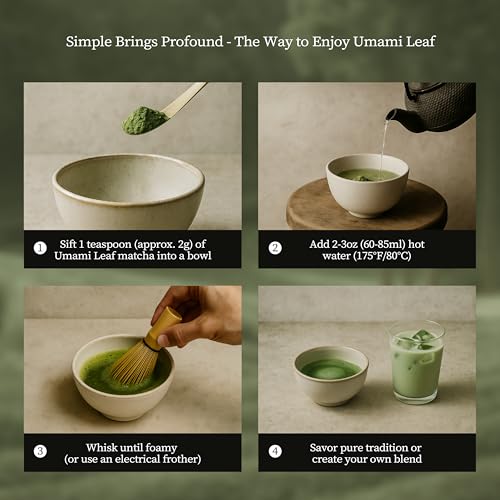
For this Umami Leaf ceremonial matcha, sift about 1-2 grams (roughly half a teaspoon) into a bowl, add a small amount of hot water (around 175°F / 80°C — not boiling), and whisk briskly with a bamboo chasen in a W or M motion until frothy. Reviewers say this particular matcha froths beautifully into a creamy foam and mixes easily without lumps, which makes the whole process forgiving. It also works great as a latte — just whisk with a little water first, then add steamed milk.
How to make a matcha latte with this Umami Leaf matcha?
Sift 1-2 grams of the matcha into a bowl or mug, add about 2 tablespoons of hot water (175°F), and whisk until smooth and frothy. Then pour in steamed or frothed milk of your choice — oat milk and whole milk both pair nicely with the creamy, umami-rich flavor. Reviewers say this matcha froths beautifully and creates a rich, creamy foam. The natural sweetness means you can skip the sweetener entirely, though a touch of honey works if you prefer it sweeter. It's also excellent iced — just shake with cold milk and ice.
As an Amazon Associate we earn from qualifying purchases.
How to make iced matcha with this ceremonial grade?
Sift your matcha into a glass, add a splash of hot water (just enough to dissolve — about 2 tablespoons), and whisk until smooth. Then pour over ice and top with cold water or cold milk for an iced latte. This Umami Leaf matcha works particularly well iced because the smooth, naturally sweet flavor comes through beautifully cold — no bitterness to fight against. Reviewers confirm it's great for both hot and iced preparations. You can also shake it with cold water and ice in a sealed bottle for a quick on-the-go drink.
How to make matcha tea without a whisk?
While a bamboo whisk gives the best results, this Umami Leaf matcha is more forgiving than most. The fine powder texture means it mixes more easily than coarser matchas. You can use a small regular whisk, a milk frother, or even shake it in a sealed jar or bottle with water. Several reviewers mention it blends smoothly without lumps regardless of method. For best results without a whisk, add a tiny bit of room-temperature water first and stir into a paste, then add the rest of your hot water — this prevents clumps.
How to make matcha as a beginner?
This Umami Leaf matcha is actually a great choice for beginners. Reviewers specifically note it whisks up easily without lumps and is very forgiving in preparation. Start simple: sift a half teaspoon into a mug, add about 2 ounces of hot (not boiling) water, and whisk until smooth. If you don't have a bamboo whisk yet, the fine powder texture means it dissolves more easily than cheaper matchas. The non-bitter, naturally sweet flavor is approachable even if you've never tried matcha before — several reviewers say it actually converted them from being non-green-tea drinkers into matcha lovers.
Is Starbucks matcha good for you compared to this?
Starbucks matcha is culinary grade mixed with sugar — it's a very different product from this Umami Leaf ceremonial grade. The Starbucks version is pre-sweetened, lower quality, and won't have the vibrant emerald color or smooth umami flavor that reviewers love about this matcha. Multiple reviewers specifically note that this Umami Leaf is superior to restaurant and coffee shop matcha. If you've only tried Starbucks matcha and thought 'meh,' this is a completely different experience — naturally sweet, no bitterness, and noticeably higher quality.
Can this matcha be used for baking or cooking?
You technically can, but it would be a waste of this particular matcha. This is ceremonial grade from Uji, Kyoto — it's designed to be enjoyed on its own where you can taste the smooth umami, natural sweetness, and complex flavor. Using it in baked goods where sugar, butter, and flour dominate would mask everything that makes it special. For baking, a culinary grade matcha at a lower price point would work just as well. Save this Umami Leaf for drinking — traditional whisked matcha, lattes, or iced preparations where the quality really shines through.
What's the best way to store this matcha?
This Umami Leaf matcha comes in a secure, airtight metal tin that reviewers appreciate for keeping the powder fresh. For best results, keep it sealed tight after each use, store it in a cool, dark place away from direct sunlight and heat, and try to use it within a month or two of opening. Matcha degrades with exposure to air, light, and moisture — the color will fade and the flavor will dull. The tin packaging helps, but don't leave the lid off while you're preparing your cup. One reviewer noted the lid can be messy if the tin tips on its side, so store it upright.
As an Amazon Associate we earn from qualifying purchases.
What is the difference between matcha and ceremonial grade matcha?
Regular matcha (often called culinary grade) is meant for cooking, baking, and blending into lattes — it tends to be more bitter and less vibrant in color. Ceremonial grade matcha like this Umami Leaf is made from the first harvest (ichiban) tea leaves, which are the most tender and nutrient-rich. The difference is immediately visible: reviewers rave about this matcha's vibrant emerald green color and smooth, non-bitter taste with natural sweetness. Culinary matcha would look duller and taste noticeably more astringent by comparison.
What does it mean if matcha is umami?
Umami is that savory, full-bodied depth of flavor — think of it as the 'fifth taste' beyond sweet, salty, sour, and bitter. In matcha, umami develops when tea plants are shade-grown before harvest, which increases amino acid content (especially L-theanine). This Umami Leaf matcha lives up to its name: reviewers describe the flavor as rich, creamy, and naturally sweet with distinct umami and earthy notes. It's that satisfying depth that separates high-quality ceremonial matcha from the thin, bitter stuff you might get at a chain coffee shop.
What is the highest quality matcha?
The highest quality matcha is ceremonial grade, first harvest (ichiban), sourced from Japan's premier growing regions — and Uji in Kyoto is widely considered the gold standard. This Umami Leaf matcha checks all those boxes: it's USDA organic, first harvest, from Uji, Kyoto. Reviewers who have compared matchas from multiple countries and brands confirm it delivers true ceremonial quality, with several noting it's superior to what they've been served at restaurants and tea shops.
Is it okay to drink ceremonial matcha every day?
Absolutely — many reviewers of this Umami Leaf matcha drink it as part of their daily morning routine and love it. It has moderate caffeine (less than coffee), and customers specifically mention it as their go-to morning pick-me-up. The smooth, non-bitter flavor makes it easy to enjoy every day without getting tired of it. Just keep in mind the 40g tin will go through quickly if you're drinking it daily — some regular users note it lasts only a couple of weeks.
Is it safe to drink matcha every day?
For most adults, yes — daily matcha consumption is considered safe and is very common in Japan. This Umami Leaf matcha is USDA certified organic, which means no synthetic pesticides to worry about with daily use. Reviewers who drink it every morning report positive experiences, particularly enjoying the consistent energy boost and the ritual it creates. The main practical concern isn't health — it's budget. At 40g per tin, daily drinkers will go through it quickly, which a few reviewers noted as their only real complaint.
Is matcha better for anxiety than coffee?
Many people find matcha easier on anxiety than coffee, and this Umami Leaf ceremonial grade is a good example of why. High-quality ceremonial matcha is rich in L-theanine, an amino acid that promotes calm focus. Reviewers describe the energy from this matcha as a smooth pick-me-up rather than a jolt, and several specifically mention the mindful ritual of preparing it as part of the calming experience. The moderate caffeine content paired with L-theanine tends to produce alertness without the anxious edge that coffee can trigger.
As an Amazon Associate we earn from qualifying purchases.
Is matcha higher in caffeine than coffee?
Cup for cup, matcha typically has less caffeine than coffee — a standard serving of matcha has around 60-70mg of caffeine compared to about 95mg in a cup of coffee. But matcha delivers its energy differently. Reviewers of this Umami Leaf matcha specifically mention it as a great morning pick-me-up, and the L-theanine naturally present in high-quality ceremonial matcha creates a calmer, more sustained alertness without the crash. Several customers switched from coffee to this matcha specifically for that smoother energy experience.
What are the health benefits of matcha?
Matcha is unique because you consume the entire tea leaf, so you get the full spectrum of nutrients: high levels of antioxidants (catechins, especially EGCG), L-theanine for calm focus, chlorophyll, vitamins, and minerals. This Umami Leaf ceremonial grade, being organic first harvest from Uji, sits at the top of the quality spectrum — first harvest leaves tend to have the highest L-theanine content. Reviewers consistently mention the smooth energy boost and the mindful ritual as tangible daily benefits they experience. The USDA organic certification also means no synthetic pesticides in what you're drinking.
Is matcha actually healthier than coffee?
Matcha offers some advantages over coffee: it's packed with antioxidants (catechins, especially EGCG), provides L-theanine for calm focus alongside its caffeine, and you're consuming the whole tea leaf rather than just an extract. Reviewers of this Umami Leaf matcha frequently mention the smooth, sustained energy without the coffee crash. That said, 'healthier' depends on your goals — coffee has its own antioxidant benefits. What you can say confidently is that this ceremonial grade matcha from Uji, organic and first harvest, is about as high-quality as matcha gets for maximizing those potential benefits.
Is a matcha latte good for you?
A matcha latte made with quality ceremonial matcha like this Umami Leaf is a solid choice — you're getting the antioxidants and L-theanine from the matcha, plus calcium and nutrients from your milk. The key difference from a Starbucks matcha latte is what you leave out: this matcha is naturally sweet and smooth enough that you don't need added sugar. Reviewers confirm the flavor works beautifully in lattes without sweetener. Just be mindful that 'good for you' depends on what else you add — a homemade latte with this matcha and unsweetened milk is much healthier than a sugar-loaded café version.
Which is healthier, matcha or coffee?
Both have merits, but matcha has a few unique advantages: higher antioxidant concentration, L-theanine for calm focus (coffee doesn't have this), and you consume the whole leaf. Coffee has more caffeine per cup and its own set of beneficial compounds. For this Umami Leaf matcha specifically, the ceremonial grade quality means maximum nutritional benefit from the first harvest leaves. Reviewers who switched from coffee report smoother energy without crashes. Ultimately, 'healthier' depends on your body — but if coffee makes you jittery or anxious, this matcha is worth trying as an alternative.
Do you mix matcha with water or milk?
Both work beautifully with this Umami Leaf matcha. For the traditional experience, mix with hot water — reviewers say the flavor is smooth enough to enjoy straight with no sweetener needed. For a latte, whisk the matcha with a small amount of water first to dissolve it, then add your choice of milk. Customers report using it for both morning lattes and traditional sipping, and it shines either way. The naturally sweet, creamy flavor profile means you really don't need to add sugar regardless of how you prepare it.
As an Amazon Associate we earn from qualifying purchases.
What is the 30/20/10 rule for matcha?
The 30/20/10 rule is a quick guide for matcha preparation: 30 seconds of whisking, 20 ounces of liquid (for a latte), and 10 grams of matcha (for multiple servings). However, for a single traditional cup, you'd use about 1-2 grams of powder. This Umami Leaf matcha is particularly easy to work with — reviewers say the fine powder texture means it froths up quickly and blends smoothly, so you may not even need the full 30 seconds of whisking to get a beautiful, creamy result.
How to prepare a matcha whisk before first use?
Before using a bamboo matcha whisk (chasen) for the first time, soak the tines in warm water for a minute or two to soften them — this makes them more flexible and less likely to break. Gently fan them outward. After each use, rinse with warm water (no soap), reshape the tines, and let it air dry on a whisk holder if you have one. The good news with this Umami Leaf matcha is that the fine powder texture means your whisk doesn't have to work as hard — it dissolves and froths more easily than coarser matchas, which extends your whisk's life too.
Why is Gen Z obsessed with matcha?
The matcha trend has exploded because it sits at the intersection of wellness, aesthetics, and ritual. That vibrant green color is incredibly photogenic — and reviewers of this Umami Leaf matcha specifically rave about its brilliant emerald green color. Beyond looks, younger drinkers are drawn to matcha as a coffee alternative that provides calm energy without jitters or crashes. The ritual of whisking also appeals to the mindfulness trend. This particular matcha is a good entry point: reviewers say it converted non-green-tea drinkers into matcha lovers because it's smooth, not bitter, and naturally sweet.
Is matcha good for your skin?
Matcha is rich in antioxidants, particularly EGCG, which has been studied for its anti-inflammatory and skin-protective properties. Ceremonial grade matcha like this Umami Leaf — being first harvest and organic — tends to have higher concentrations of these beneficial compounds compared to lower grades. While we can't make specific skin health claims, the antioxidant profile of high-quality matcha is well-documented. Reviewers focus more on the flavor and energy benefits, but the overall quality of this matcha means you're getting the full nutritional profile that matcha is known for.
What Makes This Product Special
⚠️ Preliminary analysis based on 22-review sample • Our methodology
- Smooth flavor with no bitterness (16 mentions)
- Vibrant emerald/brilliant green color (14 mentions)
- Fresh aroma and smell (11 mentions)
- Fine powder texture, mixes/whisks easily without lumps (10 mentions)
- Authentic Uji, Kyoto origin and quality (8 mentions)
- Froths beautifully into creamy foam (7 mentions)
- Natural sweetness, no sweetener needed (5 mentions)
- Secure, airtight metal tin packaging (5 mentions)
Taste Profile
- smooth
- creamy
- rich
- mellow
- naturally sweet
- clean
- full-bodied
Best Use Cases
🎯 Best For
- Traditional tea ceremonies
- Morning matcha lattes
- Special sipping experiences
- Daily mindful cup at home
- Hot or iced beverages
What to Consider
- Small tin size, goes quickly for regular users (3 mentions)
- Price is steep for the quantity (2 mentions)
- Tin lid can be messy if tipped on side, powder spills out (1 mentions)
⚠️ based on 22-review sample. Some issues may not be captured.
About This Analysis
This analysis is based on 22 customer reviews. We're showing you everything we found, but with a moderate sample, there's a lot we likely haven't captured yet.
✅ What we're confident about: What customers love and best use cases
⚠️ What may be incomplete: Potential issues and considerations
For more perspectives, check customer reviews on Amazon.
Product Selection
In short: We only feature high-rated products.
Products on TeaDelight.net are selected based on strong Amazon customer ratings, sufficient review volume, and market presence. We focus on well-regarded products that tea enthusiasts are actively considering and purchasing.
As an Amazon Associate we earn from qualifying purchases.
You Might Also Like

✅ Vibrant, bright green color indicating freshness and quality
35°N MATCHA Organic Ceremonial Grade Matcha Powder

✅ Starbucks taste similarity
Jade Leaf Matcha Latte Mix Bundle (500g)

✅ taste/flavor
Jade Leaf Matcha Latte Mix Bundle (1kg)

✅ Smooth, creamy texture that blends easily