
Available Alternatives

✅ Vibrant, bright green color indicating freshness and quality
35°N MATCHA Organic Ceremonial Grade Matcha Powder

✅ Starbucks taste similarity
Jade Leaf Matcha Latte Mix Bundle (500g)

✅ taste/flavor
Jade Leaf Matcha Latte Mix Bundle (1kg)

✅ Smooth, creamy texture that blends easily
Jade Leaf Cafe Style Sweetened Matcha Latte Mix



We analyze real customer reviews to surface what matters: key strengths, ideal use cases, and honest considerations — so you can make an informed choice.
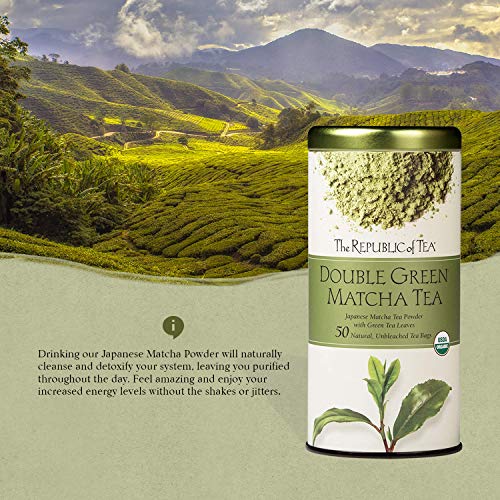
The Republic of Tea Double Green Matcha Tea Bags
A smooth, approachable matcha blend in convenient tea bag form — stone-ground Japanese tencha that skips the whisk without sacrificing character.
🎯 Best for: Afternoon tea routine, Daily digestive support
🍃 Tastes like: matcha, green tea

🍃 Flavor Profile
Strength: Moderate
Notes: matcha, green tea
✅ What Customers Love
- Smooth flavor without bitterness (3 mentions)
- Consistent quality/taste (1 mentions)
- Convenient tea bag format (no straining needed) (1 mentions)
🎯 Best For
Afternoon tea routine • Daily digestive support • Regular consumption (1-2 cups daily)
Brand: The Republic of Tea
Category: Matcha
As an Amazon Associate we earn from qualifying purchases.
About This Matcha
This blend combines organic, stone-ground Japanese tencha with green tea for a matcha experience that's notably smooth and free of harsh bitterness. The tea bag format delivers consistent results without measuring, straining, or a bamboo whisk — an uncommon convenience in the matcha category. Reviewers find it reliable for daily digestive support, noting it settles the stomach with regular use. The bags lack individual wrapping and strings, which may matter for those drinking on the go. Best suited to those building a daily matcha habit who value consistency over traditional preparation ritual.
Is The Republic of Tea Double Green Matcha Tea Bags Right for You?
What does Republic of Tea Double Green Matcha taste like?
Reviewers consistently describe it as smooth with a moderate matcha-green tea flavor that's not overpoweringly bitter — which is the main complaint people have about lower-quality matcha products. You get genuine matcha and green tea notes without any harsh or astringent finish. The flavor strength is moderate, not bold or grassy like pure ceremonial matcha, making it very approachable for daily drinking. Multiple reviewers specifically mention the lack of bitterness as a standout quality.
Does this matcha tea help with digestion?
Multiple reviewers specifically mention digestive benefits from drinking this tea regularly. They report it helps settle their stomach and reduces bloating. While matcha and green tea do have documented anti-inflammatory properties that can support gut health, individual results will vary. The pattern in reviews suggests it's a genuine benefit for many people, not just a one-off claim. Reviewers who drink 1-2 cups daily as part of their routine are the ones most likely to notice the digestive improvements.
Is double green matcha tea healthy?
Yes, this Double Green Matcha combines two sources of green tea goodness — organic stone-ground Japanese tencha leaves (that's the matcha) plus green tea leaves. Matcha is well known for its antioxidant content, particularly EGCG. Several reviewers of this specific blend also report digestive benefits, noting it helps settle their stomach and reduces bloating. Since it's 100% organic and uses natural unbleached tea bags, you're not getting any unwanted chemicals in the mix either.
Is this matcha good for beginners?
It's actually one of the best starting points for matcha newcomers. Three things make it beginner-friendly: the tea bag format means no whisking or special tools — just steep like any regular tea. The flavor is smooth and not intimidating — no harsh bitterness that turns first-timers off matcha. And you get consistent results every time, so you're not trying to nail a technique. Reviewers who are new to matcha appreciate how simple and approachable it is compared to dealing with loose matcha powder.
How many tea bags come in a container?
You get 50 natural unbleached tea bags per container. The container itself has a tight reseal that reviewers appreciate for keeping the tea fresh, since the individual bags aren't wrapped separately. At one cup a day, that's nearly two months of tea per container.
What are the cons of matcha tea?
For matcha in general: it still contains caffeine (so avoid it late in the day), and low-quality matcha can taste quite bitter. For this specific product, reviewers note it's more expensive than supermarket green tea brands — though many say it's 'worth the indulgence.' The tea bags aren't individually wrapped, which makes them less portable, and they don't have strings, which is a minor annoyance for some people. On the taste side though, bitterness isn't an issue here — reviewers consistently describe this blend as smooth and not overpoweringly bitter.
As an Amazon Associate we earn from qualifying purchases.
How do you brew matcha tea bags like these?
Brewing these is much simpler than traditional matcha preparation — that's one of the main appeals. Just place a tea bag in your cup, pour hot water over it (ideally around 175°F / 80°C, not boiling), and steep for 2-3 minutes. No whisking, no sifting, no special tools needed. Reviewers specifically mention the convenience of this format — you get matcha flavor without any of the preparation fuss. The result is a smooth, moderate-strength matcha-green tea that isn't overpoweringly bitter.
Is this matcha tea organic?
Yes, it's 100% organic. The Republic of Tea uses organic stone-ground Japanese tencha leaves for the matcha component, and the tea bags themselves are natural and unbleached. If avoiding pesticides and synthetic chemicals in your tea is important to you, this checks all the boxes.
How much caffeine is in the Republic of Tea Double Green Matcha?
The Republic of Tea lists this as a moderate-caffeine tea. Because it blends matcha powder with green tea leaves, you're getting caffeine from both sources — roughly in the range of 40-60mg per cup, which is less than a typical cup of coffee but more than a standard green tea. The matcha component delivers its caffeine alongside L-theanine, which tends to produce a calmer, more sustained energy than coffee's spike-and-crash.
What kind of tea bags does the Republic of Tea use?
This product uses natural unbleached tea bags — no chlorine or chemicals in the bleaching process. One thing to know: the tea bags don't have strings attached, so you'll just drop them directly into your cup. They also aren't individually wrapped, which some people find less convenient for travel but does mean less packaging waste. The container itself gets praise from reviewers for having a good tight reseal that keeps the tea fresh.
How to make matcha as a beginner?
This is actually an ideal beginner matcha product. Traditional matcha powder requires a bamboo whisk, specific water temperature, sifting, and technique — which can be intimidating. The Republic of Tea's Double Green Matcha skips all of that. You just steep a tea bag in hot water for a few minutes. Reviewers note the flavor is smooth and not overly bitter, which is exactly what beginners want. You get the matcha experience without the learning curve. Start with one cup a day and see how you like it before building up to the 1-2 cups daily that regular drinkers enjoy.
Who is this matcha tea best for?
This product hits a sweet spot for a few types of tea drinkers. It's ideal for matcha beginners who want the benefits without the learning curve of whisking powder. It's great for busy people who want quality matcha in a convenient format — just steep and go. Daily tea drinkers looking for digestive support and smooth, consistent flavor will appreciate it. And it works for matcha enthusiasts who want a quick weekday option alongside their ceremonial-grade powder for special occasions. It's less ideal for hardcore matcha purists who only want the pure powder experience.
As an Amazon Associate we earn from qualifying purchases.
When is the best time to drink this matcha tea?
Reviewers most commonly drink this as part of an afternoon tea routine — it provides a gentle energy lift without the crash that a second cup of coffee might bring. The moderate caffeine level makes it ideal for midday. It's also fine in the morning if you prefer a lighter caffeine start to your day. Avoid it close to bedtime since it does contain caffeine. If you're drinking it for the digestive benefits reviewers mention, having it after a meal is a natural fit.
How does this compare to pure matcha powder?
This is a different experience from whisking pure matcha powder. The Double Green Matcha blends stone-ground matcha with green tea leaves in a tea bag, so the matcha flavor is present but more moderate than a bowl of straight ceremonial matcha. You lose some of the intensity and the thick, creamy texture of whisked matcha, but you gain massive convenience — no bamboo whisk, no sifting, no technique. For daily drinking it's a practical trade-off. Matcha purists may want this alongside their powder for those days when they just want something quick.
How to make matcha tea without a whisk?
With this product, you don't need one at all — that's the whole point. The matcha powder is already blended with green tea leaves inside the tea bag, so you just steep it like any regular tea. No whisking, no sifting, no special equipment. If you're using loose matcha powder separately, you can shake it in a sealed jar with water, use a milk frother, or even just stir vigorously with a fork. But the Double Green Matcha tea bags eliminate that problem entirely.
How to make iced matcha with tea bags?
Steep one or two tea bags in a small amount of hot water (about 4-6 oz) for 3-4 minutes to get a concentrated brew. Remove the bags, then pour the tea over a full glass of ice. The smooth, non-bitter flavor profile of this blend works particularly well iced because you won't get that harsh astringent taste some green teas develop when cold. You can also add a splash of milk or a bit of honey if you like. Some people cold-brew by putting a couple tea bags in cold water in the fridge overnight.
Do you mix matcha with water or milk?
Traditional matcha is whisked with hot water, and these tea bags are designed to steep in hot water. That said, you can absolutely make a latte-style drink by steeping the tea bag in a small amount of hot water and then adding steamed or frothed milk. The smooth, non-bitter flavor profile of this particular blend works well with milk. For everyday drinking, most reviewers seem to enjoy it straight with just hot water — the flavor is pleasant enough that it doesn't need milk to mask any bitterness.
Is it safe to drink matcha every day?
For most adults, yes. Matcha has been consumed daily in Japan for centuries. Reviewers of this specific product commonly drink 1-2 cups daily as part of their regular routine, with some specifically noting it as part of their afternoon tea habit. Several also report ongoing digestive benefits from regular use — less bloating and a settled stomach. As with any caffeinated tea, just be mindful of your total daily caffeine intake, especially if you're pregnant or sensitive to caffeine.
As an Amazon Associate we earn from qualifying purchases.
What is the best brand of matcha green tea to buy?
It depends on what format you're looking for. If you want the convenience of tea bags rather than loose matcha powder, The Republic of Tea's Double Green Matcha is a strong option — reviewers praise its smooth flavor and consistent quality. It uses organic stone-ground Japanese tencha leaves, which is a legitimate matcha source. If you're a matcha purist who wants to whisk ceremonial-grade powder, you'd look at brands like Ippodo or Marukyu Koyamaen. But for an everyday tea bag that genuinely delivers matcha flavor without the preparation ritual, this one hits a nice sweet spot.
What is the highest quality matcha?
The highest quality matcha is ceremonial grade, made from the youngest tea leaves with stems and veins removed, stone-ground into a fine powder. The Republic of Tea's Double Green Matcha uses organic stone-ground Japanese tencha leaves — tencha is the same leaf used for ceremonial matcha. However, this is a blended tea bag product rather than pure ceremonial-grade powder, so it's designed for convenience and everyday drinking rather than traditional tea ceremony preparation. Reviewers who are familiar with quality matcha brands still appreciate the flavor of this blend.
What are the health benefits of matcha?
Matcha offers a concentrated dose of green tea benefits since you're consuming the ground leaf itself. Key benefits include high antioxidant content (EGCG), L-theanine for calm mental focus, and a gentler caffeine experience than coffee. Specific to this product, reviewers report digestive benefits — settling the stomach and reducing bloating with regular use. The 100% organic certification and stone-ground Japanese tencha leaves mean you're getting quality matcha without pesticide concerns. At 1-2 cups daily, it fits easily into a wellness routine.
Is matcha better for anxiety than coffee?
Many people find it to be, yes. Matcha naturally contains L-theanine, which promotes relaxation without drowsiness and can take the edge off caffeine's stimulating effects. This Double Green Matcha has a moderate caffeine level — noticeably less than coffee — so it delivers gentle energy without the anxious jitters some coffee drinkers experience. It's not a treatment for anxiety, but if coffee makes you feel wired or on edge, switching to a matcha tea like this one is a common and often effective change.
Is matcha higher in caffeine than coffee?
Pure matcha powder can have comparable caffeine to coffee (around 70mg per serving), but this Double Green Matcha tea bag format delivers a moderate amount — less than coffee but more than standard green tea. The key difference is how the caffeine feels. Matcha contains L-theanine, an amino acid that promotes calm focus, so you tend to get a smoother energy lift without the jitters or crash that coffee can cause. Many people switch to matcha specifically for that reason.
Is matcha actually healthier than coffee?
They offer different health profiles. Matcha brings high antioxidant levels (especially EGCG), L-theanine for calm focus, and the benefits of consuming the whole tea leaf. Coffee has its own antioxidants and research-backed benefits. Where matcha often wins for daily drinkers is the smoother energy curve — less jitter, less crash. This particular blend adds digestive benefits that reviewers specifically mention, including reduced bloating. Neither is universally 'healthier' — it depends on your body and what you're optimizing for.
As an Amazon Associate we earn from qualifying purchases.
Which is healthier, matcha or coffee?
Both have legitimate health benefits, but they work differently. Matcha delivers more antioxidants per cup, provides L-theanine for focused calm, and — in the case of this product — reviewers report digestive benefits like reduced bloating. Coffee tends to have more caffeine and can cause jitters and energy crashes in sensitive individuals. If you're choosing between them for daily wellness, matcha offers a gentler, more balanced experience. Many people keep both in their routine but lean on matcha for their afternoon cup, which is exactly how reviewers use this product.
How to make matcha latte with tea bags?
Steep one tea bag in about 4 ounces of hot water (175°F) for 3-4 minutes to create a strong matcha concentrate. Remove the bag, then add 6-8 ounces of steamed or frothed milk — oat milk and whole milk both work well with matcha's grassy notes. Add sweetener if you like. It won't be identical to a latte made with pure matcha powder, but the smooth, moderate flavor of this blend makes a pleasant latte-style drink with a lot less effort.
Is matcha latte good for you?
A matcha latte made with this tea would be a healthier option than many coffee shop drinks. The matcha base delivers antioxidants and L-theanine, and reviewers note digestive benefits from regular consumption. The health factor depends on what you add — steaming plain milk keeps it clean, while sugary syrups add empty calories. You can steep one of these tea bags in a small amount of hot water, add your milk of choice, and have a simple homemade matcha latte that's both tasty and genuinely good for you.
What Customers Love
⚠️ Limited sample based on limited customer feedback (9 reviews) • Our methodology
- Smooth flavor without bitterness (3 mentions)
- Consistent quality/taste (1 mentions)
- Convenient tea bag format (no straining needed) (1 mentions)
- Good container with tight reseal (1 mentions)
Taste Profile
- smooth
- not overpoweringly bitter
- pleasant
Best Use Cases
🎯 Best For
- Afternoon tea routine
- Daily digestive support
- Regular consumption (1-2 cups daily)
What to Consider
- Expensive compared to supermarket brands (2 mentions)
- Tea bags not individually wrapped (1 mentions)
- No strings on tea bags (1 mentions)
⚠️ Important: This analysis is based on limited customer feedback (9 reviews). We've shared what we found, but there may be additional considerations we haven't captured.
About This Analysis
This analysis is based on 9 customer reviews. We're showing you everything we found, but with a small sample, there's a lot we likely haven't captured yet.
✅ What we're confident about: What customers love and best use cases
⚠️ What may be incomplete: Potential issues and considerations
For more perspectives, check customer reviews on Amazon.
Product Selection
In short: We only feature high-rated products.
Products on TeaDelight.net are selected based on strong Amazon customer ratings, sufficient review volume, and market presence. We focus on well-regarded products that tea enthusiasts are actively considering and purchasing.
As an Amazon Associate we earn from qualifying purchases.