


We analyze real customer reviews to surface what matters: key strengths, ideal use cases, and honest considerations — so you can make an informed choice.
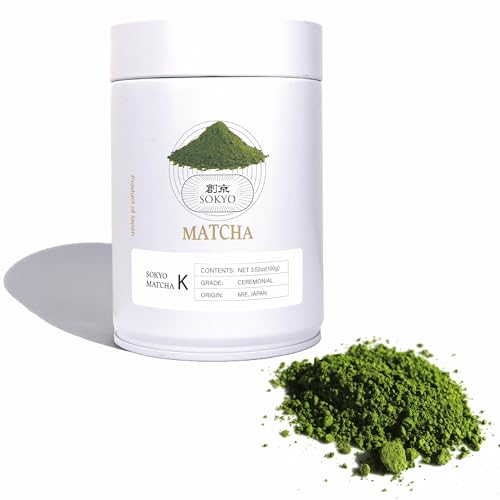
SOKYO Ceremonial Matcha Powder
A ceremonial-grade matcha with mellow umami depth, natural honey sweetness, and a silky texture that whisks into a froth-ready, clean cup without bitterness.
🎯 Best for: Traditional ceremonial preparation, Matcha lattes (hot and iced)
🍃 Tastes like: earthy, grassy, sweet honey

What Stands Out
🍃 Flavor Profile
Strength: Moderate
Notes: earthy, grassy, sweet honey
✅ What Customers Love
- Vibrant, bright green color indicating freshness and quality (15 mentions)
- Smooth, not bitter taste with natural sweetness (14 mentions)
- Strong umami flavor profile (10 mentions)
🎯 Best For
Traditional ceremonial preparation • Matcha lattes (hot and iced) • Daily matcha routine • Morning/afternoon energy
Brand: SOKYO
Category: Matcha
As an Amazon Associate we earn from qualifying purchases.
About This Matcha
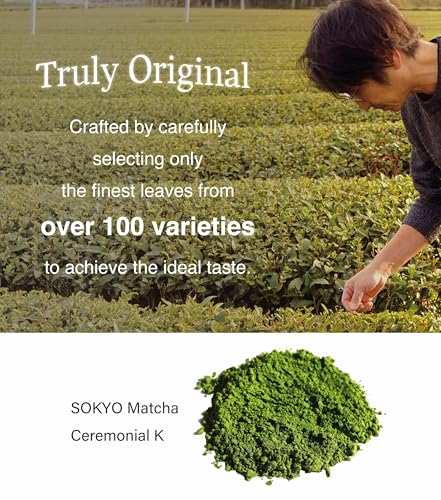
Sourced from Japan's Fuji and Mie regions, SOKYO's ceremonial matcha delivers honey sweetness, cream, and chestnut notes with a pronounced umami depth and no bitterness. The fine powder whisks cleanly into a silky, velvety froth with a fragrant, grassy aroma. Reviewers note it can need slightly more powder than some brands to reach full intensity, and the mouthfeel carries mild chalkiness. It performs well whisked traditionally at 80-90°C and equally well steamed into a hot or iced latte. A strong fit for daily matcha routines, beginners looking for an approachable ceremonial grade, and gift-givers.
Is SOKYO Ceremonial Matcha Powder Right for You?
What does SOKYO matcha taste like?
Reviewers describe SOKYO's Mie Ceremonial as smooth, balanced, and not bitter — which is a big deal in the matcha world. The dominant notes are earthy and grassy with surprising complexity: hints of sweet honey, cream, walnut, chestnut, jasmine, and even toasted rice come through. The umami is present but mellow rather than punchy. Multiple reviewers call it 'velvety' and 'silky.' It's a moderate-strength matcha, so if you want something that hits you over the head with intensity, you might want to use a bit more powder per serving.
Is SOKYO matcha good for beginners?
It's one of the better choices for beginners, actually. Reviewers specifically recommend it as a 'great starter matcha' because the flavor is smooth and approachable without the bitterness that scares people away from matcha. The preparation is forgiving even with basic tools — you don't need a perfect technique to get good results. Clear instructions are included, and the fine powder dissolves without much clumping. If you've been matcha-curious but worried about that seaweed-like taste some matchas have, SOKYO is a gentle introduction.
What is the best matcha brand for ceremonial grade?
That depends on your budget and experience level. SOKYO's Mie Ceremonial is a strong contender — reviewers highlight its vibrant green color, smooth umami flavor, and lack of bitterness. Some experienced matcha drinkers do mention that brands like Ippodo and FKRO offer more complexity at a similar price point, but SOKYO stands out for its approachability and the way it rewards both traditional preparation and latte-making. If you're newer to matcha, SOKYO is frequently recommended as an excellent starting point for ceremonial grade.
How does SOKYO compare to other ceremonial grade matchas?
SOKYO sits comfortably in the mid-to-upper range of ceremonial matchas. Its strengths are the vibrant green color, smooth non-bitter flavor, and strong umami — all confirmed by dozens of reviewers. Where it shows its limits compared to premium brands like Ippodo or FKRO is in grind fineness (slightly coarser) and depth of complexity. Some experienced drinkers note the umami is a touch weaker than expected for the price. But for the combination of quality, approachability, and the generous 100g tin size, many feel it offers good value.
Where is SOKYO matcha sourced from?
SOKYO's ceremonial matcha is sourced from the Mie prefecture in Japan, a well-regarded tea-growing region. Reviewers appreciate the authentic Japanese sourcing, and the quality indicators — vibrant bright green color, fresh fragrant aroma upon opening, and genuine umami flavor — all confirm it's legitimate Japanese matcha rather than a Chinese-grown alternative marketed as Japanese. The Mie region is known for producing quality tea leaves, though it's less famous than Uji or Nishio among matcha connoisseurs.
How much SOKYO matcha should I use per serving?
The standard serving is about 2 grams (roughly 1 teaspoon) for a traditional bowl or latte. However, some SOKYO reviewers note that they need to use a bit more powder than with some other brands to get their desired flavor intensity, since this is a moderate-strength matcha. If you find the first cup too mild, try bumping up to 2.5 grams. The 100g tin gives you approximately 40-50 servings at standard measurements, or a few less if you like it stronger.
As an Amazon Associate we earn from qualifying purchases.
Do you mix matcha with water or milk?
Both work beautifully with SOKYO matcha, and reviewers enjoy it prepared either way. For the full ceremonial experience that lets you taste the umami, earthy sweetness, and jasmine-like notes, go with hot water. For a creamier, more indulgent drink, make a matcha latte with your preferred milk. Multiple reviewers specifically call out SOKYO as excellent for lattes, both hot and iced. The smooth, non-bitter profile means it pairs well with milk without needing sweetener.
How to make a matcha latte with SOKYO matcha?
SOKYO works especially well for lattes — it's one of the things reviewers rave about. First, whisk about 2 grams of SOKYO matcha with a couple tablespoons of hot water (80°C) until you get a smooth, bright green paste with no lumps. Then pour in your steamed or frothed milk of choice — about 6 to 8 ounces. The smooth, non-bitter profile means many people skip the sweetener entirely, though a touch of honey complements the natural honey-like sweetness that reviewers detect in this matcha.
How to make iced matcha with SOKYO?
Iced matcha is one of the preparations reviewers specifically praise SOKYO for. Whisk 2 grams of matcha with just a couple tablespoons of hot water to dissolve it into a smooth paste — this step matters because matcha won't dissolve in cold water alone. Then pour over a glass full of ice, add cold water or cold milk, and stir. The vibrant green color really pops in a clear glass, and that smooth, naturally sweet flavor profile works beautifully cold without added sugar.
How do you brew SOKYO ceremonial matcha?
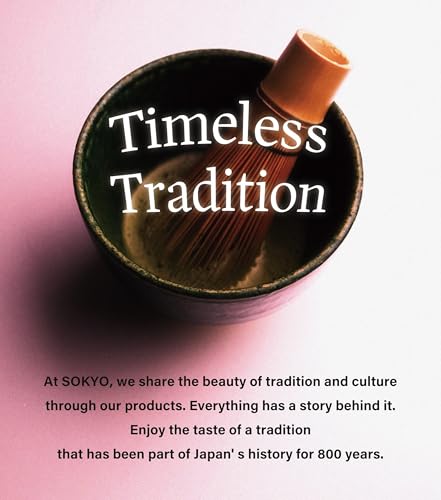
For traditional preparation, sift about 2 grams (roughly 1 teaspoon) of SOKYO matcha into a bowl, add a small amount of water heated to 80-90°C (not boiling — that's key), and whisk vigorously in a W or M motion with a bamboo chasen until frothy. Reviewers note that SOKYO whisks and froths well without clumping, and the clear instructions included with the product help beginners get it right. For the best flavor, avoid boiling water — it can draw out bitterness even from a smooth matcha like this one.
How to make matcha as a beginner?
SOKYO is actually a great choice for beginners — reviewers consistently mention its forgiving preparation and approachable flavor. Start simple: sift a teaspoon of matcha into a cup to break up clumps, add about 2 ounces of hot (not boiling) water around 80°C, and whisk until smooth and slightly frothy. You don't even need a traditional bamboo whisk to start — a small regular whisk or even a milk frother works. SOKYO includes clear instructions, and the powder's fine texture makes it easier to get a smooth result even with basic tools.
Does SOKYO matcha have a strong smell?
Yes — and in the best way. Fresh, fragrant aroma is one of the most-praised qualities in reviews, with 8 separate mentions. One reviewer went so far as to say the aroma is 'literally addictive' and comparable to perfume. A strong, fresh vegetal scent when you open the tin is actually a sign of quality and freshness in matcha. If your matcha smells flat or hay-like, that's a red flag. SOKYO clearly passes the aroma test.
As an Amazon Associate we earn from qualifying purchases.
Does SOKYO matcha dissolve well?
Mostly yes. Reviewers praise the fine powder texture and note that it whisks and froths well without clumping — 9 separate mentions highlight this. That said, a couple of reviewers did notice a slightly coarser grind compared to top-tier matchas, and occasional chalkiness in mouthfeel. Sifting the powder before whisking helps significantly, and using water at the right temperature (80-90°C) rather than boiling also improves how smoothly it dissolves.
Can SOKYO matcha be used as a coffee replacement?
Absolutely — this is one of the most common use cases reviewers mention. SOKYO provides a validated energy boost without the jitters, crashes, or acid reflux that coffee causes for some people. The caffeine content is lower per cup than coffee but sustained longer thanks to L-theanine. Reviewers who made the switch describe it as a smoother, more balanced alertness. The ritual of preparing matcha also replaces the coffee-making ritual, which helps psychologically with the transition.
Can you use SOKYO ceremonial matcha for baking?
You can, but most reviewers say you shouldn't — they feel it's too good to waste in recipes where the subtle flavor nuances get buried by sugar, butter, and heat. Ceremonial matcha like SOKYO is designed to shine on its own. For baking, a culinary grade matcha at a lower price point will give you the green color and general matcha flavor you need. Save the SOKYO for drinking where you can actually taste those honey, cream, and umami notes.
Is SOKYO matcha good for gifting?
Reviewers mention using it for gifts and special occasions, and it has several qualities that make it gift-worthy: the ceremonial grade designation, authentic Japanese sourcing from Mie prefecture, vibrant green color that looks impressive, and a flavor profile that's approachable enough for someone new to matcha. The 100g size is generous for a gift. Just note that the recipient will need a way to prepare it — a bamboo whisk or milk frother makes a nice pairing gift.
What is the difference between matcha powder and ceremonial matcha?
Ceremonial grade matcha like SOKYO's is meant to be enjoyed on its own whisked with water, the way it's prepared in traditional Japanese tea ceremonies. It's made from younger, more tender tea leaves and stone-ground to a finer powder than culinary grade. The result is a smoother, less bitter taste with more umami and natural sweetness. SOKYO's ceremonial matcha has that vibrant bright green color and smooth, velvety mouthfeel that sets it apart from cooking-grade powders, though a few reviewers note it's slightly coarser than the absolute top-tier matchas.
Is Starbucks matcha good for you?
Starbucks matcha lattes use a pre-sweetened matcha powder blend that's quite different from pure ceremonial matcha like SOKYO's. The Starbucks version contains added sugar as the first ingredient, which changes the health equation significantly. SOKYO's Mie Ceremonial is pure matcha — nothing added — so you control exactly what goes into your drink. If you enjoy Starbucks matcha lattes, making your own with SOKYO and your preferred milk is a healthier (and often tastier) alternative.
As an Amazon Associate we earn from qualifying purchases.
How to make matcha tea without a whisk?
While a bamboo chasen gives the most traditional froth, SOKYO's fine powder texture makes it workable with alternatives. A handheld milk frother is the easiest substitute — it creates great foam in seconds. You can also use a small wire whisk, shake it vigorously in a sealed jar, or even blend it in a blender. Reviewers note that SOKYO whisks well and doesn't clump easily, which helps regardless of your tool. The key is getting that initial paste smooth with a small amount of water before adding the rest.
What does ceremonial matcha do to your body?
Reviewers of SOKYO's ceremonial matcha consistently mention a clean energy boost without the jitters or crash they get from coffee. Matcha contains L-theanine alongside caffeine, which promotes calm alertness rather than the spike-and-crash cycle. Several customers specifically note it 'raises energy on cold days' and works well as a daily coffee alternative. Matcha is also rich in antioxidants, particularly catechins, which support overall health.
Is matcha better for anxiety than coffee?
Many people find it is, and SOKYO reviewers back this up. The key difference is L-theanine, an amino acid naturally present in matcha that promotes calm focus. Reviewers consistently describe SOKYO's energy boost as smooth and jitter-free — the opposite of coffee's sometimes anxious buzz. If coffee makes you feel wired or on-edge, switching to a ceremonial matcha like SOKYO could be worth trying. The mellow, smooth flavor profile also makes the drinking experience itself more calming.
Is matcha higher in caffeine than coffee?
Cup for cup, a standard serving of matcha has less caffeine than coffee — roughly 60-70mg per serving compared to 95-200mg in coffee. But the experience feels different. SOKYO customers specifically mention getting a clean energy boost without jitters, which is because matcha's L-theanine slows the caffeine release. You get sustained alertness rather than a spike. Many reviewers switched to SOKYO matcha as their daily coffee replacement precisely for this reason.
Is a matcha latte good for you?
A matcha latte made with SOKYO ceremonial matcha retains all the antioxidant and L-theanine benefits of straight matcha. The health factor depends mostly on what you add — using whole milk and lots of sugar turns it into more of an indulgence. Many SOKYO reviewers mention that the matcha's natural sweetness and smooth, non-bitter profile means they can skip the sweetener entirely in lattes, which keeps it healthier. For the best of both worlds, try it with unsweetened oat or almond milk.
How should I store SOKYO matcha to keep it fresh?
Matcha is sensitive to light, heat, air, and moisture — all of which degrade the vibrant color and fresh flavor that reviewers love about SOKYO. Keep it in an airtight container in a cool, dark place. Once opened, the fridge is ideal but make sure the container is truly sealed to prevent moisture and food odors from getting in. Use it within 1-2 months of opening for the best flavor. That fresh, fragrant aroma reviewers rave about won't last forever — matcha is best enjoyed while it's still vivid green.
As an Amazon Associate we earn from qualifying purchases.
What are the health benefits of matcha?
Matcha offers concentrated antioxidants (especially EGCG catechins), L-theanine for calm focus, and a gentler caffeine experience than coffee. Because you consume the entire ground tea leaf rather than steeping and discarding, you get more of the plant's nutrients. SOKYO customers specifically highlight the energy boost without jitters and its effectiveness as a daily coffee alternative. Some reviewers even describe the aroma as 'literally addictive.' Beyond the anecdotal, research supports matcha's role in supporting heart health, metabolism, and cognitive function.
What is the highest quality matcha?
The highest quality matcha comes from first-harvest tea leaves that are shade-grown for several weeks, stone-ground, and sourced from renowned Japanese regions. SOKYO's matcha is sourced from the Mie region of Japan, a respected tea-growing area. While reviewers praise its vibrant color and authentic quality, some experienced matcha drinkers note that the very top tier — think competition-grade from Uji or Nishio — can offer even more complexity. For most people, SOKYO's ceremonial grade hits a sweet spot of genuine quality without the extreme price tag of ultra-premium matcha.
Is it safe to drink matcha every day?
For most adults, yes. Matcha has been consumed daily in Japan for centuries. The caffeine content is moderate — lower than coffee — and it comes with L-theanine which smooths out the stimulant effect. SOKYO customers who drink it daily report sustained energy without jitters. The main consideration is that matcha contains some lead absorbed from the soil (as do all tea leaves), so most experts suggest keeping it to 1-2 servings per day. Pregnant women and children should consult their doctor about caffeine intake.
Is matcha actually healthier than coffee?
They're healthy in different ways, but matcha has some unique advantages. It delivers caffeine alongside L-theanine for calmer energy — SOKYO reviewers specifically praise the jitter-free boost. Matcha is also richer in antioxidants than coffee, particularly EGCG catechins. You consume the whole tea leaf rather than just a brew, so you get more of the plant's nutrients. Coffee has its own benefits (like chlorogenic acid), but if you're looking for steady energy without anxiety, matcha like SOKYO's ceremonial grade is worth considering.
What Makes This Product Special
⚠️ Preliminary analysis based on 24-review sample • Our methodology
- Vibrant, bright green color indicating freshness and quality (15 mentions)
- Smooth, not bitter taste with natural sweetness (14 mentions)
- Strong umami flavor profile (10 mentions)
- Fine powder texture that whisks/froths well without clumping (9 mentions)
- Fresh, fragrant aroma upon opening (8 mentions)
- Authentic Japanese quality and sourcing (7 mentions)
- Good value/fair price for ceremonial grade quality (6 mentions)
- Excellent for lattes and traditional preparation (5 mentions)
Taste Profile
- smooth
- balanced
- mellow
- silky
- velvety
- rich
- umami
- not bitter
- clean
Best Use Cases
🎯 Best For
- Traditional ceremonial preparation
- Matcha lattes (hot and iced)
- Daily matcha routine
- Morning/afternoon energy
- Gifts and special occasions
⚠️ Not Ideal For
- Baking/cooking (reviewers felt it's too good to waste in recipes)
What to Consider
- Slightly coarser grind/grainy texture compared to highest grade matcha (3 mentions)
- Requires more powder than some brands to achieve desired flavor strength (2 mentions)
- Some chalkiness in mouthfeel (2 mentions)
- Darker green color may indicate more sun exposure than premium grades (1 mentions)
- Umami weaker than expected at this price point (1 mentions)
⚠️ based on 24-review sample. Some issues may not be captured.
About This Analysis
This analysis is based on 24 customer reviews. We're showing you everything we found, but with a moderate sample, there's a lot we likely haven't captured yet.
✅ What we're confident about: What customers love and best use cases
⚠️ What may be incomplete: Potential issues and considerations
For more perspectives, check customer reviews on Amazon.
Product Selection
In short: We only feature high-rated products.
Products on TeaDelight.net are selected based on strong Amazon customer ratings, sufficient review volume, and market presence. We focus on well-regarded products that tea enthusiasts are actively considering and purchasing.
As an Amazon Associate we earn from qualifying purchases.
You Might Also Like

✅ Vibrant, bright green color indicating freshness and quality
35°N MATCHA Organic Ceremonial Grade Matcha Powder

✅ Starbucks taste similarity
Jade Leaf Matcha Latte Mix Bundle (500g)

✅ taste/flavor
Jade Leaf Matcha Latte Mix Bundle (1kg)

✅ Smooth, creamy texture that blends easily