
Available Alternatives
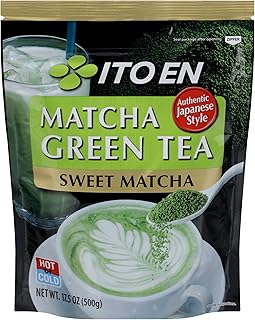
✅ Sweet, balanced flavor that softens matcha's natural edge
Ito En Matcha Green Tea Sweet Powder
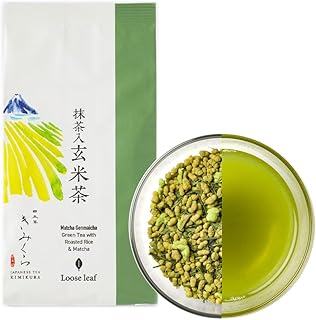
✅ Visibly vivid, deeply green brew from the matcha dusting
KIMIKURA Matcha Genmaicha Green Tea

✅ smooth, earthy flavor profile
SEN CHA Naturals Organic Everyday Matcha Powder

✅ Smooth, not overpoweringly bitter
The Republic of Tea Double Green Matcha Tea Bags


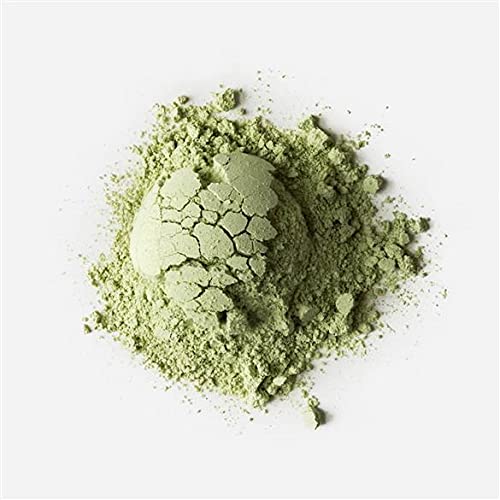


We analyze real customer reviews to surface what matters: key strengths, ideal use cases, and honest considerations — so you can make an informed choice.
Rishi Tea Sweet Matcha Green Tea Powder
A pre-sweetened matcha-latte powder built for milk and ice — Rishi's everyday cup rather than a ceremonial whisking ritual.
🎯 Best for: daily matcha lattes with milk, iced matcha preparations
🍃 Strength: Medium

🍃 Flavor Profile
Strength: Medium
Sweetness leads, and it leads decisively — nine of thirty-two reviewers reach for the word directly, with positive taste sentiment across the board and no complaints on flavor itself. Behind the sugar, the matcha reads light: a few reviewers note an earthy green-tea undertone, and a handful describe a smooth, creamy body that dissolves cleanly into milk or water without lumps. We'd call the descriptor field thin overall — "sweet" is doing most of the sensory work, and the matcha character sits behind it rather than in front.
✅ What Customers Love
- approachable, well-balanced sweetness with no artificial-flavor complaints
- dissolves smoothly with no lumps
- real daily-driver pull — 12 of 32 reviewers signal repeat purchase
🎯 Best For
daily matcha lattes with milk • iced matcha preparations • a sweetened coffee replacement • morning daily-driver cup
Brand: Rishi Tea
Category: Matcha
As an Amazon Associate we earn from qualifying purchases.
About This Matcha
Rishi's Sweet Matcha is a pre-sweetened latte powder built for milk and ice rather than a ceremonial whisking ritual — an everyday cup, not a usucha bowl. Sweetness leads, and it leads decisively: nine of thirty-two reviewers reach for the word directly, with positive taste sentiment across the board and no complaints on flavor itself. Behind the sugar, the matcha reads light — a few reviewers note an earthy green-tea undertone, and a handful describe a smooth, creamy body that dissolves cleanly into milk or water without lumps.
Most buyers prepare this with milk (seven mentions) or over ice (six), typically as a latte or a morning cup, and three drinkers specifically frame it as a coffee replacement. We'd reach for it the way buyers actually use it: dairy or oat milk, sometimes a touch of honey, often a quick blender pulse rather than a chasen. Given the caffeine load and the sugar, it's a daytime cup, not an evening one.
For best results, reviewers report blending or whisking a small amount of hot water with the powder first, then topping with milk over ice. One buyer scales the recipe for cold pitcher batches at one tablespoon plus a half-teaspoon per gallon. A blender works fine — you don't need traditional teaware to get this to dissolve.
The honest caveats sit on value. Roughly nine of thirty-two reviewers flag the price jump (one cites a move from $19 to $40), the small bag size, or the underlying math: with twelve grams of added cane sugar in a thirteen-gram serving, there is not much room left for matcha itself. A small minority also report appearance inconsistency — a paler green than the vivid hue they expected. If you're looking for ceremonial-grade matcha for usucha or koicha, or trying to keep added sugar down, this isn't the bag for you.
Where it earns its place is as a daily-driver latte powder for buyers who want sweetness handled in the tin and a cup that comes together fast — twelve of thirty-two reviewers signal repeat purchase, which is the cleanest read on who this is actually for.
Is Rishi Tea Sweet Matcha Green Tea Powder Right for You?
Is this real matcha or mostly sugar?
It is real Japanese matcha, but the formula is pre-sweetened — roughly 12g of cane sugar in a 13g serving, which several reviewers flag as leaving little room for the matcha itself. Think of it as a matcha-latte mix rather than ceremonial powder.
What does Rishi Sweet Matcha actually taste like?
Sweetness leads decisively — 9 of 21 reviewers reach for 'sweet' directly, with the matcha character sitting behind the sugar rather than in front. A few drinkers note an earthy green-tea undertone and a smooth, creamy body that dissolves cleanly into milk.
Can I use this for a daily matcha latte?
Yes — this is exactly the use it's built for. Most reviewers prepare it with milk (7 mentions) or over ice (6), and 12 of 21 signal repeat purchase, with three drinkers framing it as a coffee replacement.
How do I prepare it so it doesn't clump?
Reviewers report best results blending or whisking a small amount of hot water with the powder first, then topping with milk over ice. One buyer scales it to one tablespoon plus a half-teaspoon per gallon for cold pitcher batches.
Is this suitable for ceremonial matcha preparation?
No — it's pre-sweetened with cane sugar and built for milk-based lattes, not for whisking usucha or koicha with a chasen. Reach for unsweetened ceremonial-grade powder if that's the goal.
Does it dissolve well or get chalky?
Texture signals are consistent across mixability mentions — reviewers describe it as smooth, creamy, and not chalky, with no lumps when prepared with hot water first. The dissolve cleanly into milk is one of the strengths buyers call out.
As an Amazon Associate we earn from qualifying purchases.
What milk works best with this powder?
Dairy milk leads with 4 mentions (whole milk specifically called out), oat milk follows with 2 as the non-dairy option, and some reviewers add a touch of honey if extra sweetness is wanted. A common ratio is half water, half whole milk.
Is the green color vivid or pale?
Appearance is inconsistent — some buyers describe it as nicely green-tinted, while one reviewer found it 'far too pale, almost white.' Color won't be the ceremonial-grade jade some matcha drinkers expect.
Is this a good matcha for beginners?
Yes — the pre-sweetened formula removes the need to balance bitterness or measure matcha-to-water ratios, and it dissolves smoothly without ceremonial-grade equipment. Most reviewers prepare it with a quick blender pulse rather than a chasen.
How does the sugar content compare to drinking plain matcha?
Each serving carries about 12g of added cane sugar in a 13g portion — roughly the equivalent of a tablespoon of straight sugar, as one reviewer noted. Drinkers watching sugar intake or working on reducing it generally steer toward unsweetened matcha instead.
Should I drink this in the evening?
Probably not — matcha carries caffeine, and reviewers describe a 'light caffeine kick without jitters,' which is helpful in the morning but not before bed. The synthesis flags evening or bedtime drinking as a use to avoid.
How does this compare to ordering a matcha latte from a coffee shop?
Reviewers consistently frame it as a home stand-in for chain matcha drinks — two compare it favorably to Starbucks, and one notes it as similar to Tully's iced matcha green tea. Three drinkers specifically frame it as a coffee replacement.
As an Amazon Associate we earn from qualifying purchases.
Category: How much caffeine does matcha have compared to coffee?
Matcha leaves typically contain 30-50mg of caffeine per gram, so a 2g serving delivers close to the caffeine of a small cup of coffee. Because you consume the whole leaf as a suspension rather than a steeped extract, matcha delivers more caffeine per gram than steeped green tea. The accompanying L-theanine generally produces a steadier feel than coffee's sharp spike and crash.
Category: Do you mix matcha with water or milk first?
Always whisk matcha with hot water first to create a smooth, lump-free concentrate (about 2-4g of matcha to 40ml of water). For a latte, pour steamed or cold milk over the whisked shot afterwards. Whisking matcha directly into milk produces clumps because the fine powder doesn't disperse cleanly in fat.
Category: How can you tell if matcha is real or an imitation?
Authentic matcha has an electric, neon jade color, a silky texture that smears into an unbroken chalky line on white paper, and produces a thick, stable micro-foam when whisked. Dull olive or yellow-brown powder, a gritty sandy texture, or large bubbles that burst quickly point to sun-grown sencha powder, jet-milled imitations, or stale stock. The ingredient list should read only 'green tea' — anything with sugar, milk powder, or cornstarch is a pre-mixed product, not matcha.
Customer-Validated Strengths
based on 27-review analysis • Our methodology
- approachable, well-balanced sweetness with no artificial-flavor complaints
- dissolves smoothly with no lumps
- real daily-driver pull — 12 of 32 reviewers signal repeat purchase
Taste Profile
Sweetness leads, and it leads decisively — nine of thirty-two reviewers reach for the word directly, with positive taste sentiment across the board and no complaints on flavor itself. Behind the sugar, the matcha reads light: a few reviewers note an earthy green-tea undertone, and a handful describe a smooth, creamy body that dissolves cleanly into milk or water without lumps. We'd call the descriptor field thin overall — "sweet" is doing most of the sensory work, and the matcha character sits behind it rather than in front.
- dairy milk (hot or cold) for a classic matcha latte
- oat milk for a non-dairy alternative
- honey if extra sweetness is wanted
- ice and cold water for a pitcher-style iced matcha
Brewing: Reviewers report best results blending or whisking a small amount of hot water with the powder first, then topping with milk over ice — one buyer scales the recipe to one tablespoon plus a half-teaspoon per gallon for cold pitcher batches.
Best Use Cases
🎯 Best For
- daily matcha lattes with milk
- iced matcha preparations
- a sweetened coffee replacement
- morning daily-driver cup
⚠️ Not Ideal For
- evening or bedtime drinking
- ceremonial-grade matcha preparation (usucha or koicha)
- low-sugar or reduced-sugar diets
How People Use It
Most reviewers prepare this with milk (seven mentions) or over ice (six), typically as a latte or a morning cup — three drinkers specifically frame it as a coffee replacement. We'd reach for it the way buyers actually use it: dairy or oat milk, sometimes a touch of honey, often a quick blender pulse rather than a chasen.
Good for Beginners
✅ Yes
- pre-sweetened — no need to balance bitterness or measure matcha-to-water ratios
- smooth, lump-free preparation without ceremonial-grade equipment
What to Consider
Value complaints cluster heavily — roughly nine of thirty-two reviewers flag the price jump (one cites $19 to $40), the small bag size, or the fact that with twelve grams of added cane sugar in a thirteen-gram serving, there is not much room left for matcha itself.
- value concerns: rising price, small bag, low matcha-to-sugar ratio
- high added-sugar content (~12g per 13g serving)
- appearance inconsistency — some buyers report a pale rather than vivid green
based on 27-review sample.
About This Analysis
This analysis is based on 27 customer reviews. We're showing you everything we found, but with our analysis, there's always more to discover.
✅ What we're confident about: What customers love and best use cases
⚠️ What may be incomplete: Potential issues and considerations
For more perspectives, check customer reviews on Amazon.
Product Selection
In short: We only feature high-rated products.
Products on TeaDelight.net are selected based on strong Amazon customer ratings, sufficient review volume, and market presence. We focus on well-regarded products that tea enthusiasts are actively considering and purchasing.
As an Amazon Associate we earn from qualifying purchases.