




We analyze real customer reviews to surface what matters: key strengths, ideal use cases, and honest considerations — so you can make an informed choice.
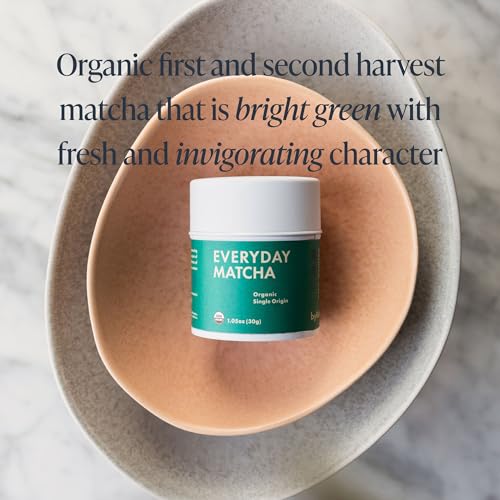
Rishi Tea Everyday Matcha Organic Green Tea Powder
A bright, smooth everyday matcha with a nutty, lightly sweet character — froths well when whisked and pairs naturally with milk or sweeteners.
🎯 Best for: Everyday matcha lattes, Morning energy boost
🍃 Tastes like: nutty, grassy, sweet

What Stands Out
🍃 Flavor Profile
Strength: Moderate
Notes: nutty, grassy, sweet
✅ What Customers Love
- Good quality for the price point (10 mentions)
- Vibrant, bright green color (8 mentions)
- Smooth taste without harsh bitterness (7 mentions)
🎯 Best For
Everyday matcha lattes • Morning energy boost • Relaxing focus drink • Budget-friendly daily routine
Brand: Rishi Tea
Category: Matcha
As an Amazon Associate we earn from qualifying purchases.
About This Matcha
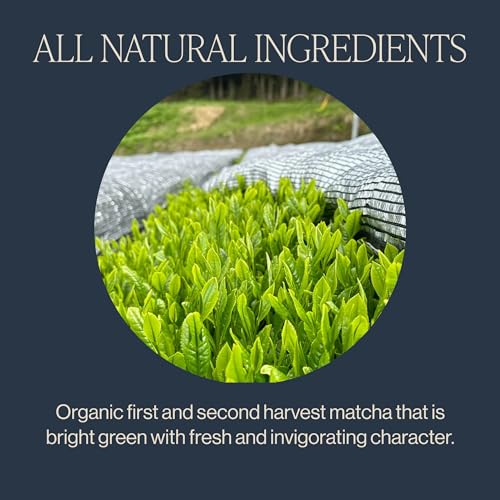
This organic culinary-grade matcha pours a vibrant, bright green and whisks into a smooth, frothy base with gentle nuttiness and mild grassy sweetness. The flavor is approachable and non-bitter, though plain preparation reveals a vegetal edge that reviewers consistently balance with milk or a sweetener. It dissolves reliably into lattes and iced drinks, delivering a clean energy lift without jitters. The container is notably small and the lid can be awkward to reseal without powder scattering. Best suited for daily latte routines, iced matcha drinks, or anyone building a matcha habit without committing to ceremonial-grade.
Is Rishi Tea Everyday Matcha Organic Green Tea Powder Right for You?
What does Rishi Everyday Matcha taste like?
Reviewers describe the flavor as nutty, grassy, and slightly sweet with earthy and vegetal undertones. The taste is moderate in strength — not too intense or overwhelming, which makes it forgiving for beginners. It's smooth and light without harsh bitterness, which is its biggest selling point flavor-wise. In a latte with milk, the nutty sweetness comes forward and the grassiness mellows out. Drunk plain with just water, the vegetal and grassy notes are more prominent — some people love that, others prefer to add milk.
Is Rishi Everyday Matcha good for lattes?
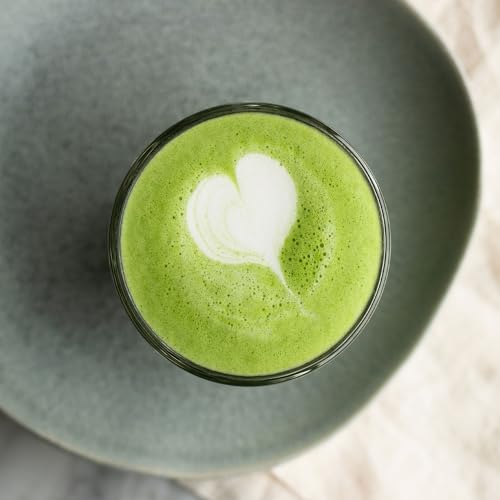
This is arguably the product's best use. Reviewers repeatedly praise how well it mixes into lattes — no clumping, smooth texture, and a flavor that pairs beautifully with milk. The nutty, slightly sweet profile complements both dairy and plant milks. It froths up nicely when whisked, giving you that cafe-quality layered look. If making matcha lattes at home is your primary goal, this is one of the most reliable options in its price range.
How to make a matcha latte with Rishi Everyday Matcha?
This is where Rishi's Everyday Matcha really excels — lattes are its sweet spot. Sift 1-2 teaspoons of matcha into a bowl or mug, add about 2 tablespoons of hot water (175°F), and whisk until smooth and slightly frothy. Then pour in 8 oz of steamed milk — oat milk and whole milk both work wonderfully. Sweeten to taste if desired. Reviewers consistently praise how well this powder mixes into lattes without clumping, and the smooth, nutty flavor profile complements milk beautifully.
How to make iced matcha with Rishi Everyday Matcha?
Iced matcha is one of this product's best uses. Sift 1-2 teaspoons of Rishi Everyday Matcha into a glass, add a couple tablespoons of hot water and whisk until dissolved — this step is important because matcha won't dissolve properly in cold liquid alone. Then fill a glass with ice and pour cold milk or water over it. The smooth, slightly sweet flavor works especially well iced. For a shortcut, you can shake the matcha with a small amount of room-temperature water in a sealed bottle before pouring over ice and milk.
Do you mix matcha with water or milk?
With Rishi's Everyday Matcha, most reviewers prefer it with milk and a sweetener — it's where this product really shines. The smooth, nutty flavor profile pairs beautifully with oat milk, whole milk, or almond milk. You can drink it with just water, but be aware that some people find the grassy, vegetal notes more pronounced without milk to balance them. If you're drinking it straight with water, this is a forgiving matcha, but it was clearly designed with lattes in mind.
How does Rishi Everyday Matcha compare to ceremonial grade?
Ceremonial grade matcha is meant to be drunk straight with just water — it has a more complex, umami-rich flavor with layers of sweetness and depth. Rishi's Everyday Matcha is a daily-grade matcha with a more straightforward flavor profile: nutty, grassy, and smooth. One reviewer described it as 'one-dimensional compared to ceremonial grade,' which is fair but also expected at this price point. The smart move is to use Everyday Matcha for your daily lattes and save ceremonial grade for occasions when you want to drink it plain.
As an Amazon Associate we earn from qualifying purchases.
Is Rishi Everyday Matcha good for beginners?
It's an excellent beginner matcha. The flavor is forgiving — not too intense, not too vegetal — so it works well even if your technique isn't perfect. It's affordable enough to experiment with without committing to an expensive ceremonial grade. Reviewers mention it's easy to find at grocery stores too, so you don't need to special-order from Japan. Start by making lattes with milk and a touch of sweetener, then gradually reduce the sweetener as you develop your palate for matcha's natural flavor.
What are the pros and cons of matcha?
For Rishi's Everyday Matcha specifically — Pros: vibrant green color indicating quality leaf selection, smooth taste without harsh bitterness, froths well when whisked, excellent in lattes and iced drinks, organic Japanese sourcing, clean energy without coffee crashes, and strong value for the quality level. Cons: the 1.05 oz tin is small for daily use, the flavor can taste grassy when drunk plain without milk, and it's a daily-grade matcha so it lacks the complex depth of ceremonial grade. Overall, the pros heavily outweigh the cons for anyone who wants a reliable daily matcha for lattes and mixed drinks.
How long does a tin of Rishi Everyday Matcha last?
The 1.05 oz (30g) tin will give you roughly 15-30 servings, depending on how strong you make your matcha. Using the standard 1-2 teaspoons per drink, a daily matcha drinker will go through a tin in about two to three weeks. This is the product's most common criticism — the small size means frequent repurchasing. If you're committing to daily matcha, consider buying multiple tins at once or looking for larger format options.
Can you use Rishi Everyday Matcha for baking?
Yes — and reviewers have found creative uses beyond drinking. One unexpected discovery: it works well as a cake topper when mixed with powdered sugar. Because it's a daily-grade matcha with good color, it's actually ideal for baking where the subtle flavor differences between daily and ceremonial grade won't be noticeable. Use it in matcha cookies, cakes, energy balls, or smoothie bowls. The vibrant green color holds up well in baked goods.
Who should NOT buy Rishi Everyday Matcha?
Skip this matcha if you plan to drink it exclusively plain with just hot water — the vegetal, grassy notes can be too strong without milk to balance them, and you'd be better served by a ceremonial grade matcha. Also skip it if you need large quantities for daily use on a tight budget — the small 1.05 oz tin means frequent repurchasing, and there are better bulk-value options. And if you're a matcha connoisseur looking for complex, layered umami flavors, this daily-grade matcha will feel one-dimensional.
What is the highest quality matcha?
The highest quality matcha is ceremonial grade — stone-ground from the youngest, shade-grown tea leaves with the most vibrant color and complex umami flavor. Rishi's Everyday Matcha is a daily-grade matcha, which sits a step below ceremonial. It still has that bright green color that indicates quality leaf selection, but the flavor is more straightforward — nutty, grassy, and slightly sweet rather than deeply layered. If you want Rishi's top-tier option, look at their ceremonial grade line. But for lattes and daily drinks, everyday grade is actually the smarter choice since milk and sweeteners mask the subtle flavors you'd be paying extra for.
As an Amazon Associate we earn from qualifying purchases.
How do you brew matcha?
For Rishi's Everyday Matcha, sift about 1-2 teaspoons of powder into a bowl or mug to remove clumps. Add a small amount of hot water (not boiling — aim for around 175°F/80°C) and whisk vigorously with a bamboo whisk in a W or M motion until frothy. Reviewers note this powder froths up nicely when whisked. For a latte, whisk the matcha with a small amount of hot water first, then add steamed or cold milk. This matcha mixes especially well in lattes — it's one of its most praised qualities.
How to make matcha as a beginner?
Rishi's Everyday Matcha is actually a great starting point for beginners — reviewers specifically call out its forgiving flavor and affordable price as a good entry into matcha. Start simple: sift 1 teaspoon into a mug, add 2 tablespoons of hot (not boiling) water, and whisk or stir until smooth. Then add 6-8 oz of your favorite milk and sweeten to taste with honey or sugar. Don't stress about getting it perfect — this matcha is designed for everyday enjoyment, not tea ceremony precision. As you get comfortable, you can experiment with less sweetener and more matcha.
How to make matcha tea without a whisk?
No bamboo whisk? No problem. With Rishi's Everyday Matcha, you can sift the powder into a mug, add a splash of hot water, and use a small regular whisk, a milk frother, or even a mason jar (add powder + water, seal, shake vigorously). A handheld electric frother works especially well and costs just a few dollars. This powder mixes well overall, though sifting first is key to avoiding clumps regardless of your whisking method.
Is Rishi Matcha green tea good for you?
Yes — Rishi's Everyday Matcha is USDA organic and made from Japanese-grown green tea leaves, so you're getting the full spectrum of matcha benefits: antioxidants (particularly EGCG), L-theanine for calm focus, and a natural caffeine boost. Reviewers specifically mention experiencing clean energy without the crash they get from coffee, plus improved focus and relaxation. Because it's organic, you also avoid pesticide concerns that come with some lower-quality matcha powders.
Is organic matcha green tea powder good for you?
Organic matcha like Rishi's Everyday Matcha offers some advantages over conventional matcha. Since you're consuming the entire ground leaf (not just a steeped infusion), any pesticide residues would be consumed directly — so the organic certification matters more for matcha than for most teas. Health-wise, matcha delivers concentrated antioxidants, L-theanine for relaxed focus, and a moderate caffeine boost. Rishi sources from Japan and specifies cultivar information, which suggests attention to quality sourcing.
Is matcha higher in caffeine than coffee?
Cup for cup, coffee typically has more caffeine than matcha — a standard cup of coffee has around 95mg while a serving of matcha has about 50-70mg. But the caffeine experience is very different. Reviewers of Rishi's Everyday Matcha specifically mention getting clean energy without the crash they associate with coffee, and feeling energized without jitters. That's the L-theanine at work — it moderates how your body absorbs the caffeine, giving you a smoother, longer-lasting alertness rather than a spike and crash.
As an Amazon Associate we earn from qualifying purchases.
Is matcha better for anxiety than coffee?
Many people find matcha gentler on anxiety than coffee, and Rishi's Everyday Matcha reviewers back this up — they report clean energy without jitters and mention the drink helps with both focus and relaxation. The key is L-theanine, an amino acid naturally present in matcha that promotes calm alertness. Coffee doesn't contain L-theanine, which is why its caffeine can feel more jarring. If coffee makes you anxious, switching to a daily matcha like this one is worth trying.
Which is healthier, matcha or coffee?
Both have health benefits, but they deliver energy differently. Matcha provides L-theanine alongside caffeine, creating what Rishi Everyday Matcha reviewers describe as 'clean energy without crashes' — a smoother, more sustained alertness. Coffee delivers more caffeine per cup but without L-theanine's calming balance. Matcha also has higher antioxidant concentration. If you're choosing between the two for daily use, matcha may be the better fit if you're sensitive to coffee's jitters or energy crashes. This particular matcha is designed for exactly that kind of daily coffee replacement.
What are the cons of matcha tea?
Being honest about matcha in general and this product specifically: matcha contains caffeine, so it's not ideal if you're caffeine-sensitive (though less than coffee). The grassy, vegetal flavor is an acquired taste — some Rishi Everyday Matcha reviewers note it can taste like grass if you drink it plain without milk or sweetener. Quality matcha is also more expensive per serving than regular tea. And with this particular product, the 1.05 oz tin is small — heavy daily users will go through it quickly.
Is Starbucks matcha good for you?
Starbucks matcha drinks contain a premix of matcha and sugar — so you're getting added sugar with every sip, even before any sweetener you add. Rishi's Everyday Matcha is pure matcha powder with no added sugar, so you control what goes in. You get the full antioxidant and L-theanine benefits without unnecessary sweeteners. If you're currently buying Starbucks matcha lattes regularly, making them at home with Rishi's Everyday Matcha is both healthier and significantly cheaper per drink.
Is matcha good for weight loss?
Matcha contains EGCG and caffeine, both of which have been studied for their potential to support metabolism. However, matcha isn't a magic weight-loss solution — it's a healthy beverage that can be part of an overall wellness routine. One thing to note: Rishi's Everyday Matcha is most popular as a latte with milk and sweetener, which adds calories. If weight management is your goal, try it with just water or unsweetened plant milk to keep it low-calorie while still getting the energy and focus benefits reviewers love.
What happens if I drink matcha green tea every day?
That's exactly what Rishi designed this product for — it's literally called 'Everyday Matcha.' Regular matcha drinkers report sustained clean energy without jitters or crashes, better focus throughout the day, and a calming alertness thanks to the L-theanine content. The main practical consideration with this specific product is the small 1.05 oz tin — daily use means you'll go through it quickly, so you may want to buy multiple tins or look for bulk pricing.
As an Amazon Associate we earn from qualifying purchases.
Is it safe to drink matcha every day?
For most adults, yes — and this product is literally named 'Everyday Matcha' for that purpose. Daily matcha consumption is common in Japan and is generally considered safe. The organic certification on Rishi's matcha is especially relevant for daily drinkers, since you're consuming the whole ground leaf and any contaminants would be ingested directly. Reviewers who drink it daily report sustained energy and focus benefits. The main thing to watch is your total caffeine intake — if you're also drinking coffee, keep the combined amount reasonable.
What are the health benefits of matcha?
Matcha delivers a concentrated dose of green tea benefits since you consume the whole leaf. Key benefits include high antioxidant content (particularly EGCG), L-theanine for calm alertness, and sustained caffeine energy. Rishi Everyday Matcha reviewers specifically confirm experiencing clean energy without crashes, improved focus, and relaxation — which aligns with what the science says about L-theanine and caffeine working together. The organic certification means you're also avoiding pesticide exposure, which matters more with matcha than regular tea since you're ingesting the entire leaf.
Why is Gen Z obsessed with matcha?
Matcha's visual appeal (that Instagram-worthy bright green), the functional energy benefits, and the wellness culture around it have made it a Gen Z staple. It offers a 'healthier' coffee alternative with the aesthetic factor of lattes and iced drinks. Rishi's Everyday Matcha fits right into this trend — it produces that vibrant green color people love in photos, works perfectly in the iced matcha lattes that dominate social media, and the organic Japanese sourcing appeals to ingredient-conscious younger consumers.
How to make matcha with milk?
This is Rishi Everyday Matcha's best use case. Whisk 1-2 teaspoons of sifted matcha with 2 tablespoons of hot water until smooth and frothy. Then add steamed or cold milk — whole milk, oat milk, and almond milk all work well. Reviewers consistently highlight how nicely this matcha blends with milk, producing a smooth, creamy drink without harsh bitterness. The nutty, slightly sweet flavor profile was practically designed for milk-based drinks.
Is matcha actually healthier than coffee?
'Healthier' depends on what you're optimizing for. Matcha offers antioxidants (significantly more than regular green tea), L-theanine for calm focus, and a gentler caffeine curve. Coffee has its own antioxidants and more raw caffeine. The real-world difference Rishi Everyday Matcha drinkers notice is in how the energy feels — reviewers consistently describe clean energy without crashes or jitters, which many find preferable to coffee's sharper stimulation. If you're switching from coffee for health reasons, this is a solid daily alternative.
What is the 30/20/10 rule for matcha?
The 30/20/10 rule is a simple guideline for shade-growing matcha tea plants: the best matcha comes from leaves shaded for about 30 days before harvest, with around 20 days of full shade being the minimum for quality matcha, and 10 days being typical for lower grades. More shade time produces more L-theanine (the calming amino acid) and chlorophyll (the bright green color). Rishi's Everyday Matcha has that signature vibrant green color that reviewers highlight, which suggests good shade-growing practices in its production.
As an Amazon Associate we earn from qualifying purchases.
Is matcha good for your skin?
Matcha is rich in antioxidants — particularly EGCG — which can help protect against oxidative stress that contributes to skin aging. The anti-inflammatory properties may also help with redness and irritation. While we can't make specific skin claims about Rishi's Everyday Matcha, the organic sourcing means you're getting a cleaner product without pesticide residues. Many daily matcha drinkers report improvements in skin clarity over time, though individual results vary and it's one piece of a larger picture.
What Makes This Product Special
⚠️ Preliminary analysis based on 23-review sample • Our methodology
- Good quality for the price point (10 mentions)
- Vibrant, bright green color (8 mentions)
- Smooth taste without harsh bitterness (7 mentions)
- Mixes well in lattes (6 mentions)
- Froths well when whisked (5 mentions)
- Fresh aroma (3 mentions)
- Clean energy without crash (2 mentions)
Taste Profile
- smooth
- light
- fresh
- nutty
- earthy
- grassy
- sweet
- slightly bitter
- rich
Best Use Cases
🎯 Best For
- Everyday matcha lattes
- Morning energy boost
- Relaxing focus drink
- Budget-friendly daily routine
- Iced matcha drinks
- Matcha with milk and sweeteners
⚠️ Not Ideal For
- Drinking plain without milk/sweeteners (unless you enjoy strong vegetal flavor)
- Ceremonial-style preparation
- Those expecting large quantities
What to Consider
- Very small quantity/container size (4 mentions)
- Can taste like grass if not prepared with additives (2 mentions)
- Tin difficult to open/close, powder flies out (1 mentions)
- Flavor one-dimensional compared to ceremonial grade (1 mentions)
- Quality control issues (broken seals, questionable expiration dates) (2 mentions)
⚠️ based on 23-review sample. Some issues may not be captured.
About This Analysis
This analysis is based on 23 customer reviews. We're showing you everything we found, but with a moderate sample, there's a lot we likely haven't captured yet.
✅ What we're confident about: What customers love and best use cases
⚠️ What may be incomplete: Potential issues and considerations
For more perspectives, check customer reviews on Amazon.
Product Selection
In short: We only feature high-rated products.
Products on TeaDelight.net are selected based on strong Amazon customer ratings, sufficient review volume, and market presence. We focus on well-regarded products that tea enthusiasts are actively considering and purchasing.
As an Amazon Associate we earn from qualifying purchases.
You Might Also Like

✅ Vibrant, bright green color indicating freshness and quality
35°N MATCHA Organic Ceremonial Grade Matcha Powder

✅ Starbucks taste similarity
Jade Leaf Matcha Latte Mix Bundle (500g)

✅ taste/flavor
Jade Leaf Matcha Latte Mix Bundle (1kg)

✅ Smooth, creamy texture that blends easily