





We analyze real customer reviews to surface what matters: key strengths, ideal use cases, and honest considerations — so you can make an informed choice.
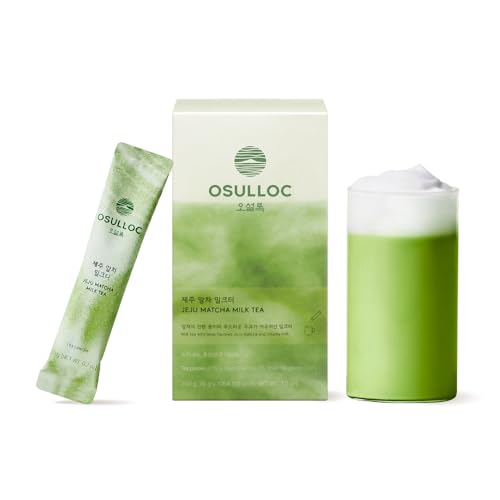
OSULLOC Jeju Matcha Milk Tea
A pre-mixed Korean matcha latte powder made from Jeju Island volcanic-soil matcha — creamy, smooth, and dissolves instantly without a whisk or blender.
🎯 Best for: Quick morning routine, Iced matcha lattes
🍃 Tastes like: matcha, milk, nutty

What Stands Out
🍃 Flavor Profile
Strength: Moderate
Notes: matcha, milk, nutty
✅ What Customers Love
- Smooth with minimal bitterness (10 mentions)
- Balanced sweetness (not overly sweet) (9 mentions)
- Dissolves easily without clumping (8 mentions)
🎯 Best For
Quick morning routine • Iced matcha lattes • Hot matcha lattes • Travel/on-the-go (stick packets)
Brand: Osulloc
Category: Matcha
As an Amazon Associate we earn from qualifying purchases.
About This Matcha
Made from Jeju Island volcanic-soil matcha blended with milk powder, it delivers a velvety, mildly sweet cup with a vibrant green color. It dissolves cleanly with just a spoon — no whisk, frother, or creamer needed — making it one of the more forgiving matcha formats available. The flavor leans creamy and balanced rather than intensely grassy, which is more approachable than traditional ceremonial grades. Each serving carries 17g of sugar, worth noting for those watching their intake. A natural fit for busy mornings, travel, and anyone wanting a reliable café-style latte without extra equipment.
Is OSULLOC Jeju Matcha Milk Tea Right for You?
Is OSULLOC tea high quality?
OSULLOC is a well-regarded Korean tea brand that sources its matcha from Jeju Island, where volcanic soil and subtropical climate create ideal growing conditions. Reviewers consistently note the vibrant bright green color of this matcha milk tea — a reliable indicator of quality, since oxidized or lower-grade matcha tends to look dull or yellowish. The smooth, creamy texture and balanced flavor profile suggest careful blending, and multiple reviewers compare it favorably to café-quality matcha drinks. That said, it's a flavored matcha blend (with milk powder and sugar), not a pure ceremonial-grade matcha, so set expectations accordingly.
What does Jeju matcha taste like?
This Jeju matcha milk tea has a smooth, creamy flavor with a moderate matcha presence — think earthy and slightly grassy, but rounded out by the milk powder so it never gets aggressively bitter. Reviewers describe it as velvety and well-balanced, with subtle nutty undertones. It's noticeably milder and creamier than traditional Japanese ceremonial matcha. The sweetness is there but not overwhelming — most reviewers specifically praise the balanced sweetness as one of their favorite things about it.
How sweet is OSULLOC Jeju matcha milk tea?
It's sweet but not cloyingly so — "balanced sweetness" is one of the most common compliments in reviews. Each serving has 17g of sugar, roughly equivalent to a tablespoon of honey. Reviewers specifically call out that it's not overly sweet, with the matcha earthiness and milk creaminess keeping the sweetness in check. If you typically prefer unsweetened drinks, it will likely taste too sweet. If you enjoy a matcha latte with a pump of syrup at a café, this hits a very similar sweet spot.
Does OSULLOC matcha milk tea taste bitter?
The overwhelming consensus from reviewers is smooth with minimal bitterness — this is one of its highest-rated qualities with 10 separate mentions. The milk powder and balanced sweetness effectively round out any sharp edges. A small number of reviewers (2 mentions) do detect a slight bitter aftertaste, but this seems to be an outlier experience. If you've been turned off by bitter matcha in the past, this is one of the gentler options available.
How to make matcha as a beginner?
This is honestly one of the easiest entry points into matcha. You don't need a bamboo whisk, a special bowl, or any technique — just tear open a stick packet, pour it into hot or cold water, and stir with a regular spoon. It dissolves easily without clumping, and the milk and sweetener are already mixed in, so there's no guessing about ratios. Multiple reviewers mention that it's basically impossible to mess up. For hot matcha, use water that's not quite boiling (around 175°F). For iced, just stir it into cold water or pour over ice.
Do you mix matcha with water or milk?
With this OSULLOC product, you can do either — milk powder is already blended in, so even plain water gives you a creamy latte-like drink. Reviewers confirm it tastes rich and creamy with just water, which is one of its biggest selling points. You can also mix it with milk for an even creamier result, or pour it over ice with cold water for an iced matcha latte. The stick packets dissolve easily without clumping regardless of which liquid you use.
As an Amazon Associate we earn from qualifying purchases.
Is OSULLOC matcha milk tea good for travel?
It's practically designed for it. The individual stick packets are lightweight, don't need refrigeration, and you just need access to water (hot or cold). Each packet is pre-measured so there's no mess or guessing. Reviewers specifically mention the on-the-go convenience as a highlight. Whether you're at a hotel, in the office, camping, or just commuting — tear, pour, stir, done. No whisk, no blender, no cleanup beyond rinsing your cup.
How does OSULLOC matcha compare to traditional Japanese matcha?
This is a different experience from traditional Japanese ceremonial matcha. Reviewers note it's less strong and vibrant than high-end Japanese matcha — the flavor is milder, sweeter, and creamier by design. OSULLOC uses Jeju Island matcha grown in Korea's volcanic soil, which has a slightly different character than Japanese varieties. Think of it less as a matcha substitute and more as a ready-made matcha latte. If you enjoy traditional whisked matcha for its grassy intensity, this will feel too mild. If you love matcha lattes, this nails it.
How to make iced matcha with OSULLOC packets?
The easiest method: dissolve one stick packet in a small amount of warm water first (about 2-3 oz), stir until smooth, then pour over a full glass of ice and top with cold water or milk. Alternatively, you can shake it with cold water in a bottle — the powder dissolves well even in cold liquid. Reviewers specifically note that the flavor holds up even as ice melts and dilutes the drink, so it stays tasty all the way to the bottom of your glass.
Who is OSULLOC matcha milk tea best for?
It's ideal for matcha beginners who don't want to invest in a whisk and pure powder, busy people who want café-quality matcha in under a minute, and anyone looking to replace expensive café matcha lattes with a home option. It's also great for travel, office use, and casual matcha fans who enjoy the flavor without being purists. It's not the best choice for people avoiding sugar, those who prefer intense traditional matcha, or anyone wanting minimal ingredients.
Can you use OSULLOC matcha packets for baking?
Yes, and reviewers have done exactly that. The powder works well in baking applications — matcha cheesecake is specifically mentioned as a success. The built-in sweetness and milk powder actually make it convenient for baking since you don't need to add those separately. The vibrant green color also holds up nicely in baked goods. Just keep in mind you're adding the sugar and dairy that's already in the mix to whatever recipe you're using, so adjust your recipe accordingly.
Does OSULLOC matcha milk tea cause stomach issues?
Reviewers specifically note that this product doesn't cause the stomach or digestive issues that some matcha blends can trigger — and they seem pleasantly surprised by this. Matcha on an empty stomach can sometimes cause nausea or acid reflux, but the milk powder in this blend likely helps buffer that effect. If you have dairy sensitivity though, keep in mind it contains multiple dairy ingredients, which could be a different kind of digestive concern.
As an Amazon Associate we earn from qualifying purchases.
Does OSULLOC Jeju matcha milk tea have caffeine?
Yes, it contains caffeine since it's made with real matcha powder. Matcha typically has around 30-70mg of caffeine per serving depending on concentration, which is less than a cup of coffee but enough for a gentle energy boost. Several reviewers specifically use it as their morning pick-me-up, suggesting the caffeine effect is noticeable. The L-theanine naturally present in matcha tends to provide a calmer, more sustained alertness compared to coffee's jittery spike.
How to make a matcha latte with OSULLOC packets?
Since milk powder is already in the blend, you get a latte-like result with just water. For an extra creamy version, dissolve the packet in a small amount of hot water, then add steamed or frothed milk. For iced, dissolve in a splash of warm water, pour over ice, and top with cold milk of your choice. Oat milk and regular dairy both work well. The packet does most of the work — no need to measure matcha-to-milk ratios like you would with pure matcha powder.
How to make matcha tea without a whisk?
This product was literally designed for exactly that situation. The powder is formulated to dissolve with just a spoon — no whisk, no blender, no frother needed. Reviewers consistently highlight how easily it dissolves without clumping, which is a common problem with regular matcha powder. Just add water (hot or cold), stir for about 15-20 seconds, and you're done. The creamy texture comes built in thanks to the milk powder blend.
Does the flavor hold up when you make it iced?
Yes — and this is something reviewers specifically call out as a pleasant surprise. The matcha flavor stays strong even as ice melts and dilutes the drink, so you don't end up with watery green water at the bottom of your glass like you do with some matcha products. This makes it a solid choice for iced matcha lattes, especially in warmer months.
Is it okay to drink matcha milk tea every day?
From a caffeine standpoint, matcha generally has less caffeine than coffee, so daily consumption is reasonable for most people. One thing to keep in mind with this particular product is the sugar content — each serving has about 17g of sugar, which adds up if you're drinking it daily. Some reviewers actually do use it as their everyday morning drink and report no digestive issues, which is worth noting since some matcha blends can upset sensitive stomachs. If you're watching sugar intake, you might alternate days or use half a packet at a time.
Is it safe to drink matcha every day?
For most people, yes — matcha is consumed daily by millions worldwide. With this OSULLOC product, the main consideration for daily use is the 17g of sugar per serving, which would add up to about 120g of sugar per week from matcha alone. Some daily drinkers get around this by using half a packet per serving (which also cuts the cost in half). Reviewers who drink it regularly report no digestive issues, and the caffeine content is moderate enough for daily consumption without sleep disruption if you drink it in the morning or early afternoon.
As an Amazon Associate we earn from qualifying purchases.
What is the highest quality matcha?
Ceremonial-grade matcha from Japan (particularly from Uji, Kyoto) is generally considered the gold standard. This OSULLOC product uses premium Jeju Island matcha, which reviewers place in the mid-to-high-end range for Korean matcha. However, it's important to understand this is a matcha milk tea blend, not a pure matcha powder — it's designed for convenience and flavor balance rather than competing with straight ceremonial-grade matcha. If you want pure, high-end matcha for traditional preparation, this isn't that. If you want a delicious, high-quality matcha latte in seconds, it delivers.
What is the 30/20/10 rule for matcha?
The 30/20/10 rule is a guideline for traditional matcha preparation: 30 seconds of whisking, 20ml of water (about 4 teaspoons) for making a thick paste, and 10 strokes at the end in a zigzag pattern to create froth. The good news with this OSULLOC product is that you can forget all of that — the powder is formulated to dissolve with just a spoon and water, no special technique needed. It's one of the reasons this product appeals to beginners who find traditional matcha preparation intimidating.
Is matcha higher in caffeine than coffee?
Generally no — a serving of matcha has about 30-70mg of caffeine compared to coffee's 95-200mg per cup. This OSULLOC matcha milk tea likely falls on the moderate end since it's a blended product, not pure concentrated matcha. Reviewers use it as a morning pick-me-up, suggesting a noticeable but gentler caffeine effect. Matcha also contains L-theanine, which promotes calm focus without the jitters or crash that coffee can cause — several reviewers appreciate it as a coffee alternative for exactly this reason.
Is matcha better for anxiety than coffee?
Many people find matcha easier on anxiety than coffee, thanks to L-theanine — an amino acid that promotes calm alertness. This OSULLOC matcha milk tea is particularly approachable because it's milder than straight matcha, with a smooth and soothing quality. Reviewers describe using it as a comforting warm drink, and no one reports the jitteriness commonly associated with coffee. The moderate caffeine level combined with L-theanine tends to give you focus without the racing heart or anxious edge.
Is matcha actually healthier than coffee?
Matcha offers some advantages over coffee: it contains L-theanine for calmer energy, is rich in antioxidants (catechins), and delivers caffeine more gradually. However, this OSULLOC product is a matcha milk tea blend with added sugar and dairy, so it's not the same health profile as pure matcha. At 17g of sugar per serving, it's more comparable to a sweetened coffee drink than to straight matcha. If health is your primary motivation, pure matcha powder would be better — but if you're replacing a daily Starbucks matcha latte or sugary coffee drink, this is likely a wash or slight improvement.
Is matcha good for weight loss?
Pure matcha has been associated with modest metabolic benefits in some studies, thanks to catechins and caffeine. However, this OSULLOC matcha milk tea has 17g of sugar per serving, so it's not a weight-loss drink in itself. If weight management is your focus, you'd want to account for the calories from the sugar and milk powder. Some reviewers use half a packet to reduce the calorie load while still getting the matcha flavor. For weight loss specifically, plain matcha powder with water would be a better choice.
As an Amazon Associate we earn from qualifying purchases.
What are the health benefits of matcha?
Matcha is prized for its high antioxidant content (particularly EGCG), L-theanine for calm focus, and moderate caffeine for sustained energy. With this OSULLOC product, you're getting real Jeju matcha in every packet, so those benefits are present — though diluted somewhat by the milk powder and sugar in the blend. Reviewers specifically mention it as a gentle morning pick-me-up and a soothing warm drink when feeling under the weather. Notably, multiple reviewers report no digestive issues, which is a common complaint with some matcha products.
Which is healthier, matcha or coffee?
Pure matcha generally edges out coffee on antioxidants and provides calmer energy thanks to L-theanine. But this OSULLOC product is a sweetened matcha milk blend, not pure matcha. With 17g of sugar per serving, health-wise it's more comparable to a sweetened latte than to straight matcha. If you're comparing it to black coffee, coffee wins on the sugar front. If you're comparing it to a sugary coffee-shop drink, it's roughly equivalent. The real advantage is the gentler caffeine experience — reviewers use it specifically because it doesn't cause jitters or digestive upset.
Customer-Validated Strengths
based on 30-review analysis • Our methodology
- Smooth with minimal bitterness (10 mentions)
- Balanced sweetness (not overly sweet) (9 mentions)
- Dissolves easily without clumping (8 mentions)
- Vibrant bright green color (7 mentions)
- Creamy texture even with just water (6 mentions)
- Premium Jeju Island matcha quality (6 mentions)
- Convenient stick/powder format (5 mentions)
- Cafe-quality taste at home (4 mentions)
Taste Profile
- smooth
- creamy
- sweet
- velvety
- earthy
- mild
- balanced
- rich
Best Use Cases
🎯 Best For
- Quick morning routine
- Iced matcha lattes
- Hot matcha lattes
- Travel/on-the-go (stick packets)
- Cafe alternative to save money
- Afternoon treat
- Baking and culinary use
⚠️ Not Ideal For
- Those avoiding sugar
- Users preferring traditional Japanese ceremonial matcha
- Those wanting simple/minimal ingredients
What to Consider
- High sugar content (17g per serving) (2 mentions)
- Pricey ($2-2.70 per serving) (4 mentions)
- Less strong/vibrant than Japanese ceremonial matcha (3 mentions)
- Slight bitter aftertaste for some users (2 mentions)
- Many dairy ingredients (complex ingredient list) (2 mentions)
- Missing or unclear nutritional information in English (2 mentions)
based on 30-review sample.
About This Analysis
This analysis is based on 30 customer reviews. We're showing you everything we found, but with our analysis, there's always more to discover.
✅ What we're confident about: What customers love and best use cases
⚠️ What may be incomplete: Potential issues and considerations
For more perspectives, check customer reviews on Amazon.
Product Selection
In short: We only feature high-rated products.
Products on TeaDelight.net are selected based on strong Amazon customer ratings, sufficient review volume, and market presence. We focus on well-regarded products that tea enthusiasts are actively considering and purchasing.
As an Amazon Associate we earn from qualifying purchases.
You Might Also Like

✅ Vibrant, bright green color indicating freshness and quality
35°N MATCHA Organic Ceremonial Grade Matcha Powder

✅ Starbucks taste similarity
Jade Leaf Matcha Latte Mix Bundle (500g)

✅ taste/flavor
Jade Leaf Matcha Latte Mix Bundle (1kg)

✅ Smooth, creamy texture that blends easily