
Available Alternatives

✅ Vibrant, bright green color indicating freshness and quality
35°N MATCHA Organic Ceremonial Grade Matcha Powder

✅ Starbucks taste similarity
Jade Leaf Matcha Latte Mix Bundle (500g)

✅ taste/flavor
Jade Leaf Matcha Latte Mix Bundle (1kg)

✅ Smooth, creamy texture that blends easily
Jade Leaf Cafe Style Sweetened Matcha Latte Mix


We analyze real customer reviews to surface what matters: key strengths, ideal use cases, and honest considerations — so you can make an informed choice.
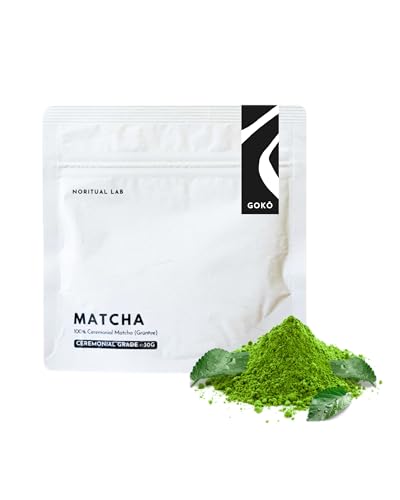
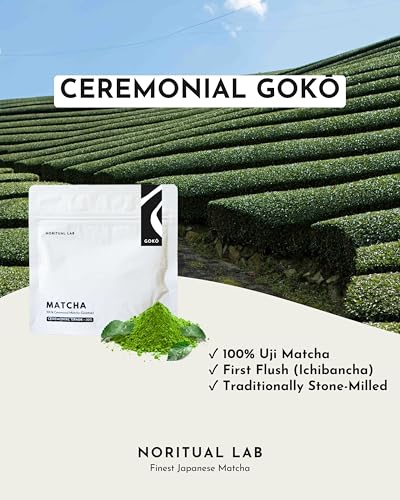
NORITUAL LAB Ceremonial Matcha Goko
A stone-ground ceremonial matcha with a delicate, grassy sweetness and exceptionally smooth finish — virtually free of bitterness and vivid green in the cup.
🎯 Best for: Traditional ceremonial preparation, Morning routine
🍃 Tastes like: vegetal, grassy (fresh green, not hay), subtle sweet

What Stands Out
🍃 Flavor Profile
Strength: Delicate
Notes: vegetal, grassy (fresh green, not hay), subtle sweet
✅ What Customers Love
- Exceptional smoothness with no/minimal bitterness (18 mentions)
- Vibrant, beautiful bright green color (15 mentions)
- Very fine powder texture, dissolves well (9 mentions)
🎯 Best For
Traditional ceremonial preparation • Morning routine • Matcha lattes (hot or iced) • Daily drinking
Brand: NORITUAL LAB
Category: Matcha
As an Amazon Associate we earn from qualifying purchases.
About This Matcha
This Goko cultivar ceremonial matcha yields a delicate, grassy cup with sweet undertones and a clean, smooth character that reviewers consistently note is free of bitterness. The fine powder whisks into a vivid green foam with ease, making it well-suited for traditional preparation and hot or iced lattes alike. The fresh aroma and dissolving texture reward careful technique. Those seeking a bold, assertive umami may find the flavor profile too gentle — it leans delicate rather than complex. Best matched to beginners exploring traditional matcha or experienced drinkers who favor a light, refined daily ceremonial.
Is NORITUAL LAB Ceremonial Matcha Goko Right for You?
What does the NORITUAL LAB Goko matcha taste like?
The flavor profile is delicate and clean — think fresh grassy notes (like fresh-cut grass, not hay), subtle vegetal character, and sweet undertones with a mild earthiness. The standout characteristic, mentioned by 18 reviewers, is how exceptionally smooth it is with virtually zero bitterness. The umami is present but mild, which makes it very approachable but might disappoint drinkers who love a bold, savory matcha punch. The stone-ground texture gives it a pleasant mouthfeel, and the fresh aroma when you open the package is immediately noticeable.
How does the NORITUAL LAB Goko compare to other ceremonial matchas?
Reviewers who've tried multiple brands say it holds its own against high-end Japanese imports and outperforms popular subscription services like Matchaful and Pique. Its strengths are smoothness, color vibrancy, and frothing ability — it excels at the visual and textural experience. Where it may fall short for experienced matcha drinkers is umami depth; a few reviewers note the flavor is more delicate and clean than bold and savory. Think of it as an elegant, refined matcha rather than a punchy, in-your-face one.
Is this matcha good for beginners?
It's one of the best choices for beginners, actually. The exceptionally smooth, non-bitter flavor means you're unlikely to have that 'this tastes like grass clippings' first impression that turns people off cheaper matchas. It dissolves easily without special technique, froths up beautifully even with imperfect whisking, and the forgiving flavor profile means you'll get a good cup even if you use slightly too-hot water or the wrong ratio. The only hesitation is price — if you're not sure you'll like matcha, it's a significant investment to find out.
How to make a matcha latte with the NORITUAL LAB Goko?
Whisk 1-2 grams of the Goko matcha with about 2 tablespoons of hot water until smooth and frothy — this matcha foams up beautifully, which gives your latte a nice creamy top. Then pour in 6-8 oz of steamed milk (or cold milk over ice for iced). The delicate, smooth flavor profile works especially well in lattes because it blends without any bitterness. Multiple reviewers say it's naturally sweet enough to skip added sweetener entirely with oat or whole milk.
How to make iced matcha with the NORITUAL LAB Goko?
Whisk 1-2 grams of the Goko powder with a small amount of cold or room-temperature water until dissolved — the fine texture makes this easier than with coarser matchas. Pour over a glass full of ice, then top with cold water or milk. The smooth, non-bitter flavor profile is perfect for iced preparation since cold brewing can sometimes amplify bitterness in lower-quality matchas. The vibrant green color looks stunning over ice too. Reviewers specifically mention enjoying it as both hot and iced matcha lattes.
What makes first-harvest matcha special?
First harvest (ichiban-cha) refers to the very first picking of tea leaves in spring, typically in April or May in Japan. These leaves have been growing slowly through winter, building up L-theanine (the amino acid that gives matcha its smooth, sweet character) and chlorophyll (responsible for the bright green color). The NORITUAL LAB Goko's qualities directly reflect this — reviewers consistently praise its vibrant bright green color and exceptional smoothness, which are hallmarks of genuine first-harvest quality. Later harvests produce tea that's more bitter, less vibrant, and lower in L-theanine.
As an Amazon Associate we earn from qualifying purchases.
How much caffeine is in the NORITUAL LAB Goko matcha?
A typical serving of ceremonial matcha contains about 60-70mg of caffeine, roughly two-thirds of a cup of coffee. Reviewers of the Goko specifically mention it delivers a strong caffeine boost for a green tea, describing it as a clean, focused energy that works well as a morning coffee replacement. The L-theanine naturally present in first-harvest matcha helps smooth out the caffeine effect, so you get sustained alertness without the jittery spike and crash pattern that coffee can cause.
Does this matcha come in a tin or a bag?
It comes in a bag, which a couple of reviewers note feels less premium for the price point. Most high-end ceremonial matchas use tins or canisters for better light and air protection. If you buy the Goko, it's worth transferring it to an airtight, opaque container and storing it in a cool, dark place (or even the fridge) to preserve freshness. The matcha itself is excellent quality — the packaging just doesn't quite match the product inside.
How should I store the NORITUAL LAB Goko matcha?
Since this matcha comes in a bag rather than a tin, proper storage is especially important. Transfer it to an airtight, opaque container as soon as you open it — light, air, heat, and moisture are all enemies of matcha freshness. Store it in a cool, dark place, or ideally in the refrigerator (just make sure the container is truly airtight so it doesn't absorb fridge odors). Reviewers praise the fresh aroma and vibrant color of this matcha, and good storage practices will help you maintain those qualities through the entire 30g bag.
What is the best matcha brand for ceremonial grade?
NORITUAL LAB's Ceremonial Matcha Goko is a strong contender if you value smoothness and approachability. It's a first-harvest, single-cultivar matcha from Japan that reviewers consistently praise for its vibrant green color, exceptionally smooth taste, and zero bitterness. Several customers say it compares favorably to high-end Japanese imports and even outperforms subscription services like Matchaful and Pique. That said, if you prefer a bold, punchy umami flavor, you might want a different ceremonial grade — this one leans delicate and clean rather than intense.
What is the highest quality matcha?
The highest quality matcha is first-harvest (ichiban-cha), stone-ground ceremonial grade from Japan — which is exactly what the NORITUAL LAB Goko is. It checks the key quality markers: vibrant bright green color (15 reviewers specifically call it out), ultra-fine powder that dissolves smoothly, fresh aroma, and that characteristic lack of bitterness that separates premium matcha from lower grades. Reviewers who've tried high-end brands say it holds its own against the best Japanese imports.
How do you brew matcha?
For the NORITUAL LAB Goko, traditional preparation works beautifully: sift about 1-2 grams of powder into a bowl, add a small splash of hot water (around 175°F, not boiling), and whisk vigorously with a bamboo chasen in a W or M motion until frothy. This matcha froths especially easily — 8 reviewers specifically praise how beautifully it foams up. You can also simply add it to warm water and whisk. The fine powder dissolves well without much effort, which makes it forgiving for beginners too.
As an Amazon Associate we earn from qualifying purchases.
Do you mix matcha with water or milk?
Both work great with the NORITUAL LAB Goko. For traditional preparation, use hot water — this is where you'll taste the delicate vegetal, grassy notes and subtle sweetness that make this ceremonial grade special. For lattes, whisk the matcha with a small amount of hot water first, then add steamed or cold milk. Several reviewers mention it's naturally sweet enough that you can skip the sweetener entirely when paired with the right milk. It's excellent in both hot and iced matcha lattes.
Is matcha higher in caffeine than coffee?
Cup for cup, matcha generally has less caffeine than coffee — a typical serving has about 60-70mg compared to coffee's 95-200mg. However, reviewers of the NORITUAL LAB Goko specifically mention it delivers a strong caffeine boost for a green tea, with a noticeably clean morning energy lift. The difference is how you feel it: matcha's L-theanine creates a calm, focused energy without the jitters or crash that coffee can cause. Several customers switched from coffee to this matcha for their morning routine for exactly that reason.
Is matcha better for anxiety than coffee?
Many people find matcha easier on anxiety than coffee, and this is backed by the L-theanine naturally present in matcha, which promotes calm alertness rather than the spike-and-crash caffeine pattern. Reviewers of the NORITUAL LAB Goko frequently describe the energy as a smooth, clean boost — it's strong enough to replace your morning coffee but without the jittery edge. If coffee makes you anxious, a high-quality ceremonial matcha like this is worth trying as an alternative.
Is matcha actually healthier than coffee?
Matcha and coffee both have health benefits, but they work differently. Matcha provides antioxidants (catechins, especially EGAT), L-theanine for calm focus, and chlorophyll — all in a whole-leaf form since you're consuming the entire ground tea leaf. Coffee has its own antioxidants and more caffeine per cup. The NORITUAL LAB Goko is pure, first-harvest matcha with no additives, so you're getting the full nutritional profile of high-quality green tea. Many reviewers switched from coffee and report feeling better with the smoother energy curve. Whether that's 'healthier' depends on what matters most to you.
Is a matcha latte good for you?
A matcha latte made with quality ceremonial matcha like the NORITUAL LAB Goko gives you the antioxidant and L-theanine benefits of pure green tea, plus whatever your milk of choice adds. The key advantage with this matcha is that reviewers say it's naturally sweet enough to skip added sweetener when paired with the right milk — and that's where most matcha lattes go wrong nutritionally (loaded sugar). Compared to a Starbucks matcha latte, which uses a pre-sweetened matcha powder blend, making your own with pure ceremonial grade is significantly healthier.
Is Starbucks matcha good for you?
Starbucks uses a pre-mixed matcha powder that contains added sugar as the first or second ingredient — it's a very different product from pure ceremonial matcha like the NORITUAL LAB Goko. A Starbucks matcha latte can have 30+ grams of sugar, while the Goko is literally just ground tea leaves with zero additives. If you're spending on matcha for health benefits, you'll get far more from making your own at home with ceremonial grade powder. Reviewers specifically note that the Goko is sweet enough naturally that you don't need any added sweetener.
As an Amazon Associate we earn from qualifying purchases.
How to make matcha as a beginner?
The NORITUAL LAB Goko is actually an excellent beginner matcha because it's very forgiving — even if your technique isn't perfect, you won't end up with a bitter cup. Start by sifting 1-2 grams into a mug or bowl to break up clumps. Add about 2 oz of hot water (not boiling — aim for 170-175°F) and whisk until smooth and frothy. The powder is ultra-fine and dissolves easily, so you'll get good results without much practice. If straight matcha feels too intense, add your favorite milk for a latte — reviewers say it pairs beautifully.
How to make matcha tea without a whisk?
The NORITUAL LAB Goko's ultra-fine, stone-ground powder makes it easier than most matchas to prepare without a traditional bamboo whisk. You can use a small kitchen whisk, a milk frother, or even shake it in a sealed jar or bottle with water. The key is breaking up any clumps — sifting the powder first helps a lot. That said, a bamboo chasen does give the best froth, and this matcha rewards traditional technique with beautiful foam. A handheld electric frother is a good middle ground if you don't want to invest in a full chasen.
What are the health benefits of matcha?
Matcha provides concentrated green tea benefits because you consume the whole leaf. Key benefits include high antioxidant content (catechins), L-theanine for calm focus, a moderate caffeine boost, and chlorophyll. The NORITUAL LAB Goko being a first-harvest ceremonial grade means it has higher levels of L-theanine and chlorophyll compared to later harvests. Reviewers consistently mention the clean energy boost and enhanced morning focus as the benefits they notice most. It's also just pure ground tea — no additives, sweeteners, or fillers.
Why is Gen Z obsessed with matcha?
The matcha trend has exploded partly because of the aesthetic — and a matcha like the NORITUAL LAB Goko, with its strikingly vibrant bright green color, is genuinely photogenic. But beyond the visuals, matcha offers a smoother, more sustained energy than coffee without the jitters, which resonates with a generation focused on wellness. The ritual aspect matters too — whisking matcha can feel like a mindful morning practice rather than just grabbing caffeine. This particular matcha fits that vibe perfectly with its ceremonial-grade quality and emphasis on traditional preparation.
Which is healthier, matcha or coffee?
Both have unique health benefits, but matcha has some advantages: it provides L-theanine (calming amino acid) alongside caffeine for smoother energy, it's rich in catechin antioxidants, and since you drink the whole leaf, you get more nutrients per cup. Coffee has more caffeine and its own antioxidant profile. The NORITUAL LAB Goko delivers a noticeably strong caffeine boost for a green tea — reviewers who switched from coffee say the energy feels cleaner and more sustained. If you're sensitive to coffee's acidity or get jittery, ceremonial matcha is worth trying.
Is matcha good for your skin?
Matcha is rich in antioxidants, particularly catechins, which can help protect skin cells from oxidative stress. Since the NORITUAL LAB Goko is a first-harvest ceremonial grade, it has higher concentrations of these compounds compared to lower-grade matchas. Drinking it regularly provides those antioxidants internally. While no specific skincare claims can be made about this product, the high quality and purity of the tea means you're getting the full nutritional benefit of the green tea leaf.
As an Amazon Associate we earn from qualifying purchases.
Is matcha good for weight loss?
Matcha contains catechins (especially EGCG) that some research links to a modest boost in metabolism and fat oxidation, and the caffeine provides a mild thermogenic effect. The NORITUAL LAB Goko is pure matcha with zero calories, sugar, or additives, so it won't add anything to your calorie count. If you're currently drinking sweetened coffee drinks or sugary lattes, switching to this matcha — which reviewers say tastes good enough to drink without sweetener — could help reduce your daily sugar and calorie intake. But matcha alone isn't a magic weight loss solution.
Customer-Validated Strengths
based on 28-review analysis • Our methodology
- Exceptional smoothness with no/minimal bitterness (18 mentions)
- Vibrant, beautiful bright green color (15 mentions)
- Very fine powder texture, dissolves well (9 mentions)
- Foams/froths easily and beautifully (8 mentions)
- Fresh aroma and taste (7 mentions)
- Stone-ground quality with pleasant mouthfeel (4 mentions)
Taste Profile
- exceptionally smooth
- clean
- delicate
- minimal bitterness
- mild umami
- fresh
- grassy
- sweet undertones
- stone-ground texture
Best Use Cases
🎯 Best For
- Traditional ceremonial preparation
- Morning routine
- Matcha lattes (hot or iced)
- Daily drinking
- Special occasions and guests
- Smooth, non-bitter experience preference
⚠️ Not Ideal For
- Budget-conscious daily use
- Those seeking bold umami punch
- Baking/culinary use (too expensive)
What to Consider
- Umami flavor is mild/lacking compared to bolder matchas (3 mentions)
- Small quantity for the price (expensive per gram) (5 mentions)
- Grainy texture reported by one user (1 mentions)
- Flavor can be bland/flat without additions (2 mentions)
- Comes in bag rather than tin (2 mentions)
based on 28-review sample.
About This Analysis
This analysis is based on 28 customer reviews. We're showing you everything we found, but with our analysis, there's always more to discover.
✅ What we're confident about: What customers love and best use cases
⚠️ What may be incomplete: Potential issues and considerations
For more perspectives, check customer reviews on Amazon.
Product Selection
In short: We only feature high-rated products.
Products on TeaDelight.net are selected based on strong Amazon customer ratings, sufficient review volume, and market presence. We focus on well-regarded products that tea enthusiasts are actively considering and purchasing.
As an Amazon Associate we earn from qualifying purchases.