



We analyze real customer reviews to surface what matters: key strengths, ideal use cases, and honest considerations — so you can make an informed choice.
Naoki Matcha Superior Ceremonial Blend
A bright-green ceremonial matcha with honey-touched umami and a creamy, lightly astringent finish — whisks cleanly into a velvety cup or a smooth plant-based latte.
🎯 Best for: Morning energy routine, Daily matcha practice (usucha ceremony)
🍃 Tastes like: herbal, sweet, honey-like

What Stands Out
🍃 Flavor Profile
Strength: Moderate
Notes: herbal, sweet, honey-like
✅ What Customers Love
- Vibrant bright green color indicating freshness and quality (18 mentions)
- Smooth, creamy texture without bitterness when properly prepared (15 mentions)
- Fine powder that whisks/froths well (12 mentions)
🎯 Best For
Morning energy routine • Daily matcha practice (usucha ceremony) • Matcha lattes with plant-based milk • Afternoon pick-me-up
Brand: Naoki Matcha
Category: Matcha
As an Amazon Associate we earn from qualifying purchases.
About This Matcha
This Uji-sourced ceremonial blend opens with a sweet, honey-like umami and settles into a smooth, creamy finish with subtle nutty undertones. The fine powder froths readily and holds a vibrant green color — a reliable indicator of freshness. It works equally well whisked traditionally or pulled into plant-based lattes, delivering calm, sustained energy without the jitters of coffee. Batch consistency can vary, with some receiving product that skews bitter or brownish, so airtight storage and correct water temperature matter. Best for daily matcha drinkers who want ceremonial-grade quality flexible enough for both traditional ceremony and latte preparation.
Is Naoki Matcha Superior Ceremonial Blend Right for You?
Is Naoki Matcha ceremonial grade?
Yes, Naoki Matcha Superior is a ceremonial grade matcha sourced from Uji, Kyoto — one of Japan's most respected matcha-growing regions. It's made from first harvest tea leaves, which is what distinguishes true ceremonial grade from culinary or lower grades. Reviewers consistently confirm the quality markers: vibrant bright green color, fine powder that whisks into a smooth froth, and a naturally sweet umami flavor without harshness. That said, a small number of customers have reported batch inconsistency, occasionally receiving duller, lower-quality product — so while the standard is genuinely ceremonial grade, experiences can vary.
What does Naoki Matcha taste like?
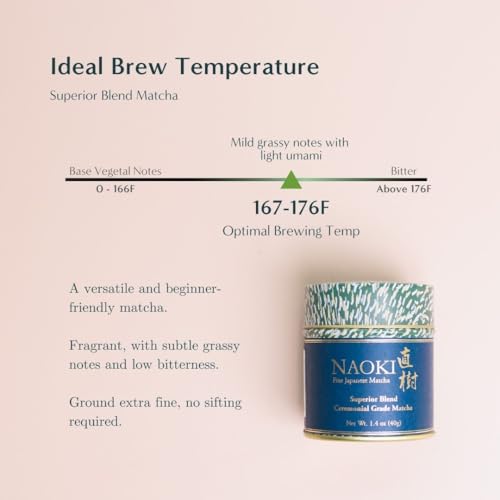
When properly prepared, Naoki Matcha Superior has a smooth, creamy texture with a naturally sweet, umami-rich flavor and subtle nutty undertones. Think herbal and honey-like rather than grassy or bitter. There's a light astringency and a velvety mouthfeel that reviewers love. The key word is "properly prepared" — with water around 175°F, the sweetness comes forward beautifully. Too-hot water pulls out bitterness and grassy notes that mask the complexity. A small number of reviewers detected a seaweed or nori-like quality, which is actually characteristic of high-umami Japanese teas, though it's not for everyone.
What's the best water temperature for Naoki Matcha?
Aim for 175°F (80°C) — this is the single most impactful variable for getting great flavor. Reviewers are emphatic about this: too-hot water brings out bitterness and grassy notes that mask the matcha's natural sweetness and umami. If you don't have a temperature-controlled kettle, boil water and let it sit for about 2-3 minutes, or pour it between vessels a couple of times to cool it down. At the right temperature, Naoki Matcha opens up into a smooth, creamy, subtly sweet cup that's completely different from the bitter experience that turns people off matcha.
How much caffeine is in Naoki Matcha Superior ceremonial blend?
A typical serving of ceremonial grade matcha (about 1-2 grams) contains roughly 60-70mg of caffeine — less than a standard cup of coffee but delivered very differently. Reviewers of this Naoki blend frequently mention getting sustained, calm energy without the jitters or crash they experienced with coffee. Several people who are caffeine-sensitive noted the effect was gentle enough for them, and some have completely replaced their daily coffee habit with it. The L-theanine naturally present in matcha works alongside the caffeine to promote focus without that wired feeling.
How do you brew Naoki Matcha?
For a traditional usucha (thin tea): sift 1-2 grams of Naoki Matcha into a bowl, add about 2-3 oz of water heated to 175°F (80°C) — not boiling, which is crucial — and whisk vigorously in a W or M motion with a bamboo chasen until frothy. Reviewers emphasize that water temperature makes a big difference with this matcha; too hot and it turns bitter, but at the right temperature the natural sweetness and umami really come through. The powder is fine enough that it froths up beautifully, which is one of the things people love about it. The package includes preparation instructions, which several beginners found helpful.
Is Naoki Matcha good for beginners?
It's one of the better choices for beginners, actually. Reviewers highlight several beginner-friendly qualities: the flavor is smooth and approachable without harsh bitterness, it works beautifully in lattes (which is how most beginners start), the package includes clear preparation instructions, and the 100g size gives you plenty of powder to practice your technique without worrying about running out. The price point is also accessible for ceremonial grade. If you're completely new to matcha, start with lattes using your favorite milk, then gradually try it with just water as your palate adjusts to the umami flavor.
As an Amazon Associate we earn from qualifying purchases.
How to make matcha as a beginner?
Naoki Matcha Superior is actually a great choice for beginners — reviewers specifically call out its smooth, approachable flavor that doesn't have the harsh bitterness that scares people off matcha. Start simple: sift about 1 gram of powder into a mug, add a splash of hot (not boiling) water at around 175°F, whisk or stir until dissolved, then top with steamed milk for a latte. The two most important things to get right are water temperature (too hot = bitter) and sifting the powder (prevents clumps). If you don't have a bamboo whisk yet, a small regular whisk or even a milk frother works. As you get more comfortable, try it straight with just water to appreciate the natural sweetness.
Can Naoki Matcha replace my morning coffee?
Multiple reviewers have done exactly this — and stayed with matcha. The transition works because Naoki Matcha delivers a genuine energy boost that's sustained over hours rather than spiking and crashing like coffee. Reviewers describe it as calm alertness: focused and productive without the anxious, jittery edge. The caffeine content is lower than coffee (about 60-70mg vs 95-200mg), so the first few days you might miss the stronger hit, but most people adjust within a week and prefer how matcha makes them feel. One reviewer even noted they no longer needed to brush their teeth after their morning drink — no lingering aftertaste like coffee leaves.
How should I store Naoki Matcha to keep it fresh?
This is actually one of the most important things to know about this product. Reviewers report that it can oxidize and turn bitter within 3-4 weeks if not stored properly, and the tin's lid doesn't create a perfect airtight seal. Your best bet: transfer the matcha from the foil packet inside the tin into a small airtight container (a dark one is ideal), press out excess air, and store it in the fridge or a cool, dark place. Several reviewers mention the foil packet inside the tin is messy and requires dumping into another container anyway, so you'll want to do this right when you open it. The 100g size is generous but means freshness matters — aim to use it within a month.
Why does my Naoki Matcha taste bitter?
The most common reason is water temperature. If you're using boiling or near-boiling water, that's almost certainly the culprit — drop to 175°F (80°C) and the bitterness should disappear, replaced by natural sweetness and umami. Other possible causes: the matcha has oxidized from being open too long or stored improperly (it turns bitter within 3-4 weeks without airtight storage), or you may have received one of the inconsistent batches that some reviewers mention. Try sifting the powder before whisking to ensure smooth dissolution, and make sure you're not using too much powder per serving. If everything checks out and it's still bitter, it may be a batch issue.
How long does a 100g tin of Naoki Matcha last?
At standard serving sizes of 1-2 grams per day, a 100g tin lasts roughly 50-100 servings — over a month of daily use for most people. Reviewers confirm this tracks with their experience. The important thing is to use it within about a month of opening, since the matcha oxidizes and loses its vibrant flavor relatively quickly, especially given the tin lid doesn't seal perfectly. If you drink matcha daily, the 100g size is ideal. If you're a once-or-twice-a-week drinker, you might want to transfer portions to a smaller airtight container and keep the rest sealed in the fridge.
How do you make iced matcha with Naoki Matcha?
Make a concentrated matcha shot first: sift 1-2 grams into a glass, add just a couple tablespoons of hot water (175°F), and whisk until smooth. Then pour over a full glass of ice and add cold water or cold milk. The bright green color of Naoki Matcha looks gorgeous over ice, and the smooth, slightly sweet flavor translates really well to iced drinks. Some people skip the hot water step and just shake the matcha with cold water and ice in a sealed bottle — Naoki's fine grind dissolves reasonably well this way, though you may get a slightly less smooth result.
As an Amazon Associate we earn from qualifying purchases.
Do you mix matcha with water or milk?
Both work great with Naoki Matcha — it just depends on what you're after. Mixed with hot water (traditional style), you get the full umami, slightly sweet, creamy flavor profile that reviewers rave about. Mixed with milk — especially plant-based milks like oat or almond — it makes a beautiful latte that's smoother and reportedly better than what you'd get at a café. Many reviewers specifically use this matcha for lattes, and beginners often find the milk version more approachable as they ease into matcha's flavor. Start with water if you want to taste the matcha itself; go with milk if you want something more like a comforting drink.
What are the cons of matcha tea?
Being honest about matcha in general and this product specifically: matcha does contain caffeine, so late-day drinking can affect sleep. It can taste bitter if prepared with water that's too hot — this is the most common mistake and one reviewers of Naoki Matcha mention. The flavor is distinctly grassy and umami, which not everyone loves right away (some reviewers detect a seaweed-like note). Practically speaking, Naoki's tin lid doesn't seal perfectly, so the powder can oxidize and turn bitter within 3-4 weeks if you don't transfer it to an airtight container. And a few reviewers experienced batch inconsistency — occasionally receiving product that didn't match the usual quality. The 100g size helps with value but means you need to use it relatively quickly.
What are the pros and cons of matcha?
Speaking specifically about Naoki Matcha Superior — Pros: vibrant green color indicating freshness, smooth creamy texture without bitterness when properly prepared, naturally sweet umami flavor, sustained calm energy without jitters, fine powder that froths beautifully, and exceptional value at 100g compared to typical 30g tins. Multiple reviewers have completely replaced coffee with it. Cons: requires attention to water temperature (too hot = bitter), the tin doesn't seal airtight so you should transfer to a sealed container, some batch inconsistency has been reported, and it does oxidize within 3-4 weeks once opened. The flavor can also have a seaweed-like quality that takes some getting used to.
Can I use Naoki Matcha for cooking or baking?
You can, but it's a bit like using extra virgin olive oil for deep frying — it works, but you're paying for quality you won't fully taste. Naoki Matcha Superior is ceremonial grade, meaning it's optimized for drinking where you can appreciate the subtle umami, sweetness, and complexity. In baked goods, smoothies, or ice cream, much of that nuance gets lost behind other flavors. If you mainly want matcha for cooking, a culinary grade would be more cost-effective. That said, the fine grind does incorporate smoothly into recipes, and any matcha that's approaching its freshness limit is better used in cooking than wasted.
Who is Naoki Matcha best for?
It hits a sweet spot that works for a surprisingly wide range of people. Beginners love it because the flavor is smooth and approachable, it works great in lattes, and the instructions on the package help you get started. Enthusiasts appreciate the rich umami complexity, the fine texture for ceremonial whisking, and the legitimate Uji, Kyoto sourcing. Daily drinkers value the 100g quantity that lasts over a month without breaking the bank. And coffee quitters find it a satisfying replacement with calmer energy. The people it's not ideal for: those who need ultra-consistent quality (batch variation has been noted), or anyone who prefers very mild, delicate teas — this has a definite matcha presence.
What is the highest quality matcha?
The highest quality matcha is ceremonial grade, first harvest (ichiban-cha), stone-ground from shade-grown tencha leaves — and ideally sourced from premier Japanese regions like Uji, Kyoto. Naoki Matcha Superior checks all these boxes. You can tell quality by the color (should be vibrant bright green, not dull or yellowish), the texture (ultra-fine powder that whisks smoothly), and the taste (naturally sweet with rich umami, no harsh bitterness). Reviewers consistently highlight Naoki's bright green color and smooth, creamy mouthfeel as indicators of genuine quality — though it's worth noting a few experienced inconsistency between batches.
As an Amazon Associate we earn from qualifying purchases.
Is matcha higher in caffeine than coffee?
Cup for cup, matcha typically has less caffeine than coffee — around 60-70mg per serving versus 95-200mg in a cup of coffee. But the experience is completely different. Reviewers of Naoki Matcha consistently describe the energy as sustained, calm, and focused — no jitters, no crash. Several people who switched from coffee specifically mention this as the reason they stayed with matcha. The L-theanine in matcha modulates how the caffeine hits you, giving you alertness without the anxious edge. Multiple reviewers who were caffeine-sensitive found Naoki's effect gentle enough for daily use.
Is matcha better for anxiety than coffee?
Based on what reviewers of Naoki Matcha report, many people find it significantly better for anxiety than coffee. The combination of caffeine and L-theanine creates what users describe as a calming, sustained energy — focused alertness without the jittery, anxious feeling coffee can trigger. Several reviewers specifically mention improved mood and a calming effect that builds over weeks of daily use. People who quit coffee for this matcha say they don't miss it. That said, matcha still contains caffeine, so if you're extremely sensitive, start with a smaller amount (half a gram) and see how you feel.
What are the health benefits of matcha?
Matcha offers a concentrated dose of antioxidants, L-theanine, and moderate caffeine since you're drinking the whole tea leaf. What Naoki Matcha reviewers actually experience day-to-day: sustained energy without jitters or crash, a calming effect that builds over weeks of regular use, improved focus and concentration during work sessions, better mood, and for many, a complete and satisfying replacement for coffee. The L-theanine and caffeine combination is the standout — it gives you alert, focused calm rather than the anxious energy spike of coffee. Several caffeine-sensitive users found it gentle enough for daily use, which says a lot.
Is matcha actually healthier than coffee?
They're different rather than one being universally "better," but matcha does have some advantages. It contains L-theanine (which coffee doesn't), giving you calm focus instead of jittery energy. Matcha is also rich in catechins and antioxidants since you're consuming the whole leaf. Naoki Matcha reviewers who switched from coffee specifically highlight: no jitters, no crash, sustained energy, better mood, and improved focus. Several say they've completely replaced their coffee habit and feel better for it. One reviewer even noted no bad aftertaste — unlike coffee, no need to brush teeth after. The tradeoff is less caffeine per serving, which could be a pro or con depending on your needs.
Is it safe to drink matcha every day?
Yes, daily matcha consumption is generally considered safe and is actually traditional in Japanese culture. Many Naoki Matcha reviewers drink it every single day as their morning ritual, and several report positive cumulative effects — sustained energy, better focus, improved mood, and a calming effect that builds over weeks. At standard serving sizes (1-2 grams per day), you're getting moderate caffeine and a good dose of antioxidants. The 100g tin is specifically sized for daily use, lasting over a month with proper portions. Just be mindful of total caffeine intake if you're also drinking coffee or other caffeinated beverages.
Is Starbucks matcha good for you?
Starbucks matcha drinks contain a pre-mixed blend of matcha and sugar, so you're getting significantly more sugar and lower quality matcha than if you made your own. With a ceremonial grade matcha like Naoki, you control exactly what goes in — just pure matcha and water or milk, no added sugar unless you choose it. Several reviewers specifically mention that their homemade Naoki Matcha lattes taste better than commercial café versions. You also get substantially more antioxidants and L-theanine from pure ceremonial grade matcha versus the culinary grade blends most chains use.
As an Amazon Associate we earn from qualifying purchases.
Which Naoki Matcha is the best?
Naoki offers several grades, but the Superior Ceremonial Blend hits a sweet spot for most people. It's their first harvest Uji matcha at a price point that's accessible — especially considering you get 100g instead of the typical 30g tin from other brands. Reviewers who've tried multiple Naoki products often land on the Superior as their daily driver because it delivers rich umami flavor, smooth texture, and that characteristic bright green color without the premium price of their top-tier offerings. If you're drinking matcha daily, the Superior gives you ceremonial quality you can actually afford to use regularly.
How to make matcha tea without a whisk?
If you don't have a traditional bamboo chasen, you have a few options that work well with Naoki Matcha. A handheld milk frother is the most popular alternative — it actually creates great froth with this powder since it's so finely milled. You can also use a mason jar: add matcha and water, seal tightly, and shake vigorously for 15-20 seconds. A small regular whisk works in a pinch too. The key with Naoki's powder is to sift it first regardless of your method — a few reviewers mentioned occasional clumps, and sifting eliminates that completely.
Which is healthier, matcha or coffee?
Both have health benefits, but they work differently. Matcha gives you antioxidants, L-theanine for calm focus, and moderate caffeine — all from consuming the whole tea leaf. Coffee provides more caffeine and its own set of antioxidants. The practical difference, according to Naoki Matcha reviewers who've tried both: matcha provides smoother, longer-lasting energy without the anxiety, jitters, or crash that coffee causes for many people. Multiple reviewers have completely replaced their coffee habit and describe feeling calmer and more focused throughout the day. If caffeine sensitivity or anxiety is a concern, matcha has a clear edge.
What is the 30/20/10 rule for matcha?
The 30/20/10 rule is a matcha temperature guideline: boil water, then let it cool for about 30 seconds (or pour it into a separate vessel) to bring it down from 212°F to around 175°F (80°C). Some people interpret it as the water-to-matcha ratio or whisking timing. With Naoki Matcha specifically, temperature control is one of the most important variables — reviewers note that using water that's too hot brings out bitterness, while properly cooled water lets the natural sweetness and umami shine through. A kitchen thermometer takes the guesswork out of it.
Is Naoki Matcha tested for heavy metals?
Naoki Matcha is sourced from Uji, Kyoto, a region with established quality control standards for tea production. However, specific heavy metal testing results aren't detailed in the product information or customer reviews available. If this is a key concern for you, it's worth reaching out to Naoki directly — reputable ceremonial grade producers from Uji typically follow strict Japanese agricultural standards, but independent third-party testing varies by brand.
Is matcha good for weight loss?
Matcha contains catechins (particularly EGCG) that some research suggests may support metabolism, and it's essentially zero calories when prepared traditionally with just water. However, adding milk and sweeteners to lattes changes that equation. What Naoki Matcha reviewers actually report isn't dramatic weight loss, but rather sustained energy and focus that supports an active lifestyle — and for coffee-to-matcha switchers, eliminating the sugar and cream they used in coffee. It's better thought of as a healthy daily habit than a weight loss supplement.
As an Amazon Associate we earn from qualifying purchases.
Is matcha good for your skin?
Matcha is rich in antioxidants — particularly EGCG catechins — which are associated with skin health benefits including reducing inflammation and protecting against UV damage. Because you consume the entire ground tea leaf with matcha, you get significantly more antioxidants than with steeped green tea. While Naoki Matcha reviewers don't specifically mention skin improvements, the high antioxidant content of quality ceremonial grade matcha like this is well-documented. The vibrant bright green color that reviewers consistently praise is actually a visual indicator of high chlorophyll and catechin content.
Customer-Validated Strengths
based on 30-review analysis • Our methodology
- Vibrant bright green color indicating freshness and quality (18 mentions)
- Smooth, creamy texture without bitterness when properly prepared (15 mentions)
- Fine powder that whisks/froths well (12 mentions)
- Slightly sweet, umami-rich flavor profile (10 mentions)
- Good value for ceremonial grade quality and quantity (100g) (8 mentions)
- Calming, sustained energy without jitters (6 mentions)
- Fresh aroma and taste (6 mentions)
Taste Profile
- smooth
- creamy
- slightly sweet
- umami
- light astringency
- rich
- velvety texture
- subtle nutty undertone
Best Use Cases
🎯 Best For
- Morning energy routine
- Daily matcha practice (usucha ceremony)
- Matcha lattes with plant-based milk
- Afternoon pick-me-up
- Focus and concentration work sessions
- Traditional tea ceremony
- Coffee replacement
⚠️ Not Ideal For
- Long-term storage without airtight container
- Preparation with water that's too hot (causes bitterness)
- Drinking plain if you prefer very mild teas
What to Consider
- Batch inconsistency - some received dull, brownish, low-quality product (4 mentions)
- Bitter, metallic, or overly vegetal taste in some batches (4 mentions)
- Graininess or chunks from improper milling (3 mentions)
- Oxidizes quickly, turns bitter within 3-4 weeks if not properly stored (2 mentions)
- Tin lid doesn't seal well, allows air exposure (1 mentions)
- Messy foil packet inside tin requires dumping into container (3 mentions)
- Seaweed/nori-like smell (unpleasant to some) (2 mentions)
based on 30-review sample.
About This Analysis
This analysis is based on 30 customer reviews. We're showing you everything we found, but with our analysis, there's always more to discover.
✅ What we're confident about: What customers love and best use cases
⚠️ What may be incomplete: Potential issues and considerations
For more perspectives, check customer reviews on Amazon.
Product Selection
In short: We only feature high-rated products.
Products on TeaDelight.net are selected based on strong Amazon customer ratings, sufficient review volume, and market presence. We focus on well-regarded products that tea enthusiasts are actively considering and purchasing.
As an Amazon Associate we earn from qualifying purchases.
You Might Also Like

✅ Vibrant, bright green color indicating freshness and quality
35°N MATCHA Organic Ceremonial Grade Matcha Powder

✅ Starbucks taste similarity
Jade Leaf Matcha Latte Mix Bundle (500g)

✅ taste/flavor
Jade Leaf Matcha Latte Mix Bundle (1kg)

✅ Smooth, creamy texture that blends easily