




We analyze real customer reviews to surface what matters: key strengths, ideal use cases, and honest considerations — so you can make an informed choice.
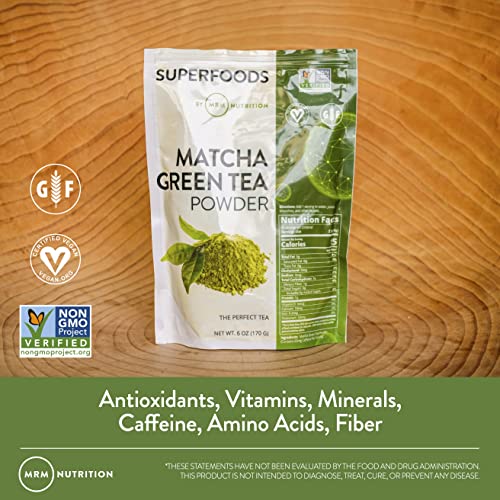
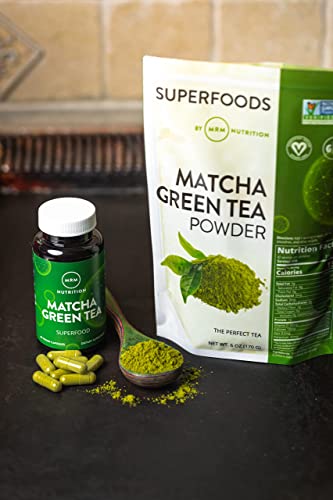
MRM Superfoods Matcha Green Tea Powder
A culinary-grade matcha with a grassy, earthy character that smooths into a creamy, balanced latte — third-party tested for purity and EGCG content.
🎯 Best for: Morning energy boost, Afternoon caffeine pick-me-up
🍃 Tastes like: grassy, earthy, natural matcha

What Stands Out
🍃 Flavor Profile
Strength: Moderate
Notes: grassy, earthy, natural matcha
✅ What Customers Love
- Smooth taste, especially in lattes (5 mentions)
- Provides energy and alertness without jitters (4 mentions)
- Mixes well with liquids (milk, water, lemonade) (3 mentions)
🎯 Best For
Morning energy boost • Afternoon caffeine pick-me-up • Matcha lattes with milk/plant milk • Smoothie ingredient
Brand: MRM
Category: Matcha
As an Amazon Associate we earn from qualifying purchases.
About This Matcha
This culinary-grade matcha delivers a grassy, earthy flavor that mellows noticeably when whisked into milk or plant milk, producing a creamy latte with steady energy and focus. It blends smoothly into smoothies and performs well in baking where a robust matcha flavor is an asset. Reviewers praise the clean energy — consistent alertness without the jitteriness of coffee. The brownish-green color signals culinary rather than ceremonial grade; those expecting vibrant jade-green will want to look elsewhere. Best suited to daily health routines, latte preparation, and high-volume culinary use.
Is MRM Superfoods Matcha Green Tea Powder Right for You?
Is MRM Matcha third-party tested?
Yes — MRM Matcha is third-party tested by Consumer Labs, which is an independent testing organization that evaluates supplements and health products. They specifically test for purity and EGCG content (the main antioxidant in matcha). This is a meaningful differentiator since many matcha brands don't have independent verification of what's actually in the product. For health-focused users who care about knowing exactly what they're consuming, this testing adds a layer of confidence that the matcha delivers on its nutritional promises.
Is MRM Matcha ceremonial or culinary grade?
MRM Matcha is culinary grade, which means it's designed for lattes, smoothies, baking, and blended drinks rather than traditional whisked preparation. You can tell by the brownish-green color — ceremonial grade matcha is vibrant emerald green. This isn't a flaw; it's simply a different product category. Culinary matcha is bolder in flavor (better for standing up to milk and other ingredients) and more affordable for daily use. If you want to whisk matcha traditionally with just hot water, look for a ceremonial grade. For everything else, culinary grade like MRM is actually the right choice.
Does MRM Matcha give you energy?
Yes, and this is one of the strongest points reviewers make. Multiple users report sustained energy and alertness without the jitters or crash associated with coffee. One reviewer noted it works better for energy than previous matcha brands they tried, with a faster onset. The combination of caffeine and L-theanine in matcha creates a 'clean energy' effect — alert and focused rather than wired and anxious. Whether you use it as a morning boost or an afternoon pick-me-up, the energy benefit is one of the most consistently validated aspects of this product.
How does MRM Matcha taste?
MRM Matcha has a moderate-strength flavor that's grassy, earthy, and naturally 'matcha-like' — it tastes like real matcha, not a sweetened imitation. On its own, some find it quite grassy, which is typical of culinary-grade powder. But in a latte with milk, it becomes smooth and creamy — this is easily the most praised characteristic in reviews. It's not as bold or complex as premium ceremonial matcha, and some reviewers note it's less refined than higher-priced competitors. Think of it as an honest, straightforward matcha flavor that works best when paired with milk or blended into drinks.
Why is MRM Matcha brown instead of green?
Several reviewers notice that MRM Matcha has a brownish-green color rather than the bright green you might expect. This is a characteristic of culinary-grade matcha — the leaves aren't shade-grown as long or processed as delicately as ceremonial grade, which results in less chlorophyll and a duller color. It doesn't mean the product is bad or expired; it's simply the grade. The color matters less when you're blending it into a latte or smoothie (you won't notice it once milk is added), but if visual presentation is important to you, a ceremonial grade would be a better fit.
How to make a matcha latte with MRM Matcha?
This is where MRM really excels according to reviewers. Add 1-2 teaspoons of MRM Matcha to a cup with a small amount of hot water (not boiling — around 175°F is ideal). Whisk or use a frother until smooth with no clumps. Then add your steamed milk of choice — the powder blends easily with both dairy and plant milks. The result is smooth and creamy with a natural matcha flavor. Several reviewers specifically note it makes excellent lattes, which makes sense since culinary grade matcha is designed for exactly this kind of application.
As an Amazon Associate we earn from qualifying purchases.
How to make iced matcha with MRM Matcha?
Start by dissolving 1-2 teaspoons of MRM Matcha in a small amount of hot water — this step is important because matcha powder won't dissolve well directly in cold liquid. Whisk or froth until smooth, then pour over a glass full of ice. Top with cold milk or water. Some reviewers also mix it into cold lemonade for a refreshing summer drink. For a creamier iced latte, use your preferred milk. The smooth, not-too-bitter flavor profile of MRM works particularly well in cold drinks where you want something refreshing rather than intensely grassy.
Do you mix matcha with water or milk?
You can do either, but MRM Matcha really shines in lattes with milk or plant milk. Reviewers consistently praise how smooth and creamy it tastes when blended with milk — it's actually the most mentioned positive characteristic. It works fine with water too, though the flavor is more grassy and earthy on its own. Some creative users mix it with lemonade for a refreshing twist. If you're new to matcha, starting with a milk-based latte is probably the most approachable way to enjoy this particular powder.
How does MRM Matcha compare to more expensive brands?
MRM sits in the value-for-money sweet spot. It's noticeably cheaper than premium brands, and reviewers confirm it delivers good quality for the price. Where it differs: the color is brownish-green rather than bright emerald, the flavor is grassier and less nuanced, and it doesn't have that 'wow' factor of high-end matcha. But it has something many pricier brands don't — third-party Consumer Labs testing for purity and EGCG content. For daily lattes and smoothies where the matcha is mixed with other ingredients, most reviewers feel the quality-to-price ratio is hard to beat.
What are the cons of matcha tea?
Being honest about MRM Matcha specifically: the color is brownish-green rather than the vibrant emerald you see in premium matcha — this is typical for culinary grade. The taste is grassy and earthy, which some find less refined than pricier brands. The recommended serving size is 2 teaspoons, which is larger than most matcha products suggest, meaning you'll use the bag faster. And the bag packaging can be a bit messy to work with. More broadly, matcha contains caffeine, so it's not ideal before bedtime, and it can stain surfaces and clothing easily.
What are the pros and cons of matcha?
For MRM Matcha specifically — Pros: smooth taste in lattes, sustained energy without jitters or crashes, mixes easily into drinks, third-party tested for purity and EGCG content, good value for the price, and versatile for lattes, smoothies, and baking. Cons: brownish-green color (not the vibrant green of ceremonial grade), grassy flavor that's less refined than premium brands, larger recommended serving size than typical matcha, and bag packaging can be messy. Bottom line: it's an excellent everyday matcha for blended drinks, but not the right choice if you want traditional ceremonial-quality matcha.
What are the health benefits of matcha?
MRM Matcha delivers the core matcha health benefits with third-party verification: it's tested by Consumer Labs for purity and EGCG content, which is the key antioxidant compound. Reviewers report sustained energy without caffeine crashes, improved alertness and focus throughout the day, and thermogenic (metabolism-boosting) effects. Matcha in general provides significantly more antioxidants than regular green tea because you consume the whole leaf. It also contains L-theanine for calm focus and catechins that support cardiovascular health. The vegan and gluten-free formula keeps it accessible for various dietary needs.
As an Amazon Associate we earn from qualifying purchases.
How much MRM Matcha should I use per serving?
MRM recommends 2 teaspoons per serving, which is notably larger than what most matcha brands suggest (typically 1/2 to 1 teaspoon). This is worth knowing because it affects how long the 6 oz bag lasts and your effective cost per serving. Many users find that 1 to 1.5 teaspoons works perfectly well for a latte — start there and increase if you want a stronger matcha flavor. For smoothies where it's one of many ingredients, even 1 teaspoon can be enough. Experiment to find your sweet spot rather than defaulting to the full recommended amount.
Who is MRM Matcha best for?
MRM Matcha is ideal for daily latte drinkers who want health benefits at a reasonable price, matcha beginners who want to experiment without a big investment, smoothie enthusiasts adding a nutritional boost, and home bakers exploring matcha recipes. It's also a solid pick for health-conscious users who care about third-party purity testing. It's *not* ideal for matcha purists who drink it traditionally whisked with just water, or anyone who prioritizes that vibrant green color for presentation. Think of it as a reliable everyday workhorse, not a special-occasion matcha.
Is MRM Matcha good for baking?
Yes — MRM Matcha is actually well-suited for baking. Culinary-grade matcha is specifically what you want for baking applications because its bolder, more robust flavor holds up to heat and other ingredients. The fact that the color is more muted than ceremonial grade matters less in baked goods where other ingredients affect the final color anyway. Use it in matcha cookies, cakes, muffins, energy balls, or ice cream. Since it's also vegan and gluten-free, it fits into a wide range of dietary-friendly recipes.
Is Starbucks matcha good for you?
Starbucks matcha lattes use a pre-sweetened matcha powder blend where sugar is actually the first ingredient — so you're getting a lot of added sugar with your matcha. Making your own latte at home with MRM Matcha gives you pure matcha with no added sugar, plus you know it's been third-party tested for quality. You'll also save significant money per cup. The trade-off is convenience, of course, but if health benefits are your priority, a homemade MRM matcha latte is the better choice by a wide margin.
Which is healthier, matcha or coffee?
Both have health benefits, but matcha offers some unique advantages: higher antioxidant content (especially EGCG, which MRM tests for), L-theanine for calm focus rather than jittery energy, and whole-leaf nutrition. MRM reviewers consistently report smoother, more sustained energy compared to coffee — no jitters, no crash. Coffee does have its own antioxidants and research-backed benefits, so it's not that one is categorically 'better.' But if you're choosing between the two for daily use, MRM Matcha gives you a broader range of beneficial compounds at a price that makes switching from coffee realistic.
Is matcha better for anxiety than coffee?
Many people find matcha easier on their nerves than coffee, and MRM Matcha reviewers back this up — multiple users specifically mention getting energy and alertness *without jitters*. Matcha contains L-theanine, an amino acid that promotes calm focus and takes the edge off caffeine. Coffee doesn't have this. So while both contain caffeine, the experience is noticeably different. If coffee makes you anxious or wired, matcha is worth trying. MRM's moderate, smooth flavor profile also means it's not an overwhelming sensory experience — especially in a latte with milk.
As an Amazon Associate we earn from qualifying purchases.
Is matcha higher in caffeine than coffee?
Cup for cup, coffee typically has more caffeine than matcha — a standard cup of coffee has roughly 95mg versus matcha's 50-70mg per serving. However, MRM recommends a 2-teaspoon serving, which is larger than the typical matcha amount, so you could end up with a comparable caffeine level. The key difference reviewers notice isn't the amount but the *quality* of the energy: multiple MRM users report sustained alertness and focus without the jitters or crash they get from coffee. That's thanks to L-theanine, an amino acid in matcha that modulates how your body processes the caffeine.
What are the side effects of matcha green tea powder?
Matcha contains caffeine — roughly 50-70mg per serving depending on how much you use — so the usual caffeine considerations apply: potential sleep disruption if consumed late in the day, and possible jitteriness if you're very sensitive. That said, multiple MRM Matcha reviewers specifically highlight that they get energy and alertness *without* the jitters they experience from coffee. The L-theanine in matcha helps smooth out the caffeine effect. MRM recommends a 2-teaspoon serving, which is larger than typical, so you might want to start with one teaspoon and work up.
Is a matcha latte good for you?
A matcha latte made with MRM Matcha is a solid healthy drink choice — you're getting antioxidants, L-theanine, and tested EGCG content in every cup. The health value depends partly on what you add: a latte with unsweetened milk keeps it clean, while loading it with sugar and syrups adds calories. Reviewers specifically note the smooth, creamy result when MRM is mixed with milk, so it's naturally pleasant without needing much sweetener. Compared to a Starbucks matcha latte (which uses a pre-sweetened mix), making your own with MRM gives you much more control over sugar content.
Is matcha green tea powder healthy for you?
Yes, and MRM's version has an edge here — it's third-party tested by Consumer Labs specifically for purity and EGCG content, so you know what you're actually getting. EGCG is the antioxidant compound that gives matcha most of its health reputation. Reviewers report real-world benefits like sustained energy, improved focus, and a thermogenic effect that supports metabolism. Since you're consuming the whole tea leaf (not just a steeped extract), you get significantly more antioxidants than regular green tea.
What happens if I drink matcha green tea every day?
Drinking matcha daily is generally considered safe and many MRM Matcha users do exactly that as part of their health routine. Reviewers report sustained energy without the caffeine crash, improved alertness throughout the day, and some notice a thermogenic (metabolism-boosting) effect over time. The 6 oz bag is sized for daily use, though keep in mind MRM recommends a larger 2-teaspoon serving size, so you'll go through it faster than you might expect. If you're caffeine-sensitive, start with a smaller serving since matcha does contain caffeine.
Is it safe to drink matcha every day?
For most people, yes — and MRM Matcha has an extra reassurance here: it's third-party tested by Consumer Labs for purity, so you're not getting unexpected contaminants with your daily cup. Many reviewers use it as a daily health supplement or morning energy routine. The main consideration is caffeine intake — if you're also drinking coffee or other caffeinated beverages, keep your total in check. Pregnant or nursing women and people on certain medications should check with their doctor, but for the average healthy adult, daily matcha consumption is well-established as safe.
As an Amazon Associate we earn from qualifying purchases.
Is matcha good for weight loss?
Matcha is often cited for its thermogenic properties, and at least one MRM reviewer specifically mentions a metabolism-boosting effect. The EGCG in matcha has been studied for its role in fat oxidation, and MRM's third-party testing confirms meaningful EGCG content. That said, matcha isn't a magic weight loss solution — it may give your metabolism a modest boost as part of an overall healthy lifestyle. The caffeine and L-theanine combination also supports the kind of calm, sustained energy that can help you stay active. It's a healthier daily drink choice than sugary alternatives, especially when made as a simple latte.
Is matcha good for your skin?
Matcha is rich in antioxidants — particularly EGCG — which are associated with skin health benefits like reduced inflammation and protection against UV damage. MRM Matcha is specifically tested for EGCG content, so you're getting confirmed levels of this beneficial compound. While no reviewers mention skin improvements directly, the antioxidant profile of matcha is well-documented in research. Drinking matcha daily provides these antioxidants from the inside out, which many people incorporate into their overall wellness routine alongside topical skincare.
Is matcha good for kids?
Matcha contains caffeine — roughly 50-70mg per serving — so it's not recommended for young children. For older kids and teenagers, a small amount may be okay, but you'd want to use significantly less than the adult serving. MRM recommends 2 teaspoons for adults, which is already a generous amount. If you're considering matcha for a teenager, start with a quarter teaspoon mixed into a smoothie or milk drink and see how they respond. Always check with your pediatrician first, especially since caffeine sensitivity varies widely in younger people.
How to make matcha tea without a whisk?
No bamboo whisk? No problem — MRM Matcha actually mixes well with liquids even without traditional tools. Reviewers use blenders, milk frothers, and even just vigorous stirring with good results. A small electric frother (the handheld kind) is probably the most convenient option. You can also put it in a jar with a tight lid and shake vigorously. For smoothies, your blender handles everything. The powder dissolves reasonably well, which is one of the practical advantages of a culinary-grade matcha like this.
How to make matcha with milk?
MRM Matcha and milk are a natural pairing — it's the most praised combination in reviews. Dissolve your matcha in a splash of hot water first, then add steamed or cold milk. The matcha becomes smooth and creamy, and the milk tempers the earthy, grassy notes. It works with any type of milk: dairy, oat, almond, soy — reviewers have tried various options with good results. If you're making it hot, heat your milk separately and pour it over the dissolved matcha. For iced, just use cold milk over ice.
How to make matcha as a beginner?
MRM Matcha is actually a great beginner option because it's forgiving and affordable — you can experiment without stressing about wasting expensive powder. The easiest method: add 1-2 teaspoons to a cup, pour in a splash of hot (not boiling) water, whisk or stir until dissolved, then top with steamed or cold milk. A frother or blender works great since this powder mixes well with liquids. For smoothies, just toss it in with your other ingredients. Start with less powder than recommended and adjust to your taste — MRM's suggested 2-teaspoon serving is quite generous.
As an Amazon Associate we earn from qualifying purchases.
What is the highest quality matcha?
The highest quality matcha is ceremonial grade — shade-grown, stone-ground Japanese green tea with a vibrant green color and naturally sweet, umami-rich flavor. MRM Matcha is culinary grade, which means it's designed for lattes, smoothies, and baking rather than traditional whisked preparation. You can tell the difference visually: MRM has a brownish-green color rather than the bright emerald green of top-tier ceremonial matcha. That doesn't mean it's bad — it's a different product for a different purpose, and it's priced accordingly.
What is the best brand of matcha green tea powder?
The 'best' brand depends on what you're using it for. MRM Matcha is a solid choice for everyday lattes, smoothies, and baking — it's culinary grade, third-party tested by Consumer Labs for purity and EGCG content, and priced well below premium ceremonial brands. If you want bright green, Instagram-worthy matcha for traditional whisked preparation, you'd want a ceremonial grade. But for daily blended drinks where taste and health benefits matter more than color, MRM delivers good value and reviewers consistently praise its smooth latte performance.
Is matcha actually healthier than coffee?
Matcha has some distinct advantages: more antioxidants (especially EGCG), L-theanine for calm focus, and the whole-leaf consumption means you get the full range of beneficial compounds. MRM Matcha specifically is tested to confirm its EGCG content. Reviewers report real benefits like sustained energy, no jitters, and metabolism support. Coffee has its own health benefits too — it's not a clear-cut winner either way. But if you're specifically looking for antioxidant density, smoother energy, and potential metabolic support, matcha has an edge. MRM makes it affordable enough to be a realistic daily coffee alternative.
What Makes This Product Special
⚠️ Preliminary analysis based on 16-review sample • Our methodology
- Smooth taste, especially in lattes (5 mentions)
- Provides energy and alertness without jitters (4 mentions)
- Mixes well with liquids (milk, water, lemonade) (3 mentions)
- Good value for price compared to competitors (3 mentions)
- Third-party tested by Consumer Labs for purity and EGCG content (2 mentions)
- Thermogenic/metabolism boosting effect (1 mentions)
Taste Profile
- smooth
- grassy
- creamy (with milk)
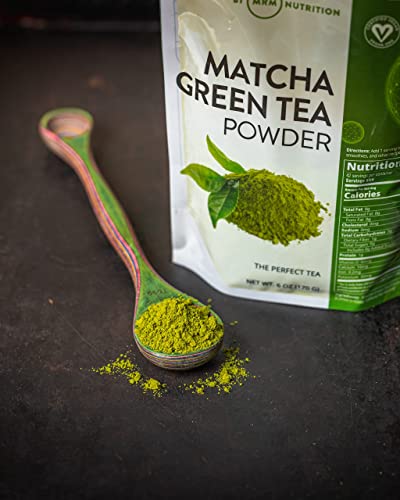
- brownish-green color
Best Use Cases
🎯 Best For
- Morning energy boost
- Afternoon caffeine pick-me-up
- Matcha lattes with milk/plant milk
- Smoothie ingredient
- Baking applications
- Daily health supplement routine
⚠️ Not Ideal For
- Traditional ceremonial preparation (culinary grade quality)
- Those seeking bright green aesthetic matcha
What to Consider
- Brownish color instead of bright green (quality indicator) (3 mentions)
- Very grassy taste (less refined than premium brands) (2 mentions)
- Large suggested serving size (2 tsp vs typical smaller amounts) (1 mentions)
- Bag packaging can be messy to use (1 mentions)
- Not as bold or vibrant as higher-priced competitors (1 mentions)
⚠️ based on 16-review sample. Some issues may not be captured.
About This Analysis
This analysis is based on 16 customer reviews. We're showing you everything we found, but with a moderate sample, there's a lot we likely haven't captured yet.
✅ What we're confident about: What customers love and best use cases
⚠️ What may be incomplete: Potential issues and considerations
For more perspectives, check customer reviews on Amazon.
Product Selection
In short: We only feature high-rated products.
Products on TeaDelight.net are selected based on strong Amazon customer ratings, sufficient review volume, and market presence. We focus on well-regarded products that tea enthusiasts are actively considering and purchasing.
As an Amazon Associate we earn from qualifying purchases.
You Might Also Like

✅ Vibrant, bright green color indicating freshness and quality
35°N MATCHA Organic Ceremonial Grade Matcha Powder

✅ Starbucks taste similarity
Jade Leaf Matcha Latte Mix Bundle (500g)

✅ taste/flavor
Jade Leaf Matcha Latte Mix Bundle (1kg)

✅ Smooth, creamy texture that blends easily