




We analyze real customer reviews to surface what matters: key strengths, ideal use cases, and honest considerations — so you can make an informed choice.
MATCHA DNA Organic Matcha Green Tea Powder
A large-format culinary-grade matcha with a fine, latte-ready powder and earthy, grassy flavor — built for daily blended drinks and cooking applications.
🎯 Best for: Morning coffee replacement, Daily matcha lattes
🍃 Tastes like: grass, earthy, metallic (negative batches)

🍃 Flavor Profile
Strength: Moderate
Notes: grass, earthy, metallic (negative batches)
✅ What Customers Love
- Exceptional value - large quantity (16 oz) at low price (15 mentions)
- Smooth, clean energy without jitters or crash (8 mentions)
- Good for lattes and mixed drinks (7 mentions)
🎯 Best For
Morning coffee replacement • Daily matcha lattes • Budget-conscious regular matcha use • Baking and cooking applications
Brand: MATCHA DNA
Category: Matcha
As an Amazon Associate we earn from qualifying purchases.
About This Matcha
This culinary-grade matcha produces a fine, smooth powder that disperses easily into lattes, smoothies, and baked goods. The flavor is earthy and grassy with mild bitterness — a profile that works well with milk and sweeteners but can be overpowering when drunk plain. Reviewers note a clean energy lift without jitters or crash, though quality varies noticeably between batches, with some arriving dull and brownish rather than vibrant green. Best suited to daily latte drinkers and home bakers who want high-volume matcha access without ceremonial-grade expectations.
Is MATCHA DNA Organic Matcha Green Tea Powder Right for You?
Is MATCHA DNA Ceremonial Grade?
No, this is culinary grade matcha, not ceremonial grade — and that's an important distinction. Ceremonial grade matcha is meant to be whisked with hot water and sipped plain, with a naturally sweet, umami-rich flavor. This MATCHA DNA powder is better suited for lattes, smoothies, baking, and any preparation where you're mixing it with milk, sweeteners, or other ingredients. Several reviewers who expected ceremonial quality were disappointed, but those who bought it knowing it's culinary grade find it works great for their daily lattes at a fraction of the price.
What are the cons of MATCHA DNA matcha?
The biggest issue reviewers flag is inconsistent quality between batches. Some people receive a vibrant green powder that tastes great, while others get a brownish, dull batch that smells musty or swampy — about 12 reviewers mention this color inconsistency specifically. Other cons: it can taste quite bitter when mixed with just water (it really needs milk and sweetener), some batches have a metallic taste, and it doesn't always blend smoothly — it can settle at the bottom of your drink. It's also not ideal on an empty stomach, as some reviewers report nausea. The trade-off is clear: you're getting a huge quantity at a low price, but quality control isn't as tight as premium brands.
What are the pros and cons of MATCHA DNA matcha?
**Pros:** Exceptional value — 16 oz of certified organic matcha at a price that's hard to beat. It comes in a durable, resealable tin with a scoop included. When you get a good batch, the powder is fine-textured and blends well into lattes. Reviewers love the smooth energy without jitters and report benefits like better focus, mood boost, and even skin improvements.**Cons:** Quality varies significantly between batches — some arrive vibrant green and fresh, others look brownish and smell musty. It's culinary grade, so it's bitter and grassy when drunk plain. Some batches have a metallic taste. It can settle at the bottom if not mixed thoroughly. Bottom line: amazing value if you're making lattes and smoothies and willing to accept some batch-to-batch variation.
Why does my MATCHA DNA powder look brown instead of green?
This is the most common complaint in reviews — about 12 people mention receiving batches that are brownish or dull in color rather than the expected vibrant green. This usually indicates the powder is older or wasn't stored optimally before shipping. Vibrant green matcha is fresher and will taste better. A brownish color often comes with a musty or stale taste. Unfortunately, this batch inconsistency is a known trade-off with this product. If your tin looks and smells fresh and green, you got a good one. Once opened, store it in a cool, dark place and use it within a few weeks to preserve freshness.
What does MATCHA DNA matcha taste like?
When you get a good batch, it has a moderate grassy, earthy flavor with the fine powder texture that blends smoothly into drinks. It's not sweet or umami-rich like ceremonial grade — this tastes like what it is: a straightforward culinary matcha. On its own with just water, reviewers find it quite bitter. Mixed into a latte with milk and sweetener, it's pleasant with a nice matcha flavor. Some reviewers from less fortunate batches report a metallic taste or musty, swampy notes — these are signs of a stale or poor-quality batch rather than what the product should taste like at its best.
Do you mix matcha with water or milk?
With this MATCHA DNA matcha specifically, milk is the way to go. Since it's culinary grade, drinking it plain with just water can taste quite bitter and grassy — multiple reviewers mention this. Mixing it into a latte with your preferred milk (oat, almond, dairy, whatever you like) plus a little sweetener brings out the best in this powder. The majority of happy reviewers are making lattes, smoothies, or blended drinks rather than traditional water-only matcha.
As an Amazon Associate we earn from qualifying purchases.
Can you use MATCHA DNA matcha for baking?
Absolutely — this is actually one of its strongest use cases. Culinary grade matcha like this is specifically what you want for baking, and the 16 oz quantity means you won't feel guilty using larger amounts in recipes. Reviewers use it for matcha cookies, cakes, muffins, ice cream, and more. In baking, the slight bitterness and bold flavor actually work in your favor since they stand up to sugar and butter. You also don't need the delicate flavor of ceremonial grade matcha, which would be wasted in a baked good anyway.
Is MATCHA DNA good for beginners?
It's actually a really practical choice for matcha beginners, for a few reasons. The price is low enough that experimenting doesn't feel risky — you can try different recipes, ratios, and preparations without worrying about wasting expensive powder. The large 16 oz quantity gives you plenty to practice with. And since most beginners prefer lattes and sweetened drinks over traditional whisked matcha, the culinary grade works well. Reviewers specifically mention it's great for learning to make lattes. Just know upfront that this isn't what high-quality ceremonial matcha tastes like — it's an entry point, not the final destination.
Can MATCHA DNA matcha replace my daily coffee?
Many reviewers have done exactly this and are happy with the switch. The energy from matcha is different — it comes on more gradually and lasts longer without the crash. Eight reviewers specifically mention smooth, clean energy without jitters. Several note that they experienced no caffeine withdrawal symptoms when transitioning from coffee, which is a common concern. The 16 oz tin makes this practical as a daily coffee replacement since you won't run out quickly and the cost per serving is very low. Start by alternating between coffee and matcha for a week if you're nervous about the switch.
What milk works best with MATCHA DNA matcha?
Reviewers use all kinds of milk with this matcha, and it works well across the board. Oat milk is a popular choice because its natural sweetness complements the earthy, slightly bitter matcha flavor. Almond milk keeps it lighter in calories. Regular dairy milk gives the creamiest result. The key takeaway from reviews is that this matcha genuinely needs milk to taste its best — it's designed for lattes and blended drinks rather than plain water. Whichever milk you choose, warming or frothing it first makes a noticeable difference in the final drink.
Does this matcha dissolve well or does it clump?
Results are mixed. Six reviewers praise the fine powder texture and say it blends well, but three others report it settles at the bottom of their drinks. The key to avoiding clumps: always sift the powder through a fine mesh strainer before mixing, start with a small amount of hot water to make a paste, and use a frother or whisk vigorously. If you just dump the powder into cold milk and stir with a spoon, you'll definitely get clumps. A handheld milk frother is probably the best tool for this particular matcha — quick, easy, and it breaks up any stubborn bits.
How should I store MATCHA DNA matcha to keep it fresh?
The tin itself is durable and resealable, which is a good start — five reviewers mention appreciating the container. Keep it in a cool, dark place away from heat and sunlight. Since 16 oz is a large quantity that may take months to finish, consider transferring the bulk to an airtight container in your freezer and keeping just a week or two's worth in the tin on your counter. This helps prevent the gradual oxidation that turns matcha brownish and stale. Always use a dry scoop — moisture is matcha's enemy.
As an Amazon Associate we earn from qualifying purchases.
Is 16 oz of matcha too much? Will it go stale?
16 oz is a lot of matcha — that's about 450 grams, or roughly 450+ servings at a teaspoon per drink. If you're drinking matcha daily, you'll go through it in several months. The resealable tin helps with storage, but matcha does lose freshness over time. Reviewers who are daily drinkers love the value and go through it quickly enough. If you only drink matcha occasionally, this might be too much before it starts losing its vibrancy. A good compromise: store the bulk in the freezer and keep a small amount in the tin for daily use.
How to make a matcha latte with MATCHA DNA powder?
This is the most popular way reviewers use this product. Here's what works: sift 1-2 teaspoons of the powder into a mug (sifting prevents clumps), add about 2 tablespoons of hot water and whisk into a smooth paste, then pour in 8 oz of steamed milk — oat and almond milk are popular choices among reviewers. Add honey, vanilla, or your sweetener of choice. The key is making that initial paste smooth before adding milk. Some reviewers use a handheld milk frother right in the cup for convenience, which helps since this powder can sometimes settle at the bottom.
How to make matcha tea without a whisk?
You absolutely don't need a traditional bamboo whisk for this MATCHA DNA powder. Reviewers use all sorts of methods: a handheld milk frother works great and is the most popular alternative, a small mason jar you can shake vigorously does the job, or even a regular fork with some elbow grease. A blender works well too, especially for smoothies. The main goal is breaking up any clumps — sifting the powder first through a fine mesh strainer makes every method easier. Since this is culinary grade matcha going into lattes and blended drinks anyway, a bamboo whisk is really not necessary.
How to make iced matcha with this powder?
Iced matcha lattes are a great use for this MATCHA DNA powder. The trick is to dissolve the matcha in a small amount of hot water first — about 2 tablespoons — and whisk it into a smooth paste. Then pour it over a glass full of ice and add cold milk. If you skip the hot water step and try to mix the powder directly into cold liquid, it'll clump up badly. Some reviewers just shake the matcha with a little hot water in a bottle, then pour it over ice and milk. Add sweetener to taste — a simple syrup dissolves better in cold drinks than granulated sugar.
Is Starbucks matcha good for you?
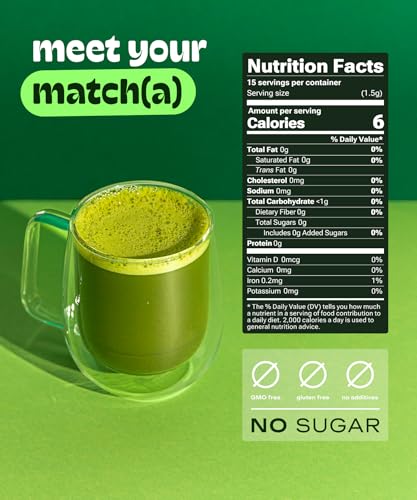
Starbucks matcha lattes use a pre-sweetened matcha powder blend where sugar is actually the first ingredient. A grande matcha latte at Starbucks has around 28 grams of sugar. Making your own matcha latte at home with this MATCHA DNA powder lets you control exactly what goes in — you can use no sugar at all, or just a touch of honey. The matcha itself is certified organic and pure, with no added sugar in the tin. Plus, at the price of two or three Starbucks matcha lattes, you could buy this entire 16 oz tin and make dozens of drinks.
Is a matcha latte good for you?
A matcha latte retains most of matcha's health benefits — the antioxidants, L-theanine, and gentle caffeine are all still there. The main variable is what you add to it. Reviewers of this MATCHA DNA powder who make daily lattes report the same benefits as straight matcha drinkers: clean energy, focus, and mood improvement. Just be mindful of added sugars — a matcha latte with a tablespoon of honey is quite different from a coffeeshop version loaded with flavored syrup. Since this culinary grade matcha genuinely tastes best as a latte, you can feel good about making it your daily drink.
As an Amazon Associate we earn from qualifying purchases.
Is matcha good for your skin?
Several reviewers of this MATCHA DNA powder actually reported unexpected skin improvements — one specifically mentioned their eczema clearing up after drinking matcha regularly. Matcha is rich in antioxidants (particularly EGCG) and has anti-inflammatory properties, which may explain these effects. While more research is needed, the anecdotal evidence from reviewers is encouraging. Some people also use matcha powder in face masks, and this large, affordable tin makes that practical if you want to try it both internally and externally.
Is matcha better for anxiety than coffee?
Based on what reviewers of this MATCHA DNA matcha report, many of them think so. Several people specifically mention reduced anxiety after switching from coffee, and the consistent theme across reviews is smooth energy without jitters. Matcha contains L-theanine, which promotes a calm, focused state rather than the spike-and-crash cycle coffee can trigger. One reviewer even noted significant anxiety reduction as an unexpected benefit. That said, matcha still contains caffeine, so if you're very sensitive, start with a smaller serving and see how you feel.
What is organic matcha green tea powder good for?
This MATCHA DNA organic powder is most popular for making daily matcha lattes, smoothies, and as a coffee replacement. Reviewers consistently report smooth, clean energy without the jitters or crash that coffee gives them. Beyond drinks, people use it for baking and cooking — the large 16 oz tin makes it practical for culinary applications where you're going through matcha quickly. Several reviewers also noted unexpected benefits like improved mental focus, mood boost, and even skin improvements including eczema clearing up.
How much caffeine is in MATCHA DNA matcha powder?
While MATCHA DNA doesn't list an exact caffeine amount on the tin, a typical serving of matcha (about 1 gram or half a teaspoon) contains roughly 30-40 mg of caffeine — less than a cup of coffee but enough to give you a noticeable lift. What reviewers love about this matcha is that the energy feels different from coffee: multiple people describe it as sustained alertness without jitters or a crash. The L-theanine in matcha slows how your body absorbs the caffeine, which is why it feels smoother.
How do you brew MATCHA DNA matcha powder?
For a basic matcha drink, sift about 1 teaspoon of the powder into a cup, add a small amount of hot water (not boiling — around 175°F is ideal), and whisk until smooth. Then add more hot water or steamed milk depending on whether you want tea or a latte. The tin comes with a scoop, which is handy. One thing reviewers note: this particular matcha can settle at the bottom if you don't mix it thoroughly, so a good whisk or frother makes a difference. Since it's culinary grade, most people find it tastes best as a latte with milk and a touch of sweetener rather than straight with water.
How to make matcha as a beginner?
This MATCHA DNA tin is actually a solid beginner choice because it's affordable and you get a huge 16 oz quantity to practice with. Start simple: put half a teaspoon of matcha in a mug, add a splash of hot water (not boiling), whisk or stir until you get a smooth paste with no lumps, then fill the rest with steamed or warmed milk and sweeten to taste. Don't worry about getting a perfect froth right away. Reviewers say this matcha works well with milk and sweeteners, which makes it forgiving for beginners still figuring out their preferred ratios.
As an Amazon Associate we earn from qualifying purchases.
What are the health benefits of matcha?
Matcha is packed with antioxidants (particularly EGCG), L-theanine for calm focus, and a moderate amount of caffeine. Reviewers of this MATCHA DNA powder specifically report: sustained energy without crashes, improved mental alertness and focus, mood boost and relaxation, digestive support, and reduced anxiety compared to coffee. Some unexpected benefits reviewers mention include skin improvement (eczema clearing), working as a coffee replacement without withdrawal symptoms, and what some describe as alkaline properties. Since you're consuming the whole ground tea leaf, you're getting a more concentrated dose of these compounds than brewed green tea.
Is it okay to drink MATCHA DNA matcha every day?
Many reviewers of this product drink it daily — some have been using it for months as their everyday coffee replacement. They report sustained energy, better focus, and no withdrawal symptoms when they switched from coffee. A few things to keep in mind: some reviewers mention it can cause nausea on an empty stomach, so having it with or after food is a good idea. At 16 oz, this tin is clearly designed for daily drinkers who go through matcha quickly, which actually helps since you'll finish it before freshness becomes an issue.
Is it safe to drink matcha every day?
For most people, yes — and many reviewers of this MATCHA DNA powder do exactly that. Daily drinkers report sustained energy, better focus, and improved mood over time. The fact that it's certified organic is reassuring for everyday use since you're consuming the whole leaf, not just a brewed extract. A couple of cautions from reviewers: don't drink it on an empty stomach (some experienced nausea), and if you're caffeine-sensitive, start with half a teaspoon and work up. The 16 oz tin is clearly sized for daily drinkers.
Is matcha higher in caffeine than coffee?
Cup for cup, coffee typically has more caffeine — a standard cup of coffee has about 95 mg while a serving of matcha has about 30-40 mg. But what reviewers of this MATCHA DNA powder consistently highlight is that the energy feels completely different. Eight reviewers specifically describe smooth, clean energy without jitters or a crash. That's because matcha's caffeine is paired with L-theanine, an amino acid that promotes calm focus. Several reviewers switched from coffee entirely and say they prefer how matcha makes them feel — alert but not wired.
Is matcha actually healthier than coffee?
Both have their merits, but matcha has some unique advantages. Since you're consuming the entire ground tea leaf, you get a concentrated dose of antioxidants (catechins, specifically EGCG) that brewed coffee doesn't match. Reviewers of this MATCHA DNA powder frequently mention benefits they didn't get from coffee: smoother energy without crashes, reduced anxiety, better focus, digestive improvements, and even skin clearing up. The L-theanine in matcha provides a calming effect that coffee lacks. That said, coffee has its own antioxidants and health benefits — but if jitters, anxiety, or energy crashes are issues for you, matcha is worth trying.
Which is healthier, matcha or coffee?
Both are healthy in moderation, but they work differently. Matcha gives you a broader spectrum of antioxidants since you consume the whole leaf, plus L-theanine which provides calm focus. Coffee delivers more caffeine per cup and has its own set of beneficial compounds. What's telling is how reviewers of this MATCHA DNA powder describe the switch from coffee: smooth energy instead of spikes, no jitters or crash, reduced anxiety, and no withdrawal symptoms when transitioning. If you're happy with coffee, great — but if you experience anxiety, jitters, or afternoon crashes, matcha might genuinely be a better fit for you.
As an Amazon Associate we earn from qualifying purchases.
What is the highest quality matcha?
The highest quality matcha is ceremonial grade, stone-ground from shade-grown tencha leaves in regions like Uji, Kyoto. It's vibrant green, naturally sweet, and meant to be enjoyed plain with just water. This MATCHA DNA powder is on the opposite end of that spectrum — it's an affordable, certified organic culinary grade matcha best used in lattes and recipes. If you're looking for top-tier ceremonial matcha, expect to pay significantly more per ounce. But if you want a budget-friendly organic option for daily blended drinks, this fills that role.
Customer-Validated Strengths
based on 30-review analysis • Our methodology
- Exceptional value - large quantity (16 oz) at low price (15 mentions)
- Smooth, clean energy without jitters or crash (8 mentions)
- Good for lattes and mixed drinks (7 mentions)
- Fine powder texture, blends well (6 mentions)
- Durable, resealable tin container with scoop (5 mentions)
- Certified organic (4 mentions)
Taste Profile
- smooth
- earthy
- bitter (when low quality)
- grassy
- fine powder texture
- variable quality - fresh vs stale
Best Use Cases
🎯 Best For
- Morning coffee replacement
- Daily matcha lattes
- Budget-conscious regular matcha use
- Baking and cooking applications
- Smoothies and blended drinks
⚠️ Not Ideal For
- Ceremonial-style traditional matcha tea
- Drinking plain/unsweetened
- When consistent quality is critical
- Empty stomach (may cause nausea)
What to Consider
- Inconsistent quality between batches - brownish/dull color vs vibrant green (12 mentions)
- Bitter, overpowering taste (especially poor batches) (8 mentions)
- Not ceremonial grade - culinary grade quality (6 mentions)
- Swampy, musty, rotting grass smell (quality control issues) (5 mentions)
- Non-returnable product despite quality issues (4 mentions)
- Doesn't blend/whisk well - settles at bottom (3 mentions)
- Metallic taste reported in some batches (3 mentions)
based on 30-review sample.
About This Analysis
This analysis is based on 30 customer reviews. We're showing you everything we found, but with our analysis, there's always more to discover.
✅ What we're confident about: What customers love and best use cases
⚠️ What may be incomplete: Potential issues and considerations
For more perspectives, check customer reviews on Amazon.
Product Selection
In short: We only feature high-rated products.
Products on TeaDelight.net are selected based on strong Amazon customer ratings, sufficient review volume, and market presence. We focus on well-regarded products that tea enthusiasts are actively considering and purchasing.
As an Amazon Associate we earn from qualifying purchases.
You Might Also Like

✅ Vibrant, bright green color indicating freshness and quality
35°N MATCHA Organic Ceremonial Grade Matcha Powder

✅ Starbucks taste similarity
Jade Leaf Matcha Latte Mix Bundle (500g)

✅ taste/flavor
Jade Leaf Matcha Latte Mix Bundle (1kg)

✅ Smooth, creamy texture that blends easily