




We analyze real customer reviews to surface what matters: key strengths, ideal use cases, and honest considerations — so you can make an informed choice.
KIMIKURA Ceremonial Grade Matcha Green Tea Powder
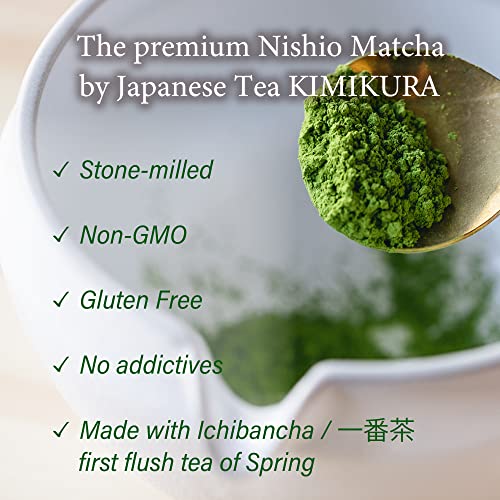
A stone-ground ceremonial matcha with a bold umami core — seaweed-forward, naturally sweet, and ultra-fine in texture with a vivid jade-green color and no bitterness.
🎯 Best for: Traditional usucha (thin tea) preparation, Daily ceremonial matcha ritual
🍃 Tastes like: seaweed, floral, almond

🍃 Flavor Profile
Strength: Bold
Notes: seaweed, floral, almond
✅ What Customers Love
- Strong umami and seaweed flavor profile (5 mentions)
- Vibrant emerald/jade green color indicating freshness (4 mentions)
- Ultra fine stone ground texture that froths well (4 mentions)
🎯 Best For
Traditional usucha (thin tea) preparation • Daily ceremonial matcha ritual • Matcha lattes • Morning/afternoon caffeine boost
Brand: KIMIKURA
Category: Matcha
As an Amazon Associate we earn from qualifying purchases.
About This Matcha
Stone-ground to an ultra-fine texture, this ceremonial matcha delivers bold umami with seaweed, floral, almond, and natural cane sugar sweetness. Smooth and creamy with no bitterness, it froths well for traditional usucha or lattes, and its vivid emerald color signals genuine freshness. Beginners find it approachable; enthusiasts appreciate the froth quality and the layered depth that rewards proper preparation. Those sensitive to strong seaweed flavors may find the umami profile too assertive. Best suited to daily ceremonial drinkers and matcha latte fans seeking ceremonial-grade character.
Is KIMIKURA Ceremonial Grade Matcha Green Tea Powder Right for You?
What makes Kimikura matcha special?
Kimikura matcha stands out for a few key reasons. It's sourced from Nishio, Japan — one of the country's premier matcha-growing regions — and this particular tin is competition grade, which is a step above standard ceremonial. Reviewers consistently highlight its vibrant emerald-green color (a reliable sign of freshness and quality), ultra-fine stone-ground texture that froths beautifully, and a rich umami flavor profile with natural sweetness and no bitterness. Several customers describe it as having a distinctive seaweed and floral character with hints of almond and sugar cane, which is exactly what you'd expect from a high-end Japanese matcha.
What does Kimikura matcha taste like?
Reviewers describe Kimikura as having a bold, complex flavor profile. The dominant note is a rich umami with seaweed undertones — this is a sign of quality, not a defect. Beyond that, you'll pick up floral notes, hints of almond, a creamy milk-like quality, and a unique sweetness that some compare to green sugar cane. The texture is incredibly smooth and creamy thanks to the ultra-fine stone grind. Multiple reviewers emphasize there's no bitterness at all, and the natural sweetness means most people enjoy it without any added sugar.
What's the difference between competition grade and ceremonial grade matcha?
Competition grade (sometimes called contest grade) is a tier above standard ceremonial. While ceremonial grade is already premium — made from shade-grown, first-harvest leaves and stone-ground — competition grade meets even stricter standards for color, texture, and flavor. It's the quality that Japanese tea producers submit to national tea competitions for judging. With Kimikura, you can see this in the exceptionally vivid emerald color, the 'moon dust' fine texture, and the complex, umami-rich flavor profile that reviewers consistently praise. Think of ceremonial grade as excellent, and competition grade as exceptional.
Is Kimikura matcha good for beginners?
Surprisingly, yes. Despite being competition grade, several first-time matcha drinkers left positive reviews. The smooth, naturally sweet flavor with no bitterness makes it very approachable — you won't have that unpleasant bitter shock that turns many beginners off cheaper matcha. It's also forgiving in preparation: reviewers confirm it works well with an immersion blender, so you don't need to invest in a traditional bamboo whisk right away. The bright green color gives you a clear visual cue that you're working with something special. Just be aware of the bold umami — if you've only had mild matcha lattes before, this is a step up in intensity.
Is Kimikura matcha too strong in flavor?
This is worth addressing honestly. Kimikura has a bold umami and seaweed flavor profile — a couple of reviewers found it too intense for their preference. If you're used to mild, grassy matcha or sweetened matcha lattes from coffee shops, the strong umami might surprise you. However, the majority of reviewers love this intensity and see it as a mark of quality. If you're concerned, start with a smaller amount of powder and work your way up, or try it as a latte where milk softens the umami. If you know you dislike seaweed flavors in general, this might not be the right matcha for you.
What are the cons of matcha tea?
Being honest about Kimikura specifically: the most common concern is its bold umami and seaweed flavor, which a couple of reviewers found too intense for their taste. If you prefer mild, grassy matcha, this one might be stronger than you expect. One reviewer also described it as bitter, though the majority strongly disagree and call it smooth with no bitterness — preparation technique matters a lot here (too-hot water will make any matcha bitter). On the practical side, it contains caffeine so it's not ideal for evening drinking, and the competition-grade pricing means it's a splurge for some budgets.
As an Amazon Associate we earn from qualifying purchases.
What are the pros and cons of matcha?
For Kimikura specifically — the pros are impressive: vibrant jade-green color indicating freshness, ultra-fine stone-ground texture that froths beautifully, naturally sweet with a rich umami profile, smooth with no bitterness, and it even works without a traditional whisk. It provides good caffeine energy with the calming effect of L-theanine. The cons: the bold seaweed/umami flavor isn't for everyone (a couple of reviewers found it too strong), it contains caffeine so skip it in the evenings, and competition-grade pricing means it's more expensive than standard matcha brands on Amazon.
Does Kimikura matcha froth well?
Yes — this is one of its standout qualities. Multiple reviewers specifically mention how well it froths, which is directly linked to the ultra-fine stone-ground texture. A finer grind suspends more evenly in water and creates better, more stable foam. Whether you're using a traditional bamboo chasen or an immersion blender, Kimikura produces a thick, creamy layer of microfoam on top. Good froth isn't just aesthetic — it's an indicator of quality and proper preparation, and this matcha makes it easy to achieve.
How to make matcha as a beginner?
Kimikura is actually a great choice for beginners, and several first-time matcha drinkers say so in their reviews. Start simple: sift a small scoop (about 1 gram) into a cup, add 2-3 oz of hot water (not boiling — around 175°F), and whisk or blend until smooth. Don't have a bamboo whisk? No problem — reviewers confirm this matcha works well with an immersion blender. The smooth, naturally sweet flavor with no bitterness makes it very approachable if you're new to matcha. The bright green color is also a great visual indicator that you're getting quality.
How do you brew Kimikura matcha?
For traditional usucha (thin tea), sift about 1-2 grams of Kimikura matcha into a bowl, add a small amount of hot water (around 175°F / 80°C — not boiling), and whisk vigorously in a W or M motion with a bamboo chasen until frothy. This matcha froths exceptionally well thanks to its ultra-fine grind. For a latte, whisk the matcha with a small amount of hot water first, then add steamed milk. One nice thing reviewers mention: Kimikura also works surprisingly well with an immersion blender if you don't have a traditional whisk, making it more accessible for beginners.
What water temperature should you use for Kimikura matcha?
Use water around 175°F (80°C) — definitely not boiling. This is critical with any quality matcha, but especially important with Kimikura. Too-hot water will scald the delicate leaves and bring out bitterness, which is likely what happened with the one reviewer who described it as bitter. Let your kettle cool for a couple of minutes after boiling, or use a thermometer if you have one. The reward for getting the temperature right is that smooth, naturally sweet, umami-rich cup that the majority of reviewers love.
How to make a matcha latte with Kimikura?
Start by sifting 1-2 grams of Kimikura matcha into a bowl or cup. Add about 2 oz of hot water (175°F) and whisk vigorously until you get a smooth, bright green paste with no lumps. Then pour in 6-8 oz of steamed milk — oat, whole, or your preference. The natural sweetness of this matcha means many people enjoy it without any added sweetener. Reviewers specifically mention it makes excellent lattes thanks to its creamy, smooth character and bold enough flavor to shine through milk.
As an Amazon Associate we earn from qualifying purchases.
How to make matcha tea without a whisk?
Good news — multiple Kimikura reviewers confirm it works great without a traditional bamboo whisk. An immersion blender is the most popular alternative and produces excellent froth with this matcha. You can also use a small electric milk frother, shake it in a sealed jar with hot water, or even use a regular fork with some extra elbow grease. The ultra-fine stone-ground texture of Kimikura dissolves more easily than coarser matchas, which helps when you're working without proper tools.
How to make iced matcha with Kimikura?
Sift 1-2 grams of Kimikura matcha into a glass, add a small splash of hot water (just enough to dissolve — maybe 1-2 oz), and whisk or blend until smooth. Then fill the glass with ice and top with cold water or cold milk. The bold umami flavor of this matcha holds up well over ice without becoming watery or bland. Some people also shake it in a bottle with cold water and ice for a quick on-the-go option — the fine grind helps it dissolve even in cold liquid better than most matchas.
Can you use Kimikura matcha for cooking or baking?
You can, but it's honestly a waste of this matcha's quality. Competition-grade matcha like Kimikura is designed for drinking — its nuanced flavor notes (floral, almond, umami) and ultra-fine texture are best appreciated in a bowl of usucha or a well-made latte. In baking, heat destroys many of the delicate flavors and the added sugar and butter mask the subtlety. If you want matcha for cooking, save money and buy a good culinary grade. Save Kimikura for drinking straight or in lattes where you can actually taste what you're paying for.
How should you store Kimikura matcha?
Matcha is sensitive to light, heat, air, and moisture — all of which degrade its color and flavor. Kimikura comes in a tin with an inner seal, which reviewers note as a nice quality touch for preserving freshness. Once opened, keep it sealed tightly, store it in a cool dark place (the fridge is ideal), and try to use it within a month or two for the best flavor. That vibrant emerald-green color reviewers rave about will gradually fade if exposed to air or light, and the flavor will become more flat and bitter.
How much Kimikura matcha is in the tin?
This tin contains 30 grams (about 1 oz) of matcha powder. Using the traditional serving size of about 1-2 grams per bowl, that gives you roughly 15-30 servings depending on how strong you like it. For daily use, a tin will last about 2-4 weeks. Given the competition-grade quality, this is a typical size for premium Japanese matcha — it keeps the powder fresh since you'll use it up before it degrades.
Where is Kimikura matcha from?
Kimikura matcha comes from Nishio in Aichi Prefecture, Japan. Nishio is one of Japan's most prestigious matcha-producing regions, with ideal growing conditions — the right combination of climate, soil, and river mist that produces exceptional shade-grown tea. The Kimikura brand is a Japanese tea company, not a Western brand that sources from Japan, which matters for quality control throughout the production process from growing through stone-grinding.
As an Amazon Associate we earn from qualifying purchases.
What is the difference between matcha powder and ceremonial matcha?
The main differences come down to quality, flavor, and intended use. Culinary-grade matcha is meant for cooking and baking — it's often more bitter and less vibrant in color. Ceremonial grade like Kimikura is made from the youngest, most tender tea leaves, stone-ground to an ultra-fine 'moon dust' texture. You can see the difference immediately: Kimikura has a bright jade-green color, while lower grades tend to look more yellow-green or dull. Taste-wise, this ceremonial matcha is smooth with natural sweetness and zero bitterness, whereas culinary grades can taste harsh when drunk straight.
Do you mix matcha with water or milk?
Both work beautifully with Kimikura, and it really depends on what you're after. For the full ceremonial experience — where you can taste all the umami, floral, and almond notes — mix it with hot water (not boiling, around 175°F). For a creamier, more approachable drink, make a matcha latte by whisking it with a splash of hot water first, then adding steamed milk. Reviewers note the natural sweetness and smooth character make it excellent in lattes without needing added sugar.
Is it okay to drink ceremonial matcha every day?
Yes, ceremonial matcha like Kimikura is safe for daily use, and many of its customers do exactly that — using it as part of a daily matcha ritual. It does contain caffeine, so you'll want to enjoy it in the morning or afternoon rather than late evening. The one practical consideration is cost: at competition-grade pricing, some reviewers note it's a premium choice for everyday use. Some matcha enthusiasts keep a ceremonial grade for special preparations and a more affordable option for daily lattes.
Is matcha better for anxiety than coffee?
Many people find matcha easier on anxiety than coffee, and Kimikura's smooth, no-bitterness profile may help explain why. Matcha contains L-theanine alongside its caffeine — an amino acid that promotes relaxation without drowsiness. This combination gives you focused energy rather than the jittery, anxious buzz some people get from coffee. Reviewers who use Kimikura as a daily caffeine source mention good energy levels, and the ritual of preparing matcha can itself be a calming practice. Just keep in mind it still contains caffeine, so it's best avoided late in the day.
Is matcha higher in caffeine than coffee?
Cup for cup, a standard serving of matcha has roughly half to two-thirds the caffeine of coffee — about 60-70mg per serving versus 95-100mg for drip coffee. But the experience is quite different. Reviewers mention Kimikura provides good energy without the jittery spike-and-crash of coffee. That's because matcha's caffeine is paired with L-theanine, an amino acid that promotes calm focus. Several customers specifically use this matcha as their morning caffeine source as an alternative to coffee.
Is Starbucks matcha good for you?
Starbucks matcha is a very different product from ceremonial-grade matcha like Kimikura. Starbucks uses a pre-sweetened matcha powder blend where sugar is actually the first ingredient. A grande Starbucks matcha latte contains around 30+ grams of sugar. Kimikura, by contrast, is 100% pure stone-ground matcha with no additives — and reviewers consistently praise its natural sweetness without needing any sugar. If you're drinking matcha for health benefits, making it at home with a quality ceremonial grade gives you the antioxidants and L-theanine without the sugar bomb.
As an Amazon Associate we earn from qualifying purchases.
Is matcha latte good for you?
A matcha latte made with quality ceremonial matcha like Kimikura can be a healthy choice — you're getting the antioxidants and L-theanine from the matcha, plus calcium from milk. The key difference from a Starbucks matcha latte is sugar: Kimikura has natural sweetness that multiple reviewers say eliminates the need for added sweetener. When you make it at home with this matcha and unsweetened milk, you're getting a genuinely clean drink. Just be mindful of what milk you use and any sweeteners you add — those choices affect the health profile more than the matcha itself.
What are the health benefits of matcha?
Matcha offers a concentrated package of benefits because you consume the whole ground tea leaf. Key ones include: high antioxidant content (particularly EGCG catechins), L-theanine for calm focus and reduced anxiety, steady caffeine energy without the coffee crash, and chlorophyll which supports detoxification. Kimikura's bright emerald-green color — consistently mentioned by reviewers — is actually a quality indicator here, as that vivid green means high chlorophyll and catechin levels. Reviewers also specifically mention good energy from the caffeine content.
Is matcha good for weight loss?
Matcha contains catechins (especially EGCG) and caffeine, both of which research has linked to a modest boost in metabolism. However, it's not a magic weight-loss solution. Where a matcha like Kimikura can genuinely help is as a coffee or sugary drink replacement — its natural sweetness means you can enjoy it without added sugar, and the L-theanine provides sustained energy without the crash that leads to snacking. Several reviewers note they drink it without any sweetener, which makes it a near-zero-calorie beverage when prepared with just water.
Which is healthier, matcha or coffee?
They're both healthy in moderation, but matcha has some edges. You get significantly more antioxidants per serving (matcha has about 137 times the EGCG of standard green tea, and far more than coffee). The L-theanine in matcha provides calm, focused energy versus coffee's more intense spike. And because Kimikura is naturally sweet and smooth — reviewers consistently note no bitterness — you're less likely to add sugar or flavored syrups. Coffee wins on convenience and lower cost per serving, but for a pure health comparison, quality ceremonial matcha like Kimikura has the advantage.
Is matcha actually healthier than coffee?
Both have health benefits, but matcha has some unique advantages. Because you're consuming the whole ground tea leaf rather than a brewed extract, you get a concentrated dose of antioxidants (particularly catechins like EGCG). Matcha also contains L-theanine, which coffee lacks — it promotes calm, focused energy rather than the jittery buzz. Reviewers who switched to Kimikura from coffee specifically mention appreciating the smoother energy curve. That said, 'healthier' depends on your individual needs. If you're sensitive to caffeine, matcha has less per cup but you're still getting some.
Is it safe to drink matcha every day?
Yes, matcha is generally safe for daily consumption, and many Kimikura customers use it exactly that way — as part of a daily ceremonial ritual or morning caffeine boost. The main thing to be mindful of is caffeine intake, especially if you're also drinking coffee or other caffeinated beverages. Pregnant or nursing women should consult their doctor about caffeine limits. Some matcha enthusiasts who drink Kimikura daily note that while the quality is exceptional, the premium price point means budgeting for everyday use is worth considering.
As an Amazon Associate we earn from qualifying purchases.
What is the best matcha brand for ceremonial grade?
There are several reputable ceremonial matcha brands, but Kimikura is worth serious consideration. It's a Japanese tea company based in Nishio — a region with over 800 years of tea-growing history. This particular product is competition grade, meaning it meets standards even above typical ceremonial. Reviewers praise its vibrant color, smooth umami-rich flavor, and ultra-fine texture. What sets it apart from many Amazon matcha brands is that it's genuinely sourced and processed in Japan, not just packaged there, and the quality is immediately visible in the bright emerald color.
What is the highest quality matcha?
The highest quality matcha is typically labeled competition or contest grade — which is exactly what this Kimikura product is. Competition grade sits above standard ceremonial and is the kind of matcha that Japanese tea producers enter into national tea competitions. You can tell by the vivid jade-green color, the ultra-fine stone-ground texture (reviewers describe it as 'moon dust'), and the complex flavor profile: strong umami, natural sweetness, floral notes, and absolutely no bitterness. It's sourced from Nishio, one of Japan's top matcha regions.
Is matcha good for your skin?
Matcha is rich in antioxidants — particularly EGCG, a catechin that research suggests may help protect skin from UV damage and support overall skin health. Because you consume the entire ground leaf with matcha (unlike steeped tea where you discard the leaves), you get a much higher concentration of these compounds. While Kimikura's reviews don't specifically mention skin benefits, the vibrant green color is a reliable indicator of high chlorophyll and catechin content, which are the compounds linked to skin health benefits.
What is the 30/20/10 rule for matcha?
The 30/20/10 rule is a general matcha preparation guideline: use about 30 seconds of whisking, 20 oz of water temperature at 80°C (176°F), and 10 grams of matcha per serving session (spread across multiple bowls). It's more of a rough framework than a strict rule. With Kimikura's ultra-fine grind, you may find it incorporates faster than coarser matchas, so you might need even less than 30 seconds to get a smooth, frothy result.
What Customers Love
⚠️ Limited sample based on limited customer feedback (10 reviews) • Our methodology
- Strong umami and seaweed flavor profile (5 mentions)
- Vibrant emerald/jade green color indicating freshness (4 mentions)
- Ultra fine stone ground texture that froths well (4 mentions)
- Natural sweetness without added sugar (3 mentions)
- Smooth with no bitterness (3 mentions)
- Premium presentation and packaging with inner seal (2 mentions)
Taste Profile
- smooth
- creamy
- sweet
- balanced
- ultra fine texture
- no bitterness
- umami-rich
Best Use Cases
🎯 Best For
- Traditional usucha (thin tea) preparation
- Daily ceremonial matcha ritual
- Matcha lattes
- Morning/afternoon caffeine boost
⚠️ Not Ideal For
- Those who dislike strong umami/seaweed flavors
- Evening use (contains caffeine)
What to Consider
- Strong seaweed flavor too bold for some preferences (2 mentions)
- One reviewer found it bitter like culinary grade (1 mentions)
⚠️ Important: This analysis is based on limited customer feedback (10 reviews). We've shared what we found, but there may be additional considerations we haven't captured.
About This Analysis
This analysis is based on 10 customer reviews. We're showing you everything we found, but with a small sample, there's a lot we likely haven't captured yet.
✅ What we're confident about: What customers love and best use cases
⚠️ What may be incomplete: Potential issues and considerations
For more perspectives, check customer reviews on Amazon.
Product Selection
In short: We only feature high-rated products.
Products on TeaDelight.net are selected based on strong Amazon customer ratings, sufficient review volume, and market presence. We focus on well-regarded products that tea enthusiasts are actively considering and purchasing.
As an Amazon Associate we earn from qualifying purchases.
You Might Also Like

✅ Vibrant, bright green color indicating freshness and quality
35°N MATCHA Organic Ceremonial Grade Matcha Powder

✅ Starbucks taste similarity
Jade Leaf Matcha Latte Mix Bundle (500g)

✅ taste/flavor
Jade Leaf Matcha Latte Mix Bundle (1kg)

✅ Smooth, creamy texture that blends easily