



We analyze real customer reviews to surface what matters: key strengths, ideal use cases, and honest considerations — so you can make an informed choice.
Ki Matcha Organic Ceremonial Green Tea Powder
USDA-organic ceremonial matcha at a mid-tier price — smooth is the word eight of twenty-five reviewers reach for first, with umami running close behind.
🎯 Best for: daily matcha latte with whole or oat milk, afternoon or workday energy lift
🍃 Strength: Medium

What Stands Out
🍃 Flavor Profile
Strength: Medium
Smoothness leads the profile, mentioned by eight of twenty-five reviewers, with a rich umami core picking up across four flavor-note mentions and a quiet floral lift behind it. A handful of drinkers describe the bowl as clean and balanced with little to no bitterness, while one notes a nutty, slightly sweet finish. We'd call the aroma fresh and lightly vegetal — the kind of brothy, just-steamed character that whisks up to a frothy micro-foam when the technique cooperates.
✅ What Customers Love
- smooth, low-astringency profile
- rich umami core
- vibrant green color
🎯 Best For
daily matcha latte with whole or oat milk • afternoon or workday energy lift • traditional whisked usucha at home • iced matcha lattes
Brand: Matcha Konomi
Category: Matcha
As an Amazon Associate we earn from qualifying purchases.
About This Matcha
Ki Matcha is a USDA-organic ceremonial Japanese matcha at a mid-tier price point. Smoothness leads the profile — eight of twenty-five reviewers reach for that word first, with a rich umami core and a quiet floral lift behind it. A handful of drinkers describe the bowl as clean and balanced with little to no bitterness, and one notes a nutty, slightly sweet finish. The aroma sits fresh and lightly vegetal — the kind of brothy, just-steamed character that whisks up to a frothy micro-foam when the technique cooperates.
Most reviewers reach for this as a daily latte, with whole milk and oat milk as the most-cited pairings; iced lattes get specific mentions alongside traditional whisked usucha. It suits an afternoon or workday pick-me-up — reviewers describe a gentle lift of energy rather than a jittery one — though it remains caffeinated and not an evening drink.
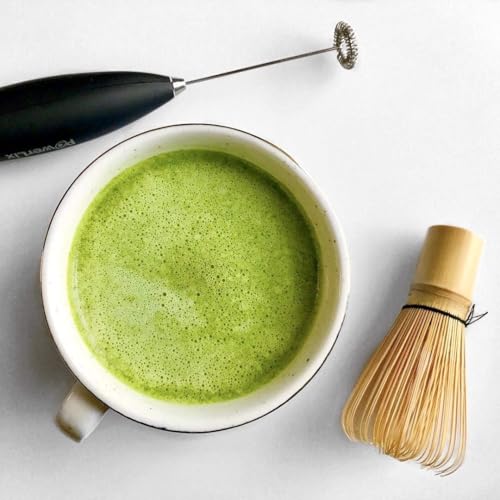
For preparation, sift the powder before whisking and use roughly a half teaspoon (about 1g) to 2½ ounces of water just below a simmer. One detailed review walks through exactly this ratio and finds the powder sifts and blends cleanly when handled that way.
A few honest caveats: three reviewers flag clumping, with one encountering some of the hardest clumps they'd ever seen, and two find the per-cup price steep for a 30g tin. One drinker calls the color duller than top-grade ceremonial matcha they've tried — if you're benchmarking against high-end Uji, this sits a step below that bar.
For a daily-latte habit or a casual whisked bowl at home, the smooth, low-astringency profile carries the price; for top-tier ceremonial benchmarking, look further up the grade scale.
Is Ki Matcha Organic Ceremonial Green Tea Powder Right for You?
What does this matcha actually taste like?
Smoothness leads — eight of twenty-five reviewers reach for that word first, with a rich umami core picking up across four flavor-note mentions and a quiet floral lift behind it. A few drinkers describe the bowl as clean and balanced with little to no bitterness, and one notes a nutty, slightly sweet finish.
Is it bitter or astringent?
Generally no — two reviewers explicitly call out 'no bitterness' and the taste aspect runs 18 positive to 1 negative across the reviewer pool. One drinker does mention bitterness in the raw powder form before whisking, and a single reviewer notes some lingering dryness on the finish.
Does the powder clump?
Clumping is the most-flagged complaint — three of twenty-five reviewers mention it, with one encountering some of the hardest clumps they'd ever seen. Sifting before whisking is what reviewers who get clean results consistently do; one detailed reviewer reports the powder sifts beautifully when handled that way.
How should I prepare it for a traditional bowl?
Sift the powder first, then use roughly a half teaspoon (~1g) to about 2½ ounces of water just below a simmer — one detailed reviewer walks through exactly this ratio with a bamboo whisk and gets a clean, frothy micro-foam. Use small simmering bubbles only, not a full boil.
Does it work well in a latte?
Yes — latte is the most-cited use context (three of twenty-five), and whole milk and oat milk are the two pairings reviewers reach for most often. Most reviewers describe this as their daily-latte matcha rather than a strictly ceremonial bowl.
Can I make an iced matcha latte with it?
Two reviewers specifically mention iced lattes as a regular use, and one calls out a strawberry-puree iced version. One reviewer even shakes it up in a jar rather than whisking when going iced, which sidesteps the clumping issue some encounter with hot prep.
As an Amazon Associate we earn from qualifying purchases.
Is it okay to drink this every day?
Most reviewers treat it as a daily-use matcha, and one drinker explicitly describes a gentle lift of energy without jitters. It remains a caffeinated matcha though — one reviewer cautions about a fast heartbeat from caffeine, so we'd reach for it as an afternoon or workday pick-me-up rather than an evening drink.
How does it compare to other ceremonial matcha brands?
Most comparisons run favorable — reviewers rank it above Rishi, above the Andrew Weil brand, and one calls it one of the best ceremonial matcha options they've tried. One experienced drinker does rank it below top Uji matcha, and another finds the color duller than top-grade ceremonial they've tried.
Is this a good matcha for a beginner?
Yes — the smooth, low-bitterness profile lowers the barrier to drinking matcha straight, and it works well as a latte where milk softens the matcha character further. The synthesis flags it as beginner-friendly with medium flavor strength.
Is the green color vibrant?
Mostly yes — three of twenty-five reviewers specifically mention vibrant color as a positive. One experienced drinker pushes back, describing the color as duller than top-grade ceremonial matcha they've tried, so it reads ceremonial-adjacent rather than top-tier on the visual.
Category: How much caffeine does matcha have compared to coffee?
Matcha leaves typically contain 30-50mg of caffeine per gram, so a 2g serving delivers close to the caffeine of a small cup of coffee. Because you consume the whole leaf as a suspension rather than a steeped extract, matcha delivers more caffeine per gram than steeped green tea. The accompanying L-theanine generally produces a steadier feel than coffee's sharp spike and crash.
Category: What counts as the highest quality matcha?
Ceremonial grade made from the first spring harvest (ichibancha), stone-ground from young buds of shade-grown leaves grown in Japan. Uji in Kyoto Prefecture is the historical benchmark, with Nishio, Shizuoka, and Kagoshima also producing respected matcha. The visual tells are an electric jade color, a silky texture, and a sweet, savory flavor with almost no bitterness when whisked with water alone.
As an Amazon Associate we earn from qualifying purchases.
Category: What does authentic matcha taste like?
High-grade matcha tastes savory and sweet with a distinct umami brothiness, a smooth creamy texture, and minimal bitterness or astringency. The aroma should read as fresh and vegetal — sea breeze, young vegetables, or sweet cream. Hay-like, dusty, harshly bitter, or metallic notes typically indicate older leaf, sun-grown material rather than shade-grown tencha, or stale powder past its prime.
What Makes This Product Special
⚠️ Preliminary analysis based on 25-review sample • Our methodology
- smooth, low-astringency profile
- rich umami core
- vibrant green color
- perceived quality vs price
- strong repeat-purchase intent
Taste Profile
Smoothness leads the profile, mentioned by eight of twenty-five reviewers, with a rich umami core picking up across four flavor-note mentions and a quiet floral lift behind it. A handful of drinkers describe the bowl as clean and balanced with little to no bitterness, while one notes a nutty, slightly sweet finish. We'd call the aroma fresh and lightly vegetal — the kind of brothy, just-steamed character that whisks up to a frothy micro-foam when the technique cooperates.
- whole milk for a classic matcha latte
- oat milk for a lighter, plant-based latte
- strawberry puree for an iced matcha drink
Brewing: Sift the powder before whisking and use roughly a half teaspoon (~1g) to 2½ ounces of water just below a simmer — one detailed review walks through exactly this ratio and finds the powder sifts and blends cleanly when handled that way.
Best Use Cases
🎯 Best For
- daily matcha latte with whole or oat milk
- afternoon or workday energy lift
- traditional whisked usucha at home
- iced matcha lattes
⚠️ Not Ideal For
- evening or wind-down drink
- buyers expecting top-tier Uji ceremonial quality
- heavy-daily-volume drinkers on a tight per-cup budget
How People Use It
Most reviewers reach for this as a daily latte — whole milk and oat milk are the most-cited pairings, and iced lattes get specific mentions alongside traditional whisked usucha. We'd reach for this for an afternoon or workday pick-me-up; reviewers describe a gentle lift of energy rather than a jittery one, though it remains a caffeinated matcha and not an evening drink.
Good for Beginners
✅ Yes
- smooth, low-bitterness profile lowers the barrier to drinking matcha straight
- works well as a latte where milk softens the matcha character
For Experienced Users
✅ Worth Exploring
- umami-forward profile with floral and nutty co-notes invites traditional usucha preparation
- stone-ground first-harvest framing reads as ceremonial-adjacent, though some experienced drinkers rank it below top Uji
What to Consider
Three reviewers flag clumping — one encountered some of the hardest clumps they'd ever seen — and two find the per-cup price steep for the 30g tin, with one drinker calling the color duller than top-grade ceremonial matcha they've tried.
- clumping in the tin and when whisking
- per-cup price for a 30g tin
- color and grade fall short of top ceremonial benchmarks
⚠️ based on 25-review sample. Some issues may not be captured.
About This Analysis
This analysis is based on 25 customer reviews. We're showing you everything we found, but with a moderate sample, there's a lot we likely haven't captured yet.
✅ What we're confident about: What customers love and best use cases
⚠️ What may be incomplete: Potential issues and considerations
For more perspectives, check customer reviews on Amazon.
Product Selection
In short: We only feature high-rated products.
Products on TeaDelight.net are selected based on strong Amazon customer ratings, sufficient review volume, and market presence. We focus on well-regarded products that tea enthusiasts are actively considering and purchasing.
As an Amazon Associate we earn from qualifying purchases.
You Might Also Like

✅ Café-register sweet matcha at home value
Jade Leaf Matcha Latte Mix Bundle

✅ Sweet, balanced flavor that softens matcha's natural edge
Ito En Matcha Green Tea Sweet Powder
✅ Umami-forward ceremonial profile
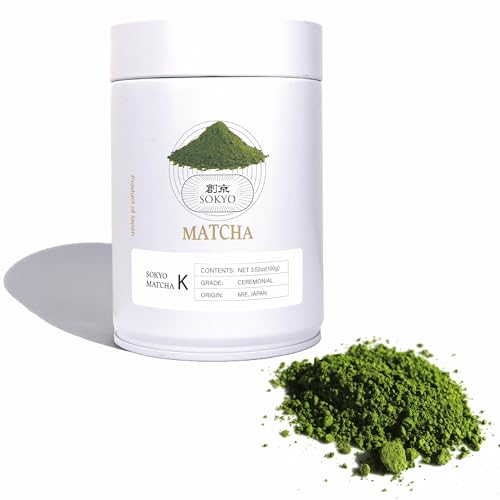
SOKYO Ceremonial Matcha Powder

✅ Smooth, mild profile with consistently noted absence of bitterness