






We analyze real customer reviews to surface what matters: key strengths, ideal use cases, and honest considerations — so you can make an informed choice.
Jade Leaf Matcha Organic Premium Ceremonial Grade
A smooth, earthy ceremonial-grade matcha with vibrant green color and a clean, low-bitterness finish — dissolves easily and froths well for lattes.
🎯 Best for: Morning energy boost on empty stomach, Matcha lattes and smoothies
🍃 Tastes like: earthy, slightly sweet, fresh

What Stands Out
🍃 Flavor Profile
Strength: Moderate
Notes: earthy, slightly sweet, fresh
✅ What Customers Love
- Smooth taste with minimal bitterness (12 mentions)
- Vibrant, bright green color indicating quality (9 mentions)
- Very fine powder that dissolves/mixes easily with minimal clumping (8 mentions)
🎯 Best For
Morning energy boost on empty stomach • Matcha lattes and smoothies • Coffee replacement for gentler energy • Meditation and focus work
Brand: Jade Leaf Matcha
Category: Matcha
As an Amazon Associate we earn from qualifying purchases.
About This Matcha
This organic Japanese matcha produces a clean, mildly sweet cup with earthy green notes and minimal bitterness. The ultra-fine powder dissolves readily and froths well with a whisk, leaving no residue at the bottom. Reviewers note the vibrant, bright green color as a reliable indicator of freshness and quality. Batch consistency can vary — some report occasional dullness or graininess — so results may differ between orders. Best suited for morning lattes, smoothies, or coffee replacement, particularly for beginners and those seeking calm, focused energy without the caffeine crash.
Is Jade Leaf Matcha Organic Premium Ceremonial Grade Right for You?
What does Jade Leaf Ceremonial matcha taste like?
Reviewers describe it as earthy, slightly sweet, and fresh with a clean green tea character. The standout quality is its smoothness — 12 separate reviewers mention minimal bitterness, which is a big deal for matcha. It has a moderate flavor strength, so it's not overwhelmingly grassy or vegetal. When whisked properly, it has a creamy quality. That said, if you drink it straight without milk or sweetener, some people do find a mild bitter edge, especially in certain batches. In a latte, the flavor is beautifully balanced — earthy and rich without being harsh.
Is Jade Leaf matcha good for lattes or only traditional preparation?
Lattes are actually where this matcha excels. While it's labeled as Ceremonial Teahouse grade, the majority of reviewers use it for lattes and smoothies rather than traditional whisked preparation. It dissolves easily, froths well, and the smooth earthy flavor comes through beautifully with milk. For traditional ceremonial preparation (straight with hot water and no additions), it works but some reviewers find it has a slight bitter edge — purists seeking the absolute highest-end ceremonial experience might want to look at pricier options. But for matcha lattes? This is a sweet spot of quality and value.
How do you brew Jade Leaf matcha?
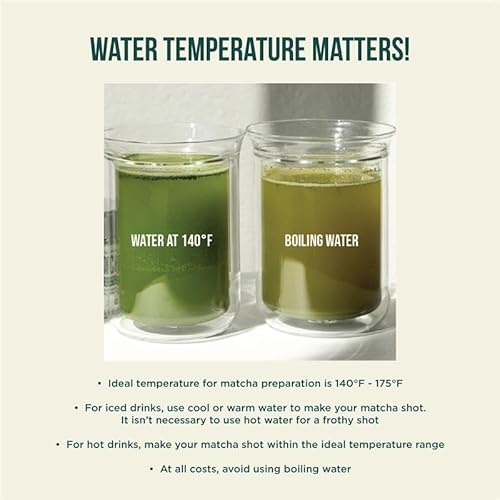
The classic method is to sift about 1 gram (roughly half a teaspoon) of powder into a bowl, add 2-3 ounces of water heated to around 175°F, and whisk vigorously with a bamboo whisk in a W or M motion until frothy. The good news with Jade Leaf is that it dissolves and mixes easily with minimal clumping — multiple reviewers say it froths well with minimal effort and leaves no residue at the bottom of the cup. If you're making a latte, whisk it into a small amount of hot water first, then add your steamed milk.
Does Jade Leaf matcha give you energy without the jitters?
This is one of the most consistently praised qualities in reviews. Five reviewers specifically call out clean energy without crash or jitters, and it's mentioned across dozens of other reviews as well. The secret is L-theanine, an amino acid naturally present in matcha that smooths out caffeine absorption. Instead of the sharp spike and crash you get with coffee, Jade Leaf gives you a gradual, sustained lift with calm, focused alertness. It typically lasts 3-4 hours. If coffee makes you feel wired or anxious, this is exactly the kind of switch that reviewers say changed their daily routine.
Is Jade Leaf matcha good for beginners?
It's one of the most recommended beginner matchas out there, and for good reason. The powder is very forgiving — it dissolves easily without a lot of technique, doesn't clump much even without sifting, and works great in lattes which are the gentlest introduction to matcha flavor. The pre-measured packet version (30 count) removes the guesswork entirely. Clear preparation instructions are included. And the smooth, not-too-bitter flavor profile means you're less likely to have that "matcha is gross" first impression that can happen with lower-quality powders. It's a genuinely good starting point.
Is matcha better for anxiety than coffee?
Many Jade Leaf customers switched specifically because of this. Reviewers mention that matcha gives them calm, focused alertness — a very different experience from the wired, jittery feeling coffee can produce. Several people specifically say it helps with anxiety reduction compared to coffee, and that it's gentler on the stomach too. The L-theanine in matcha promotes relaxation without drowsiness, which counterbalances the caffeine stimulation. If coffee makes you anxious, Jade Leaf matcha is worth trying as a swap.
As an Amazon Associate we earn from qualifying purchases.
How can I tell if my Jade Leaf matcha is fresh and good quality?
The most reliable indicator is color — reviewers consistently mention that good batches have a vibrant, bright green color. If your powder looks dull, yellowish, or brownish, that's a sign of lower quality or age. Fresh matcha should also smell grassy and sweet, not musty. When whisked, it should froth up nicely and dissolve without leaving gritty residue. A few Jade Leaf customers have noted receiving batches that were duller or more bitter than usual, so checking the color when you first open the bag is a good habit. Store it sealed and away from light and heat to maintain freshness.
How do I make matcha as a beginner?
Jade Leaf is actually a popular beginner pick for good reason. The powder mixes easily without sifting (though sifting does help), and it's forgiving if your technique isn't perfect yet. Start simple: add half a teaspoon to a mug, pour in a small splash of hot water (not boiling — around 175°F), stir or whisk until dissolved, then top with steamed milk and a touch of sweetener if you like. The 30-count pre-measured packet version is especially beginner-friendly since it takes the guesswork out of dosing.
How do I make iced matcha with Jade Leaf?
Iced matcha is perfect for warmer weather. Dissolve about 1 gram of Jade Leaf powder into 2-3 ounces of hot water (you need some warmth to dissolve it properly — cold water alone won't cut it). Stir or whisk until smooth, then pour over a full glass of ice. Top with cold milk if you want an iced latte, or just cold water for a lighter drink. Since Jade Leaf dissolves cleanly with no residue at the bottom, it works really well iced. The vibrant green color looks beautiful over ice too.
Do you mix Jade Leaf matcha with water or milk?
Both work well, but the experience is quite different. With just hot water, you get the full earthy, slightly sweet green tea flavor — though some reviewers find it a touch bitter straight. Most Jade Leaf customers seem to prefer it as a latte with milk (dairy or oat milk are popular choices), which creates a creamier, smoother drink and tames any bitterness. If you're new to matcha, starting with a latte is a great way to ease in.
Can I drink Jade Leaf matcha on an empty stomach?
Yes — reviewers specifically mention using it as a morning energy boost on an empty stomach, and several note that it's gentler on the stomach than coffee. Unlike coffee, which can spike stomach acid and cause discomfort when consumed without food, matcha's L-theanine and lower acidity make it more stomach-friendly. Some people who practice intermittent fasting use Jade Leaf matcha during their fasting window, reporting that it actually helps reduce cravings. If you have a particularly sensitive stomach, starting with a latte (the milk adds a buffer) is a safe approach.
What is the highest quality matcha, and how does Jade Leaf Ceremonial compare?
The highest quality matcha is ceremonial grade — stone-ground from the youngest, shade-grown tea leaves with a vibrant green color and smooth, naturally sweet flavor. Jade Leaf's Ceremonial Teahouse grade hits many of those marks: reviewers consistently praise its bright green color and smooth taste with minimal bitterness. It's a solid ceremonial-grade option, though a few customers have noted some batch-to-batch variation in color and flavor intensity. For most people, especially those transitioning from coffee or café matcha, it's an excellent quality-to-price balance.
As an Amazon Associate we earn from qualifying purchases.
Should I get the small bag or the larger size of Jade Leaf matcha?
Start with the smaller 1.06oz bag if it's your first time. Some reviewers have noticed that larger bags can have a lighter or duller color compared to the smaller sizes, suggesting possible quality variation between package sizes. The small bag gives you 15-30 servings to decide if you love it. If you do and you want to buy in bulk, the larger sizes offer better per-serving value — just be aware of the potential consistency differences and check the color when you open it. The pre-measured packet version is another great option if you prefer convenience over value.
What are the cons of matcha tea?
Being honest here: matcha isn't perfect for everyone. With Jade Leaf specifically, some reviewers mention the price feels high for the quantity you get (the 1.06oz bag is smaller than some expect, though the powder is concentrated). A few customers have experienced batch inconsistency — occasionally a batch tastes more bitter or has a duller color than usual. The resealable bag can be fiddly to close properly once opened. And like all matcha, it contains caffeine, so it's not ideal for evening drinking. If you're drinking it straight without milk or sweetener, the earthy flavor can lean bitter for some palates.
What are the health benefits of drinking Jade Leaf matcha?
Based on what Jade Leaf customers actually report: sustained energy without crashes or jitters (the most commonly mentioned benefit), calm focused alertness, improved mental clarity, gentler digestion compared to coffee, clearer skin, weight loss support, and metabolism boost. Some reviewers also mention unexpected benefits like improved memory, reduced cravings during intermittent fasting, and lower anxiety compared to when they drank coffee. As an organic, ceremonial-grade matcha, Jade Leaf delivers the full spectrum of matcha's antioxidant and L-theanine benefits.
Is it safe to drink Jade Leaf matcha every day?
Most reviewers who love this product drink it daily, often as a morning coffee replacement. Customers report sustained benefits like improved energy, better focus, clearer skin, and even reduced cravings during intermittent fasting from regular use. Jade Leaf is organic and has been third-party tested (Consumer Lab verified), which adds peace of mind for daily consumption. The main thing to watch is caffeine intake — if you're sensitive, one serving a day is plenty. The general consensus from long-term users is that daily matcha is not only safe but becomes a welcome ritual.
Can I use Jade Leaf Ceremonial matcha for baking?
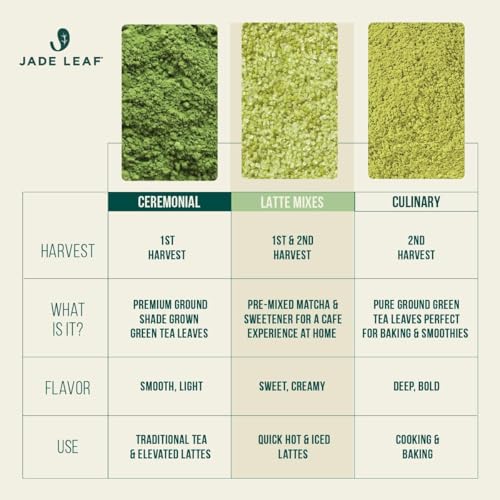
You can, but it's a bit like using extra virgin olive oil for frying — it works, but you're paying for quality that won't fully come through. Reviewers do mention using Jade Leaf for baking and culinary applications, and the fine powder dissolves well into batters and doughs. However, heat and other ingredients will mute the delicate ceremonial-grade flavor. If you're primarily baking, Jade Leaf's culinary grade would give you similar results for less money. Save the Ceremonial Teahouse grade for drinks where you can actually taste the difference.
Is a Jade Leaf matcha latte good for you?
The matcha itself brings solid health benefits — antioxidants, L-theanine for calm focus, and gentle sustained caffeine. Reviewers report benefits like improved energy, mental clarity, and even clearer skin from regular use. How healthy your latte is depends on what you add: a splash of unsweetened oat or almond milk keeps it light, while loading up with sugar and flavored syrups obviously adds empty calories. The base matcha is certified organic and third-party tested, so you're starting with quality ingredients. Compared to a coffee shop matcha latte loaded with sweetened matcha powder, making your own with Jade Leaf is significantly healthier.
As an Amazon Associate we earn from qualifying purchases.
How should I store Jade Leaf matcha after opening?
Matcha is sensitive to light, heat, air, and moisture — all of which degrade flavor and color. Some Jade Leaf reviewers mention that the resealable bag is a bit fiddly to use, so consider transferring the powder to a small airtight, opaque container. Keep it in a cool, dark place — the refrigerator works well and can extend freshness. Always use a dry spoon or scoop, as any moisture in the bag will cause clumping. Once opened, try to use it within 4-6 weeks for the best flavor and that vibrant green color.
Is matcha higher in caffeine than coffee?
Cup for cup, matcha typically has less caffeine than coffee — around 60-70mg per serving compared to 95-200mg in a cup of coffee. But the caffeine experience is quite different. Jade Leaf reviewers frequently mention getting clean energy without the crash or jitters that coffee causes. Five separate reviewers specifically called out sustained energy and calm, focused alertness. That's because matcha contains L-theanine, an amino acid that moderates how caffeine is absorbed, giving you a smoother, longer-lasting lift rather than a spike and crash.
Is matcha actually healthier than coffee?
It depends on what you mean by healthier, but matcha has some distinct advantages. Jade Leaf customers report being gentler on the stomach than coffee, providing sustained energy without crashes or jitters, and supporting calm focus rather than wired alertness. Matcha is also packed with antioxidants (catechins, specifically EGCG) at much higher levels than regular green tea or coffee. Reviewers mention benefits like improved mental clarity, better skin, weight loss support, and even reduced cravings. Coffee has its own benefits, but if you're dealing with coffee-related anxiety, acid reflux, or energy crashes, matcha is a strong alternative.
How do I make matcha without a whisk?
You don't strictly need a bamboo whisk to enjoy Jade Leaf matcha. Reviewers confirm this powder dissolves well with minimal effort, so a small regular whisk, a milk frother, or even a mason jar with a tight lid (shake vigorously for 30 seconds) all work. A small electric milk frother is probably the easiest non-traditional option and still gives you a nice froth. The key is to start with a small amount of hot water to make a paste, then gradually add more liquid. Since Jade Leaf doesn't clump much, you'll get decent results even without traditional tools.
Is Jade Leaf matcha good for weight loss?
Reviewers do mention weight loss support and metabolism boost as benefits they've experienced, and some specifically note reduced cravings during intermittent fasting. Matcha contains EGCG, a catechin that research has linked to modest increases in fat oxidation and metabolism. It's also nearly calorie-free on its own (about 3 calories per serving), so swapping a calorie-heavy coffee drink for a simple matcha is an easy win. That said, matcha is a supplement to a healthy lifestyle, not a magic bullet — but as part of your routine, it can genuinely help.
Is matcha good for your skin?
Several Jade Leaf reviewers specifically mention clearer skin as a benefit they've noticed from drinking matcha regularly. This tracks with the science — matcha is rich in antioxidants and anti-inflammatory compounds that can help with skin health from the inside out. It's not a guaranteed result for everyone, but it comes up enough in customer reviews to be noteworthy. The organic sourcing of Jade Leaf means you're not introducing pesticide residues into your system, which is another plus if skin health is a priority for you.
As an Amazon Associate we earn from qualifying purchases.
What is the 30/20/10 rule for matcha?
The 30/20/10 rule is a quality grading shorthand some tea experts use: the top 30% of the tea harvest goes to ceremonial grade, the next 20% to premium grade, and the bottom 10% to culinary grade. It's not an official industry standard, but it gives you an idea of the tiered quality system. Jade Leaf's Ceremonial Teahouse grade sits in that higher tier — reviewers note its vibrant green color and smooth flavor, which are classic signs of quality shade-grown leaves from the better part of the harvest.
Which is healthier, matcha or coffee?
Both have health benefits, but they work differently. Matcha gives you more antioxidants (especially EGCG), L-theanine for calm focus, and a gentler caffeine curve. Coffee gives you more raw caffeine and its own set of antioxidants. Where Jade Leaf matcha really wins, according to reviewers, is the experience: no jitters, no crash, no stomach issues, and a calmer type of alertness. If you're choosing between the two purely for health, matcha has a slight edge on antioxidants and gentleness. But the biggest real-world benefit is that matcha drinkers tend to feel better — and Jade Leaf reviewers consistently confirm that.
Why is Gen Z obsessed with matcha?
Matcha has become a cultural phenomenon for younger generations, and products like Jade Leaf are riding that wave. The appeal is multi-layered: it's visually striking (that bright green color is very Instagram-friendly), it delivers caffeine without the jitters or crash of coffee, and it fits into health-conscious lifestyles. Jade Leaf in particular is popular because it's accessible — it's organic, mixes easily into lattes and smoothies, and is priced more reasonably than many ceremonial matchas. The clean energy and focus benefits resonate with people who want to be productive without the anxiety that coffee can bring.
Is matcha safe for kids?
Matcha contains caffeine — roughly 60-70mg per standard serving — so this is worth considering carefully. That's less than coffee but more than most teas. For older teenagers, a half serving might be fine, but for younger children, most pediatricians recommend limiting caffeine. Jade Leaf is organic and free from artificial additives, so the ingredient quality isn't the concern — it's purely the caffeine content. If you do give it to older kids, start with a small amount mixed into a latte with plenty of milk, and avoid it in the afternoon or evening.
What are the pros and cons of Jade Leaf matcha?
The pros are compelling: it's a very fine powder that dissolves easily with minimal clumping, has a smooth taste with minimal bitterness, shows a vibrant bright green color, froths well, provides clean energy without crashes, and is organic Japanese-sourced with third-party testing. On the con side: the 1.06oz package is smaller than many expect, price per ounce feels steep, there's occasional batch-to-batch variation in taste and color, the resealable bag isn't great, and some people find it bitter when drunk straight without milk. Overall, the quality is strong for the price point — it's just not as generous a portion as the packaging might suggest.
Customer-Validated Strengths
based on 30-review analysis • Our methodology
- Smooth taste with minimal bitterness (12 mentions)
- Vibrant, bright green color indicating quality (9 mentions)
- Very fine powder that dissolves/mixes easily with minimal clumping (8 mentions)
- Froths/whisks well with minimal effort (6 mentions)
- Clean energy without crash or jitters (5 mentions)
- No residue left at bottom of cup (3 mentions)
- Convenient pre-measured packets (30 count version) (2 mentions)
Taste Profile
- smooth
- earthy
- minimal bitterness
- creamy
- clean
- vibrant green color
Best Use Cases
🎯 Best For
- Morning energy boost on empty stomach
- Matcha lattes and smoothies
- Coffee replacement for gentler energy
- Meditation and focus work
- Afternoon pick-me-up without crash
- Intermittent fasting support
- Baking and culinary use
⚠️ Not Ideal For
- Traditional ceremonial tea preparation (culinary grade better for lattes)
- Evening use due to caffeine content
- Drinking straight/plain without milk or sweetener (can be bitter)
What to Consider
- Quality inconsistency between batches - some bitter, dull color, or grainy (4 mentions)
- Price perceived as high for quantity received (8 mentions)
- Smaller package size than expected (5 mentions)
- Some batches had bitter/burnt/fishy taste (4 mentions)
- Resealable bag difficult to use once opened (2 mentions)
- Color lighter/duller in larger bags vs smaller sizes (2 mentions)
based on 30-review sample.
About This Analysis
This analysis is based on 30 customer reviews. We're showing you everything we found, but with our analysis, there's always more to discover.
✅ What we're confident about: What customers love and best use cases
⚠️ What may be incomplete: Potential issues and considerations
For more perspectives, check customer reviews on Amazon.
Product Selection
In short: We only feature high-rated products.
Products on TeaDelight.net are selected based on strong Amazon customer ratings, sufficient review volume, and market presence. We focus on well-regarded products that tea enthusiasts are actively considering and purchasing.
As an Amazon Associate we earn from qualifying purchases.
You Might Also Like

✅ taste/flavor
Jade Leaf Matcha Latte Mix Bundle (1kg)

✅ Starbucks taste similarity
Jade Leaf Matcha Latte Mix Bundle (500g)
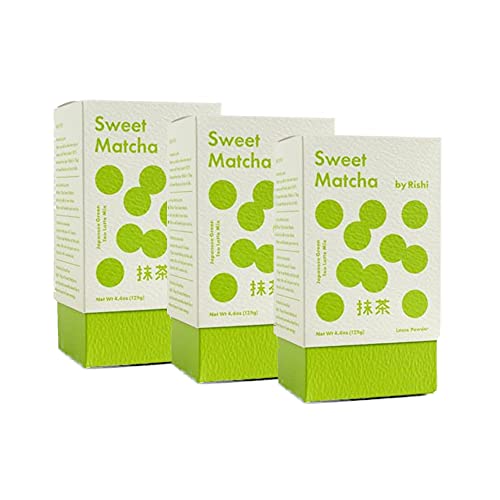
✅ Pre-sweetened with cane sugar (no additional sweetener needed)
Rishi Tea Sweet Matcha Green Tea Powder (3-Pack, 13.2oz)

✅ Superior quality