






We analyze real customer reviews to surface what matters: key strengths, ideal use cases, and honest considerations — so you can make an informed choice.
FKRO Organic Ceremonial Grade Matcha Green Tea Powder
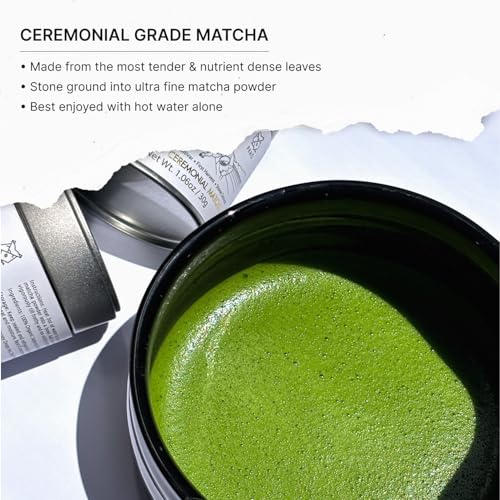
A ceremonial-grade Uji matcha with naturally sweet umami flavor, vibrant green color, and a smooth, creamy finish — no bitterness even for first-timers.
🎯 Best for: Morning matcha lattes, Traditional hot preparation
🍃 Tastes like: umami, naturally sweet, nutty

What Stands Out
🍃 Flavor Profile
Strength: Moderate
Notes: umami, naturally sweet, nutty
✅ What Customers Love
- No bitterness - smooth, clean taste (15 mentions)
- Vibrant, bright green color indicating freshness (14 mentions)
- Mixes easily without clumping (11 mentions)
🎯 Best For
Morning matcha lattes • Traditional hot preparation • Iced matcha drinks • Daily morning routine
Brand: FKRO
Category: Matcha
As an Amazon Associate we earn from qualifying purchases.
About This Matcha
Sourced from Uji, Japan's premier matcha-growing region, this Saemidori cultivar powder delivers a layered flavor profile — umami-forward with natural sweetness, nutty undertones, and a clean, creamy finish. The vivid green color signals freshness, and reviewers note it dissolves smoothly without clumping whether whisked traditionally or frothed into a latte. The flavor leans mild; those wanting more intensity may find a slightly heavier scoop necessary. It suits beginners looking for a forgiving, bitterness-free entry point and experienced drinkers who appreciate first-harvest ceremonial character.
Is FKRO Organic Ceremonial Grade Matcha Green Tea Powder Right for You?
Is FKRO matcha ceremonial grade?
Yes, FKRO is a ceremonial grade matcha made from first-harvest tea leaves of the Saemidori cultivar, sourced from a single origin in Japan. Reviewers consistently confirm the quality matches the ceremonial grade claim — noting the vibrant bright green color, smooth umami flavor, and complete absence of bitterness that you'd expect from a genuine ceremonial grade matcha.
What does FKRO matcha taste like?
Reviewers describe FKRO as smooth, creamy, and naturally sweet with rich umami notes and a clean finish. You'll notice earthy and slightly nutty undertones with a silky, balanced complexity. The standout characteristic that 15+ reviewers mention is the complete absence of bitterness — even people who previously didn't like matcha were won over. The flavor is moderate in strength rather than bold, so if you prefer a stronger taste, try using an extra half scoop.
Is FKRO matcha good for beginners?
It's one of the best choices for beginners. Here's why: it has zero bitterness (the number one complaint beginners have about matcha), it mixes easily without clumping, it works with a regular electric frother so you don't need to buy a bamboo whisk, and it's very forgiving in preparation — you get consistently good results even without perfect technique. Multiple reviewers specifically say FKRO converted them from matcha skeptics to daily drinkers.
What makes FKRO different from other matcha brands?
Three things stand out. First, it's a single-cultivar matcha (Saemidori) from a single origin — most brands blend cultivars and sources, which muddies the flavor. Second, FKRO flies their matcha in fresh from Japan monthly, which explains why reviewers consistently praise the freshness and bright green color. Third, the Saemidori cultivar is specifically prized for its natural sweetness and umami, which shows up clearly in the smooth, sweet, non-bitter flavor profile that reviewers rave about.
Is FKRO matcha good as a coffee replacement?
It's one of the most popular reasons people buy it. Reviewers who switched from coffee to FKRO consistently report better energy without the crash, sustained alertness throughout the morning, and no jitters. The caffeine content is lower than coffee but the L-theanine creates a smoother, more focused energy. FKRO's easy preparation (just froth and go) makes it practical as a daily morning swap. Several reviewers say they haven't gone back to coffee since making the switch.
Where is FKRO matcha sourced from?
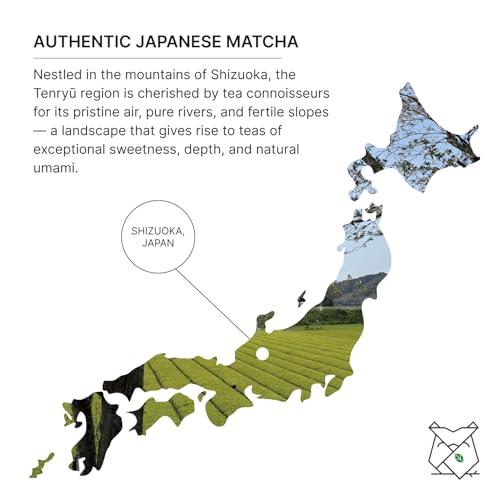
FKRO sources their matcha from Uji, Japan — one of the most prestigious and historic matcha-growing regions in the country. It's a single-origin, single-cultivar (Saemidori) matcha made from first-harvest leaves. What's unique is that FKRO flies the matcha in fresh from Japan every month, rather than shipping large batches that sit in warehouses. Reviewers can taste the difference — the fresh aroma and vibrant bright green color are consistently highlighted as standout qualities.
As an Amazon Associate we earn from qualifying purchases.
What is Saemidori cultivar matcha?
Saemidori is a premium Japanese tea cultivar known for its exceptionally sweet, umami-rich flavor and reduced bitterness compared to the more common Yabukita cultivar. It's harder to grow and less widely available, which makes single-cultivar Saemidori matcha like FKRO something of a connoisseur's choice. Reviewers with experience drinking various matchas specifically note the complex, rich flavor that this cultivar delivers — it's one of the reasons FKRO stands apart from blended matchas.
What's the best way to prepare FKRO matcha?
FKRO works beautifully prepared traditionally — sift about 1-2g of powder into a bowl, add a small amount of hot water (around 175°F / 80°C, not boiling), and whisk until frothy. But here's the great thing about this matcha: reviewers say it also works perfectly well with a regular milk frother, so you don't need a traditional bamboo whisk. It mixes easily without clumping and froths up into a light, creamy foam. If the flavor feels too mild for your taste, some reviewers recommend using an extra half scoop.
How to make matcha as a beginner?
FKRO is actually a fantastic choice for beginners. Reviewers say it's very forgiving in preparation — you get consistently good results even without perfect technique. It mixes easily without clumping, works with a regular milk frother (no need to invest in a bamboo whisk right away), and has zero bitterness even if your water is slightly too hot. Multiple reviewers specifically mention it converted them from being matcha skeptics. Start with 1 scoop in 2-3 oz of hot water (not boiling), froth it up, and add milk if you like.
How to make matcha tea without a whisk?
Good news — multiple FKRO reviewers confirm this matcha works perfectly with a regular electric milk frother. You can also shake it in a small jar with a tight lid, or even stir vigorously with a fork. FKRO mixes easily without clumping, which is a big advantage over cheaper matchas that really do need a proper whisk to break up lumps. A frother will give you that nice light foam on top that reviewers love.
Does FKRO matcha need a special whisk?
No, and this is one of its biggest selling points. While a traditional bamboo chasen (matcha whisk) works beautifully, multiple reviewers confirm that a regular electric milk frother does the job perfectly well. FKRO mixes easily without clumping and froths up into a nice light foam with whatever tool you have on hand. This makes it a great option if you want ceremonial-grade quality without investing in specialized equipment.
Do you mix matcha with water or milk?
FKRO works wonderfully both ways. For traditional preparation, mix with hot water — the natural sweetness, umami, and smooth clean taste really shine on their own. For a matcha latte, whisk the powder with a small amount of hot water first, then add steamed or cold milk. Reviewers use FKRO for morning lattes, traditional hot matcha, and iced drinks. The creamy, silky texture of this matcha makes it especially good in lattes.
As an Amazon Associate we earn from qualifying purchases.
How to make a matcha latte with FKRO?
Sift 1-2 scoops of FKRO into your cup. Add about 2 oz of hot water (175°F / 80°C) and whisk or froth until smooth — this matcha dissolves easily without clumping. Then pour in 6-8 oz of steamed milk (dairy or plant-based). The natural sweetness and creamy texture of FKRO means many people enjoy it without added sweetener. Reviewers specifically highlight morning matcha lattes as one of the best uses for this powder.
What are the cons of matcha tea?
Being honest about FKRO specifically: the flavor is on the moderate side — some reviewers wanting a bolder punch suggest using an extra scoop. The 30g tin is relatively small, so daily drinkers will go through it quickly. And one reviewer noted the powder can "pop" when you first open the tin, causing minor waste. More broadly, matcha does contain caffeine (so it's not ideal right before bed), and ceremonial grade matcha is pricier per serving than regular tea bags or coffee. That said, most FKRO reviewers feel the quality justifies the cost.
What are the pros and cons of matcha?
For FKRO specifically — Pros: smooth, clean taste with zero bitterness (confirmed by 15+ reviewers), natural sweetness and rich umami, vibrant green color indicating freshness, works with a regular frother (no special equipment needed), sustained energy without coffee crashes, organic and ceremonial grade quality. Cons: moderate flavor strength (may need an extra scoop if you like it bold), small 30g portion size, premium price point. Overall, reviewers overwhelmingly praise the quality, with the value concern mainly being about portion size rather than the matcha itself.
How much FKRO matcha should I use per cup?
A standard serving is about 1-2g (roughly one bamboo scoop or half a teaspoon). For traditional preparation, use 1-2 scoops with 2-3 oz of hot water. For a latte, the same amount works with added milk. One honest note from reviewers: FKRO has a moderate flavor strength, so if you prefer a bolder, more intense matcha taste, you might want to use a little extra — an additional half scoop makes a noticeable difference. The 30g tin gives you roughly 15-30 servings depending on your preferred strength.
Can I use FKRO matcha for baking?
You can, but it would be a bit of a waste. FKRO is a ceremonial grade matcha with a complex, nuanced flavor designed for drinking. In baking, most of those subtle umami and sweet notes get lost behind sugar, butter, and other ingredients. A culinary grade matcha at a fraction of the price would work just as well in cookies, cakes, and smoothie bowls. Save FKRO for where it really shines — hot matcha, lattes, and iced matcha where you can actually taste the quality.
How to make iced matcha with FKRO?
Whisk or froth 1-2 scoops of FKRO with a small amount of cold water or room-temperature water until dissolved. Pour over a glass of ice and top with cold milk if desired. Reviewers use FKRO for iced matcha drinks, though it's worth noting this is a premium ceremonial grade — if you're making iced matcha daily, some reviewers suggest that the nuanced flavor profile gets somewhat masked by ice and milk, so you might consider a less expensive matcha for iced drinks and save this one for hot preparation where the complexity really shines.
As an Amazon Associate we earn from qualifying purchases.
How should I store FKRO matcha?
Keep the tin sealed tightly and store it in a cool, dark place. Some people refrigerate their matcha to maintain freshness — just make sure the tin is fully sealed to prevent moisture and food odors from getting in. FKRO ships their matcha fresh from Japan monthly, so you're starting with peak freshness. Try to use it within a month or two of opening for the best flavor and that vibrant green color reviewers love. One small tip: open the tin carefully, as a reviewer noted the powder can "pop" slightly when first opened.
Is it okay to drink ceremonial matcha every day?
Many FKRO customers drink it daily as part of their morning routine, often as a coffee replacement. Reviewers report sustained energy without the crash they got from coffee, and consistent alertness throughout the day. The 30g tin is on the smaller side for daily use — you'll go through it in about 2-3 weeks with daily preparation — but the quality makes it a worthwhile daily ritual for many buyers.
What is the difference between matcha powder and ceremonial matcha?
Ceremonial grade matcha like FKRO uses the youngest, most tender first-harvest leaves, which are stone-ground into a fine powder. The result is a naturally sweet, umami-rich tea with no bitterness — something you can drink straight with just water. Lower-grade matcha (often labeled "culinary" or just "matcha powder") tends to be more bitter and astringent, which is why it's typically mixed into lattes or baked goods. The vivid bright green color of FKRO is another telltale sign of ceremonial quality — lower grades tend to look more yellowish or dull.
What is the highest quality matcha?
The highest quality matcha is ceremonial grade, first-harvest, single-origin — and FKRO checks all three boxes. It's made from the Saemidori cultivar, which is prized for its natural sweetness and rich umami character. The matcha is sourced from Uji, Japan, one of the most respected matcha-growing regions, and FKRO flies it in fresh from Japan monthly. Reviewers with experience drinking premium matcha confirm the first-harvest quality is detectable in the complex, rich flavor profile.
Is matcha higher in caffeine than coffee?
Cup for cup, a typical serving of matcha has roughly half to two-thirds the caffeine of a cup of coffee — around 60-70mg per serving compared to coffee's 95-150mg. But the experience is quite different. FKRO reviewers specifically mention getting a "morning energy without the crash" and "sustained alertness" — the L-theanine in matcha creates a calm, focused energy rather than the jittery spike and crash cycle that many coffee drinkers experience. Several reviewers switched from coffee to FKRO specifically for this reason.
Is matcha better for anxiety than coffee?
Many people find it is, and FKRO reviewers back this up. Matcha contains L-theanine, an amino acid that promotes calm focus, which is why reviewers describe the energy from FKRO as "sustained" rather than jittery. Multiple reviewers who switched from coffee highlight the lack of crashes and a more balanced energy feel. While matcha isn't a treatment for anxiety, if coffee makes you feel wired or anxious, a ceremonial grade matcha like FKRO may be a gentler alternative.
As an Amazon Associate we earn from qualifying purchases.
Is matcha actually healthier than coffee?
Matcha offers some distinct advantages over coffee. It's packed with antioxidants (catechins, especially EGCG), provides caffeine alongside L-theanine for calm energy, and doesn't cause the acid reflux some people get from coffee. FKRO reviewers who switched from coffee consistently mention better, more sustained energy and no crashes. That said, "healthier" depends on your body and goals — both are fine for most people in moderation. What FKRO customers love is how they *feel* after switching: alert but not jittery, energized but not anxious.
What are the health benefits of matcha?
Matcha is rich in antioxidants (especially EGCG), contains L-theanine for calm focus, and provides a gentle caffeine boost. FKRO reviewers specifically highlight the practical health benefit they notice most: sustained energy and alertness without the jitters or crashes associated with coffee. Because FKRO is organic ceremonial grade, you're getting the highest quality leaves with the most concentrated nutrients. Being pure powder, you consume the whole leaf — unlike steeped teas where you discard the leaves and lose many of the beneficial compounds.
Is Starbucks matcha good for you?
Starbucks matcha is a very different product from FKRO. Starbucks uses a sweetened matcha powder blend where sugar is typically the first ingredient, mixed into drinks with additional syrups and milk. FKRO is 100% pure, organic, single-origin ceremonial grade matcha with nothing added — no sugar, no fillers. You control exactly what goes in. If you love the idea of matcha but want the actual health benefits without the added sugar, making your own with a quality matcha like FKRO is a much better option (and cheaper per serving in the long run).
Is it safe to drink matcha every day?
For most people, yes — and many FKRO customers do exactly that. It's a staple in their daily morning routine, often replacing coffee. FKRO is organic and ceremonial grade, which means it's made from high-quality leaves without pesticides. Matcha does contain caffeine, so you'll want to be mindful of your total daily caffeine intake, and it's worth consulting your doctor if you have specific health concerns. But daily matcha drinking is a centuries-old tradition in Japan, and reviewers report positive long-term experiences with sustained energy and alertness.
Is matcha good for weight loss?
Matcha contains compounds like EGCG and caffeine that some research suggests may support metabolism. But let's be realistic — no tea is a magic weight loss solution. Where FKRO might genuinely help is as a coffee replacement: it provides clean energy for workouts and daily activity without the sugar-laden additions many coffee drinks come with. FKRO's natural sweetness means you can enjoy it without sweetener, keeping the calorie count near zero. Several reviewers use it as their daily morning drink specifically because it's a clean, simple ritual.
How do you brew matcha?
For FKRO, sift 1-2 scoops of powder into your cup or bowl to avoid clumps (though reviewers note this matcha mixes easily even without sifting). Add about 2-3 oz of hot water — not boiling, aim for around 175°F / 80°C. Whisk vigorously in a W or M motion until frothy. You can use a traditional bamboo whisk or a regular electric frother — multiple reviewers confirm both work great with this powder. For a latte, just top up with your choice of steamed milk.
As an Amazon Associate we earn from qualifying purchases.
How to make matcha with milk?
Start by whisking 1-2 scoops of FKRO with about 2 oz of hot water until smooth and frothy. Then add your preferred milk — steamed for a hot latte, cold for an iced version. FKRO's naturally sweet, creamy flavor pairs beautifully with oat milk, almond milk, or regular dairy. The smooth, silky texture blends seamlessly without any grittiness or clumping.
Which is healthier, matcha or coffee?
Both are healthy in moderation, but they work differently. Matcha gives you antioxidants, L-theanine, and a gentler caffeine release. Coffee has its own antioxidants and a stronger caffeine hit. What's telling is how FKRO reviewers describe the switch: they consistently report better energy without crashes, sustained alertness, and a smoother daily experience compared to coffee. If you're looking for a calmer, more focused energy boost — and you value antioxidant intake — ceremonial grade matcha like FKRO has an edge.
What Makes This Product Special
⚠️ Preliminary analysis based on 22-review sample • Our methodology
- No bitterness - smooth, clean taste (15 mentions)
- Vibrant, bright green color indicating freshness (14 mentions)
- Mixes easily without clumping (11 mentions)
- Fresh quality and aroma (10 mentions)
- Natural sweetness and creamy texture (8 mentions)
- Rich umami flavor (7 mentions)
- Froths/whisks well into light froth (5 mentions)
- Single-origin Saemidori cultivar quality (4 mentions)
Taste Profile
- smooth
- creamy
- clean
- fresh
- balanced
- rich
- complex
- silky
- not bitter
Best Use Cases
🎯 Best For
- Morning matcha lattes
- Traditional hot preparation
- Iced matcha drinks
- Daily morning routine
- Coffee replacement for sustained energy
What to Consider
- Mild flavor - may need extra scoop for stronger taste (1 mentions)
- Can pop when opening tin (minor waste concern) (1 mentions)
⚠️ based on 22-review sample. Some issues may not be captured.
About This Analysis
This analysis is based on 22 customer reviews. We're showing you everything we found, but with a moderate sample, there's a lot we likely haven't captured yet.
✅ What we're confident about: What customers love and best use cases
⚠️ What may be incomplete: Potential issues and considerations
For more perspectives, check customer reviews on Amazon.
Product Selection
In short: We only feature high-rated products.
Products on TeaDelight.net are selected based on strong Amazon customer ratings, sufficient review volume, and market presence. We focus on well-regarded products that tea enthusiasts are actively considering and purchasing.
As an Amazon Associate we earn from qualifying purchases.
You Might Also Like

✅ taste/flavor
Jade Leaf Matcha Latte Mix Bundle (1kg)

✅ Starbucks taste similarity
Jade Leaf Matcha Latte Mix Bundle (500g)
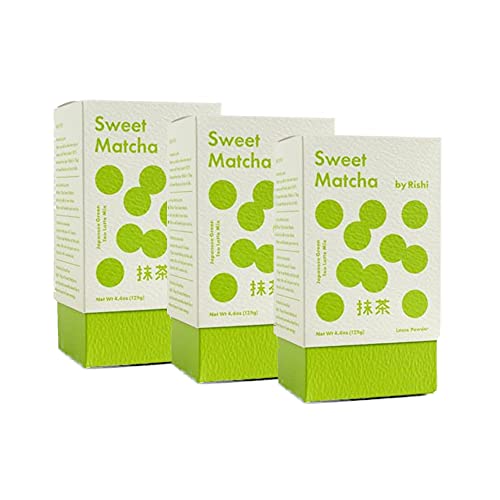
✅ Pre-sweetened with cane sugar (no additional sweetener needed)
Rishi Tea Sweet Matcha Green Tea Powder (3-Pack, 13.2oz)

✅ Superior quality