





We analyze real customer reviews to surface what matters: key strengths, ideal use cases, and honest considerations — so you can make an informed choice.
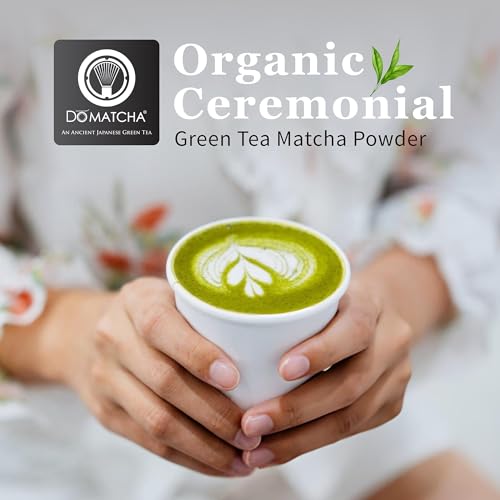
DoMatcha Organic Ceremonial Green Tea Matcha Powder
Ceremonial-grade matcha with a smooth, naturally sweet, vegetal flavor and no bitterness — whisks into a vibrant green, creamy froth that rewards traditional preparation.
🎯 Best for: Morning routine and energy, Mental clarity and focus work
🍃 Tastes like: veggie/spinach-like, grassy, naturally sweet

What Stands Out
🍃 Flavor Profile
Strength: Moderate
Notes: veggie/spinach-like, grassy, naturally sweet
✅ What Customers Love
- Exceptionally smooth with no bitterness (7 mentions)
- Vibrant, bright green color (quality indicator) (5 mentions)
- Very fine powder texture (4 mentions)
🎯 Best For
Morning routine and energy • Mental clarity and focus work • Daily health ritual • Ceremonial/special occasion tea
Brand: DoMatcha
Category: Matcha
As an Amazon Associate we earn from qualifying purchases.
About This Matcha
This ceremonial-grade matcha delivers a smooth, vegetal flavor with grassy, naturally sweet notes and no bitterness — a quality reviewers consistently note. Whisked traditionally, it produces a vibrant green, creamy froth; the fine powder texture reflects careful processing. The energy effect is clean and sustained, supporting morning focus without jitters. The First Harvest variety requires more vigorous whisking than most expect. A good match for daily rituals and focus work, from beginners seeking an approachable cup to enthusiasts who value origins in Kagoshima and Uji Kyoto.
Is DoMatcha Organic Ceremonial Green Tea Matcha Powder Right for You?
How does DoMatcha taste?
DoMatcha has a moderate flavor strength with grassy, vegetal notes and a natural sweetness — think delicate spinach-like undertones rather than anything harsh. The standout characteristic, mentioned by more reviewers than anything else, is the complete absence of bitterness. It's exceptionally smooth and creamy, especially when whisked properly. The flavor is rich but not overpowering, making it enjoyable straight with water or as a latte base. If you've tried cheap, bitter matcha before and been put off, DoMatcha is a genuinely different experience.
What are the cons of DoMatcha?
Being honest: a few reviewers mention a slight henna-like smell when you first open the package, though this dissipates with use and doesn't affect the taste. The First Harvest variety can require a bit more whisking effort to get fully smooth. And while DoMatcha is excellent value for ceremonial grade, it is more expensive than budget culinary matcha — though reviewers overwhelmingly say the quality difference justifies the price. Some buyers have also noticed occasional packaging changes, but the product quality itself remains consistent.
Is DoMatcha good for beginners?
DoMatcha is one of the best choices for matcha beginners. The smooth taste with absolutely no bitterness makes it approachable even if you've never had matcha before. The energy effect is gentle and predictable — clean focus without jitters — so you won't have an overwhelming first experience. And DoMatcha is a well-known, trusted brand, which takes the guesswork out of choosing your first ceremonial grade matcha. Start with a simple latte preparation if you're nervous, and work your way to traditional water-only preparation as you develop your palate.
How do you brew DoMatcha?
For traditional preparation, sift about 1-2 teaspoons of DoMatcha into a bowl, add a small amount of hot water (around 175°F — not boiling, which can make any matcha bitter), and whisk vigorously with a bamboo chasen in a W or M motion until frothy. DoMatcha rewards this traditional method with an excellent, creamy froth. You can also simply add it to a cup with hot water and whisk or shake well. Some reviewers note the First Harvest variety may need a bit more whisking effort, but the result is worth it.
Do you mix DoMatcha with water or milk?
Both work beautifully with DoMatcha. For the purest experience that showcases its smooth, naturally sweet flavor and delicate grassy notes, mix it with hot water — this is how ceremonial matcha is traditionally enjoyed. But DoMatcha also makes an excellent latte with milk (dairy or plant-based), producing a creamy, frothy result. Because this matcha has no bitterness, it tastes great either way without needing sweetener.
How to make matcha as a beginner?
DoMatcha is actually an ideal starter matcha because its smooth, non-bitter taste is very approachable. Start simple: sift a teaspoon of powder into a mug to break up any clumps, add about 2 oz of hot (not boiling) water, and whisk or stir vigorously until dissolved. Then top up with more hot water or steamed milk to taste. Don't worry if you don't have a bamboo whisk — a small regular whisk or even a milk frother works. The key thing with DoMatcha is that it's forgiving: even if your technique isn't perfect, the smooth flavor comes through without bitterness.
As an Amazon Associate we earn from qualifying purchases.
How to make a DoMatcha latte?
Sift 1-2 teaspoons of DoMatcha into a cup with about 2 oz of hot water (175°F) and whisk until smooth and frothy. Then pour in 6-8 oz of steamed milk — oat milk and whole milk both work great. DoMatcha's creamy texture and naturally sweet flavor mean many people skip the sweetener entirely, though a touch of honey or vanilla complements it nicely. For an iced version, whisk the matcha with a small amount of cold water first, then pour over ice and add cold milk.
How to make DoMatcha without a whisk?
No bamboo whisk? No problem. You have several options: use a small regular kitchen whisk, a handheld milk frother (very effective), or put DoMatcha and water in a jar with a tight lid and shake vigorously for 30 seconds. A blender bottle with a wire ball also works well. DoMatcha's exceptionally fine powder texture helps it dissolve more easily than coarser matchas, so you'll still get good results without traditional tools. The key is just making sure there are no clumps before adding more liquid.
How to make iced matcha with DoMatcha?
Whisk 1-2 teaspoons of DoMatcha with about 2 oz of cold or room-temperature water until smooth — a jar with a lid works great for shaking it up. Pour over a glass full of ice, then top with cold water or milk of your choice. DoMatcha's smooth, naturally sweet flavor really shines iced, and the vibrant green color makes a gorgeous drink. Some people add a touch of honey or simple syrup, but many DoMatcha users find it's sweet enough on its own.
Does DoMatcha help with focus and concentration?
This is one of the most consistently validated benefits from DoMatcha reviewers. Users report genuine mental clarity and sustained focus — not the scattered, hyper energy of coffee, but a calm, clear-headed alertness. This effect comes from matcha's natural L-Theanine working alongside the caffeine, promoting what's often described as 'relaxed focus.' Several reviewers specifically use DoMatcha as part of their work routine, meditation practice, or study sessions. The effect is described as gentle and predictable, building into a steady state rather than hitting all at once.
What are the health benefits of DoMatcha?
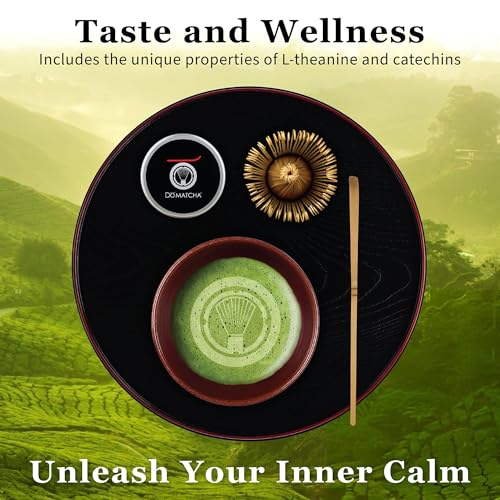
DoMatcha delivers the full spectrum of matcha health benefits in a high-quality organic form. Reviewers specifically confirm: mental clarity and sustained focus, calm energy without caffeine jitters or crashes, morning alertness without grogginess, and no withdrawal symptoms when you skip a day. Some longer-term users report unexpected benefits like reduced stiffness and improved suppleness. The science behind these effects comes from matcha's unique combination of caffeine, L-Theanine (promotes relaxation), and high antioxidant content — particularly EGCG catechins.
Where is DoMatcha sourced from?
DoMatcha is grown in Japan's most prestigious tea-growing regions: Kagoshima and Uji Kyoto. These areas have ideal climates and centuries of tea cultivation expertise. Uji Kyoto in particular is considered the birthplace of Japanese matcha, and Kagoshima is known for its volcanic soil and clean environment. The Japanese origin is confirmed by the product's quality indicators — the vibrant bright green color and ultra-fine powder texture are characteristic of properly grown and processed Japanese matcha.
As an Amazon Associate we earn from qualifying purchases.
What's the difference between DoMatcha First Harvest and Second Harvest?
DoMatcha offers both First Harvest and Second Harvest ceremonial matcha. First Harvest uses the earliest spring leaves, which tend to have a more nuanced, complex flavor — though reviewers note it may require a bit more whisking effort. Second Harvest is picked later and can have a slightly different flavor profile. Matcha enthusiasts appreciate the subtle differences between the two. Both deliver the smooth, non-bitter quality DoMatcha is known for, so you can't go wrong with either for daily drinking.
Can I use DoMatcha for cooking and baking?
You certainly can, but it's worth knowing that DoMatcha is ceremonial grade — the highest quality matcha available. Using it for baking works, and the fine powder incorporates beautifully into recipes. However, the subtle, delicate flavors that make ceremonial grade special tend to get lost in baked goods where sugar, butter, and other ingredients dominate. If you're primarily baking, a culinary grade matcha would save you money. Reserve your DoMatcha for drinking, where you can actually appreciate the smooth, complex flavor you're paying for.
Who is DoMatcha best for?
DoMatcha sits in a sweet spot that works for a wide range of people. Beginners love it because the smooth, non-bitter taste makes matcha approachable. Enthusiasts appreciate the genuine ceremonial grade quality, Japanese sourcing from Kagoshima and Uji Kyoto, and the nuanced flavor that rewards traditional preparation. Health-conscious buyers value the organic certification, antioxidants, and clean energy. And coffee-switchers consistently report a better experience — calm focus, no jitters, no crashes, no withdrawal. If you want premium matcha quality without the extreme premium price, DoMatcha is the answer.
What is the difference between matcha powder and ceremonial matcha?
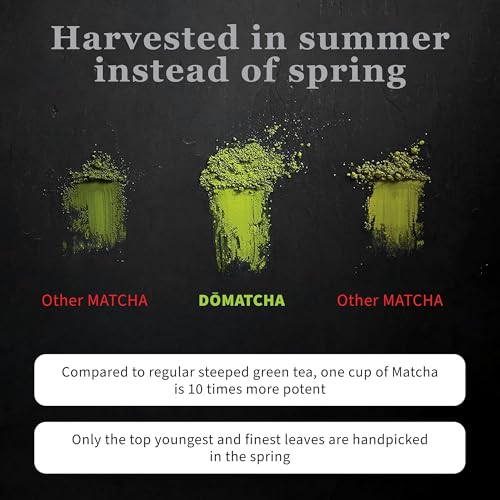
Ceremonial matcha like DoMatcha is the highest grade, made from the youngest tea leaves that are stone-ground into an ultra-fine powder. You can see the difference immediately — DoMatcha has a vibrant bright green color and silky texture, while lower-grade culinary matcha tends to be more yellowish-green and coarser. The taste difference is dramatic too: DoMatcha is smooth and naturally sweet with no bitterness, whereas culinary grade matcha can taste harsh and astringent. Ceremonial grade is meant to be enjoyed straight with water, while culinary grade is better suited for baking or heavily flavored lattes.
What does ceremonial matcha do to your body?
DoMatcha users report a distinctive combination of effects that's quite different from coffee. The most common experience is clean, focused energy — mental clarity and alertness without the caffeine jitters. This comes from matcha's natural combination of caffeine and L-Theanine, which promotes calm focus rather than anxious stimulation. Regular DoMatcha drinkers also mention an uplifting, calming effect, reduced morning grogginess, and some have even noticed improved suppleness and reduced stiffness over time.
Is it okay to drink DoMatcha ceremonial matcha every day?
Absolutely — many DoMatcha customers drink it daily as part of their morning routine and report positive results. Regular users mention sustained mental clarity, calm energy without jitters, and even unexpected benefits like reduced morning grogginess and improved suppleness. Unlike coffee, reviewers note there are no withdrawal symptoms if you skip a day, which makes it a gentler daily habit.
As an Amazon Associate we earn from qualifying purchases.
Is matcha better for anxiety than coffee?
Based on what DoMatcha users report, yes — significantly. Reviewers consistently describe a calming effect despite the caffeine content, which is due to the L-Theanine that matcha naturally contains. Multiple customers who switched from coffee specifically mention no jitters, no anxiety, and a calm, focused energy instead. One theme that comes up repeatedly is that DoMatcha feels 'more therapeutic than coffee' with a gentler, more balanced stimulation. If coffee makes you anxious, DoMatcha is worth trying.
Is matcha actually healthier than coffee?
Matcha and coffee both have health benefits, but DoMatcha users report some advantages that are hard to ignore. The combination of antioxidants, L-Theanine, and caffeine in matcha creates what reviewers describe as calm energy and mental clarity without coffee's downsides — no jitters, no crashes, no withdrawal symptoms. Several long-term DoMatcha drinkers mention unexpected benefits like reduced stiffness, improved suppleness, and better morning alertness. Matcha also delivers its caffeine more gradually, so you avoid the spike-and-crash cycle.
Is matcha higher in caffeine than coffee?
Cup for cup, matcha typically has less caffeine than coffee — around 70mg per serving compared to 95-200mg in coffee. But here's what DoMatcha users consistently highlight: the caffeine experience feels completely different. Thanks to the L-Theanine naturally present in matcha, DoMatcha delivers clean, focused energy without the jitters, crashes, or anxiety that coffee can cause. Multiple reviewers specifically switched from coffee to DoMatcha and describe the energy as gentler, more sustained, and more therapeutic.
Is Starbucks matcha good for you compared to DoMatcha?
There's a big difference. Starbucks matcha is a pre-sweetened mix where sugar is actually the first ingredient — you're getting more sugar than matcha. DoMatcha is 100% pure organic ceremonial grade matcha with nothing added. The quality difference is visible: DoMatcha's vibrant bright green color versus the duller, more yellowish-green of sweetened blends. If you enjoy Starbucks matcha lattes, try making your own with DoMatcha and your preferred milk — you'll get a cleaner, better-tasting drink with actual health benefits and no added sugar.
What is the 30/20/10 rule for matcha?
The 30/20/10 rule is a guideline for matcha preparation: 30 seconds of whisking, 20 ml of water initially, and 10 strokes to finish the froth. It's a useful starting point, especially for beginners. With DoMatcha's ultra-fine powder, you'll find it responds well to whisking and produces a creamy, stable froth. Some users note the First Harvest requires a bit more effort, so you might go slightly longer than 30 seconds with that variety. The key is getting a smooth paste first with the small amount of water before adding more.
How should I store DoMatcha?
Matcha is sensitive to light, heat, air, and moisture — all of which degrade its flavor and vibrant color over time. Store your DoMatcha in its original sealed container in a cool, dark place. Once opened, keep it tightly sealed and ideally use it within a few weeks for the best flavor. Some matcha enthusiasts store opened tins in the refrigerator, but make sure it's completely sealed to prevent moisture absorption. You may notice a small preservative packet inside the tin — this helps maintain freshness during storage.
As an Amazon Associate we earn from qualifying purchases.
How to prepare a matcha whisk for DoMatcha?
If you have a bamboo chasen (matcha whisk), soak the tips in warm water for a minute or two before use — this softens the tines and prevents breakage. After whisking your DoMatcha, rinse the whisk under warm water (no soap) and let it air dry on a whisk holder to maintain its shape. A well-prepared whisk makes a noticeable difference with DoMatcha, producing that creamy, frothy texture reviewers rave about. That said, if you don't have a bamboo whisk, a handheld milk frother gets excellent results too.
What are the pros and cons of DoMatcha?
The pros are compelling: exceptionally smooth taste with no bitterness (the most-mentioned quality), vibrant bright green color that signals premium processing, ultra-fine powder that whisks into a creamy froth, and clean energy without caffeine jitters. It's also organic, kosher, and sourced from Japan's best growing regions. On the con side, there's a subtle initial smell when you first open the tin, the First Harvest may need a bit more whisking, and it costs more than culinary-grade matcha. But reviewers consistently say it offers the best quality-to-price ratio on Amazon for ceremonial grade matcha.
Is it healthy to drink matcha every day?
Daily matcha consumption is generally considered safe and potentially beneficial, and DoMatcha customers back this up with their experience. Regular users report sustained benefits including mental clarity, calm energy, morning alertness, and even reduced stiffness and improved suppleness over time. One notable observation from reviewers: unlike coffee, they report no withdrawal symptoms or dependency — you can skip a day without headaches. The organic certification on DoMatcha is also reassuring for daily use, as it means no pesticide concerns.
Which is healthier, matcha or coffee?
Both have their merits, but DoMatcha users make a strong case for matcha. The L-Theanine in matcha modulates the caffeine for calm, jitter-free energy — something coffee simply can't replicate. DoMatcha reviewers describe it as 'more therapeutic than coffee,' with no withdrawal symptoms and no crash. Matcha also delivers significantly more antioxidants than coffee. The trade-off is that coffee has more caffeine per cup if you need a stronger kick. But for sustained focus, calm energy, and overall wellness benefits, DoMatcha has a clear edge based on what users report.
Is DoMatcha good for your skin?
Matcha is one of the richest natural sources of antioxidants (specifically catechins like EGCG), which are well-known for supporting skin health by fighting oxidative stress. While DoMatcha reviewers don't specifically focus on skin benefits, the antioxidant content is a key feature of this organic ceremonial grade matcha. The fact that it's organic also means no pesticide residues, which matters if you're consuming it daily for health benefits. Many people in the clean eating and wellness community use ceremonial matcha like DoMatcha as part of their daily health ritual partly for these antioxidant benefits.
Is DoMatcha good for weight loss?
Matcha contains EGCG and caffeine, both of which have been studied for their potential to support metabolism. DoMatcha is organic and pure — no added sugar or fillers — so you're getting clean matcha without hidden calories. While reviewers don't specifically mention weight loss, several note that DoMatcha fits well into raw and clean eating lifestyles. The clean energy effect may also help with workout motivation. However, it's not a magic weight loss product — it works best as part of a healthy overall routine.
What Makes This Product Special
⚠️ Preliminary analysis based on 15-review sample • Our methodology
- Exceptionally smooth with no bitterness (7 mentions)
- Vibrant, bright green color (quality indicator) (5 mentions)
- Very fine powder texture (4 mentions)
- Creamy and frothy when whisked (4 mentions)
- Clean, gentle energy without jitters (4 mentions)
- Premium quality at reasonable price point (3 mentions)
Taste Profile
- smooth
- creamy
- frothy
- rich
- sweet
- delicate
- no bitterness
Best Use Cases
🎯 Best For
- Morning routine and energy
- Mental clarity and focus work
- Daily health ritual
- Ceremonial/special occasion tea
- Raw/clean eating lifestyles
- Meditation and mindfulness
What to Consider
- Initial henna-like smell (dissipates with use) (1 mentions)
- First Harvest requires more whisking effort (1 mentions)
- Packaging inconsistency/changes (1 mentions)
- Preservative packet presence questioned (1 mentions)
⚠️ based on 15-review sample. Some issues may not be captured.
About This Analysis
This analysis is based on 15 customer reviews. We're showing you everything we found, but with a moderate sample, there's a lot we likely haven't captured yet.
✅ What we're confident about: What customers love and best use cases
⚠️ What may be incomplete: Potential issues and considerations
For more perspectives, check customer reviews on Amazon.
Product Selection
In short: We only feature high-rated products.
Products on TeaDelight.net are selected based on strong Amazon customer ratings, sufficient review volume, and market presence. We focus on well-regarded products that tea enthusiasts are actively considering and purchasing.
As an Amazon Associate we earn from qualifying purchases.
You Might Also Like

✅ Vibrant, bright green color indicating freshness and quality
35°N MATCHA Organic Ceremonial Grade Matcha Powder

✅ Starbucks taste similarity
Jade Leaf Matcha Latte Mix Bundle (500g)

✅ taste/flavor
Jade Leaf Matcha Latte Mix Bundle (1kg)

✅ Smooth, creamy texture that blends easily