




We analyze real customer reviews to surface what matters: key strengths, ideal use cases, and honest considerations — so you can make an informed choice.
Chazoku Supercharged Matcha Latte
A pre-sweetened ceremonial-grade matcha with smooth vanilla undertones and natural monk fruit sweetness — whisks easily and delivers a notably clean energy boost.
🎯 Best for: Morning energy boost, Coffee replacement
🍃 Tastes like: vanilla hint, natural sweetness (monk fruit), umami/savory

🍃 Flavor Profile
Strength: Moderate
Notes: vanilla hint, natural sweetness (monk fruit), umami/savory
✅ What Customers Love
- Smooth, sweet taste without bitterness (15 mentions)
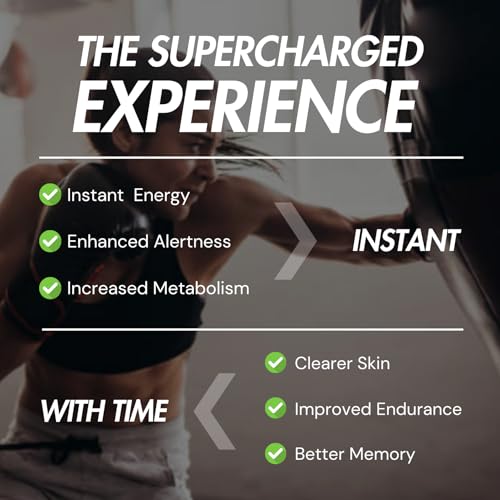
- High caffeine/energy boost ('supercharged') (11 mentions)
- Quality and freshness (vibrant green color) (8 mentions)
🎯 Best For
Morning energy boost • Coffee replacement • Pre-work/long shift energy • Daily routine beverage
Brand: Chazoku
Category: Matcha
As an Amazon Associate we earn from qualifying purchases.
About This Matcha
Chazoku's matcha blends ceremonial-grade leaves with monk fruit sweetener, producing a vibrant green powder that dissolves readily in hot water or milk without clumping. The flavor is smooth and gently sweet, with a subtle vanilla note and authentic umami character that avoids the bitterness common to lower-grade matchas. Reviewers frequently reach for it as a morning coffee replacement, citing sustained focus without the jitters or anxiety that caffeine from coffee can bring. The high caffeine content is worth noting — those sensitive to stimulants or using it in the evening may find it too strong. Best suited to busy mornings, pre-work routines, and anyone easing into matcha who wants a forgiving, no-fuss preparation.
Is Chazoku Supercharged Matcha Latte Right for You?
What does Chazoku Supercharged Matcha taste like?
Reviewers overwhelmingly describe it as smooth, sweet, and rich — with absolutely no bitterness, which is the single most praised quality (15+ mentions). There's a subtle vanilla hint and natural sweetness from monk fruit, along with that authentic umami/savory note you'd expect from quality ceremonial matcha. The vibrant green color signals freshness and proper processing. Multiple people who normally don't like matcha say this one changed their mind, and several say it tastes better than café-bought matcha lattes.
Is Chazoku matcha good for coffee replacement?
This is arguably the product's strongest use case. The "supercharged" high-caffeine formula means you won't miss the energy kick from coffee, and reviewers who made the switch consistently report sustained energy, clean focus, and — crucially — no jitters or anxiety. Unlike a lot of coffee alternatives that feel like a compromise, Chazoku delivers genuine energy that lasts throughout the day. The smooth, sweet flavor also makes it an easy transition for people who currently add cream and sugar to their coffee.
How much caffeine is in Chazoku Supercharged Matcha?
Chazoku markets this as a "Hi Caf" or high-caffeine matcha, and reviewers confirm the energy boost is noticeably stronger than regular matcha or even coffee. The exact milligram count varies by serving size, but expect significantly more than the typical 70mg in standard matcha. Eleven reviewers specifically called out the energy boost as a highlight, while some noted it's too strong for evening consumption. If you're caffeine-sensitive, starting with a half serving is smart — many regular users find half a serving provides plenty of energy.
How do you brew Chazoku matcha?
One of the best things about Chazoku's matcha latte blend is how easy it is to prepare — it dissolves directly in hot water without clumping, so you don't need a bamboo whisk or special technique. Just add a serving to hot water (or milk of your choice), stir or shake, and you're done. Several reviewers mention that even a half serving is plenty due to the concentration, so you might want to start there and adjust to taste.
Does Chazoku matcha cause jitters?
This is one of the most reassuring findings from the reviews: despite being a high-caffeine matcha, multiple reviewers specifically say it does not cause jitters or side effects. The L-theanine naturally present in matcha works alongside the caffeine to provide smooth, sustained energy rather than the sharp spike and crash you might get from coffee. Reviewers describe the experience as "clean focus" and "sustained energy" — exactly what you want from a daily caffeine source.
Is matcha better for anxiety than coffee?
Based on what Chazoku reviewers report, absolutely. This is one of the most consistent themes in the reviews: people switching from coffee specifically mention no jitters, no anxiety, and no crash — despite the high caffeine content. Matcha contains L-theanine, an amino acid that promotes calm focus, which is why you get energy without the edgy feeling. If coffee makes you anxious but you still need serious caffeine, this "supercharged" matcha is worth trying.
As an Amazon Associate we earn from qualifying purchases.
Is matcha higher in caffeine than coffee?
Standard matcha typically has slightly less caffeine than coffee per cup — about 70mg versus 95mg for drip coffee. However, Chazoku's Supercharged Matcha is specifically formulated as a high-caffeine ("Hi Caf") blend, so it packs significantly more energy than regular matcha. Reviewers frequently mention the noticeable energy boost, and some note it's too strong for evening consumption. The key difference from coffee is how it hits you: reviewers consistently report sustained energy without the jitters, crash, or anxiety that coffee can cause.
Is Chazoku good for matcha beginners?
It's actually one of the better options for beginners. The pre-sweetened monk fruit formula means you don't have to figure out how to make matcha taste good — it already does. It dissolves easily without a whisk or special tools, and the smooth, sweet, non-bitter flavor has converted self-described matcha skeptics. The forgiving serving size helps too: you can use half a portion while you're getting used to it. The only beginner caveat is the high caffeine — start with half a serving to see how it affects you.
How to make matcha as a beginner?
Chazoku is actually an excellent beginner matcha. It's pre-sweetened with monk fruit so you don't have to figure out how much sweetener to add, it dissolves easily without a whisk, and the flavor is smooth and sweet — not bitter at all. Multiple reviewers who were skeptical about matcha say this one converted them. Start with half a serving to gauge the caffeine level (it's quite strong), mix with your favorite milk, and you've got a latte that people say tastes better than what you'd get at Starbucks.
Who should NOT buy Chazoku Supercharged Matcha?
Be cautious if you're caffeine-sensitive — this is specifically a high-caffeine formula that even some reviewers find very strong. It's not a good choice for evening drinking due to the energy boost. If you want unsweetened, pure matcha for traditional tea ceremony preparation, this isn't it — it's a flavored latte blend with monk fruit and vanilla. And if you're buying matcha for children, look elsewhere — the caffeine content is too high for kids.
Do you mix Chazoku matcha with water or milk?
Both work well. Since this is a matcha latte blend that's pre-sweetened with monk fruit and has a hint of vanilla, it's designed to taste great with milk — reviewers love it with oat milk, almond milk, and regular dairy. But it also dissolves cleanly in plain hot water if you want a simpler preparation. For iced versions, mix with a splash of hot water first to dissolve, then pour over ice and top with cold milk.
How to make matcha tea without a whisk?
With Chazoku's matcha blend, you genuinely don't need one. Unlike pure matcha powder that can clump without proper whisking, this formula dissolves easily with just a spoon or a quick shake in a bottle. Reviewers specifically call out how well it mixes into water without any special tools. If you're using pure matcha powder elsewhere, a milk frother or a small jar you can shake vigorously works as a whisk substitute.
As an Amazon Associate we earn from qualifying purchases.
How to make iced matcha with Chazoku?
Mix your serving (or half a serving — many reviewers find that's enough) with a small amount of hot water to dissolve, then pour over a glass full of ice and add cold milk. The monk fruit sweetener and vanilla notes come through especially well when iced. Some reviewers also blend it into smoothies or use it as a base for matcha cocktails and martinis, which is a fun twist.
Can you use Chazoku matcha in recipes?
Absolutely — and reviewers get creative with it. Beyond lattes, people use it in dessert recipes and even cocktails and matcha martinis. The pre-sweetened vanilla-hinted flavor profile makes it work well in baked goods and sweet applications without needing to adjust sweetness separately. The easy dissolvability also helps it incorporate smoothly into batters and liquid bases. It's a versatile kitchen ingredient on top of being a great daily drink.
What is the highest quality matcha, and is Chazoku ceremonial grade?
Matcha is typically graded as culinary, premium, or ceremonial — with ceremonial being the highest quality, made from the youngest tea leaves and stone-ground to a fine powder. Chazoku Supercharged Matcha is indeed ceremonial grade, and reviewers consistently confirm the quality: the powder has a vibrant green color (a key indicator of freshness and grade), a smooth umami flavor profile, and none of the bitterness you'd get from lower-grade matcha.
Is matcha actually healthier than coffee?
Both have their merits, but matcha does offer some advantages: it's rich in antioxidants (catechins), provides L-theanine for calm focus, and delivers caffeine more gradually. With Chazoku, reviewers specifically highlight the practical health benefits they notice — sustained energy throughout the day, clean focus and clarity, and notably no jitters or anxiety that they experienced with coffee. The monk fruit sweetener also keeps it low-sugar compared to most flavored coffee drinks. Whether it's objectively "healthier" depends on your individual needs, but the subjective experience seems clearly better for many coffee switchers.
Is a matcha latte good for you?
A matcha latte can be a solid choice, especially when the base product is quality. Chazoku uses ceremonial grade matcha and sweetens with monk fruit instead of sugar, keeping calories low. Reviewers use it as a daily coffee replacement and report sustained energy and mental clarity. The main watch-out is what milk you pair it with — plant milks keep it lighter, while adding sugar or flavored syrups on top would diminish the health advantage. As-is, Chazoku's formula is vegan and gluten-free.
Is it safe to drink matcha every day?
Most people can safely enjoy matcha daily, and many Chazoku reviewers describe it as their daily routine beverage — replacing their morning coffee. The main consideration with this particular product is the higher-than-average caffeine level. Reviewers who use it daily often stick to a half serving, which still provides plenty of energy. If you're caffeine-sensitive, start small and see how your body responds before making it a daily habit.
As an Amazon Associate we earn from qualifying purchases.
Is matcha good for kids?
Because of the caffeine content, matcha generally needs to be approached with caution for children. Chazoku's Supercharged Matcha is specifically a high-caffeine formula — it's one of the stronger matcha products on the market — so it's definitely not appropriate for young children. Even for teenagers, the caffeine level may be too intense. If you're looking for matcha for kids, a standard culinary or ceremonial grade matcha at a very small serving size would be more appropriate than this product.
Is Starbucks matcha good for you?
Starbucks matcha lattes are made with a pre-mixed powder that contains a significant amount of sugar — it's actually the first ingredient. Chazoku's matcha is a notable step up: it uses ceremonial grade matcha, sweetens with monk fruit (no sugar), and multiple reviewers directly compare it favorably, saying it tastes better than Starbucks matcha. If you're a regular Starbucks matcha drinker looking to save money and get a healthier version at home, this is worth considering.
Which is healthier, matcha or coffee?
Both are legitimate options, but matcha has some clear advantages: more antioxidants, the calming effect of L-theanine paired with caffeine, and a slower energy release. Chazoku reviewers who switched from coffee consistently report better outcomes — sustained energy without the peaks and valleys, no jitters or anxiety, and a smoother overall experience. The monk fruit sweetening is also a plus versus sugar-laden coffee shop drinks. If coffee makes you jittery or anxious, matcha (and this high-caffeine version in particular) could be a game-changer.
What are the health benefits of matcha?
Matcha offers a concentrated dose of antioxidants (particularly EGCG), L-theanine for calm alertness, and caffeine for energy. With Chazoku's ceremonial grade formula, reviewers highlight the practical benefits they actually experience: sustained energy throughout the day, clean mental focus and clarity, and — perhaps most importantly — no jitters or crash despite the high caffeine. It's also vegan, gluten-free, and sweetened with monk fruit, making it a clean addition to most diets.
Why is Gen Z obsessed with matcha?
Matcha has become the go-to coffee alternative for younger consumers looking for clean energy without the anxiety and crashes. Products like Chazoku tap into this perfectly — it delivers a strong caffeine boost with sustained focus, but reviewers consistently say it doesn't cause jitters or that anxious feeling coffee can bring. The aesthetic factor helps too (that vibrant green color), and the fact that it works in lattes, smoothies, and even desserts makes it versatile for the recipe-sharing culture on social media.
Is matcha good for weight loss?
Matcha has been studied for its potential to support metabolism, partly due to its EGCG content and caffeine. Chazoku's version is particularly interesting here because it's high-caffeine (which may increase metabolic rate), sweetened with zero-calorie monk fruit rather than sugar, and reviewers frequently use it as a replacement for higher-calorie coffee drinks. It won't work miracles on its own, but as a low-calorie daily beverage that replaces sugary alternatives, it's a smart swap.
As an Amazon Associate we earn from qualifying purchases.
Is it healthy to drink matcha everyday?
For most adults, daily matcha consumption is considered safe and potentially beneficial. Many Chazoku reviewers drink it every single day as their morning ritual, replacing coffee entirely. The ceremonial grade quality means you're getting a high-antioxidant product, and the monk fruit sweetener avoids the daily sugar hit you'd get from other flavored drinks. Just be mindful of the high caffeine — daily drinkers often find a half serving hits the sweet spot for sustained energy without overdoing it.
What is the 30/20/10 rule for matcha?
The 30/20/10 rule is a traditional matcha preparation guideline: sift 2g of matcha (about 1 tsp), add 30ml of water at 80°C, whisk for 20 seconds, then let it rest for 10 seconds. However, this applies mainly to pure ceremonial matcha powder. With Chazoku's latte blend, you can skip this entirely — it's formulated to dissolve smoothly without sifting or whisking, which is part of what makes it so beginner-friendly.
How to make a matcha latte with Chazoku?
This is literally what the product is designed for. Add one serving of the powder to a few ounces of hot water, stir until dissolved, then top with steamed or frothed milk — oat, almond, and regular dairy all work great. It's already sweetened with monk fruit and has a vanilla hint, so you shouldn't need any additional sweetener. Reviewers say the result tastes better than café-bought matcha lattes, and many note that a half serving is plenty if you prefer a lighter drink.
What Makes This Product Special
⚠️ Preliminary analysis based on 22-review sample • Our methodology
- Smooth, sweet taste without bitterness (15 mentions)
- High caffeine/energy boost ('supercharged') (11 mentions)
- Quality and freshness (vibrant green color) (8 mentions)
- Pre-sweetened with monk fruit (low sugar/calorie) (5 mentions)
- No jitters or side effects despite high caffeine (3 mentions)
- Dissolves easily in water (2 mentions)
Taste Profile
- smooth
- sweet
- rich
- vibrant
- not bitter
Best Use Cases
🎯 Best For
- Morning energy boost
- Coffee replacement
- Pre-work/long shift energy
- Daily routine beverage
- Matcha lattes with various milks
- Recipe ingredient (desserts, drinks)
⚠️ Not Ideal For
- Caffeine-sensitive individuals
- Evening consumption (high caffeine)
What to Consider
- Packaging can arrive damaged/crushed (1 mentions)
- Very high caffeine may be too strong for some (1 mentions)
⚠️ based on 22-review sample. Some issues may not be captured.
About This Analysis
This analysis is based on 22 customer reviews. We're showing you everything we found, but with a moderate sample, there's a lot we likely haven't captured yet.
✅ What we're confident about: What customers love and best use cases
⚠️ What may be incomplete: Potential issues and considerations
For more perspectives, check customer reviews on Amazon.
Product Selection
In short: We only feature high-rated products.
Products on TeaDelight.net are selected based on strong Amazon customer ratings, sufficient review volume, and market presence. We focus on well-regarded products that tea enthusiasts are actively considering and purchasing.
As an Amazon Associate we earn from qualifying purchases.
You Might Also Like

✅ Vibrant, bright green color indicating freshness and quality
35°N MATCHA Organic Ceremonial Grade Matcha Powder

✅ Starbucks taste similarity
Jade Leaf Matcha Latte Mix Bundle (500g)

✅ taste/flavor
Jade Leaf Matcha Latte Mix Bundle (1kg)

✅ Smooth, creamy texture that blends easily