

We analyze real customer reviews to surface what matters: key strengths, ideal use cases, and honest considerations — so you can make an informed choice.
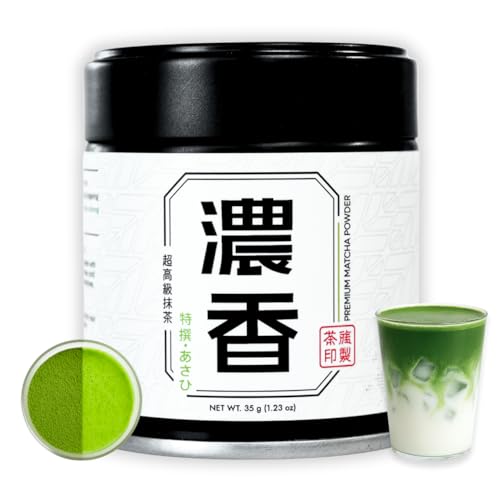
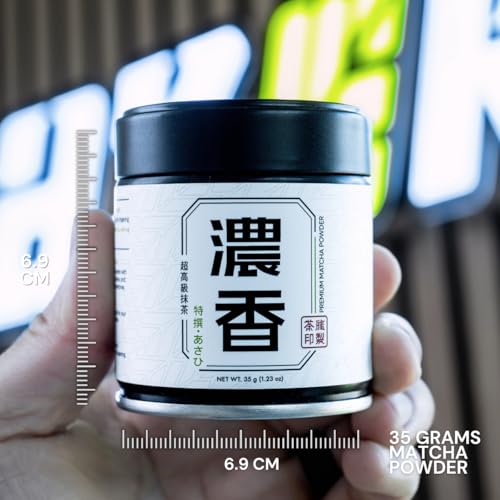
Chazoku Asahi Single Cultivar Ceremonial Matcha
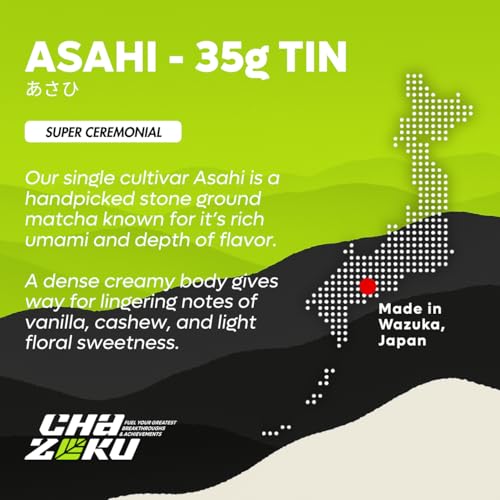
A single-cultivar ceremonial matcha with bold umami, silky mouthfeel, and vivid green color — rewards traditional chasen preparation.
🎯 Best for: Traditional tea ceremonies, Mindful morning ritual
🍃 Tastes like: vegetal, grassy, nutty

What Stands Out
🍃 Flavor Profile
Strength: Bold
Notes: vegetal, grassy, nutty
✅ What Customers Love
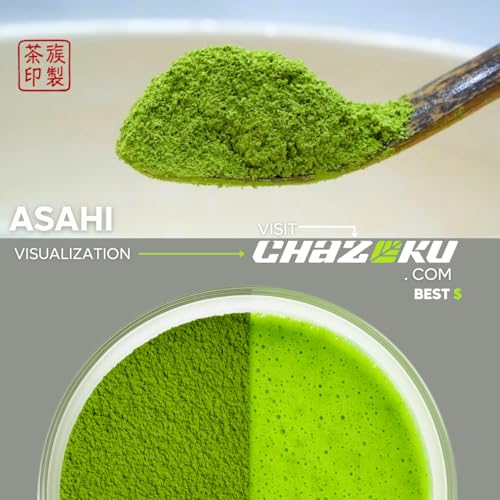
- Vibrant green color (10 mentions)
- No bitterness (9 mentions)
- Smooth and creamy texture (8 mentions)
🎯 Best For
Traditional tea ceremonies • Mindful morning ritual • Before or after meditation for calm focus • Early morning energy boost
Brand: Chazoku
Category: Matcha
As an Amazon Associate we earn from qualifying purchases.
About This Matcha
This stone-milled, single-cultivar matcha delivers a full-bodied bowl with strong vegetal and umami notes, a creamy texture, and no bitterness in the cup. The vivid green color and fresh grassy aroma reflect its ceremonial character, and it performs best when whisked traditionally rather than used as a casual latte base. Reviewers note a slight astringency on the finish — a quality enthusiasts read as complexity. The powder requires refrigeration after opening to preserve its character. Best suited to experienced matcha drinkers and tea ceremony practitioners; those new to matcha may find the assertive, grassy intensity unfamiliar.
Is Chazoku Asahi Single Cultivar Ceremonial Matcha Right for You?
What does Chazoku Asahi matcha taste like?
Reviewers describe the Chazoku Asahi as bold and full-bodied with layers of flavor: strong vegetal and grassy notes upfront, a rich umami depth, subtle nuttiness, and a natural sweetness that rounds it all out. The texture is consistently described as smooth, creamy, and silky — almost luxurious. Nine reviewers specifically noted there's no bitterness, though a couple detected a slight astringency on the finish. The aroma is fresh and grassy, like you're opening a tin of something genuinely alive. It's an assertive, complex matcha — not a quiet, mellow one.
What are the pros and cons of matcha?
For the Chazoku Asahi specifically — Pros: vibrant green color (the most mentioned positive), no bitterness, luxuriously smooth and creamy texture, complex umami-rich flavor, stone milled to an extremely fine powder that whisks easily, authentic Kyoto quality, and a clean energy boost with calm focus and no jitters. Cons: it's expensive (though reviewers say the quality justifies it), the bold flavor might overwhelm matcha newcomers, a couple of reviewers noticed slight astringency on the finish, and it needs refrigeration after opening. Overall, reviewers overwhelmingly consider it worth the investment for the quality.
Is Chazoku Asahi good for beginners?
It's a mixed answer. On the practical side, yes — it dissolves easily without clumping, isn't bitter, and comes with clear preparation instructions. You won't struggle with the mechanics of making it. But on the flavor side, it's a bold, assertive matcha with intense vegetal and umami notes that might be a lot if you've never had matcha before. If you're transitioning from Starbucks matcha lattes, the jump will be significant. Some reviewers actually recommend starting with something milder, while others say beginners should start with the best to understand what matcha really tastes like.
How does Chazoku Asahi compare to other matcha on Amazon?
Experienced matcha drinkers in the reviews are pretty clear on this: they consider the Chazoku Asahi superior to other matchas available on Amazon. The single cultivar sourcing, stone milling, and Kyoto origin set it apart from the many blended or lower-grade options on the platform. Reviewers specifically describe it as 'tea house quality' — the kind of matcha you'd expect from a specialty shop, not a mass-market product. The tradeoff is price; it's at the premium end. But for those who know their matcha, the quality difference is apparently very noticeable.
What are the cons of matcha tea?
Being honest about the Chazoku Asahi specifically: it's pricey, and multiple reviewers acknowledge it's better suited for special occasions than daily use. The flavor is bold and assertive with strong vegetal and umami notes, which can be intense if you're new to matcha. A couple of reviewers also noticed a slight astringency or bitterness on the finish, though the majority found it smooth and not bitter at all. Practically speaking, it requires refrigeration after opening to maintain freshness. And like all matcha, it does contain caffeine, so late-day drinking isn't ideal if you're caffeine-sensitive.
What makes Chazoku Asahi a single cultivar matcha?
Most commercial matchas are blends of tea from multiple cultivars (plant varieties), which creates a more consistent but generic flavor. The Chazoku Asahi comes from a single cultivar, meaning all the tea leaves come from one specific variety of the Camellia sinensis plant. This is similar to single-origin coffee — it gives the matcha a more distinct, complex character. Experienced matcha enthusiasts particularly value this because it showcases the unique terroir and growing conditions of that specific cultivar in Kyoto, rather than smoothing everything into a homogeneous blend.
As an Amazon Associate we earn from qualifying purchases.
How should I store Chazoku Asahi matcha after opening?
Refrigerate it after opening — reviewers specifically mention this is necessary to maintain freshness. Keep the tin sealed tightly to protect the powder from moisture, odors, and light, all of which degrade matcha quality. The fresh grassy aroma and vibrant green color that reviewers love will fade if the matcha is stored improperly. Try to use it within a few weeks of opening for the best flavor. Before each use, let the tin come to room temperature briefly before opening to prevent condensation from getting into the powder.
How do you brew Chazoku Asahi matcha?
For traditional preparation, sift about 1-2 grams of the Chazoku Asahi powder into a bowl, add a small amount of hot water (around 175°F / 80°C — not boiling), and whisk briskly with a bamboo chasen in a W or M motion until frothy. Reviewers note that this matcha froths up beautifully and whisks easily without clumping, so you'll get a smooth, creamy bowl without much effort. The product also comes with clear preparation instructions that work well even for beginners.
How to make matcha as a beginner?
The Chazoku Asahi is actually a solid choice for beginners despite its premium quality. Reviewers note that it dissolves easily without clumping, isn't bitter, and comes with clear preparation instructions. Start by sifting 1-2 grams into a bowl, add about 2-3 ounces of water heated to around 175°F, and whisk until frothy. The powder is stone milled extremely fine, so it blends smoothly even if your whisking technique isn't perfect yet. Just be aware that the flavor is fairly bold and assertive — if you're completely new to matcha, the strong vegetal and umami notes might be intense at first.
What's the best way to use Chazoku Asahi matcha?
Reviewers suggest this matcha is best enjoyed in ways that let its complex flavor shine. Top uses include: traditional ceremony-style preparation (whisked with hot water in a bowl) for the full umami experience, as a mindful morning ritual to start the day with calm focus, before or after meditation for sustained clarity, and occasionally in bold matcha lattes when you want something special. It also works well as an early morning energy boost — reviewers report clean, jitter-free alertness. The one place it might be overkill? Casual everyday lattes, where a more affordable matcha would do the job.
How to make a matcha latte with Chazoku Asahi?
Start by whisking 1-2 grams of the Chazoku Asahi with a small splash of hot water (about 2 ounces at 175°F) to create a smooth paste, then add steamed or frothed milk of your choice. Reviewers were pleasantly surprised that this ceremonial grade matcha works exceptionally well in lattes — the bold, umami-rich flavor doesn't disappear behind the milk the way milder matchas can. The vibrant green color also makes for a gorgeous-looking latte. That said, at this price point, several reviewers suggest saving it for special occasion lattes rather than daily use.
How to make iced matcha with Chazoku Asahi?
Whisk 1-2 grams of the Chazoku Asahi with a small amount of cold or room temperature water (about 2 ounces) until smooth — the ultra-fine powder dissolves well even without hot water. Pour over ice and top with cold water or milk. The bold, grassy flavor and natural sweetness of this matcha hold up really well over ice. The vibrant green color looks stunning in a clear glass too. Since iced preparation can mute more subtle flavors, the Asahi's assertive, full-bodied character is actually an advantage here.
As an Amazon Associate we earn from qualifying purchases.
Can I use Chazoku Asahi matcha for baking?
You technically can, but most people would consider it a waste. This is a super ceremonial grade, single cultivar matcha that's stone milled in Kyoto — its complex flavor, creamy texture, and vibrant color are best appreciated in a bowl or latte where you can actually taste the nuance. For baking, where heat and other ingredients mask subtle flavors, a good culinary grade matcha will give you the color and general matcha taste at a fraction of the price. Save the Asahi for drinking.
What is the highest quality matcha?
The highest quality matcha is ceremonial grade, and Chazoku Asahi takes it a step further with what they call 'super ceremonial grade.' What sets it apart is that it's a single cultivar matcha — not a blend of different tea plants — which gives it a more distinct, complex flavor profile. It's stone milled in Kyoto using traditional methods, and reviewers consistently highlight its vibrant green color and strong umami flavor as signs of genuinely high-quality matcha. Several experienced matcha drinkers say it's superior to other matchas available on Amazon.
Do you mix matcha with water or milk?
Both work well with the Chazoku Asahi. Traditionally, ceremonial grade matcha like this is whisked with hot water to appreciate its full flavor — and reviewers rave about the smooth, creamy texture and rich umami you get that way. That said, multiple reviewers were surprised at how well it performs in lattes too, despite being ceremonial grade. The bold flavor holds up against milk rather than getting lost. If you're using it for lattes, some reviewers suggest saving this one for special occasions and using a less premium matcha for your daily drinks.
Is matcha better for anxiety than coffee?
Many people find matcha easier on anxiety than coffee, and the Chazoku Asahi seems to deliver on that promise. Reviewers specifically mention using it for 'calm focus' and meditation, and highlight that it provides an energy boost without the jitters or anxiety that coffee can trigger. Matcha naturally contains L-theanine, an amino acid that promotes relaxation without drowsiness. The combination of caffeine and L-theanine gives you alertness with a sense of calm — quite different from coffee's more jittery stimulation.
Is matcha higher in caffeine than coffee?
A typical serving of matcha contains about 60-70mg of caffeine compared to roughly 95mg in a cup of coffee, so it's slightly less caffeine overall. But what reviewers love about the Chazoku Asahi is the quality of the energy boost — multiple people describe getting strong focus and energy with no jitters. That's because matcha contains L-theanine, which works alongside the caffeine to provide calm, sustained alertness rather than the spike-and-crash cycle many people experience with coffee.
What are the health benefits of matcha?
Matcha offers concentrated antioxidants (especially catechins and EGCG), L-theanine for calm focus, gentle sustained caffeine, and a range of vitamins and minerals — all because you consume the whole tea leaf. Reviewers of the Chazoku Asahi specifically validate the energy and focus benefits, describing an 'instant energy boost,' 'focus and clarity,' and 'calm focus for meditation' — all without jitters. The vibrant green color of this particular matcha suggests high chlorophyll content, which is a marker of quality and nutrient density.
As an Amazon Associate we earn from qualifying purchases.
Is Starbucks matcha good for you?
Starbucks matcha drinks contain a pre-mixed matcha powder blended with sugar as the first ingredient, which is very different from a pure ceremonial grade matcha like the Chazoku Asahi. With the Asahi, you're getting 100% stone-milled matcha with no additives — just pure tea. The Chazoku delivers the actual health benefits matcha is known for (antioxidants, L-theanine, clean energy) without the added sugar. Reviewers describe the Asahi's natural flavor as smooth, sweet, and umami-rich, so it genuinely doesn't need sweetener.
Is it safe to drink matcha every day?
Generally yes — matcha has been consumed daily in Japan for centuries. It's rich in antioxidants, particularly catechins, and provides sustained energy. However, with a premium matcha like the Chazoku Asahi, the bigger question might be practical rather than health-related: at this price point, several reviewers suggest it's better as a special occasion matcha rather than an everyday one. If you want a daily matcha habit, you might use the Asahi for your weekend ritual and a more affordable option for weekdays.
Is matcha actually healthier than coffee?
Matcha offers some distinct health advantages over coffee. It's packed with catechins (powerful antioxidants), contains L-theanine for calm focus, and provides more sustained energy without the crash. Reviewers of the Chazoku Asahi specifically highlight the 'focus and clarity' and 'calm focus for meditation' benefits, with no jitters — suggesting a smoother caffeine experience than coffee. Matcha also contains fiber, chlorophyll, and vitamins that coffee doesn't. That said, both have their place, and the 'healthier' choice depends on your individual response to each.
Is a matcha latte good for you?
A matcha latte made with quality matcha like the Chazoku Asahi retains most of matcha's health benefits — antioxidants, L-theanine, and gentle caffeine. You're drinking the whole tea leaf, so you get far more nutrients than steeped tea. The key is what you add: a latte with unsweetened milk keeps things healthy, while loading it with sugar and syrups (like many café versions) offsets the benefits. Reviewers note this matcha works exceptionally well in lattes, so you're getting genuine ceremonial-grade quality even in latte form.
Why is Gen Z obsessed with matcha?
Matcha has become a cultural phenomenon — it's photogenic (that vibrant green), fits wellness-focused lifestyles, and offers a caffeine boost without the jitters that coffee brings. It's also naturally associated with mindfulness and ritual, which resonates with younger consumers. A matcha like the Chazoku Asahi embodies the premium end of this trend — its stunning green color looks incredible in photos, and the authentic Japanese ceremonial experience offers something more meaningful than just another caffeinated drink. Reviewers note using it for mindful morning rituals and meditation, which aligns with this broader cultural shift.
Which is healthier, matcha or coffee?
Both have health benefits, but matcha has some distinct advantages: it contains more antioxidants, provides L-theanine for calm alertness (not just stimulation), and delivers fiber and chlorophyll that coffee can't. Reviewers of the Chazoku Asahi consistently describe the energy as clean and focused with no jitters — a stark contrast to coffee's sometimes anxious buzz. That said, coffee has its own antioxidant profile and is fine for most people. The 'healthier' choice often comes down to how your body responds to each.
As an Amazon Associate we earn from qualifying purchases.
How to brew matcha powder for best results?
For the Chazoku Asahi specifically, sift about 2 grams into a pre-warmed bowl — this matcha is extremely fine but sifting still helps eliminate any tiny clumps for the smoothest cup. Add about 2-3 ounces of water at around 175°F (not boiling, which would make it bitter). Whisk briskly in a W or zigzag motion for about 15-30 seconds. Reviewers say it froths up beautifully with minimal effort. One important note: store the tin in the refrigerator after opening to preserve that fresh grassy aroma and vibrant color.
How to make matcha tea without a whisk?
While a bamboo chasen gives the best results, the Chazoku Asahi is more forgiving than most matchas if you don't have one. Because it's stone milled to an extremely fine powder, reviewers say it mixes and dissolves easily without clumping. You can use a small kitchen whisk, a milk frother, or even a jar with a tight lid — add the powder and a small amount of hot water, shake vigorously, and you'll get a reasonably smooth result. You won't get quite the same frothy top as with a proper bamboo whisk, but the smooth, creamy texture will still come through.
How to make matcha with milk?
Start by making a concentrated matcha shot — whisk 1-2 grams of the Chazoku Asahi with about 2 ounces of hot water until smooth and frothy. Then add your preferred milk (oat, whole, or almond all work well). Reviewers specifically noted this matcha works 'exceptionally well in lattes despite being ceremonial grade,' and the bold umami and vegetal notes cut through milk beautifully rather than getting washed out. You'll also get that gorgeous deep green color that makes matcha lattes so photogenic.
What is the 30/20/10 rule for matcha?
The 30/20/10 rule is a general guideline for matcha preparation: 30 seconds of whisking, 20 ounces of water per serving session, and water heated to about 10 degrees below boiling (so around 175°F / 80°C). With the Chazoku Asahi, you may find you need even less whisking time — reviewers note the stone-milled powder is extremely fine and mixes easily, producing a frothy, smooth bowl without extended effort.
How to prepare a matcha whisk before first use?
Before using a bamboo chasen (matcha whisk) for the first time, soak the tines in warm water for a minute or two to soften them and prevent breakage. This is especially worth doing when preparing a premium matcha like the Chazoku Asahi — you want the whisk to create that fine, creamy froth that reviewers rave about. After each use, rinse the whisk under warm water (no soap), reshape the tines, and let it dry on a whisk holder. A well-maintained chasen makes a noticeable difference in the frothiness and texture of your matcha.
What Makes This Product Special
⚠️ Preliminary analysis based on 15-review sample • Our methodology
- Vibrant green color (10 mentions)
- No bitterness (9 mentions)
- Smooth and creamy texture (8 mentions)
- Strong umami flavor (7 mentions)
- Fresh grassy aroma (7 mentions)
- Stone milled - extremely fine powder (6 mentions)
- Mixes/whisks easily without clumping (6 mentions)
- Froths up beautifully (5 mentions)
- Authentic Japanese quality from Kyoto (5 mentions)
- Strong energy/focus boost with no jitters (4 mentions)
Taste Profile
- smooth
- creamy
- silky
- earthy
- grassy
- rich umami
- full-bodied
- balanced
- not bitter
Best Use Cases
🎯 Best For
- Traditional tea ceremonies
- Mindful morning ritual
- Before or after meditation for calm focus
- Early morning energy boost
- Matcha lattes when bold flavor is desired
- Special occasions
⚠️ Not Ideal For
- Casual/everyday lattes (reviewer suggests saving for special occasions)
- Beginners new to matcha (flavor profile described as assertive)
What to Consider
- Powder puffed out forcefully when opening (dented can) (2 mentions)
- Requires refrigeration after opening (2 mentions)
- Slight astringency/bitterness on finish (2 mentions)
⚠️ based on 15-review sample. Some issues may not be captured.
About This Analysis
This analysis is based on 15 customer reviews. We're showing you everything we found, but with a moderate sample, there's a lot we likely haven't captured yet.
✅ What we're confident about: What customers love and best use cases
⚠️ What may be incomplete: Potential issues and considerations
For more perspectives, check customer reviews on Amazon.
Product Selection
In short: We only feature high-rated products.
Products on TeaDelight.net are selected based on strong Amazon customer ratings, sufficient review volume, and market presence. We focus on well-regarded products that tea enthusiasts are actively considering and purchasing.
As an Amazon Associate we earn from qualifying purchases.
You Might Also Like

✅ Vibrant, bright green color indicating freshness and quality
35°N MATCHA Organic Ceremonial Grade Matcha Powder

✅ Starbucks taste similarity
Jade Leaf Matcha Latte Mix Bundle (500g)

✅ taste/flavor
Jade Leaf Matcha Latte Mix Bundle (1kg)

✅ Smooth, creamy texture that blends easily