



We analyze real customer reviews to surface what matters: key strengths, ideal use cases, and honest considerations — so you can make an informed choice.
AprikaLife Organic Matcha Powder
A vibrant culinary-grade matcha with a fresh, grassy character that whisks smooth — concentrated enough that a small amount goes a long way in lattes and baking.
🎯 Best for: Morning matcha lattes, Baking (cakes, pancakes, ice cream)
🍃 Tastes like: grassy, slightly bitter (culinary grade), clean

What Stands Out
🍃 Flavor Profile
Strength: Moderate
Notes: grassy, slightly bitter (culinary grade), clean
✅ What Customers Love
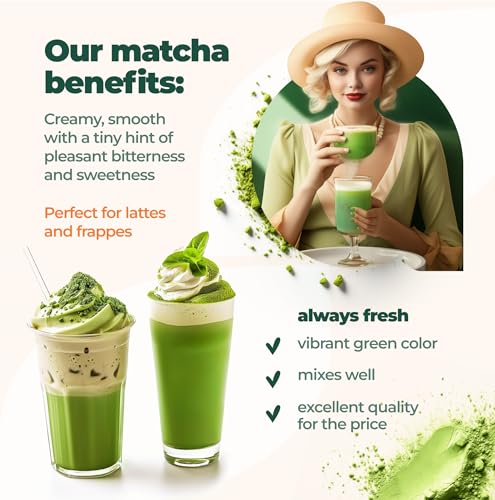
- Vibrant green color (7 mentions)
- Excellent quality-to-price ratio (6 mentions)
- Fresh taste (5 mentions)
🎯 Best For
Morning matcha lattes • Baking (cakes, pancakes, ice cream) • Smoothies • Culinary applications
Brand: aprikalife
Category: Matcha
As an Amazon Associate we earn from qualifying purchases.
About This Matcha
This culinary-grade matcha delivers a fresh, grassy flavor with clean, vibrant character that performs well in lattes, smoothies, and baked goods like cakes and pancakes. The powder whisks easily and blends without clumping, making it a consistent base whether you're preparing a morning latte or folding it into batter. The flavor is notably concentrated — reviewers find a small amount produces a strong, satisfying cup. It carries a slight bitterness characteristic of culinary-grade matcha, most apparent when water runs too hot, so temperature control matters. Best suited to daily matcha drinkers who want a versatile powder for both drinking and cooking.
Is AprikaLife Organic Matcha Powder Right for You?
What is the highest quality matcha?
The highest quality matcha is ceremonial grade, made from the first harvest of young tea leaves — and it'll cost you accordingly. AprikaLife is a culinary grade 2nd harvest matcha, which sits a tier below ceremonial. But here's the thing: multiple experienced matcha drinkers in the reviews say this tastes comparable to ceremonial grades they've tried. The vibrant green color (mentioned by 7+ reviewers) is a strong indicator of quality even at this grade. For lattes, smoothies, and baking, you genuinely don't need ceremonial grade.
What does AprikaLife matcha taste like?
Reviewers describe it as smooth, fresh, and grassy with a clean finish — not overly bitter like some culinary grades. The flavor is moderately strong, so you don't need much per serving. A couple of reviewers note slight bitterness compared to ceremonial grade, which is expected at this tier, but most find it very pleasant, especially in lattes. The key to getting the best taste: don't use boiling water. Keep it around 175°F and the grassy, vibrant flavor really shines without tipping into bitterness.
Is culinary grade matcha worse than ceremonial grade?
Not worse — different. Ceremonial grade is made from the first harvest and meant for traditional whisking with water. Culinary grade (like this AprikaLife 2nd harvest) has a slightly bolder, more robust flavor that actually works better in lattes, smoothies, and baking where it needs to stand up against milk and other ingredients. Interestingly, several experienced matcha drinkers in the reviews say this tastes comparable to ceremonial grades they've tried. The main difference you'll notice is a touch more bitterness when drunk straight with just water.
How can you tell if matcha powder is good quality?
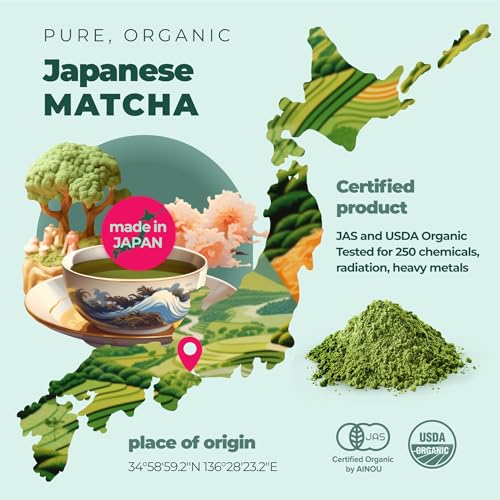
Color is the biggest indicator — high-quality matcha should be a vibrant, bright green. Dull or yellowish-brown matcha is typically lower quality or stale. AprikaLife's vibrant green color is the single most mentioned strength in reviews (7+ mentions). Other quality signs: it should smell fresh and grassy (not musty), feel fine and silky between your fingers, and dissolve smoothly without excessive clumping. This matcha checks all those boxes according to reviewers, and the dual USDA/JAS organic certification adds another layer of quality assurance.
Why is this matcha so much cheaper than other brands?
It's culinary grade (2nd harvest) rather than ceremonial grade (1st harvest), which is the main cost difference. First harvest leaves are more labor-intensive to produce and have a more delicate flavor profile. But here's what makes AprikaLife stand out: reviewers consistently say it offers the best quality matcha for the price, with some experienced drinkers finding it comparable to ceremonial grades. You're getting authentic Japanese matcha with dual organic certification at a fraction of the premium price — the quality-to-price ratio is one of the top strengths reviewers mention.
How to make matcha as a beginner?
AprikaLife is actually a great beginner matcha — reviewers specifically highlight it as an affordable entry point that's forgiving to prepare. Start simple: put 1 teaspoon in a cup, add a splash of hot (not boiling) water, and whisk or stir until dissolved. Then add hot milk or more water to fill your cup. Don't stress about having a bamboo whisk — this powder mixes easily. The key beginner tip from reviewers: keep your water under 175°F to avoid bitterness. A small amount goes a long way, so start with less and adjust to taste.
As an Amazon Associate we earn from qualifying purchases.
How do you brew matcha?
For this AprikaLife matcha, start with about 1 teaspoon (2g) of powder — reviewers note a little goes a long way because of the strong flavor intensity. Add 2-3 oz of hot water (around 175°F, NOT boiling — one reviewer warns it gets bitter with overheated water). Whisk vigorously until smooth and frothy. For a latte, top with your choice of steamed milk. The good news is this powder dissolves well and mixes easily, which reviewers specifically praise.
What's the best water temperature for AprikaLife matcha?
Aim for around 175°F (80°C). This is important — one reviewer specifically warns that overheated water makes it bitter. If you don't have a temperature-controlled kettle, just bring water to a boil and let it cool for about 2-3 minutes. At the right temperature, you'll get that smooth, grassy, fresh flavor the reviews praise rather than the bitterness that comes from scorching the powder.
How do you make a matcha latte with AprikaLife matcha?
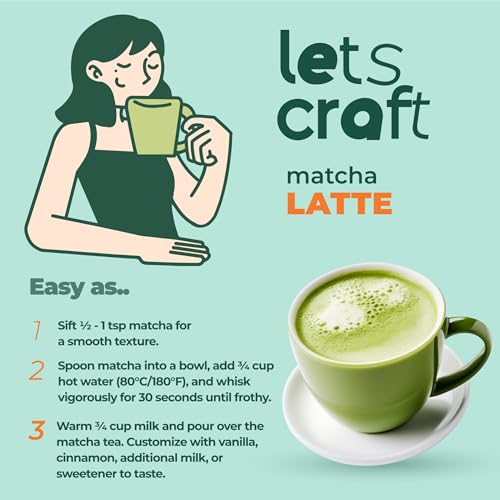
This is the most popular way customers use this matcha. Sift 1-2 teaspoons of powder into a cup (sifting prevents clumps, though reviewers say it dissolves well either way). Add about 2 oz of hot water (175°F — not boiling) and whisk until smooth. Then pour in 6-8 oz of steamed milk — oat, almond, or regular dairy all work. The grassy, clean flavor comes through nicely in a latte. For iced, just pour the matcha concentrate over ice and add cold milk.
Do you mix matcha with water or milk?
Both work great with this matcha. For a traditional matcha tea, whisk it with hot water. For a latte (which is the most popular use among AprikaLife reviewers), you start with a small amount of hot water to dissolve the powder, then add steamed or frothed milk. This matcha dissolves well in both, which is a common praise point. Reviewers also blend it into smoothies with milk, and one even mentions it pairs beautifully with strawberry.
How do you make matcha tea without a whisk?
Good news — AprikaLife's matcha dissolves well and mixes easily, which reviewers call out as a strength. You can use a small regular whisk, a milk frother (the handheld battery-powered kind works great), a mason jar with a lid for shaking, or even a blender if you're making a smoothie. The key is vigorous mixing to break up any clumps. Since this is a culinary grade that dissolves easily, you don't need the traditional bamboo chasen to get a smooth result.
How do you make iced matcha with this powder?
Dissolve 1-2 teaspoons of the AprikaLife matcha in a small amount of hot water first (just enough to make a smooth paste — cold water won't dissolve it well). Then pour over a glass full of ice and add cold milk or water. The vibrant green color really pops in an iced drink. Some reviewers blend it with ice and milk for a frappuccino-style drink, and one recommends adding strawberry for a surprisingly good flavor combination.
As an Amazon Associate we earn from qualifying purchases.
Can I use AprikaLife matcha in smoothies?
Definitely — smoothies are one of the top uses reviewers mention. The strong flavor intensity means you only need a teaspoon or so to get a clear matcha flavor, even alongside fruits and other ingredients. One reviewer specifically mentions it blends well with strawberry. The vibrant green color also makes for photogenic smoothie bowls. Since it dissolves well, you won't get grainy texture in your blended drinks.
Is AprikaLife matcha good for baking?
Absolutely — it's a culinary grade matcha, which is specifically designed for cooking and baking. Reviewers use it in cakes, pancakes, ice cream, and other desserts with great results. The vibrant green color holds up well in baked goods, and the strong flavor intensity means a small amount gives you noticeable matcha flavor without needing to add a lot of powder. One reviewer mentions it works well in both sweet and savory applications, which is a nice bonus if you want to experiment beyond desserts.
Does this matcha dissolve easily in cold liquids?
Reviewers praise how well this matcha dissolves and mixes, though for best results you'll want to start with a small amount of hot water to create a smooth paste before adding cold liquid. Trying to dissolve it directly in cold milk or water can leave clumps — that's true of any matcha, not specific to AprikaLife. A quick shake in a sealed bottle or a few seconds with a handheld frother handles it well for iced drinks.
How long does a 3.5 oz bag of matcha last?
Longer than you'd think. At 1-2 teaspoons per serving, a 3.5 oz (100g) bag gives you roughly 50 servings. If you're having one matcha a day, that's nearly two months. Reviewers specifically note that a small amount goes a long way because of the strong flavor intensity — you don't need to heap it on. One reviewer even mentioned the package size seemed small at first but was pleasantly surprised by how long it lasted.
Is the quality consistent if I reorder?
Yes — reviewers specifically mention consistent quality across multiple orders, which is a real concern with matcha since batches can vary. The fact that repeat buyers comment on this is a good sign. The vibrant green color, fresh taste, and smooth texture remain reliable order after order according to the review data.
What are the cons of matcha tea?
Being honest: this AprikaLife matcha has a slight bitterness compared to ceremonial grade — a couple of reviewers mention it. It can also get noticeably more bitter if you use water that's too hot (stick to 175°F or below). Matcha in general contains caffeine, so it's not great before bedtime. And while the 3.5 oz package might look small, reviewers say it goes a long way since you only need a small amount per serving. For traditional tea ceremony purists, a culinary grade won't match the delicate sweetness of premium ceremonial matcha.
As an Amazon Associate we earn from qualifying purchases.
What are the pros and cons of matcha?
For this AprikaLife matcha specifically — Pros: vibrant green color (a quality indicator praised by 7+ reviewers), excellent value for the price, fresh grassy taste, dissolves easily for lattes and smoothies, dual USDA/JAS organic certification, and sustained energy without coffee crashes. Cons: slight bitterness compared to ceremonial grade (it is culinary grade), can get bitter if your water is too hot, and the 3.5 oz size looks small (though it lasts longer than you'd expect). Overall, reviewers overwhelmingly find the pros outweigh the cons at this price point.
Is Starbucks matcha good for you?
Starbucks matcha is pre-mixed with sugar — it's the first ingredient in their matcha blend. AprikaLife's matcha is unsweetened, USDA organic, and JAS certified with no additives, so you know exactly what you're getting. If you enjoy Starbucks matcha lattes, making them at home with this powder is significantly healthier (and much cheaper). You control the sugar, the milk, and the quality. Several reviewers switched from café matcha to making their own with AprikaLife for exactly this reason.
Is there a downside to matcha?
Honestly, yes — matcha can taste bitter if you don't prepare it right, and that applies to this AprikaLife powder too. A couple of reviewers noted slight bitterness compared to ceremonial grade, and one pointed out it gets noticeably bitter if your water is too hot. The fix is simple: use water around 175°F (80°C), not boiling. Also, matcha does contain caffeine, so it's not ideal right before bed. But for most people, the sustained energy without jitters is actually a selling point over coffee.
Is it okay to drink matcha powder every day?
Yes, and many AprikaLife customers do exactly that — they use this matcha as part of their daily routine, whether as a morning latte or an afternoon pick-me-up. Reviewers mention sustained energy without the crashes they get from coffee. Since it's USDA and JAS organic certified, you're not getting pesticide residue with daily use. Just keep in mind that matcha does contain caffeine (though less than coffee), so you'll want to be mindful of your total intake if you're sensitive to it.
Is matcha higher in caffeine than coffee?
Cup for cup, matcha typically has less caffeine than coffee — roughly 70mg per serving versus 95-200mg for coffee. But what AprikaLife reviewers highlight is the quality of the energy: sustained energy without the crashes they get from coffee. Matcha contains L-theanine, which smooths out the caffeine effect, giving you alertness without jitters. Several customers specifically switched from coffee to this matcha for that reason.
Is organic matcha powder healthy?
Matcha is one of the most antioxidant-rich teas you can drink, and since you're consuming the whole leaf (not just a steep), you get the full nutritional benefit. AprikaLife's matcha is both USDA and JAS organic certified, meaning it meets strict organic standards in both the US and Japan. Reviewers specifically mention sustained energy without coffee crashes and getting all the well-known benefits of green tea in a more concentrated form.
As an Amazon Associate we earn from qualifying purchases.
Is it safe to drink matcha every day?
For most people, yes. This AprikaLife matcha is USDA and JAS organic certified, so you're avoiding pesticide concerns that can come with non-organic matcha (especially important since you're consuming the whole leaf). Many reviewers use it daily as part of their morning routine. The main thing to watch is caffeine intake — if you're having matcha plus coffee plus energy drinks, you might want to moderate. But matcha alone as a daily drink is well within normal caffeine limits for most adults.
Is matcha actually healthier than coffee?
They're healthy in different ways, but matcha has some distinct advantages. Since you consume the whole tea leaf, you get more antioxidants (catechins, specifically EGCG) than brewed coffee. Matcha also contains L-theanine for calm focus, and AprikaLife reviewers specifically mention sustained energy without coffee crashes as a key benefit. Coffee has its own health benefits, but if you're looking for smoother energy and more antioxidants, this organic matcha is a strong choice.
Is a matcha latte good for you?
A matcha latte made with this AprikaLife powder gives you all the antioxidant and energy benefits of matcha in a creamy, enjoyable format. The matcha itself is organic and unsweetened, so it's as healthy as whatever milk and sweetener you pair it with. Reviewers who make daily lattes with it highlight the sustained energy benefit. Just be mindful that café-style matcha lattes often have loads of added sugar — making it at home with this powder lets you control exactly what goes in.
What are the health benefits of matcha?
Matcha offers concentrated green tea benefits because you consume the whole leaf. Key benefits include high antioxidant content (catechins, especially EGCG), L-theanine for calm focus, and a moderate caffeine boost. AprikaLife reviewers specifically confirm sustained energy without coffee crashes and all the benefits of green tea. Since this is USDA and JAS organic, you're getting these benefits without pesticide exposure. It's also naturally unsweetened, so no hidden sugars undermining the health perks.
Which is healthier, matcha or coffee?
Both have health benefits, but matcha offers some unique advantages: more antioxidants (you consume the whole leaf), L-theanine for calm focus instead of jittery energy, and a gentler caffeine curve. AprikaLife reviewers who switched from coffee specifically praise the sustained energy without crashes. Coffee does have its own studied benefits (liver health, certain antioxidants), so it's not a clear-cut winner either way. But if smoother energy and higher antioxidant intake matter to you, this organic matcha is a solid choice.
How do you make matcha with milk?
Start by whisking 1-2 teaspoons of AprikaLife matcha with a small splash of hot water (175°F) to create a smooth paste. Then add your steamed or heated milk — any kind works. Reviewers use this matcha successfully with dairy, oat, and almond milk. The flavor is smooth and grassy without being overly bitter, making it ideal for milk-based drinks. For a sweeter latte, add honey or your preferred sweetener, though some reviewers enjoy it unsweetened.
As an Amazon Associate we earn from qualifying purchases.
Is matcha better for anxiety than coffee?
Many people find it is, and AprikaLife reviewers back this up by mentioning sustained energy without coffee crashes. Matcha contains L-theanine, an amino acid that promotes calm focus — so you get alertness without the anxious, jittery feeling coffee can cause. It's not a magic fix for anxiety, but if coffee makes you feel wired or on edge, switching to this matcha could genuinely make a difference. The moderate caffeine content helps too.
What Customers Love
⚠️ Limited sample based on limited customer feedback (12 reviews) • Our methodology
- Vibrant green color (7 mentions)
- Excellent quality-to-price ratio (6 mentions)
- Fresh taste (5 mentions)
- Dissolves well / mixes easily (4 mentions)
- Strong flavor intensity (only need small amount) (3 mentions)
- USDA and JAS organic certified (3 mentions)
- Authentic Japanese matcha (3 mentions)
- Consistent quality across orders (2 mentions)
Taste Profile
- smooth
- fresh
- grassy
- vibrant
- rich
- not overly bitter
Best Use Cases
🎯 Best For
- Morning matcha lattes
- Baking (cakes, pancakes, ice cream)
- Smoothies
- Culinary applications
- Daily tea routine
- Budget-conscious matcha drinking
⚠️ Not Ideal For
- Traditional ceremonial preparation if seeking premium experience
What to Consider
- Slight bitterness compared to ceremonial grade (2 mentions)
- Can become bitter if water is overheated (1 mentions)
- Small package size (though noted as going a long way) (1 mentions)
⚠️ Important: This analysis is based on limited customer feedback (12 reviews). We've shared what we found, but there may be additional considerations we haven't captured.
About This Analysis
This analysis is based on 12 customer reviews. We're showing you everything we found, but with a small sample, there's a lot we likely haven't captured yet.
✅ What we're confident about: What customers love and best use cases
⚠️ What may be incomplete: Potential issues and considerations
For more perspectives, check customer reviews on Amazon.
Product Selection
In short: We only feature high-rated products.
Products on TeaDelight.net are selected based on strong Amazon customer ratings, sufficient review volume, and market presence. We focus on well-regarded products that tea enthusiasts are actively considering and purchasing.
As an Amazon Associate we earn from qualifying purchases.
You Might Also Like

✅ Vibrant, bright green color indicating freshness and quality
35°N MATCHA Organic Ceremonial Grade Matcha Powder

✅ Starbucks taste similarity
Jade Leaf Matcha Latte Mix Bundle (500g)

✅ taste/flavor
Jade Leaf Matcha Latte Mix Bundle (1kg)

✅ Smooth, creamy texture that blends easily