





We analyze real customer reviews to surface what matters: key strengths, ideal use cases, and honest considerations — so you can make an informed choice.
Akira Matcha Organic Ceremonial Green Tea Powder
A ceremonial-grade Uji matcha with naturally sweet, smooth flavor and minimal bitterness — well-suited for both whisked preparation and daily latte rituals.
🎯 Best for: Morning matcha latte ritual, Afternoon energy boost without disrupting sleep
🍃 Tastes like: earthy, grassy, floral

What Stands Out
🍃 Flavor Profile
Strength: Moderate
Notes: earthy, grassy, floral
✅ What Customers Love
- Vibrant, rich green color (18 mentions)
- Smooth, naturally sweet taste with minimal bitterness (15 mentions)
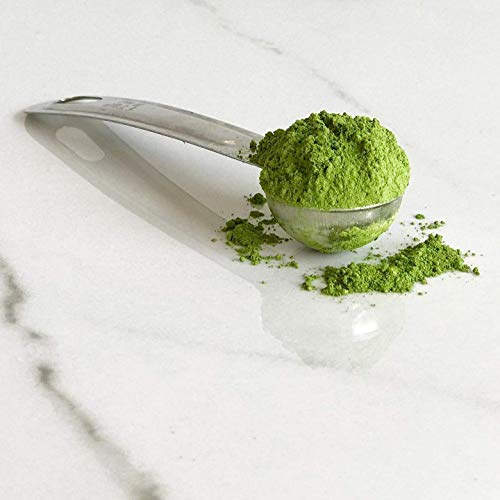
- Finely ground powder - easy to whisk/dissolve (12 mentions)
🎯 Best For
Morning matcha latte ritual • Afternoon energy boost without disrupting sleep • Pre-workout energy • Coffee replacement
Brand: Matcha Konomi
Category: Matcha
As an Amazon Associate we earn from qualifying purchases.
About This Matcha
Sourced from Uji, Kyoto, this organic powder delivers earthy grass, delicate florals, and subtle nuttiness with a creamy, naturally sweet finish. The finely ground powder whisks easily and dissolves without sifting, producing a vibrant green cup free of harsh bite. Reviewers value the calm, focused energy it provides — making it a reliable coffee substitute or pre-workout ritual. Note that some find the umami less pronounced than traditionally stone-ground grades. A strong fit for daily matcha drinkers who want ceremonial-grade character in an accessible, latte-friendly format.
Is Akira Matcha Organic Ceremonial Green Tea Powder Right for You?
How does Akira Matcha taste?
Reviewers describe the flavor as smooth, naturally sweet, and not bitter — which is the hallmark of a quality ceremonial grade. You'll pick up earthy, grassy, and floral notes with subtle nutty and umami undertones. The flavor strength is moderate, not overpowering, which makes it approachable for beginners while still complex enough for matcha enthusiasts. Multiple reviewers mention the fresh aroma as a standout feature. If you prefer a bolder, more intense umami punch, you might want to use a bit more powder than the recommended amount.
Is Akira Matcha good for beginners?
It's one of the better options for beginners, actually. The naturally sweet, smooth flavor means you won't be hit with the harsh bitterness that turns many first-timers off matcha. The finely ground powder dissolves easily without requiring a sifter, and the preparation is forgiving — even if your technique isn't perfect. It also works great in lattes, which is an easier starting point than traditional preparation. Plus, Matcha Konomi provides good instructions and a preparation video to help you get started.
What are the pros and cons of matcha?
For Akira Matcha specifically — Pros: vibrant green color (the most-praised feature), smooth naturally sweet taste with minimal bitterness, finely ground powder that's easy to prepare, fresh aroma, organic ceremonial grade from Uji, Kyoto, excellent froth quality, and verified free of contaminants. Customers love the sustained energy without jitters. Cons: occasional clumping issues, may not be bold enough for those who want intense umami, and it settles if left sitting. Overall, reviewers find it offers the best quality-to-price ratio in the ceremonial grade category.
What is ceremonial matcha tea good for?
Based on what Akira Matcha customers report, ceremonial matcha is great for sustained energy and mental clarity without the jitters or crash you get from coffee. Reviewers specifically mention using it for morning lattes, afternoon energy boosts that don't disrupt sleep, pre-workout fuel, and even fasting-friendly morning beverages. Several users also report a calming-yet-energizing effect and appetite suppression. One reviewer with an autoimmune condition found it worked better than coffee for managing their energy levels.
What are the cons of matcha tea?
Being honest about Akira Matcha specifically: a couple of reviewers noticed occasional clumping or grainy texture, and one felt the flavor wasn't bold enough without using extra powder. If you leave your prepared matcha sitting, it can settle out of suspension, so it's best enjoyed fresh. One reviewer who tested for stone grinding felt it may not be truly stone ground despite the ceremonial grade label. More generally, matcha does contain caffeine (though less than coffee), and ceremonial grade isn't ideal for baking — the delicate flavors get lost in cooking.
How do you brew Akira Matcha?
For traditional preparation, sift about 1-2 grams of Akira Matcha into a bowl, add a small amount of hot water (around 175°F — not boiling), and whisk briskly in a W or M motion with a bamboo chasen until frothy. Reviewers note this matcha froths especially well, producing thick, lasting foam. For a latte, whisk the matcha with a small amount of hot water first, then add steamed milk. The powder is finely ground enough that many users find it dissolves without sifting, and the company provides helpful preparation videos as well.
As an Amazon Associate we earn from qualifying purchases.
Does Akira Matcha froth well?
Yes — this is one of its strong points. Seven reviewers specifically mention excellent froth quality, describing thick, lasting foam when whisked traditionally with a chasen. The finely ground powder dissolves well, which contributes to a smoother froth. Whether you're doing traditional koicha or whisking up a latte, the foam holds up nicely. This is a good indicator of quality, since lower-grade matchas often produce thin, quick-dissipating froth.
Is Akira Matcha really from Uji, Kyoto?
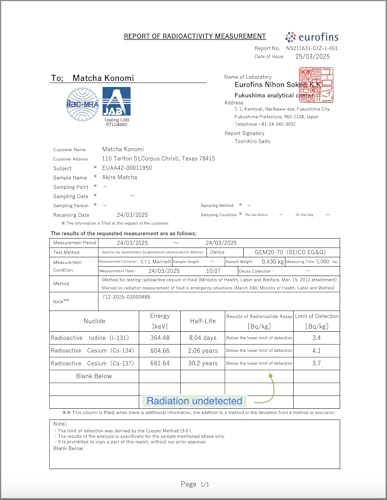
Yes, it's sourced from Uji, Kyoto — Japan's premier matcha-growing region with centuries of tea cultivation history. It carries both USDA organic and JAS (Japanese Agricultural Standards) certification, which requires traceability back to the growing region. Reviewers who are familiar with Uji matchas confirm the characteristic vibrant color and smooth flavor profile. The product has also been independently verified free of radioactivity and lead, which adds an extra layer of sourcing credibility.
Does Akira Matcha have a strong umami flavor?
The flavor is moderate rather than intensely bold. Reviewers describe umami as part of the overall profile alongside earthy, grassy, floral, and sweet notes — but it's not the dominant flavor. If you're an experienced matcha drinker who craves that deep, savory umami punch, one reviewer suggests using more powder than the recommended serving. For most people, though, the balanced, smooth flavor with natural sweetness is exactly what they want — and it's what makes this matcha so beginner-friendly.
How to make iced matcha with Akira Matcha?
Whisk 1-2 grams of Akira Matcha with a small amount of cold or room-temperature water until dissolved, then pour over a glass full of ice and top with cold water or milk. The naturally sweet, smooth flavor profile of this matcha works particularly well iced since cold brewing tends to reduce bitterness even further. One thing to keep in mind: a reviewer noted the matcha can fall out of suspension if left sitting, so give your iced drink a stir before sipping if it's been resting for a while.
Can I drink Akira Matcha on an empty stomach?
Yes — reviewers specifically confirm they can drink this matcha on an empty stomach without discomfort, which is a notable advantage over coffee. Several customers use it as a fasting-friendly morning beverage. The smooth, low-bitterness profile likely contributes to the gentle stomach experience. If you're sensitive to caffeine on an empty stomach, starting with a latte (with milk) rather than straight matcha might be a good first step.
Is Akira Matcha good as a pre-workout drink?
Multiple reviewers use it exactly for this purpose and report good results. The combination of caffeine and L-theanine provides focused energy without the jittery spike and crash of pre-workout supplements or coffee. It's also zero sugar and organic, so you're not loading up on artificial ingredients before exercising. The sustained energy release that reviewers describe — rather than a sharp peak — makes it well-suited for longer workouts or endurance activities.
As an Amazon Associate we earn from qualifying purchases.
Where can I buy Akira Matcha?
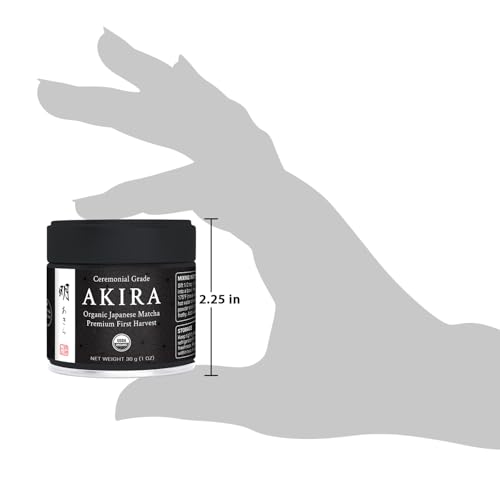
Akira Matcha by Matcha Konomi is available on Amazon, where most reviewers purchased it. The 30g tin is the standard size, though the brand offers larger sizes that provide better per-gram value if you know you'll be drinking it daily. Amazon frequently has it in stock and the quality packaging with a good seal ensures it arrives fresh.
How should I store Akira Matcha?
Matcha is sensitive to light, heat, air, and moisture, so proper storage matters. Reviewers praise the quality packaging with a good seal, which helps. Keep it in a cool, dark place — the fridge works well after opening. Seal it tightly after each use to prevent oxidation, which dulls the color and flavor. The 30g tin is actually a smart size for freshness: you'll go through it in about 15 servings rather than having a large container slowly losing potency over months.
What is the difference between matcha powder and ceremonial matcha?
Ceremonial grade matcha like Akira Matcha is made from the youngest, first-harvest tea leaves and is meant to be enjoyed on its own with just water — no sweeteners needed. Culinary or "regular" matcha uses later-harvest leaves, tastes more bitter, and is designed for baking and cooking. Akira Matcha is specifically first-harvest, hand-picked from Uji, Kyoto, which gives it that naturally sweet, smooth flavor with minimal bitterness that reviewers love. You'll notice the difference immediately in the vibrant green color and the absence of that harsh, astringent bite.
Is matcha better for anxiety than coffee?
Many Akira Matcha customers switched from coffee specifically because of anxiety and jitteriness. Reviewers describe a "calming yet energizing" effect, and multiple users confirm they can drink it on an empty stomach without discomfort — something many coffee drinkers struggle with. The L-theanine naturally present in ceremonial matcha promotes calm focus rather than the anxious buzz coffee can cause. That said, matcha still contains caffeine, so it won't eliminate caffeine sensitivity entirely.
Is matcha higher in caffeine than coffee?
A typical serving of matcha has about 70mg of caffeine compared to 95mg in a cup of coffee, so it's slightly less — but it hits differently. Akira Matcha customers consistently report sustained energy without jitters or crashes, unlike coffee's spike-and-drop pattern. The L-theanine in matcha creates a calming-yet-energizing effect that reviewers specifically praise. One customer described it as providing long-lasting energy for truck driving shifts, and several say it's a better energy source than coffee for their needs.
Is matcha latte good for you?
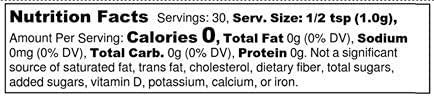
A matcha latte made with Akira Matcha is a solid choice health-wise. The matcha itself is organic, zero sugar, and ceremonial grade. Reviewers report benefits like sustained energy, mental clarity, appetite suppression, and no jitters. What matters is what you add to it — if you keep the milk and sweetener reasonable, you're getting the antioxidants and L-theanine from the matcha without a lot of extra calories. Many customers note they don't even need sweetener because this matcha is naturally smooth and sweet.
As an Amazon Associate we earn from qualifying purchases.
Is matcha good for weight loss?
Several Akira Matcha reviewers specifically mention appetite suppression as a benefit, and some note a potential metabolism boost. The zero-sugar, low-calorie nature of matcha makes it a smart swap for sugary coffee drinks. Reviewers also mention using it as a fasting-friendly morning beverage and as pre-workout fuel — both scenarios where it supports weight management goals. While matcha alone won't cause dramatic weight loss, it can be a helpful tool in a broader healthy routine.
How to make matcha tea without a whisk?
While a bamboo whisk gives the best results, Akira Matcha's finely ground powder makes it more forgiving than many matchas. You can use a small regular whisk, a milk frother, or even shake it in a sealed jar or bottle with water. Several reviewers note that this matcha dissolves easily without sifting, which helps when you're using alternative methods. Just be aware that a couple of reviewers did mention occasional clumping, so starting with a small amount of water and mixing thoroughly before adding more liquid helps prevent that.
What is the 30/20/10 rule for matcha?
The 30/20/10 rule is a general guideline for grading matcha quality: the top 30% of tea leaves become culinary grade, the next 20% become premium grade, and only the finest 10% qualify as ceremonial grade. Akira Matcha falls in that top tier as a ceremonial grade matcha — first-harvest, hand-picked leaves from Uji, Kyoto. This is why ceremonial matcha has that distinctively vibrant green color and smooth, naturally sweet taste compared to lower grades.
Is matcha good for your skin?
Matcha is rich in antioxidants, particularly EGCG, which has been studied for anti-inflammatory and skin-protective properties. While Akira Matcha reviewers don't specifically mention skin improvements, the high antioxidant content of ceremonial grade matcha — especially first-harvest like this one — means you're getting a potent dose of these compounds. Drinking it daily as many customers do could contribute to overall skin health as part of a balanced diet.
How to make matcha as a beginner?
Akira Matcha is actually a great choice for beginners. Reviewers highlight that it's not bitter — which is the biggest complaint beginners have about matcha — and it's naturally sweet enough that you won't need to mask the flavor with sugar. The powder is finely ground and dissolves without much fuss, so preparation is forgiving even if your whisking technique isn't perfect yet. Start with a latte: whisk about 1 gram of matcha with 2 tablespoons of hot water, then pour in steamed milk. The company also has instructional videos to help you get started.
What are the health benefits of matcha?
Akira Matcha customers report several tangible benefits: sustained energy without jitters or crashes, mental clarity and focus, a calming yet energizing effect, appetite suppression, and the ability to drink it on an empty stomach comfortably. Some unexpected benefits reviewers mention include long-lasting energy for demanding jobs like truck driving and better energy management for autoimmune conditions. As a ceremonial grade matcha, it's also packed with antioxidants — the first-harvest leaves used in this matcha have the highest concentration of catechins and L-theanine.
As an Amazon Associate we earn from qualifying purchases.
How to make matcha with milk?
The key is to whisk the matcha with hot water first — don't dump the powder directly into milk, or you'll get clumps. Mix 1-2 grams of Akira Matcha with 2 tablespoons of hot water until smooth, then add steamed or cold milk. This is the most popular way customers use this matcha, and the earthy, naturally sweet flavor blends beautifully with both dairy and plant milks. The creamy, silky texture reviewers describe makes it a natural fit for milk-based drinks.
Is it safe to drink matcha every day?
For this product specifically, there's reassuring data: Akira Matcha is USDA and JAS organic certified, and has been verified free of radioactivity and lead — which isn't something every matcha brand can claim. Many reviewers drink it daily as their morning ritual or coffee replacement and report positive effects like sustained energy, mental clarity, and even appetite suppression. At one to two servings per day, you're consuming a moderate amount of caffeine along with beneficial antioxidants.
Is matcha actually healthier than coffee?
Matcha offers some advantages over coffee that Akira Matcha customers specifically appreciate: sustained energy without jitters or crashes, the ability to drink it on an empty stomach without discomfort, and a calming focus rather than anxious alertness. One reviewer managing an autoimmune disease found matcha worked better than coffee for them. Matcha also delivers antioxidants (catechins) that coffee doesn't. That said, coffee has its own health benefits, and "healthier" depends on your body. What's clear from reviews is that many coffee-to-matcha converts feel noticeably better.
Which is healthier, matcha or coffee?
Both have health benefits, but Akira Matcha customers who've switched from coffee consistently prefer how matcha makes them feel. The key differences: matcha provides calmer, longer-lasting energy (no spike and crash), it's gentler on the stomach (reviewers confirm they can drink it on an empty stomach), and it delivers concentrated antioxidants that coffee doesn't. One reviewer managing autoimmune issues found matcha significantly better than coffee. The L-theanine in ceremonial matcha also promotes focused calm rather than the wired feeling coffee can cause.
Customer-Validated Strengths
based on 30-review analysis • Our methodology
- Vibrant, rich green color (18 mentions)
- Smooth, naturally sweet taste with minimal bitterness (15 mentions)
- Finely ground powder - easy to whisk/dissolve (12 mentions)
- Fresh aroma and taste (10 mentions)
- Organic, ceremonial grade from Uji, Kyoto (8 mentions)
- Froths well with thick, lasting foam (7 mentions)
- Quality packaging with good seal (6 mentions)
- Excellent customer service (3 mentions)
- Verified free of radioactivity and lead (1 mentions)
Taste Profile
- smooth
- naturally sweet
- not bitter
- rich
- earthy
- umami
- creamy
- silky
- fresh
- vegetal
- grassy
- nutty
Best Use Cases
🎯 Best For
- Morning matcha latte ritual
- Afternoon energy boost without disrupting sleep
- Pre-workout energy
- Coffee replacement
- Traditional ceremonial preparation
- Daily matcha routine
- Smoothie ingredient
- Fasting-friendly morning beverage
⚠️ Not Ideal For
- Baking/cooking (some users had texture issues)
- Those expecting extremely bold umami flavor
What to Consider
- Clumping/grainy texture issues (2 mentions)
- Not truly stone ground (failed smear test) (1 mentions)
- Flavor not strong enough (needs more powder) (1 mentions)
- Falls out of suspension if left sitting (1 mentions)
- Dull color compared to other ceremonial grades (1 mentions)
based on 30-review sample.
About This Analysis
This analysis is based on 30 customer reviews. We're showing you everything we found, but with our analysis, there's always more to discover.
✅ What we're confident about: What customers love and best use cases
⚠️ What may be incomplete: Potential issues and considerations
For more perspectives, check customer reviews on Amazon.
Product Selection
In short: We only feature high-rated products.
Products on TeaDelight.net are selected based on strong Amazon customer ratings, sufficient review volume, and market presence. We focus on well-regarded products that tea enthusiasts are actively considering and purchasing.
As an Amazon Associate we earn from qualifying purchases.
You Might Also Like

✅ Vibrant, bright green color indicating freshness and quality
35°N MATCHA Organic Ceremonial Grade Matcha Powder

✅ Starbucks taste similarity
Jade Leaf Matcha Latte Mix Bundle (500g)

✅ taste/flavor
Jade Leaf Matcha Latte Mix Bundle (1kg)

✅ Smooth, creamy texture that blends easily