




We analyze real customer reviews to surface what matters: key strengths, ideal use cases, and honest considerations — so you can make an informed choice.
35°N MATCHA Organic Ceremonial Grade Matcha Powder
A ceremonial-grade matcha with vibrant green color, velvety texture, and a smooth, umami-forward taste that stays clean and non-bitter even when consumed straight.
🎯 Best for: Afternoon energy boost instead of coffee, Traditional hot tea consumption
🍃 Tastes like: earthy, grassy, umami

What Stands Out
🍃 Flavor Profile
Strength: Moderate
Notes: earthy, grassy, umami
✅ What Customers Love
- Vibrant, bright green color indicating freshness and quality (18 mentions)
- Smooth, non-bitter taste even when consumed straight (15 mentions)
- Very fine, uniform powder texture (10 mentions)
🎯 Best For
Afternoon energy boost instead of coffee • Traditional hot tea consumption • Drinking straight without additives • Iced matcha preparation
Brand: 35°N MATCHA
Category: Matcha
As an Amazon Associate we earn from qualifying purchases.
About This Matcha
Sourced from first harvest leaves, this organic matcha delivers a mellow, layered flavor with notes of grass, earth, and natural sweetness — no bitterness even without precise preparation. The powder is exceptionally fine and uniform, dissolving readily with a standard frother or whisk. Reviewers note its clean finish and sustained, jitter-free energy make it a reliable afternoon coffee replacement. One limitation worth knowing: the foil bag isn't resealable, so transferring to an airtight container preserves freshness. Best suited to those who want to drink matcha straight, hot or iced, and to ceremonial-grade newcomers ready to move beyond everyday grocery brands.
Is 35°N MATCHA Organic Ceremonial Grade Matcha Powder Right for You?
How does 35°N MATCHA taste?
Reviewers consistently describe it as smooth, mellow, and non-bitter — even when drunk straight with just water, which is the real test of a ceremonial matcha. The flavor profile has earthy and grassy notes with a pleasant umami depth and a touch of natural sweetness. It finishes clean with no lingering aftertaste, which multiple reviewers specifically call out. The aroma is fresh and pleasant. If you've only had bitter, harsh matcha before, this one might change your mind — 15 reviewers specifically mention the smooth, non-bitter quality. It's more of a gentle, layered experience than a bold, punchy one.
Is 35°N MATCHA good for beginners?
It's actually an excellent choice for beginners, and reviewers back this up. The flavor is mild and non-bitter, which means even if your preparation technique isn't perfect, you won't end up with an undrinkable cup. The product includes detailed instructions in both English and Japanese. You don't need specialized equipment — reviewers confirm a regular whisk or electric milk frother works well, no bamboo whisk required. And the forgiving flavor means you can experiment with different water temperatures and amounts without ruining it. It's a great introduction to what quality ceremonial matcha actually tastes like before you explore other brands.
How do you brew 35°N MATCHA?
The traditional method: sift 1-2 grams (about 1 teaspoon) into a bowl, add 2-3oz of water heated to about 175°F (not boiling — that makes any matcha bitter), and whisk vigorously in a W or M motion until frothy. Reviewers note this matcha whisks and froths well. The good news for beginners is that 35°N includes detailed instructions in both English and Japanese right in the packaging. And if you don't have a bamboo whisk, reviewers confirm it mixes well with a regular whisk or milk frother too — just stir vigorously since a couple of reviewers mention it can settle to the bottom if you're gentle with it.
How to make matcha as a beginner?
35°N MATCHA is actually a great beginner-friendly choice despite being ceremonial grade. Its mild, non-bitter flavor is very forgiving — even if your water is a little too hot or your technique isn't perfect, it won't punish you with harsh bitterness. Start simple: sift about 1 teaspoon into a cup, add a splash of warm (not boiling) water, stir or whisk until dissolved, then add the rest of your water. The product comes with detailed instructions in both English and Japanese. You don't need a bamboo whisk — reviewers confirm a regular whisk or electric frother works fine. If straight matcha is too grassy for you at first, try it as a latte and gradually reduce the milk as your palate adjusts.
Can you drink 35°N MATCHA straight without milk or sweetener?
Absolutely — and this is actually the recommended way to enjoy it. Reviewers call out this as an unexpected highlight: the flavor is smooth and mellow enough to drink straight without needing any milk or sweetener to mask bitterness. You get the full earthy, grassy, umami flavor profile with a clean finish and no bad aftertaste. This is what separates genuine ceremonial grade from lower quality matchas that need additions to be palatable. If you've never tried matcha straight, this is a great one to start with because of its naturally mild, approachable flavor.
How can you tell if matcha is high quality?
There are a few key indicators, and 35°N MATCHA checks them all according to reviewers. First, color: high-quality matcha should be a vibrant, bright green — dull or yellowish means it's old or low-grade. Eighteen reviewers specifically praise this matcha's color. Second, texture: it should be very fine and silky, not gritty or coarse. Ten reviewers highlight the fine, uniform powder. Third, taste: quality matcha is smooth, not bitter, with complex flavor notes including umami. Fifteen reviewers confirm the smooth, non-bitter taste. Finally, aroma: it should smell fresh and grassy, which seven reviewers note. If any of these are off, the matcha probably isn't truly ceremonial grade.
As an Amazon Associate we earn from qualifying purchases.
Do you mix matcha with water or milk?
With a ceremonial grade like 35°N MATCHA, you'll get the most out of it with just hot water. Reviewers specifically note the smooth, layered flavor with earthy, grassy, and umami notes that come through best when drunk straight. That said, it works with milk too — multiple reviewers make lattes with it. However, several also point out that using this ceremonial grade for milk-heavy lattes feels like a waste of its quality. If lattes are your main thing, you might want a culinary grade for daily drinks and save this for when you want to appreciate the pure matcha flavor.
How to make a matcha latte with 35°N MATCHA?
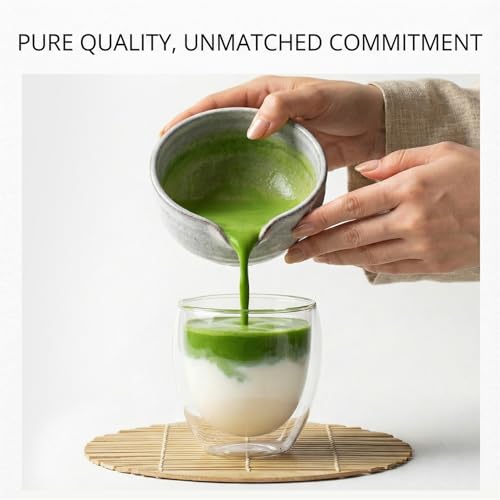
Sift 1-2 teaspoons of the powder into a cup, add about 2oz of hot water (around 175°F), and whisk or stir vigorously until fully dissolved — this creates your matcha 'shot.' Then add steamed or frothed milk of your choice. Reviewers note this matcha mixes easily without clumping, which makes latte prep smoother. One tip: a few reviewers mention that if you don't stir vigorously enough, the powder can settle to the bottom, so really get it dissolved before adding milk. That said, multiple reviewers feel the ceremonial quality is somewhat wasted in a latte — if lattes are your daily go-to, a culinary grade might be more practical and cost-effective.
How to make matcha tea without a whisk?
No bamboo whisk? No problem. Reviewers of 35°N MATCHA confirm it works well with a regular kitchen whisk or electric milk frother. You can also put the powder and warm water in a small jar and shake vigorously — the fine texture of this powder helps it dissolve more easily than coarser matchas. A couple of reviewers note it doesn't froth quite as much as some other matchas, and it may require vigorous stirring to prevent settling, but the end result tastes just as good. The key is getting the powder fully dissolved before you drink.
How to make iced matcha with this powder?
Iced matcha is one of the best uses for 35°N MATCHA according to reviewers. Dissolve 1-2 teaspoons in a small amount of warm water first (cold water won't dissolve it well), stir vigorously until smooth, then pour over a glass full of ice. Add cold water or cold milk to fill. The smooth, mellow flavor profile works beautifully cold — you get those refreshing grassy and slightly sweet notes without any bitterness. Some people add a touch of honey or simple syrup, but reviewers say this one is smooth enough to enjoy without sweetener.
Do you need a bamboo whisk for this matcha?
No. While a traditional bamboo whisk (chasen) gives the most authentic preparation experience, reviewers specifically confirm that 35°N MATCHA works well with a regular kitchen whisk or electric milk frother. The powder is very fine and mixes easily without clumping, which makes it more forgiving than coarser matchas. A couple of reviewers note you may need to stir vigorously to keep it from settling to the bottom, and one mentions it doesn't froth quite as much as some other matchas. But for a perfectly enjoyable cup, standard kitchen tools work just fine.
Does 35°N MATCHA come in a resealable container?
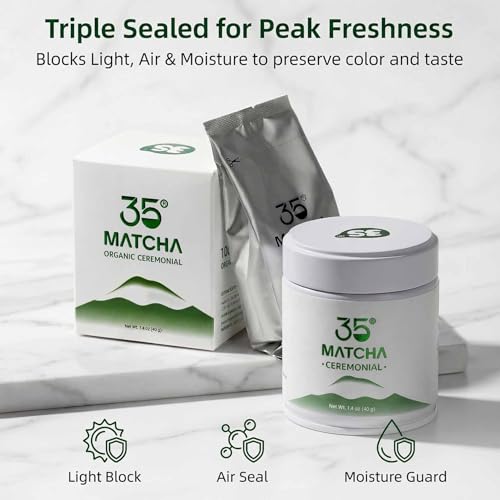
Here's the one thing reviewers consistently flag: the matcha comes in a tin, but the inner foil bag inside doesn't have a resealable closure. Three reviewers mention needing to roll the bag shut or transfer the powder to a separate airtight container. The powder is also quite fine (which is great for quality, less great for containment) — a couple of reviewers note it can be messy when opening and closing. Our recommendation: transfer it to a small airtight container as soon as you open it. This will also help preserve freshness, since matcha degrades when exposed to air and light.
As an Amazon Associate we earn from qualifying purchases.
What are the pros and cons of matcha?
For 35°N MATCHA specifically — Pros: vibrant green color indicating freshness, smooth non-bitter taste even straight, very fine powder that mixes easily, calm sustained energy without coffee jitters, high in antioxidants and L-theanine, USDA organic certified, and it comes with helpful instructions for beginners. Cons: the 1.4oz size is small and runs out fast for regular drinkers, the inner foil bag isn't resealable (you'll need your own container), the powder can be messy, and the price point is high for everyday use. It's genuinely excellent matcha, but best suited as a 'treat yourself' straight-drinking matcha rather than your daily latte base.
What are the cons of matcha tea?
Being honest about matcha in general and this product specifically: matcha contains caffeine, so it's not ideal if you're caffeine-sensitive or drinking late in the day. One reviewer of 35°N MATCHA notes it's not great on an empty stomach first thing in the morning. Product-specific cons include the small 1.4oz size that won't last long for daily drinkers, the inner foil bag that lacks a resealable closure (you'll want to transfer it to an airtight container), and the powder can be messy when opening. The higher price point also makes it impractical for baking or daily lattes where the ceremonial quality would be wasted. And some reviewers note the product is sourced from China rather than Japan, which is a personal preference consideration.
Can you use 35°N MATCHA for baking?
You technically can, but most reviewers advise against it. This is ceremonial grade matcha — the subtle, complex flavor with its earthy umami notes and natural sweetness gets completely masked by sugar, butter, and flour in baked goods. Reviewers specifically say the quality is wasted in baking or heavy milk drinks. For baking, a culinary grade matcha (which is cheaper, slightly more bitter, and designed to hold its flavor against other strong ingredients) is a much better and more economical choice. Save 35°N for drinking straight or in light preparations where you can actually taste the quality.
Where is 35°N MATCHA sourced from?
35°N MATCHA is sourced from China, which a small number of reviewers (3 mentions) note as a point of concern since many traditional ceremonial matchas come from Japan. However, the quality indicators — vibrant bright green color, fine uniform texture, smooth non-bitter taste, and pleasant umami — are all consistent with high-quality first harvest matcha regardless of origin. China has a long history of tea cultivation and produces excellent green tea. Reviewers who focus on the actual taste rather than origin consistently give it high marks. It's USDA organic certified, which also provides assurance about growing practices.
How long does a tin of 35°N MATCHA last?
The tin contains 1.4oz (40g) of matcha powder. Using the standard ceremonial serving of 1-2 grams, that's roughly 20-40 servings depending on how strong you make it. If you're using it daily, expect it to last 3-5 weeks. Several reviewers mention being surprised by the small container size, so set your expectations accordingly. For daily matcha drinkers, you may want to order multiples. For occasional enjoyment — a weekend ritual or afternoon treat — a single tin will last a good while. Once opened, use it within a month or two for best freshness, and store it in an airtight container away from light.
Is 35°N MATCHA better than coffee for afternoon energy?
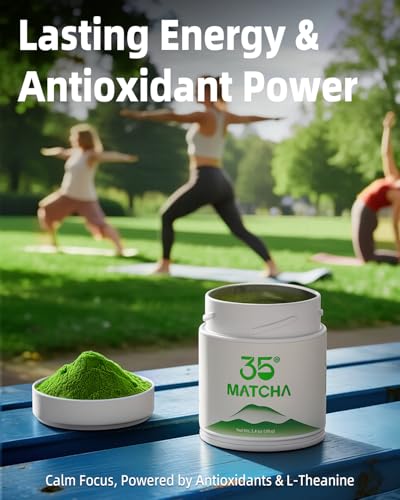
Based on reviewer feedback, this is actually one of the best use cases for 35°N MATCHA. Multiple reviewers specifically mention using it as an afternoon coffee replacement and describe getting sustained focus and alertness without the jitters or late-night insomnia that afternoon coffee can cause. The L-theanine and caffeine combination creates what reviewers describe as 'calm energy' — you're alert and focused, but not wired. The moderate caffeine content (less than coffee) also means it's less likely to interfere with your sleep if you're drinking it mid-afternoon.
As an Amazon Associate we earn from qualifying purchases.
What exactly is ceremonial grade matcha?
Ceremonial grade is the highest quality tier of matcha, made from the youngest, most tender tea leaves of the first spring harvest. 35°N MATCHA fits this definition — it's a first harvest, stone-ground powder with a vibrant bright green color that reviewers consistently highlight. The 'ceremonial' designation means it's meant to be enjoyed straight with just hot water, no milk or sweetener needed. Reviewers confirm this one tastes smooth and non-bitter even when drunk plain, which is the hallmark of true ceremonial quality.
What is the difference between ceremonial grade matcha and organic matcha?
These are actually two different labels that aren't mutually exclusive — and 35°N MATCHA is both. 'Ceremonial grade' refers to quality level (first harvest, finest grind, meant for drinking straight), while 'organic' means it's grown without synthetic pesticides or fertilizers and carries USDA certification. You can have organic matcha that's culinary grade (better for baking) or ceremonial grade matcha that isn't organic. With this product you're getting the best of both worlds: top-tier drinking quality plus organic certification.
What is the highest quality matcha?
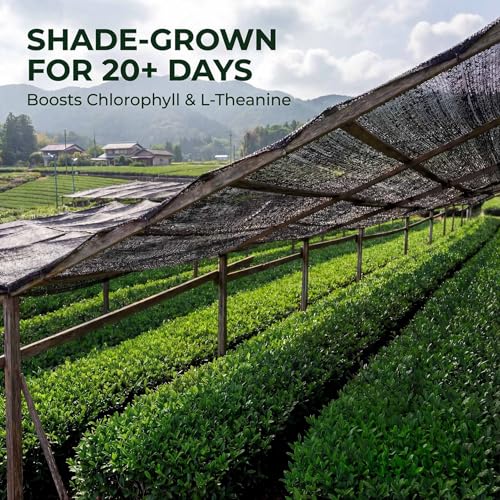
The highest quality matcha is ceremonial grade, first harvest (also called 'ichiban-cha'). 35°N MATCHA checks these boxes — it's a first harvest ceremonial grade with the telltale signs of quality that reviewers call out: a vibrant bright green color (18 reviewers mention this), very fine uniform powder texture, and a smooth taste with no bitterness. The color is actually one of the best indicators — dull, yellowish matcha signals lower quality or staleness, while the vivid green of this powder shows it's fresh and properly shade-grown.
Is matcha higher in caffeine than coffee?
Cup for cup, a typical serving of matcha has about 70mg of caffeine compared to coffee's 95-200mg, so matcha generally has less caffeine per serving. But the experience is different — reviewers of 35°N MATCHA specifically mention getting calm, sustained energy without the jitters or crash they get from coffee. That's largely thanks to L-theanine, an amino acid naturally present in matcha (and highlighted in this product's formulation) that promotes focused alertness rather than the spike-and-crash pattern of coffee. Multiple reviewers use this matcha as their afternoon coffee replacement for exactly this reason.
Is matcha better for anxiety than coffee?
Many people find matcha easier on anxiety than coffee, and reviewers of 35°N MATCHA back this up. The combination of caffeine with L-theanine (an amino acid that promotes calm focus) means you get energy without the jittery, anxious feeling coffee can cause. Reviewers specifically describe the effect as 'calm energy without jitters' and 'sustained focus and alertness.' If coffee tends to make you anxious or restless, switching to a matcha like this one is worth trying — the moderate caffeine content paired with L-theanine creates a noticeably different, smoother kind of alertness.
What are the health benefits of matcha?
Matcha provides a concentrated source of antioxidants, particularly EGCG and catechins, since you're consuming the entire tea leaf rather than steeping and discarding it. 35°N MATCHA specifically highlights its L-theanine and EGCG content. Real-world benefits reviewers of this product report include calm energy without jitters, sustained focus and alertness, and it working well as a coffee replacement. The L-theanine and caffeine combination is one of matcha's most distinctive benefits — it creates a state of alert calm that coffee simply doesn't provide. Being USDA organic and free of additives means you're getting these benefits without unwanted chemicals.
As an Amazon Associate we earn from qualifying purchases.
Is Starbucks matcha good for you?
Starbucks matcha drinks use a pre-sweetened matcha powder blend where sugar is actually the first ingredient — a very different product from pure matcha like 35°N. A Starbucks matcha latte can contain 30+ grams of sugar per serving. By comparison, 35°N MATCHA is 100% pure green tea powder with no additives — zero sugar, zero fillers. If you enjoy the flavor of Starbucks matcha drinks, making your own with a quality matcha like this and controlling the sweetness yourself is a significantly healthier (and more economical over time) approach. The flavor is also much more nuanced — earthy, umami, naturally sweet — compared to the one-note sweetness of the pre-mixed stuff.
Is it okay to drink ceremonial matcha every day?
Yes, most people can enjoy matcha daily — many reviewers of this 35°N MATCHA use it as their daily coffee replacement and report calm, sustained energy without the jitters. The one caveat: a couple of reviewers mention avoiding it on a completely empty stomach first thing in the morning, so having a small bite to eat first is a good idea. The practical consideration with this particular product is the 1.4oz size and ceremonial price point — daily drinkers may find it runs out quickly, so it might be more of a special occasion matcha while you use a culinary grade for everyday lattes.
Is it safe to drink matcha every day?
For most adults, yes — matcha is generally safe for daily consumption and has been consumed daily in Japanese culture for centuries. Reviewers of 35°N MATCHA who use it daily report positive experiences, particularly as a coffee substitute providing calm energy. The main caution is caffeine intake — if you're sensitive to caffeine or drinking multiple cups, keep an eye on your total daily intake. This matcha is USDA organic certified with no additives, so you're not getting any extra chemicals. One reviewer's tip: avoid drinking it on a completely empty stomach, especially first thing in the morning.
Is a matcha latte good for you?
A matcha latte made with 35°N MATCHA gives you the antioxidants, L-theanine, and EGCG benefits of the matcha, though milk can slightly reduce the absorption of some catechins. It's still a far better choice than most coffee shop drinks loaded with syrups and sugar. That said, reviewers of this particular matcha actually suggest drinking it straight with just water — the flavor is smooth and non-bitter enough that you don't need milk to make it enjoyable. You'll taste the earthy, umami, and naturally sweet notes more clearly that way, and get the full antioxidant benefit. Save the lattes for a culinary grade.
What is the best matcha brand for ceremonial grade?
There are several reputable ceremonial matcha brands, and 35°N MATCHA holds its own in that group. What reviewers appreciate about this one specifically is the combination of genuine ceremonial quality — smooth, non-bitter flavor with umami depth — at a price point that's competitive for the grade. It's USDA organic certified, first harvest, and reviewers consistently confirm the bright green color and fine texture that indicate authentic ceremonial matcha. It's an especially good pick if you want to try high-quality ceremonial matcha without committing to the larger (and pricier) tins from heritage Japanese brands.
Is matcha actually healthier than coffee?
Matcha has some clear advantages over coffee: it's rich in antioxidants (particularly EGCG, which 35°N MATCHA highlights), contains L-theanine for calm focus, and provides energy without the crash. Reviewers of this matcha consistently report feeling sustained alertness and calm energy — a noticeably different experience than coffee. Matcha also provides catechins and chlorophyll that coffee doesn't. That said, 'healthier' depends on what you're looking for. Coffee has its own antioxidant profile and health benefits. The biggest practical difference reviewers point to is the quality of energy — matcha gives a smoother, longer-lasting alertness without the jitters or afternoon crash.
As an Amazon Associate we earn from qualifying purchases.
What is the 30/20/10 rule for matcha?
The 30/20/10 rule is a temperature guideline some matcha enthusiasts follow: boil water, then let it cool for 30 seconds if you want a milder brew, 20 seconds for balanced, or 10 seconds for a stronger, more intense flavor. The idea is to control bitterness through temperature. With 35°N MATCHA, reviewers report it's naturally smooth and non-bitter, so you have more flexibility — but sticking to water around 170-180°F (roughly 30 seconds off the boil) will give you the best flavor with those earthy, umami notes coming through cleanly.
Is matcha good for your skin?
Matcha is rich in antioxidants — particularly EGCG and catechins — which are known to help protect against oxidative stress that contributes to skin aging. 35°N MATCHA is a first harvest ceremonial grade, which typically has higher concentrations of these antioxidants compared to later harvests or culinary grades. While no reviewer specifically mentions skin improvements, the high antioxidant content is well-documented in matcha research. Drinking it regularly as part of a healthy routine is one way to get those antioxidants internally, which many wellness practitioners consider more effective than topical application alone.
Is matcha good for weight loss?
Matcha contains EGCG and catechins that some research links to a modest boost in metabolism and fat oxidation. 35°N MATCHA is particularly high in these compounds as a first harvest ceremonial grade. However, matcha isn't a magic weight loss solution — any effect is modest and works best alongside a balanced diet and exercise. What reviewers do confirm is that this matcha provides sustained energy and focus that could help with an active lifestyle, and it's naturally zero calories when prepared traditionally with just water. If you're replacing sugary coffee drinks with straight matcha, that swap alone could make a difference.
What Makes This Product Special
⚠️ Preliminary analysis based on 24-review sample • Our methodology
- Vibrant, bright green color indicating freshness and quality (18 mentions)
- Smooth, non-bitter taste even when consumed straight (15 mentions)
- Very fine, uniform powder texture (10 mentions)
- Mixes easily without clumping (9 mentions)
- Fresh, pleasant aroma (7 mentions)
- Good value for ceremonial grade quality (6 mentions)
- Whisks/froths well (6 mentions)
- Clean finish with no bad aftertaste (5 mentions)
Taste Profile
- smooth
- mild
- mellow
- fresh
- grassy
- earthy
- not bitter
- clean
- balanced
- rich
- velvety
Best Use Cases
🎯 Best For
- Afternoon energy boost instead of coffee
- Traditional hot tea consumption
- Drinking straight without additives
- Iced matcha preparation
- Morning or midday focus
⚠️ Not Ideal For
- Empty stomach first thing in morning (mentioned by one reviewer)
- Baking or milk-heavy lattes (reviewers say quality is wasted)
What to Consider
- Inner foil bag lacks resealable closure (requires rolling or transfer) (3 mentions)
- Powder is messy, escapes easily when opening/closing (2 mentions)
- Doesn't froth as much as some other matchas (1 mentions)
- Requires vigorous stirring to fully mix (settles to bottom) (2 mentions)
- Foil bag packed sideways in tin, awkward to refit (1 mentions)
- Product of China (mentioned as concern by some despite quality) (3 mentions)
⚠️ based on 24-review sample. Some issues may not be captured.
About This Analysis
This analysis is based on 24 customer reviews. We're showing you everything we found, but with a moderate sample, there's a lot we likely haven't captured yet.
✅ What we're confident about: What customers love and best use cases
⚠️ What may be incomplete: Potential issues and considerations
For more perspectives, check customer reviews on Amazon.
Product Selection
In short: We only feature high-rated products.
Products on TeaDelight.net are selected based on strong Amazon customer ratings, sufficient review volume, and market presence. We focus on well-regarded products that tea enthusiasts are actively considering and purchasing.
As an Amazon Associate we earn from qualifying purchases.
You Might Also Like

✅ Starbucks taste similarity
Jade Leaf Matcha Latte Mix Bundle (500g)

✅ taste/flavor
Jade Leaf Matcha Latte Mix Bundle (1kg)

✅ Smooth, creamy texture that blends easily
Jade Leaf Cafe Style Sweetened Matcha Latte Mix

✅ Vibrant green color