
Available Alternatives

✅ Sweet, refreshing flavor that wins over licorice skeptics
Pukka Peppermint and Licorice Herbal Tea

✅ Pronounced ginger character
JCS Instant Ginger Tea

✅ Versatile across morning and evening use
Bigelow Cinnamon Apple Herbal Tea
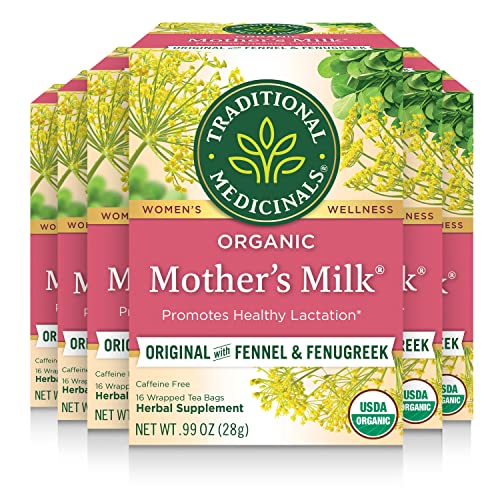
✅ Strong efficacy signal for milk-supply increase
Traditional Medicinals Organic Mother's Milk Herbal Tea





We analyze real customer reviews to surface what matters: key strengths, ideal use cases, and honest considerations — so you can make an informed choice.
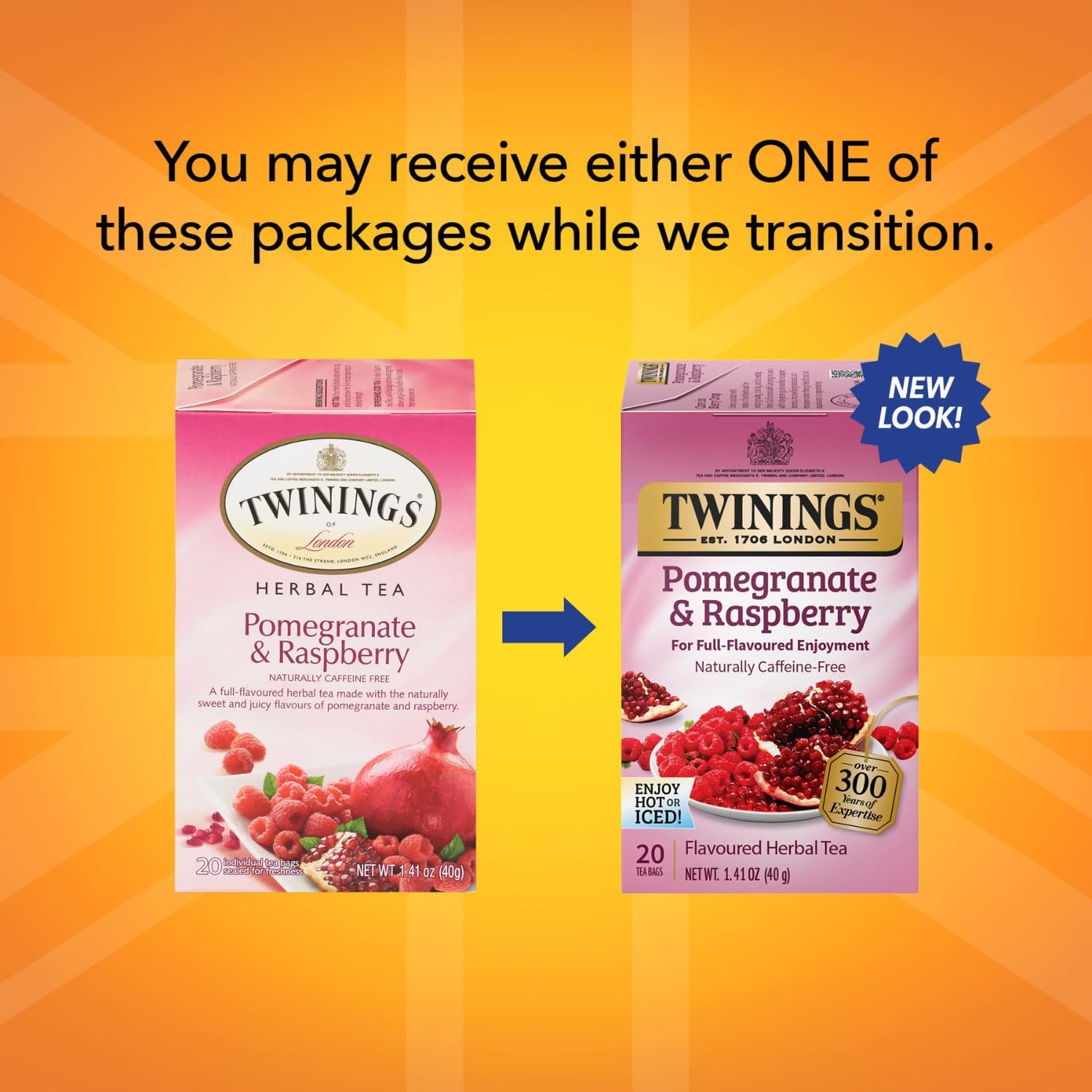
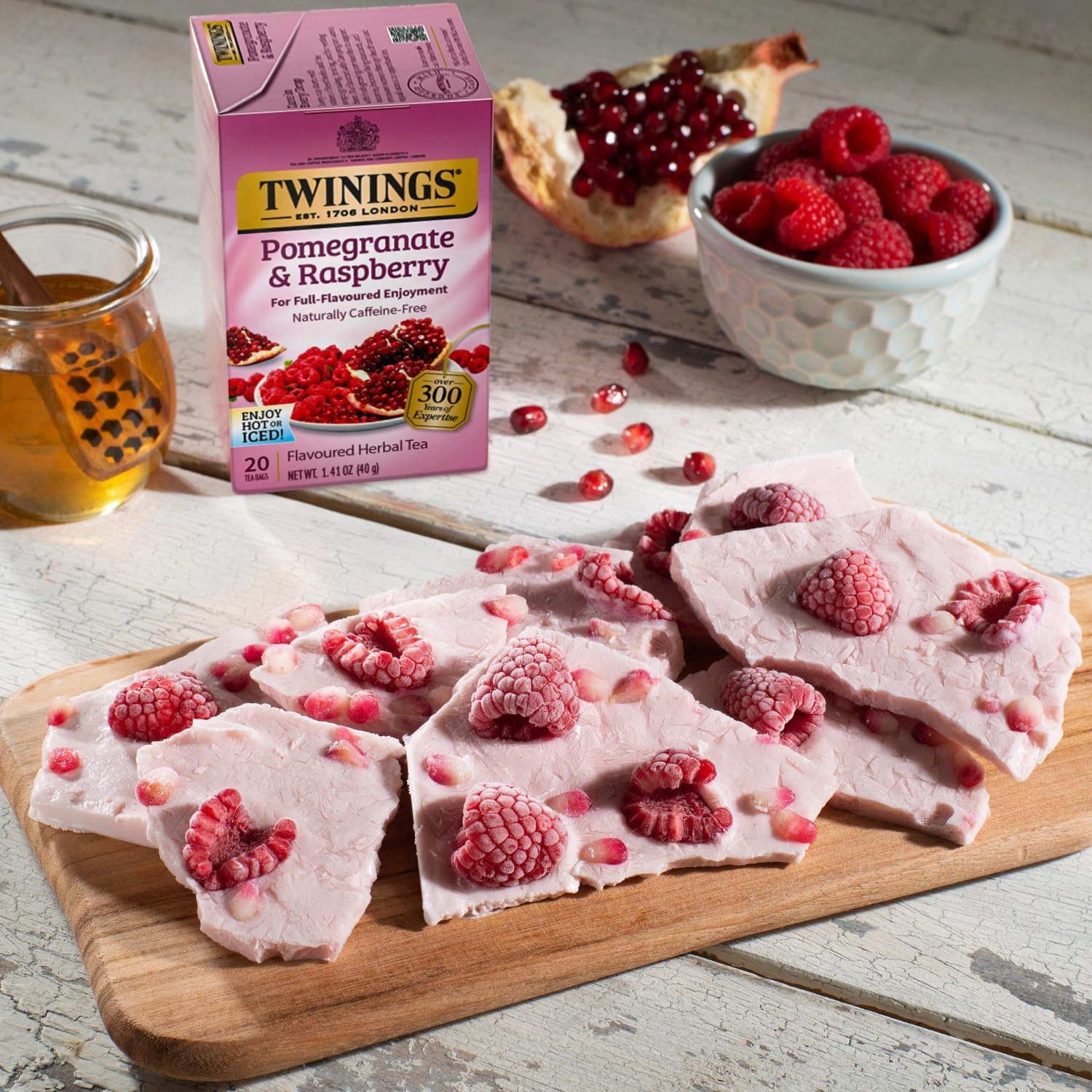
Twinings Pomegranate & Raspberry Herbal Tea
A caffeine-free fruit infusion that reviewers reach for iced about as often as hot — raspberry and pomegranate carry the cup.
🎯 Best for: iced fruit-tea drinking, hot caffeine-free cup any time of day
🍃 Strength: Medium

What Stands Out
🍃 Flavor Profile
Strength: Medium
Raspberry and pomegranate are the identity notes, each mentioned by 2 of 9 reviewers, in a cup that reads flavorful without tipping into bitter or cloying. A few drinkers also call it refreshing, and one notes a beautiful color when it's ready. We'd call it the fruit-tea middle ground.
✅ What Customers Love
- Distinct raspberry and pomegranate flavor without overpowering
- Balanced profile — not bitter, not too sweet
- Versatile across iced and hot preparation
🎯 Best For
iced fruit-tea drinking • hot caffeine-free cup any time of day • blending with green tea for a fruity lift • evening drinking without caffeine concern
Brand: Twinings
Category: Herbal Tea
As an Amazon Associate we earn from qualifying purchases.
About This Herbal Tea
Twinings Pomegranate & Raspberry is a caffeine-free fruit infusion that reviewers reach for iced about as often as hot, with raspberry and pomegranate carrying the cup. Each of those two notes is called out by 2 of 9 reviewers, in a brew that reads flavorful without tipping into bitter or cloying. A few drinkers also describe it as refreshing, and one notes a beautiful color when it's ready — we'd call it the fruit-tea middle ground.
Iced is the most common use case (3 of 9 reviewers), with hot a close second. Because it's naturally caffeine-free, it fits any time of day, including evening drinking without caffeine concern. One reviewer blends it with green tea for a fruity lift, which is worth knowing if you want a bit more body in the cup.
For a hot cup, steep one bag in freshly boiled water for 3-5 minutes. For iced, the package suggests adding 5-6 bags to a pitcher and refrigerating for around 8 hours. A teaspoon of sugar works well if you prefer it sweeter, and pairing with green tea is the reviewer-tested way to round it out.
A couple of honest caveats: some drinkers find it not quite sweet enough on its own, which is where the sugar or a sweeter pairing comes in. One reviewer also flags a funny aftertaste from the pomegranate — worth noting if you're sensitive to that note, though it's a minority signal in a small sample.
Overall, this lands as a versatile caffeine-free fruit tea that does its best work iced but holds up hot, suited to drinkers who want fruit character without the bitterness or sugary heaviness some blends fall into.
Is Twinings Pomegranate & Raspberry Herbal Tea Right for You?
Does this tea have caffeine?
No — the listing labels it 'Naturally Caffeine-Free,' and one reviewer specifically confirms it as a caffeine-free option. That makes it a workable pick for evenings or anyone avoiding caffeine.
What does it actually taste like?
Raspberry and pomegranate are the identity notes, each mentioned by 2 of the 9 reviewers who described flavor, in a cup that reads flavorful without tipping into bitter or cloying. A few drinkers also call it refreshing.
Is it sweet enough on its own, or do I need to add sugar?
Most descriptors land on 'not too sweet' rather than dessert-sweet, and one reviewer suggests a teaspoon of sugar if you prefer a sweeter cup. With limited review data, expect a more restrained, fruit-forward profile.
Can I serve this iced?
Yes — iced is the most-mentioned use context here, with 3 of 9 reviewers reaching for it cold, and one calling it enjoyable hot or cold. The fruit profile lends itself naturally to an iced preparation.
Is this a good evening tea?
It fits the evening slot well — caffeine-free by the label, with the synthesis flagging 'evening drinking without caffeine concern' as one of the better-fit uses. A handful of reviewers also reach for it hot as a wind-down cup.
Does the pomegranate leave an aftertaste?
One of the 9 reviewers who described flavor flagged a 'funny aftertaste' from the pomegranate — a single voice, so treat it as a possible sensitivity rather than a defining trait. If you've enjoyed pomegranate elsewhere, you're likely fine.
As an Amazon Associate we earn from qualifying purchases.
Can I blend it with other teas?
One reviewer blends it with green tea for what they describe as a fruity lift, and the synthesis calls that combination out as a workable use. With only a single voice on this, treat it as a starting suggestion rather than an established practice.
Would this work for someone new to fruit teas?
It's set up to be beginner-friendly — the raspberry-and-pomegranate profile is familiar, the cup isn't bitter or overpowering, and the caffeine-free format removes the caffeine-sensitivity concern. A forgiving first try in fruit infusions.
How strong is the flavor?
Medium — the synthesis describes it as flavorful but explicitly 'not overpowering,' and reviewers echo that with 'not bitter' and 'not too sweet' as recurring descriptors. Expect a balanced cup rather than a punchy one.
Category: What exactly is herbal tea?
Herbal tea, more accurately called a tisane, is any infusion made from plant material other than Camellia sinensis (the true tea plant). It can be brewed from leaves, flowers, roots, barks, seeds, or fruits of thousands of species, from chamomile flowers to rooibos needles to ginger root. The word 'tea' is colloquial here; botanically, only Camellia sinensis produces real tea.
Category: Is loose-leaf herbal tea actually better than tea bags?
Often yes, for two reasons. First, most commercial tea bags use 'fannings' or dust—the waste product of grading—which oxidize fast and lose volatile oils, producing a flatter, more bitter cup. Second, many 'silken' or pyramid bags are made from food-grade nylon or PET, and research indicates they release billions of microplastics into the cup when exposed to boiling water. Whole-leaf herbs preserve essential oils and let you see the freshness directly.
Category: How are herbal tea blends usually built?
A common formulation follows a 60-30-10 structure. The base (60%) is mild and bulky—rooibos, nettle, oatstraw, or lemon balm provide the foundation. The modifier or support (30%) drives the therapeutic effect or main flavor—peppermint, hibiscus, tulsi, cinnamon chips. The accent (10%) is potent and would overpower the cup at higher proportions—lavender, cloves, ginger, citrus peel, rose petals. This balance is why a well-blended tisane tastes layered rather than flat.
What Customers Love
⚠️ Limited sample based on limited customer feedback (3 reviews) • Our methodology
- Distinct raspberry and pomegranate flavor without overpowering
- Balanced profile — not bitter, not too sweet
- Versatile across iced and hot preparation
- Caffeine-free by nature — suits evening and sensitive drinkers
Taste Profile
Raspberry and pomegranate are the identity notes, each mentioned by 2 of 9 reviewers, in a cup that reads flavorful without tipping into bitter or cloying. A few drinkers also call it refreshing, and one notes a beautiful color when it's ready. We'd call it the fruit-tea middle ground.
- A teaspoon of sugar if you prefer it sweeter
- Blend with green tea for a fruity lift
Best Use Cases
🎯 Best For
- iced fruit-tea drinking
- hot caffeine-free cup any time of day
- blending with green tea for a fruity lift
- evening drinking without caffeine concern
⚠️ Not Ideal For
- drinkers who want pronounced sweetness without adding sugar
- drinkers sensitive to a pomegranate aftertaste
How People Use It
Reviewers reach for it iced most often (3 of 9), with hot a common second; one blends it with green tea for a fruity lift.
Good for Beginners
✅ Yes
- Familiar fruit profile (raspberry and pomegranate) in bag format
- Not bitter and not overpowering — forgiving on first try
- Caffeine-free — no caffeine-sensitivity barrier
What to Consider
A few drinkers find it not quite sweet enough on its own, and one flags a funny aftertaste from the pomegranate.
- Some find it not sweet enough without added sugar
- Pomegranate can leave a funny aftertaste
⚠️ Important: This analysis is based on limited customer feedback (3 reviews). We've shared what we found, but there may be additional considerations we haven't captured.
About This Analysis
This analysis is based on 3 customer reviews. We're showing you everything we found, but with a small sample, there's a lot we likely haven't captured yet.
✅ What we're confident about: What customers love and best use cases
⚠️ What may be incomplete: Potential issues and considerations
For more perspectives, check customer reviews on Amazon.
Product Selection
In short: We only feature high-rated products.
Products on TeaDelight.net are selected based on strong Amazon customer ratings, sufficient review volume, and market presence. We focus on well-regarded products that tea enthusiasts are actively considering and purchasing.
As an Amazon Associate we earn from qualifying purchases.