


We analyze real customer reviews to surface what matters: key strengths, ideal use cases, and honest considerations — so you can make an informed choice.
The Tao of Tea Hibiscus Ginger Tea
A tart, deep-red hibiscus-ginger infusion in loose leaf — iced leads the way reviewers drink it, though hot is a close second.
🎯 Best for: iced preparation, caffeine-free evening or late-night cup
🍃 Strength: Bold

What Stands Out
🍃 Flavor Profile
Strength: Bold
Hibiscus and ginger carry the cup — both show up as the two most-named flavor notes (6 of 43 reviews each), steeping to a deep red. Drinkers most often describe it as strong, sweet, and tart, with a floral aroma at the top. We'd place the ginger as a warm undercurrent rather than a headline note; a few reviewers mention it receding into the hibiscus after the first sip. A handful describe the body as smooth.
✅ What Customers Love
- Strong, tart hibiscus-forward flavor with warm ginger undercurrent
- Works iced or hot
- Caffeine-free, usable into the evening
🎯 Best For
iced preparation • caffeine-free evening or late-night cup • a tart, fruit-juice-like hot or iced drinker with warm ginger edge
Brand: The Tao of Tea
Category: Herbal Tea
As an Amazon Associate we earn from qualifying purchases.
About This Herbal Tea
A tart, deep-red hibiscus-ginger infusion in loose leaf, this one leads iced for most reviewers, with hot a close second. Hibiscus and ginger carry the cup — both show up as the two most-named flavor notes (6 of 43 reviews each), steeping to a deep red. Drinkers most often describe it as strong, sweet, and tart, with a floral aroma at the top. We'd place the ginger as a warm undercurrent rather than a headline note; a few reviewers mention it receding into the hibiscus after the first sip. A handful describe the body as smooth.
Reviewers reach for it iced more often than hot, with several listing daily use or a late-night cup. We'd read the caffeine-free profile as the reason evening drinking comes up at all — it lets this double as a night cup without a stimulation trade-off. A few drinkers mention it for digestion or for curbing a sweet tooth without the sugar rush; mint, lemon, and a splash of green tea come up as pairings.
Hibiscus can turn sharply bitter with too much leaf or a long steep, so reviewers recommend a light hand and a short pour to hold the tart-sweet balance. Two note it resteeps well, so the leaves are worth a second pass.
Recent batches have drawn complaints about short fills and packaging swaps — several reviewers describe containers arriving half-empty, a 2.5-oz net under a 3-oz label, or a downgrade from tin to cardboard tube — a pattern consistent with the listing being revised over time. Buyers sensitive to fill-quantity or packaging consistency should weigh that before ordering.
For a tart, fruit-juice-like cup with a warm ginger edge — iced or hot, into the evening — the concentrated leaf goes a long way, and pairings like mint, lemon, honey, or a splash of green tea give it room to flex.
Is The Tao of Tea Hibiscus Ginger Tea Right for You?
What does The Tao of Tea Hibiscus Ginger actually taste like?
Hibiscus and ginger carry the cup, with 6 of 43 reviewers each naming them as the primary flavor notes. Drinkers most often describe it as strong, sweet, and tart with a floral aroma, steeping to a deep red. Most place the ginger as a warm undercurrent rather than a headline note.
Can I drink this in the evening or before bed?
Yes — it's caffeine-free, and a couple of reviewers specifically reach for it as a late-night cup. One mentions it for curbing a late-night sweet tooth without the sugar rush, so the evening use case is reviewer-validated rather than just label-implied.
What is hibiscus ginger tea good for in this blend specifically?
A handful of reviewers reach for it to settle the stomach or help digestion, and one cites it for curbing a late-night sweet tooth without a sugar rush. These are single-reviewer mentions, so treat them as anecdotal use cases rather than substantiated health claims.
How should I brew it to avoid bitterness?
Use a light hand on the leaf and a short steep — hibiscus turns sharply bitter if you overdose the cup or steep too long. Two reviewers report it resteeps well, so the leaves are worth a second pass before you toss them.
Is it better iced or hot?
Reviewers reach for it iced more often than hot — iced shows up in 4 use-context mentions to hot's 3 — but both work well. One reviewer specifically calls it out as a sun-tea candidate.
How pronounced is the ginger?
Most reviewers position the ginger as a warm undercurrent rather than a headline note, and a few mention it receding into the hibiscus after the first sip. Two reviewers go further and call the ginger 'almost completely masked' or 'not detectable' — so if you want a ginger-forward cup, this may underdeliver.
As an Amazon Associate we earn from qualifying purchases.
Is there a downside to this hibiscus tea I should know about?
Yes — recent batches have drawn complaints about short fills and packaging swaps. Six of 43 reviewers flag containers arriving half-empty or net weights under the 3-oz label, and five flag a downgrade from tin to cardboard tube, a pattern consistent with the listing being revised over time.
Does it still come in a tin?
Not consistently — several reviewers describe a downgrade from tin to cardboard tube on recent orders, alongside inconsistent fill amounts across cans. The listing appears to have been revised over time, so what arrives may not match older review photos.
What pairs well with it?
Mint, lemon, honey, and a splash of green tea each come up as single-reviewer pairings — the green-tea splash specifically as a color and flavor booster. Single mentions each, so consider these starting points rather than established combinations for this blend.
Is this a good starter herbal tea for someone new to loose leaf?
It's beginner-friendly on a few counts — caffeine-free so timing isn't a concern, a clean two-ingredient profile that's easy to identify on the palate, and it works iced or hot so preparation is forgiving. The main beginner trap is over-leafing, which turns the cup sharply bitter.
How does the flavor compare to other hibiscus drinks?
One reviewer describes it as 'almost like a fruit juice', and another likens it to red Kool-Aid 'but not as sweet, and not as strong'. Direct comparisons to other hibiscus teas are thin in the review set, so these two anecdotes are most of what's on record.
Do reviewers come back for more?
Eleven reviewers signal repurchase intent — a clear loyalty signal across the 29 eligible reviews, even with the recent fill-quantity and packaging complaints mixed into the same review pool.
As an Amazon Associate we earn from qualifying purchases.
Category: What exactly is herbal tea?
Herbal tea, more accurately called a tisane, is any infusion made from plant material other than Camellia sinensis (the true tea plant). It can be brewed from leaves, flowers, roots, barks, seeds, or fruits of thousands of species, from chamomile flowers to rooibos needles to ginger root. The word 'tea' is colloquial here; botanically, only Camellia sinensis produces real tea.
Category: How are herbal tea blends usually built?
A common formulation follows a 60-30-10 structure. The base (60%) is mild and bulky—rooibos, nettle, oatstraw, or lemon balm provide the foundation. The modifier or support (30%) drives the therapeutic effect or main flavor—peppermint, hibiscus, tulsi, cinnamon chips. The accent (10%) is potent and would overpower the cup at higher proportions—lavender, cloves, ginger, citrus peel, rose petals. This balance is why a well-blended tisane tastes layered rather than flat.
Category: What's the difference between an infusion and a decoction?
An infusion is for soft plant parts—leaves, flowers, soft stems—where boiling water is poured over the herb and steeped (typically 5-15 minutes, covered). A decoction is for tough parts like roots, barks, and dried berries: the herb goes into cold water, is brought to a boil, then simmered for 20-45 minutes. The sustained heat is necessary to break down cellulose and lignin in ginger, dandelion, or cinnamon to release their compounds.
Customer-Validated Strengths
based on 29-review analysis • Our methodology
- Strong, tart hibiscus-forward flavor with warm ginger undercurrent
- Works iced or hot
- Caffeine-free, usable into the evening
- Resteeps well; concentrated leaf goes a long way
Taste Profile
Hibiscus and ginger carry the cup — both show up as the two most-named flavor notes (6 of 43 reviews each), steeping to a deep red. Drinkers most often describe it as strong, sweet, and tart, with a floral aroma at the top. We'd place the ginger as a warm undercurrent rather than a headline note; a few reviewers mention it receding into the hibiscus after the first sip. A handful describe the body as smooth.
- Mint
- Lemon
- A splash of green tea (color and flavor booster)
- Honey
- Cinnamon
Brewing: Hibiscus can turn sharply bitter with too much leaf or a long steep, so reviewers recommend a light hand and a short pour to hold the tart-sweet balance; two note it resteeps well, so the leaves are worth a second pass.
Best Use Cases
🎯 Best For
- iced preparation
- caffeine-free evening or late-night cup
- a tart, fruit-juice-like hot or iced drinker with warm ginger edge
⚠️ Not Ideal For
- morning energy / caffeine lift
- drinkers who prefer a subtle, delicate profile
- buyers sensitive to fill-quantity or packaging consistency
How People Use It
Reviewers reach for it iced more often than hot, with several listing daily use or a late-night cup. We'd read the caffeine-free profile as the reason evening drinking comes up at all — it lets this double as a night cup without a stimulation trade-off. A few drinkers mention it for digestion or for curbing a sweet tooth without the sugar rush; mint, lemon, and a splash of green tea come up as pairings.
Good for Beginners
✅ Yes
- Caffeine-free — no stimulation concerns at any time of day
- Two-ingredient profile (hibiscus + ginger) is easy to identify on the palate
- Works iced or hot, so preparation is forgiving
What to Consider
Recent batches have drawn complaints about short fills and packaging swaps — several reviewers describe containers arriving half-empty, a 2.5-oz net under a 3-oz label, or a downgrade from tin to cardboard tube — a pattern consistent with the listing being revised over time.
- Recurring fill-quantity and packaging-change complaints across recent orders
based on 29-review sample.
About This Analysis
This analysis is based on 29 customer reviews. We're showing you everything we found, but with our analysis, there's always more to discover.
✅ What we're confident about: What customers love and best use cases
⚠️ What may be incomplete: Potential issues and considerations
For more perspectives, check customer reviews on Amazon.
Product Selection
In short: We only feature high-rated products.
Products on TeaDelight.net are selected based on strong Amazon customer ratings, sufficient review volume, and market presence. We focus on well-regarded products that tea enthusiasts are actively considering and purchasing.
As an Amazon Associate we earn from qualifying purchases.
You Might Also Like

✅ Sweet, refreshing flavor that wins over licorice skeptics
Pukka Peppermint and Licorice Herbal Tea

✅ Pronounced ginger character
JCS Instant Ginger Tea

✅ Versatile across morning and evening use
Bigelow Cinnamon Apple Herbal Tea
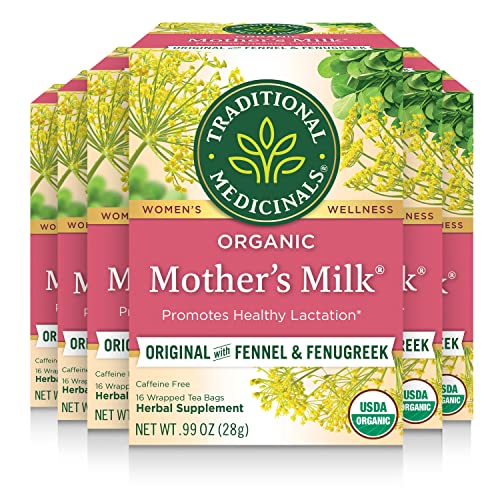
✅ Strong efficacy signal for milk-supply increase