


We analyze real customer reviews to surface what matters: key strengths, ideal use cases, and honest considerations — so you can make an informed choice.
Chinese Tea Culture Lavender Herbal Tea
Pure lavender in a cup — a caffeine-free floral infusion reviewers reach for to wind down before bed.
🎯 Best for: evening wind-down and bedtime, relaxation and sleep support
🍃 Strength: Medium

What Stands Out
🍃 Flavor Profile
Strength: Medium
The aroma is the headline here — reviewers describe it as wonderful, aromatic, even intoxicating. The flavor reads as pure lavender, with a few drinkers picking up bergamot when blended with another tea.
✅ What Customers Love
- pronounced lavender aroma
- clear, true-to-plant lavender flavor
- calming, sleep-adjacent association
🎯 Best For
evening wind-down and bedtime • relaxation and sleep support • base for a lavender latte • blending with a bergamot-forward tea
Brand: Chinese Tea Culture
Category: Herbal Tea
As an Amazon Associate we earn from qualifying purchases.
About This Herbal Tea
Pure lavender in a cup — a caffeine-free floral infusion reviewers reach for to wind down before bed. The aroma is the headline here: reviewers describe it as wonderful, aromatic, even intoxicating. The flavor reads as pure lavender, with a few drinkers picking up bergamot when the buds are blended with another tea.
Bedtime leads the use cases, with three of nine reviewers citing nightly cups for relaxation and sleep. We'd also reach for it as the base for a lavender latte with steamed milk, or blended with a bergamot-forward tea to surface the bergamot-lavender interplay one reviewer highlighted. Because it's caffeine-free, it isn't the right pick for a morning energy boost.
For brewing, reviewers suggest 1 teaspoon per 8 ounces rather than a full tablespoon — the buds are potent, and a lighter measure keeps the floral note from overwhelming the cup. If the lavender still reads too forward on its own, blending with a base tea softens the intensity while keeping the aromatic lift.
One honest caveat: three of nine reviewers find the floral flavor too strong or simply not to their taste. That's a predictable split for a single-botanical lavender infusion — there's no other ingredient to round it out, so the lavender is what you get. If pronounced floral flavors aren't your thing, this one isn't likely to convert you.
For drinkers who already enjoy lavender, this delivers what the name promises: a clean, true-to-plant cup that leans into the calming, sleep-adjacent association the botanical is known for.
Is Chinese Tea Culture Lavender Herbal Tea Right for You?
What does this lavender tea taste like?
A few reviewers describe it as pure lavender — clear and true-to-plant — with one drinker noting it picks up a bergamot character when blended with another tea. The aroma leads, with several calling it wonderful, aromatic, even intoxicating.
What is this lavender tea good for?
Reviewers reach for it at bedtime — three of nine cite nightly use for relaxation and sleep — and a calming association runs through several comments about easing anxiety or trouble sleeping. Some also use it as the base for a lavender latte.
How much loose leaf should I use per cup?
Reviewers suggest about 1 teaspoon per 8 ounces of water; one drinker found a full tablespoon was too much and dialed it back. If the floral intensity reads as too strong, blending with a base tea is the workaround another reviewer recommended.
Is the floral flavor overpowering?
It can be — about a third of reviewers (three of nine) find the floral flavor too strong or simply not to their taste, a predictable split for a single-botanical lavender infusion. Diluting with another tea or steeping lighter are the workarounds reviewers mention.
Can this tea help with sleep or anxiety?
Eight distinct health-claim mentions across nine reviews cluster around calming, relaxation, and sleep — several reviewers bought it specifically to reduce anxiety before bed or to improve sleep, and reported it helped. That's encouraging reviewer experience rather than a clinical claim.
Who should skip this lavender tea?
Drinkers who dislike pronounced floral flavors will likely find it too much, and it isn't a morning energy choice — it's caffeine-free and leans calming. About a third of reviewers flagged the floral intensity as not to their taste.
As an Amazon Associate we earn from qualifying purchases.
Does this tea contain caffeine?
No — the listing positions it as a pure herbal flower infusion, and lavender on its own is naturally caffeine-free. That matches why several reviewers reach for it specifically before bed.
What can I blend or pair it with?
One reviewer highlighted a bergamot–lavender combination — blending with a bergamot-forward tea pulls a special flavor out of the lavender — and it also works as the base for a lavender latte with steamed milk. Blending doubles as a way to soften the floral intensity if a straight cup reads too strong.
How prominent is the aroma compared to the flavor?
The aroma is the headline here — five of nine reviewers discuss it positively, with descriptors like wonderful, aromatic, and intoxicating recurring. The flavor itself reads as cleanly lavender; the scent is what reviewers single out most.
Is this a good starter herbal tea for a beginner?
It leans toward drinkers who already enjoy pronounced floral profiles — about a third of reviewers found the lavender too strong or not to taste, so it isn't the gentlest entry point. Beginners curious about lavender may prefer to start by blending it half-and-half with a base tea.
Category: What exactly is herbal tea?
Herbal tea, more accurately called a tisane, is any infusion made from plant material other than Camellia sinensis (the true tea plant). It can be brewed from leaves, flowers, roots, barks, seeds, or fruits of thousands of species, from chamomile flowers to rooibos needles to ginger root. The word 'tea' is colloquial here; botanically, only Camellia sinensis produces real tea.
Category: How are herbal tea blends usually built?
A common formulation follows a 60-30-10 structure. The base (60%) is mild and bulky—rooibos, nettle, oatstraw, or lemon balm provide the foundation. The modifier or support (30%) drives the therapeutic effect or main flavor—peppermint, hibiscus, tulsi, cinnamon chips. The accent (10%) is potent and would overpower the cup at higher proportions—lavender, cloves, ginger, citrus peel, rose petals. This balance is why a well-blended tisane tastes layered rather than flat.
As an Amazon Associate we earn from qualifying purchases.
Category: Does herbal tea contain caffeine?
Most herbal teas are naturally caffeine-free because they don't come from the caffeinated Camellia sinensis plant. The notable exceptions are yerba mate and guayusa, both from the Ilex (holly) genus, which contain roughly 85-90mg of caffeine per 8oz serving. Standard tisanes like chamomile, rooibos, hibiscus, peppermint, and ginger contain no caffeine at all.
What Customers Love
⚠️ Limited sample based on limited customer feedback (9 reviews) • Our methodology
- pronounced lavender aroma
- clear, true-to-plant lavender flavor
- calming, sleep-adjacent association
Taste Profile
The aroma is the headline here — reviewers describe it as wonderful, aromatic, even intoxicating. The flavor reads as pure lavender, with a few drinkers picking up bergamot when blended with another tea.
- blended with a bergamot-forward tea for a bergamot-lavender combination
- base for a lavender latte with steamed milk
Brewing: Reviewers suggest 1 teaspoon per 8 ounces rather than a full tablespoon, and some prefer blending with a base tea to soften the floral intensity.
Best Use Cases
🎯 Best For
- evening wind-down and bedtime
- relaxation and sleep support
- base for a lavender latte
- blending with a bergamot-forward tea
⚠️ Not Ideal For
- drinkers who dislike pronounced floral flavors
- a morning energy boost
How People Use It
Bedtime leads with three of nine reviewers citing nightly use for relaxation and sleep. We'd also reach for it as a base for a lavender latte, or blended with another tea to pick up that bergamot-lavender interplay one reviewer highlighted.
What to Consider
Three of nine reviewers find the floral flavor too strong or simply not to their taste — a predictable split for a single-botanical lavender infusion.
- floral intensity polarizes some drinkers
⚠️ Important: This analysis is based on limited customer feedback (9 reviews). We've shared what we found, but there may be additional considerations we haven't captured.
About This Analysis
This analysis is based on 9 customer reviews. We're showing you everything we found, but with a small sample, there's a lot we likely haven't captured yet.
✅ What we're confident about: What customers love and best use cases
⚠️ What may be incomplete: Potential issues and considerations
For more perspectives, check customer reviews on Amazon.
Product Selection
In short: We only feature high-rated products.
Products on TeaDelight.net are selected based on strong Amazon customer ratings, sufficient review volume, and market presence. We focus on well-regarded products that tea enthusiasts are actively considering and purchasing.
As an Amazon Associate we earn from qualifying purchases.
You Might Also Like
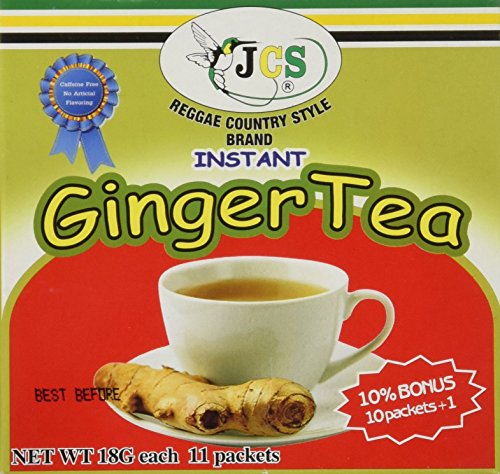
✅ Pronounced ginger character
JCS Instant Ginger Tea
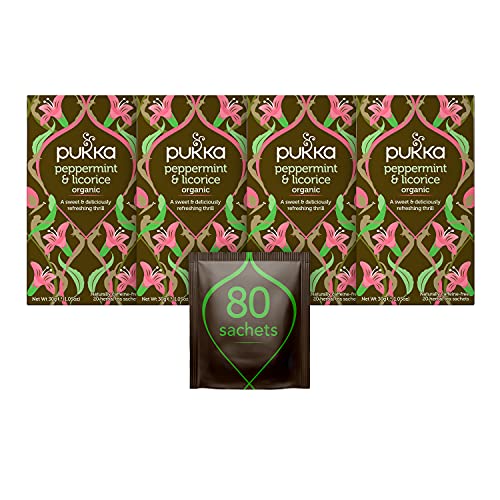
✅ Sweet, refreshing flavor that wins over licorice skeptics
Pukka Peppermint and Licorice Herbal Tea
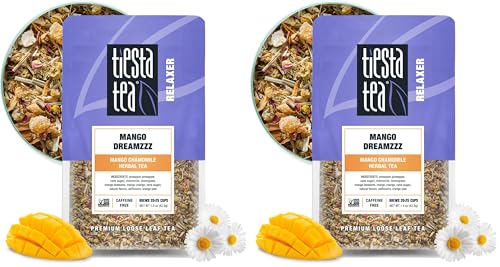
✅ Presentation and gift-readiness
Tiesta Tea Mango Chamomile Loose Leaf Herbal Tea

✅ Versatile across morning and evening use