
Available Alternatives
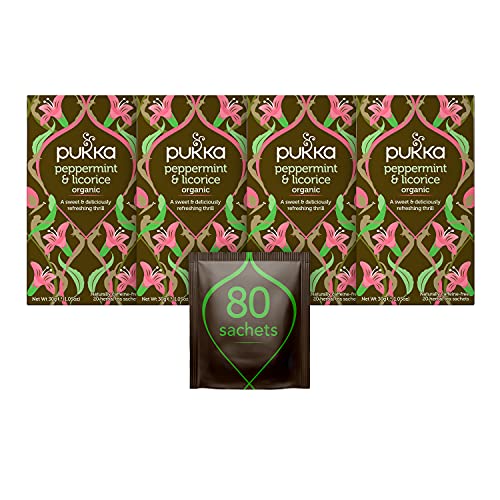
✅ Sweet, refreshing flavor that wins over licorice skeptics
Pukka Peppermint and Licorice Herbal Tea
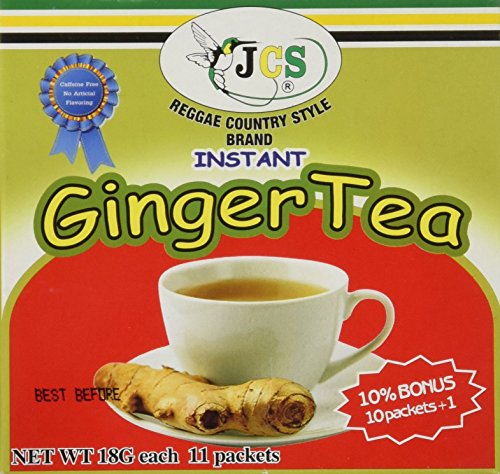
✅ Pronounced ginger character
JCS Instant Ginger Tea

✅ Versatile across morning and evening use
Bigelow Cinnamon Apple Herbal Tea
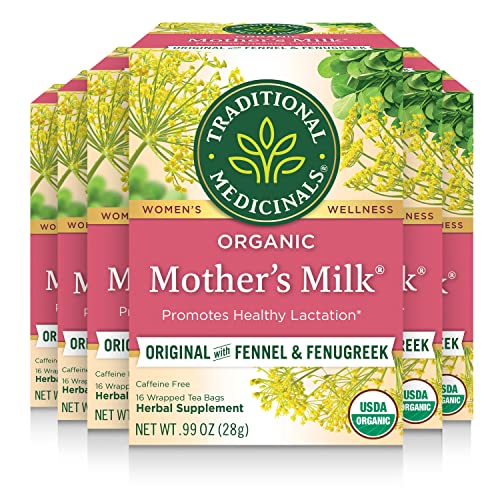
✅ Strong efficacy signal for milk-supply increase
Traditional Medicinals Organic Mother's Milk Herbal Tea



We analyze real customer reviews to surface what matters: key strengths, ideal use cases, and honest considerations — so you can make an informed choice.
Buddha Teas Ashwagandha Root Tea
An herbal infusion with no reviewer feedback yet on this particular product.

Brand: Buddha Teas
Category: Herbal Tea
As an Amazon Associate we earn from qualifying purchases.
About This Herbal Tea
Buddha Teas Ashwagandha Root Tea is a caffeine-free herbal infusion packaged as 18 tea bags. The listing positions it as a cleansing and wellness-oriented cup made from clean ingredients, with OU Kosher certification noted on the label. Because this particular product has not yet accumulated reviewer feedback, the characterization here leans on what the listing describes rather than on what drinkers have reported back.
It's brewed with hot water like a standard tea bag infusion. With no caffeine in the cup, there are no timing concerns — it fits as easily into an evening wind-down as it does into a daytime hydration routine, and it doesn't have to be scheduled around sleep.
As with most caffeine-free herbal infusions, it suits evening cups and broad daily hydration. Beyond that general framing, specific quality characteristics for this product — how the ashwagandha root comes through in the cup, body, finish, or any particular signatures — are not yet available from reviewer feedback.
One honest caveat: this product has not yet accumulated reviewer feedback. Everything written above reflects general expectations for caffeine-free herbal infusions of this type, not verified observations about this specific Buddha Teas blend. Anyone reaching for it should treat the listing's positioning as the working description until drinkers weigh in, and adjust expectations once their own first cup tells them more.
For an evening-friendly, caffeine-free herbal cup grounded in what the label describes rather than reviewer consensus, this is a reasonable entry point — with the understanding that the fuller picture is still to be filled in.
Is Buddha Teas Ashwagandha Root Tea Right for You?
What is ashwagandha root tea?
The listing positions this as an herbal infusion made from ashwagandha root, marketed for cleansing and wellness support. It's caffeine-free and packaged as 18 tea bags, so it brews like any standard bagged herbal tea with hot water.
Is this caffeine-free?
Yes — the label explicitly states caffeine-free, and ashwagandha root is naturally caffeine-free, so there are no timing concerns for evening cups.
When is the best time of day to drink this?
Because it's caffeine-free, it suits evening cups as easily as daytime hydration. The listing's wellness framing leans it toward a wind-down ritual, but no specific time-of-day pattern has emerged from drinker feedback yet for this product.
How do I brew Buddha Teas Ashwagandha Root Tea?
Brew like a standard herbal infusion — one bag in hot water, steeped to taste. Root-based herbals generally benefit from a longer steep (8-10 minutes) than leafy teas to fully extract, though no product-specific brewing notes have been reported by drinkers yet.
What does this tea taste like?
No drinker feedback on flavor has accumulated for this specific product yet. Ashwagandha root tea is generally described as earthy and slightly bitter with woody notes, but expectations should be set from the herb rather than from reviewers of this listing.
Is this kosher?
Yes — the listing explicitly carries OU Kosher certification on the label.
As an Amazon Associate we earn from qualifying purchases.
How many servings come in the box?
The listing specifies 18 tea bags per pack, so each box yields 18 single-cup servings.
Who should be cautious about drinking ashwagandha tea?
Ashwagandha is generally cautioned against during pregnancy, while breastfeeding, and for people on thyroid, sedative, or blood-pressure medications — consult a clinician before regular use. No product-specific safety reports from drinkers exist yet for this listing.
Are the ingredients clean or are there additives?
The listing markets this as 'Clean Ingredients' alongside antioxidant and mineral claims, positioning it as a single-herb infusion without flavorings or fillers. The label framing is the source here rather than drinker confirmation.
Are there reviews I can rely on for this product?
Not yet — this listing has fewer than five eligible reviews, so most of what's said about it here rests on the label, the brand framing, and general knowledge of ashwagandha root tea rather than on accumulated drinker feedback.
Category: What exactly is herbal tea?
Herbal tea, more accurately called a tisane, is any infusion made from plant material other than Camellia sinensis (the true tea plant). It can be brewed from leaves, flowers, roots, barks, seeds, or fruits of thousands of species, from chamomile flowers to rooibos needles to ginger root. The word 'tea' is colloquial here; botanically, only Camellia sinensis produces real tea.
Category: What's a good caffeine-free coffee alternative?
Roasted root tisanes are the traditional answer. Roasted dandelion root develops a dark, malty, slightly bitter flavor and acts as a liver tonic. Chicory root—famously used during coffee shortages from the Napoleonic Wars to the U.S. Civil War—adds woody, nutty depth and viscosity, plus inulin, a prebiotic fiber. Burdock root is earthy and sweet. These roots require decoction (simmering) rather than steeping to extract properly.
As an Amazon Associate we earn from qualifying purchases.
Category: What's the difference between rooibos and honeybush?
Both are caffeine-free South African tisanes from the fynbos biome, but they're distinct plants. Rooibos (Aspalathus linearis) from the Cederberg has needle-like leaves and an earthy, nutty, vanilla-toned cup with very low tannins. Honeybush (Cyclopia spp.), from the Eastern and Southern Cape, has yellow flowers that smell like honey—the cup is sweeter, fuller-bodied, with notes of floral honey, apricot, and dried fruit. Honeybush is rarer and often wild-harvested.
How People Use It
Brewed with hot water like a tea; no caffeine timing concerns.
What to Consider
This product has not yet accumulated reviewer feedback. The characterization above reflects general expectations for the tea type, not this specific product.
About This Analysis
This analysis is based on 0 customer reviews. We're showing you everything we found, but with a small sample, there's a lot we likely haven't captured yet.
✅ What we're confident about: What customers love and best use cases
⚠️ What may be incomplete: Potential issues and considerations
For more perspectives, check customer reviews on Amazon.
Product Selection
In short: We only feature high-rated products.
Products on TeaDelight.net are selected based on strong Amazon customer ratings, sufficient review volume, and market presence. We focus on well-regarded products that tea enthusiasts are actively considering and purchasing.
As an Amazon Associate we earn from qualifying purchases.