

We analyze real customer reviews to surface what matters: key strengths, ideal use cases, and honest considerations — so you can make an informed choice.
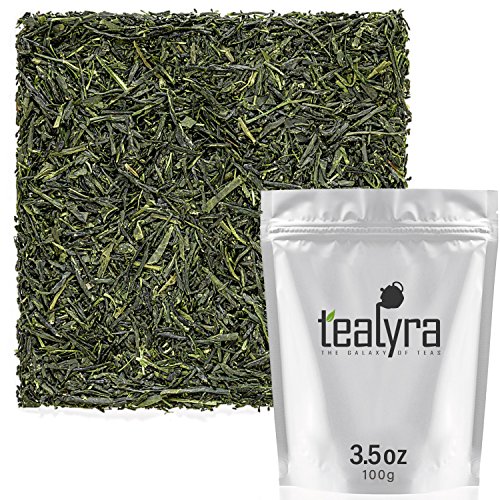
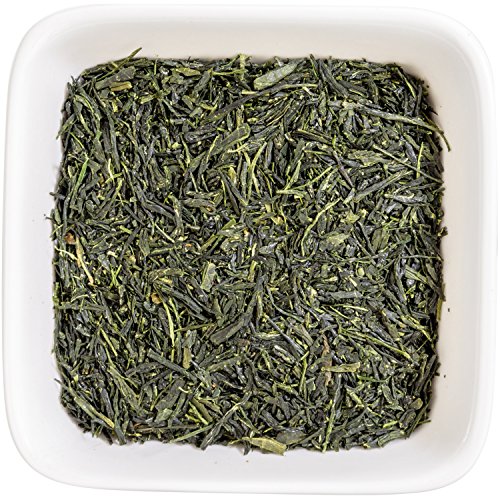
Tealyra Premium Gyokuro Kokyu Japanese Green Tea
A shade-grown Japanese gyokuro with a delicate umami depth, floral sweetness, and a smooth finish — the deep green liquor rewards multiple infusions from the same leaves.
🎯 Best for: Relaxation and stress relief, Traditional Japanese tea ceremony appreciation
🍃 Tastes like: floral, sweet, umami

What Stands Out
🍃 Flavor Profile
Strength: Delicate
Notes: floral, sweet, umami
✅ What Customers Love
- Delicate, smooth flavor with no bitterness (5 mentions)
- Fresh, authentic grassy aftertaste and aroma (4 mentions)
- High quality authentic Japanese tea (4 mentions)
🎯 Best For
Relaxation and stress relief • Traditional Japanese tea ceremony appreciation • Multiple infusions from same leaves • Cold brewing/sun tea
Brand: Tealyra
Category: Green Tea
As an Amazon Associate we earn from qualifying purchases.
About This Green Tea
Gyokuro's shading process concentrates the umami and sweetness that define this tea's character — reviewers praise the smooth, bitterness-free finish and the fresh grassy aroma that lingers after each cup. The liquor brews to a striking deep green, and the leaves hold up well through multiple steepings, offering slightly different notes each round. Cold brewing is another well-regarded approach for drawing out its natural sweetness. One caveat: finely ground particles can escape standard tea diffusers, so a fine-mesh strainer is worth using. Best suited to those who appreciate traditional Japanese tea culture and the quiet complexity of a well-made shade-grown green.
Is Tealyra Premium Gyokuro Kokyu Japanese Green Tea Right for You?
What does Tealyra Gyokuro Kokyu taste like?
This gyokuro has a delicate, smooth flavor that reviewers consistently describe as having no bitterness when brewed properly. You'll notice floral and sweet notes upfront, followed by a fresh, grassy aftertaste with that distinctive umami character that marks authentic Japanese gyokuro. It's not a bold, in-your-face tea — it's refined and layered, with a richness that unfolds over multiple sips.
How does Tealyra Gyokuro compare to regular green tea?
It's a completely different experience. Regular green tea (like sencha or basic teabag green tea) is sun-grown and tends to have a straightforward, sometimes astringent flavor. Gyokuro is shade-grown for several weeks before harvest, which dramatically increases the umami, sweetness, and L-theanine content while reducing bitterness. This Tealyra Gyokuro has that signature deep green color, a rich umami character, and smooth, floral sweetness that you simply won't find in standard green tea. It's like comparing table wine to a fine vintage.
How do you brew Tealyra Gyokuro properly?
Gyokuro is best brewed at a lower temperature than most green teas — around 140-160°F (60-70°C) rather than boiling water. Use about a teaspoon per cup and steep for 1-2 minutes. Reviewers note this tea is actually quite forgiving on brewing, and you only need a small amount of leaf to get a flavorful cup. The key mistake to avoid is using water that's too hot, which can bring out initial bitterness. One tip: the leaves hold up well for multiple infusions, so don't toss them after the first cup.
Is Tealyra Gyokuro good for beginners?
Yes, and that's one of its pleasant surprises. Despite being a premium-grade gyokuro, reviewers find it quite forgiving to brew — you don't need much leaf per cup, and it won't turn bitter easily if your timing or temperature is slightly off. The flavor is smooth and delicate rather than overpowering, making it a great entry point into high-quality Japanese tea. If you've only tried tea bags or basic sencha, this will show you what premium green tea can taste like without punishing any brewing mistakes.
How many times can you steep Tealyra Gyokuro?
Reviewers confirm that this gyokuro holds up well for multiple infusions — typically 2-3 steeps from the same leaves. Each steeping brings out slightly different characteristics: the first tends to be the most umami-rich and complex, the second reveals more of the sweet and grassy notes, and the third is lighter but still flavorful. This is actually a hallmark of quality gyokuro and significantly improves the per-cup value of the 100g bag.
What are common mistakes when brewing green tea?
The biggest mistake is using boiling water — especially with a premium gyokuro like this Tealyra. Water that's too hot will scorch the delicate leaves and bring out bitterness. Aim for 140-160°F. Over-steeping is another common issue; keep it to 1-2 minutes for the first infusion. One product-specific note: some reviewers mention that this tea has finely ground particles that can escape standard tea diffusers, so a fine-mesh strainer or a gaiwan works better than a basket infuser with larger holes.
As an Amazon Associate we earn from qualifying purchases.
What type of strainer works best for this tea?
This is worth knowing before you buy: some reviewers mention the leaves are finely ground enough that particles can escape through standard tea diffusers and float in your cup. A fine-mesh strainer, a Japanese-style kyusu teapot with a built-in filter, or a gaiwan and strainer setup will give you the cleanest cup. If you only have a basket-style infuser with larger holes, you may notice some sediment — it won't affect the taste, but it's worth being prepared for.
Is Tealyra Gyokuro Kokyu organic?
No, this tea is not certified organic, which some buyers have noted as a drawback given the premium pricing. If organic certification is a must-have for you, this won't check that box. However, the quality of the tea itself — the flavor, color, and authentic gyokuro character — is what most reviewers focus on. Whether the lack of organic certification is a dealbreaker depends on your priorities.
Who is this tea best for?
This Tealyra Gyokuro hits a nice sweet spot. Beginners will appreciate its forgiving brewing and smooth, non-bitter flavor. Tea enthusiasts will value the authentic premium gyokuro quality, complex umami character, and the rewarding experience of multiple infusions. It's particularly great for anyone who wants a calming tea ritual — reviewers consistently highlight the relaxation aspect. It's less ideal if you specifically need organic certification or if you only have coarse-mesh brewing equipment.
What does Tealyra Gyokuro smell like?
Reviewers are quite enthusiastic about the aroma — describing it as a fresh, authentic grassy scent that's rich without being overpowering. When you open the bag, you'll get that distinctive Japanese green tea fragrance that signals quality. The brewed tea carries a similarly fresh, inviting aroma. It's one of the first things people notice and a big part of why the overall experience feels premium.
How to brew green tea cold?
Cold brewing is actually one of the unexpected strengths of this Tealyra Gyokuro. Reviewers specifically mention it works well for cold brewing and sun tea. Add about 1-2 teaspoons of leaves to a jar of cool water and refrigerate for 4-8 hours. Cold brewing brings out the tea's natural sweetness and umami while keeping any bitterness completely at bay. The result is an incredibly smooth, refreshing drink with that signature fresh grassy character.
Is green tea very high in caffeine?
Gyokuro like this Tealyra Kokyu actually has more caffeine than typical green teas — roughly 35-45mg per cup compared to about 25-30mg for standard sencha. That's because gyokuro is shade-grown, which increases the caffeine and L-theanine content in the leaves. However, the L-theanine creates a calm, focused alertness rather than the jittery feeling you'd get from coffee. Reviewers describe the experience as relaxing and calming, which is that L-theanine at work balancing the caffeine.
As an Amazon Associate we earn from qualifying purchases.
What are the 5 benefits of green tea?
For this Tealyra Gyokuro specifically: (1) Relaxation and stress relief — reviewers call it an elegant, calming experience thanks to high L-theanine content. (2) Antioxidant-rich — shade-grown gyokuro has concentrated beneficial compounds. (3) Multiple infusions from one serving — the leaves hold up, stretching your supply. (4) Versatile brewing — works hot, cold-brewed, or as sun tea. (5) Gentle, sustained energy — the caffeine-plus-L-theanine combination gives you focus without jitters. All of these are backed by what actual buyers report about this specific tea.
How should I store Tealyra Gyokuro?
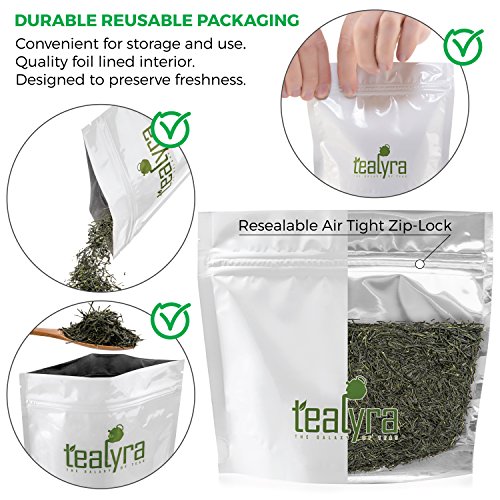
To preserve that beautiful deep green color and fresh grassy aroma, store it in an airtight container away from light, heat, and moisture. A sealed tin or resealable foil bag in a cool, dark cupboard works well. Some enthusiasts even refrigerate their gyokuro in a sealed container, though you'll want to let it come to room temperature before opening to avoid condensation on the leaves. Properly stored, the 100g bag should stay fresh for several months.
What are the side effects of drinking green tea?
For most people, a cup or two of this Tealyra Gyokuro daily is perfectly fine. Since gyokuro has higher caffeine than standard green tea, drinking several cups could cause restlessness or trouble sleeping in caffeine-sensitive individuals. Green tea on an empty stomach can sometimes cause nausea — having a small snack beforehand helps. One note: this tea is not certified organic, which some health-conscious buyers have pointed out given its premium pricing, so keep that in mind if organic certification matters to you.
What happens if I drink green tea every day?
Drinking a cup of quality green tea like this Tealyra Gyokuro daily can be a great addition to your routine. Reviewers specifically mention using it for relaxation and stress relief — the smooth, umami-rich flavor makes it feel like a calming ritual rather than just a caffeine hit. Green tea is well-known for its antioxidant content and potential metabolism support. That said, gyokuro does contain more caffeine than standard green teas because of the shade-growing process, so you may want to enjoy it earlier in the day.
What brand of green tea is the best?
For premium Japanese green tea, Tealyra's Gyokuro Kokyu is a strong contender. Reviewers highlight it as high quality authentic Japanese tea with a complex umami character you won't find in mass-market brands. It's shade-grown gyokuro — considered the highest grade of Japanese green tea — and tea drinkers praise its beautiful deep green color and smooth, delicate flavor. If you're looking for something a step above everyday green tea without paying ceremony-grade prices, this is a solid pick.
Is it beneficial to drink green tea daily?
Absolutely, and a premium gyokuro like this Tealyra makes it especially worthwhile. Shade-grown teas have higher concentrations of L-theanine, catechins, and chlorophyll compared to sun-grown varieties. Reviewers who drink this daily highlight the relaxation and stress relief benefits. The fact that you can reinfuse the same leaves multiple times also means your daily habit stretches further than you'd expect from the 100g bag.
As an Amazon Associate we earn from qualifying purchases.
Is green tea a stimulant or depressant?
Green tea is technically a mild stimulant because of its caffeine content, but this Tealyra Gyokuro sits in an interesting middle ground. Shade-grown gyokuro is uniquely high in L-theanine, an amino acid that promotes relaxation without drowsiness. Reviewers describe the experience as an elegant, calming tea ritual — not the buzzy energy of coffee. Think of it as alert relaxation: mentally clear but physically calm.
What is the healthiest way to make green tea?
Using loose leaf tea like this Tealyra Gyokuro is already a healthier choice than tea bags, since loose leaves retain more of their natural compounds. Brew at lower temperatures (140-160°F) to preserve the delicate catechins and L-theanine — boiling water can break down some beneficial compounds. Drinking it without added sugar lets you appreciate the natural sweetness and umami this tea offers. Some reviewers also enjoy cold-brewing it, which extracts a smoother, sweeter flavor and may preserve even more antioxidants.
Is green tea good for your skin?
Green tea is rich in antioxidants and polyphenols that are associated with skin health benefits, and shade-grown gyokuro like this Tealyra has even higher concentrations of these compounds than regular green tea. The increased chlorophyll content (which gives it that beautiful deep green color reviewers love) is also linked to anti-inflammatory properties. While no specific skin claims can be made for this product, the high-grade processing preserves more of these beneficial compounds than cheaper, mass-produced green teas.
Is the caffeine in green tea enough to keep you awake?
This Tealyra Gyokuro has a moderate caffeine content — more than regular green tea but less than coffee. It's enough to give you a gentle lift and mental clarity, but reviewers consistently describe this tea as relaxing rather than stimulating. The high L-theanine content in shade-grown gyokuro smooths out the caffeine effect, so you're less likely to feel wired. That said, if you're very caffeine-sensitive, you'd probably want to enjoy it earlier in the day rather than right before bed.
How to brew green tea for iced tea?
You have two great options with this Tealyra Gyokuro. For a quick method, brew it hot at 160°F using double the normal amount of leaves, steep for 2 minutes, then pour over ice. For a smoother result, cold brew overnight in the fridge — reviewers say this tea works especially well as a cold brew. The cold method brings out more of the sweet, umami notes and gives you a beautifully deep green iced tea with zero bitterness.
What Customers Love
⚠️ Limited sample based on limited customer feedback (11 reviews) • Our methodology
- Delicate, smooth flavor with no bitterness (5 mentions)
- Fresh, authentic grassy aftertaste and aroma (4 mentions)
- High quality authentic Japanese tea (4 mentions)
- Beautiful deep green color (3 mentions)
- Can be brewed multiple times with same leaves (1 mentions)
Taste Profile
- smooth
- delicate
- mild
- rich
- fresh
- grassy
Best Use Cases
🎯 Best For
- Relaxation and stress relief
- Traditional Japanese tea ceremony appreciation
- Multiple infusions from same leaves
- Cold brewing/sun tea
⚠️ Not Ideal For
- Those requiring certified organic tea
- Users with fine-mesh diffusers (particles may escape)
What to Consider
- Finely ground particles escape tea diffuser and float in cup (1 mentions)
- Initial bitterness before flavor develops (1 mentions)
- Contains orange pellet-like foreign items (quality control issue) (1 mentions)
- Not organic despite premium pricing (1 mentions)
⚠️ Important: This analysis is based on limited customer feedback (11 reviews). We've shared what we found, but there may be additional considerations we haven't captured.
About This Analysis
This analysis is based on 11 customer reviews. We're showing you everything we found, but with a small sample, there's a lot we likely haven't captured yet.
✅ What we're confident about: What customers love and best use cases
⚠️ What may be incomplete: Potential issues and considerations
For more perspectives, check customer reviews on Amazon.
Product Selection
In short: We only feature high-rated products.
Products on TeaDelight.net are selected based on strong Amazon customer ratings, sufficient review volume, and market presence. We focus on well-regarded products that tea enthusiasts are actively considering and purchasing.
As an Amazon Associate we earn from qualifying purchases.
You Might Also Like

✅ Fresh tea aroma and fragrance
Twinings Green Tea with Jasmine

✅ Fresh, grassy flavor profile
Tealyra Gyokuro Ureshinocha Japanese Green Tea

✅ Freshness of tea leaves
Xihu Dragonwell Longjing Tea (Yu Qian)
✅ Well-balanced flavor profile - sweet and umami with minimal astringency