




We analyze real customer reviews to surface what matters: key strengths, ideal use cases, and honest considerations — so you can make an informed choice.
Senbird Premium Gyokuro Japanese Green Tea
A shade-grown Japanese gyokuro with silky umami character and a sweet, grassy finish — forgiving to brew and known for calm, focused energy without bitterness.
🎯 Best for: Morning tea to start the day with focus, Coffee alternative for sustained energy
🍃 Tastes like: umami, sweet, nutty

🍃 Flavor Profile
Strength: Delicate
Notes: umami, sweet, nutty
✅ What Customers Love
- Smooth, no bitterness - very forgiving to brew (10 mentions)
- Fresh aroma and high quality appearance (9 mentions)
- High caffeine content with calm, focused energy (no jitters) (8 mentions)
🎯 Best For
Morning tea to start the day with focus • Coffee alternative for sustained energy • Afternoon pick-me-up • Daily routine for mental clarity
Brand: Senbird
Category: Green Tea
As an Amazon Associate we earn from qualifying purchases.
About This Green Tea
Gyokuro's signature umami depth comes through in smooth, sweet-tinged flavor with subtle grassy and nutty undertones. Notably forgiving to brew — reviewers find it difficult to overbrew, making it approachable even for those new to shade-grown Japanese styles. The high caffeine content delivers sustained, alert energy that reviewers describe as calm and jitter-free, making it a popular morning coffee alternative. Those expecting an intensely grassy gyokuro may find the body lighter than other varieties. Best suited to tea drinkers seeking a gentle, focused morning ritual or a midday mental clarity boost.
Is Senbird Premium Gyokuro Japanese Green Tea Right for You?
What does Senbird Gyokuro taste like?
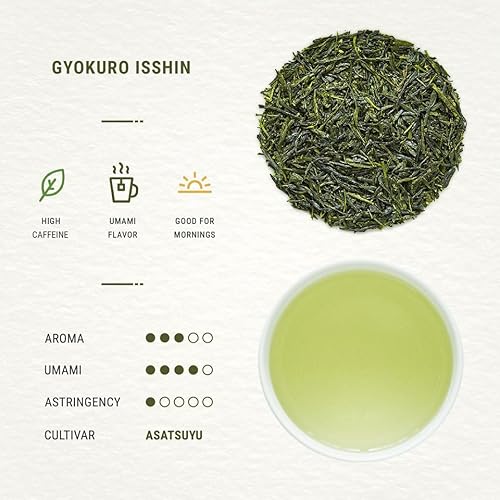
Reviewers describe it as smooth, delicate, and rich in umami — that savory, almost brothy quality that sets gyokuro apart from other green teas. You'll also pick up sweet, nutty, and earthy notes, with a subtle grassiness and a pleasant sweet aftertaste. The flavor is definitely on the delicate side rather than bold, which some might find lighter than expected from a premium tea. The standout quality is the complete absence of bitterness — reviewers repeatedly mention how smooth it is, even when they don't nail the brewing perfectly.
What brand of green tea is the best for gyokuro?
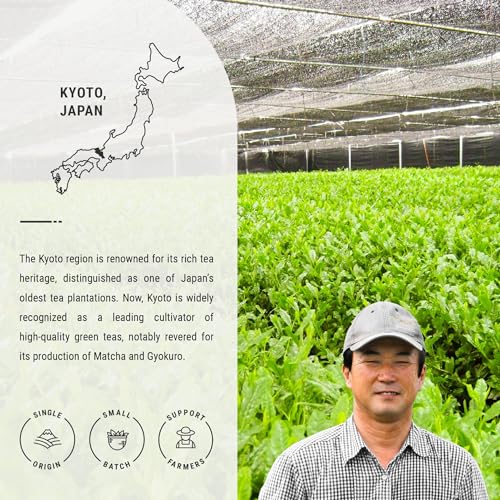
Senbird is one of the standout brands for gyokuro specifically. Their Premium Gyokuro is sourced from Kyoto, Japan — one of the most respected tea-growing regions — and reviewers consistently praise it for delivering an authentic Japanese gyokuro experience. Multiple buyers who've had tea in Japan say it tastes like the real thing. What makes Senbird particularly appealing is that their gyokuro is very forgiving to brew, so even if you're new to premium Japanese green tea, you're unlikely to end up with a bitter cup.
Is Senbird Gyokuro good for beginners?
It's actually one of the best gyokuro options for beginners. Reviewers highlight how forgiving it is to brew — it's genuinely hard to make it taste bitter, even if you're new to loose leaf tea. Senbird includes detailed brewing instructions covering water temperature and steeping time, so you're not guessing. The flavor profile isn't intimidating either — it's smooth, sweet, and gentle rather than intensely grassy or marine. That said, it still offers enough complexity (umami, nutty notes, sweet aftertaste) that experienced tea drinkers won't find it boring.
Can Senbird Gyokuro replace coffee?
Multiple reviewers say yes — and several specifically bought it for that purpose. The high caffeine content of gyokuro provides a real energy boost comparable to coffee, but the experience is noticeably different. Buyers describe calm, focused energy without the jitters, crashes, or anxiety that coffee can cause. One reviewer called it an 'excellent coffee replacement' that helps with switching from coffee to tea. The key difference is that the energy comes on more gently and lasts longer. If you're looking to reduce coffee intake but don't want to sacrifice alertness, this is a strong candidate.
Is Senbird Gyokuro authentic Japanese tea?
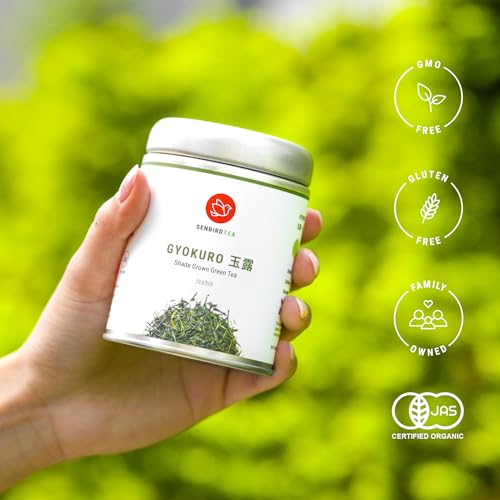
Yes — it's sourced from Kyoto, Japan, one of the most prestigious tea-growing regions in the country. Multiple reviewers who've visited Japan and had tea there confirm it tastes authentic. The Ishin variety is a traditional Japanese cultivar. Reviewers praise the fresh aroma and high-quality appearance of the leaves, and the careful packaging (in an airtight tin) helps preserve that freshness during shipping. Several buyers specifically mention that it reminded them of tea they had in Japan, which is about the strongest endorsement you can get for authenticity.
How does Senbird Gyokuro compare to other gyokuro brands?
Reviewers note that Senbird's gyokuro has a lighter body than some other gyokuro varieties — it's less intensely grassy and more on the smooth, sweet, umami side. This makes it more approachable, especially for beginners, but some gyokuro purists looking for that deep, marine grassiness might find it gentler than expected. The packaging (airtight reusable tin) is a standout — reviewers specifically praise the presentation. Quality-wise, buyers who've tried multiple brands say Senbird delivers authentic Kyoto gyokuro quality, and the forgiving brewing nature sets it apart from fussier varieties.
As an Amazon Associate we earn from qualifying purchases.
How do you brew Senbird Gyokuro properly?
Senbird includes detailed brewing instructions with the tin, which is a nice touch. The key with gyokuro is using lower water temperatures than regular green tea — typically around 140-160°F (60-70°C) rather than boiling water. Steep for about 1-2 minutes. The great news is that this particular gyokuro is very forgiving. Reviewers say it's hard to overbrew it, and even beginners get a smooth, non-bitter cup. Experienced drinkers recommend experimenting with temperature and leaf amounts to unlock different flavor profiles — cooler water brings out more sweetness and umami, while slightly warmer water emphasizes the grassy notes.
What are the benefits of drinking Senbird Gyokuro?
Based on what buyers actually report: mental clarity and focus is the top benefit, followed by calm energy without jitters, morning energy that lasts through the day, relaxation, and sustained focus for work or study. Multiple reviewers highlight it as an excellent coffee replacement — you get the energy boost without coffee's side effects. The shade-growing process also means higher concentrations of L-theanine (for calm focus) and catechins (antioxidants) compared to regular green tea. It's one of the most nutrient-dense green teas you can drink.
Is Senbird Gyokuro high in caffeine?
Yes — gyokuro is one of the highest-caffeine green teas because the shade-growing process increases the caffeine content in the leaves. Senbird's gyokuro is no exception. Reviewers specifically mention the high caffeine content, with one calling it a powerful energy boost. However, the caffeine experience is quite different from coffee. Multiple reviewers describe it as calm, focused energy without jitters — the L-theanine in the tea moderates the caffeine for a smooth, sustained alertness rather than a spike and crash.
Is it beneficial to drink Senbird Gyokuro daily?
Based on what reviewers report, daily drinkers are very happy with this gyokuro. The most commonly mentioned benefits include mental clarity and focus, calm energy without jitters, sustained energy throughout the day, and relaxation. Several reviewers have made it part of their daily morning routine and say it's been a game-changer, especially for those switching from coffee. Gyokuro in particular is rich in L-theanine and catechins due to the shade-growing process. Just be mindful of the caffeine — stick to morning or early afternoon cups.
When is the best time to drink Senbird Gyokuro?
Morning is the sweet spot. Reviewers most commonly use it to start their day with focus and energy, and it works well as a coffee alternative for that morning boost. It's also great as an afternoon pick-me-up when you need calm concentration. However, because gyokuro is high in caffeine, reviewers recommend avoiding it in the evening or before bed. If you're caffeine-sensitive, stick to morning only. The sustained energy effect means a morning cup can carry you well into the afternoon without needing a second serving.
What happens if I drink a cup of Senbird Gyokuro every day?
Reviewers who drink this gyokuro daily report noticeable benefits — particularly mental clarity, calm focus, and sustained energy throughout the day. Unlike coffee, which can cause jitters and crashes, the caffeine in gyokuro works alongside L-theanine to produce a smooth, focused alertness. Several buyers specifically use it as their daily morning ritual for a mental boost. Just keep in mind that gyokuro is one of the higher-caffeine green teas, so you'll want to enjoy it earlier in the day rather than before bed.
As an Amazon Associate we earn from qualifying purchases.
How much Senbird Gyokuro do you get in the tin?
The tin contains 1.76oz (50g) of loose leaf gyokuro. That might sound small, but reviewers note that a little goes a long way with this tea — you only need about 2-3 grams per cup, so you're looking at roughly 15-25 cups depending on how strong you brew it. You can also re-steep the leaves for multiple infusions, stretching it further. That said, several reviewers wish Senbird offered a larger size option, since once you're hooked, 50g goes faster than you'd like.
Who should NOT buy Senbird Gyokuro?
Be honest with yourself about a few things. If you prefer bold, robust flavors — think strong black tea or dark roast coffee — this gyokuro's delicate profile might feel too subtle for you. One reviewer with that expectation felt the flavor didn't justify the premium price. If you're highly caffeine-sensitive, the high caffeine content could be an issue. And if you're looking for an evening relaxation tea, this isn't it — save it for morning or early afternoon. Otherwise, whether you're a beginner or an experienced tea drinker, this is a very well-regarded gyokuro.
Does Senbird Gyokuro come with brewing instructions?
Yes, and reviewers specifically appreciate this. Senbird includes detailed instructions covering water temperature and steeping time — the two most critical variables for brewing gyokuro well. This is especially valuable because gyokuro requires lower temperatures than most green teas, and getting it right makes a big difference. Several reviewers credit the instructions with helping them brew a perfect cup on their first try. The fact that the tea is also very forgiving means even if you deviate a bit from the instructions, you'll still get a smooth, enjoyable result.
What makes gyokuro different from regular green tea?
Gyokuro is shade-grown for several weeks before harvest, which fundamentally changes its chemistry and flavor. The shade forces the tea plants to produce more chlorophyll, L-theanine, and caffeine. This is why Senbird's gyokuro has that distinctive umami richness, higher caffeine content, and calm-focus effect that regular green tea can't match. Taste-wise, where a standard green tea might be brisk or grassy, this gyokuro is smooth, sweet, and savory. Reviewers who've tried both describe it as a completely different experience — more complex and rewarding.
Is green tea a stimulant or depressant?
Green tea is technically a stimulant due to its caffeine content, and Senbird's gyokuro is on the higher end of the caffeine spectrum among green teas. But here's what's interesting — reviewers describe the effect as both energizing and relaxing at the same time. That's the L-theanine at work, an amino acid that's particularly concentrated in shade-grown teas like gyokuro. Buyers report mental clarity and focus without jitters, and some specifically mention relaxation as a benefit. So it stimulates alertness while promoting calm — a unique combination that's hard to get from coffee.
Can you cold brew Senbird Gyokuro?
Absolutely, and gyokuro is actually one of the best green teas for cold brewing. The cold water extraction brings out the natural sweetness and umami that reviewers already love about this tea, while minimizing any bitterness entirely. To cold brew, add about 2-3 grams of leaves to cold water and refrigerate for 4-8 hours. Given that reviewers describe this gyokuro's flavor as smooth, sweet, and umami-rich, cold brewing really amplifies those qualities. It makes an excellent refreshing summer drink.
As an Amazon Associate we earn from qualifying purchases.
What are common mistakes when brewing this gyokuro?
The most common mistake with any gyokuro is using water that's too hot — boiling water will scorch the leaves and make even the best gyokuro taste bitter and harsh. With Senbird's gyokuro, though, reviewers say it's remarkably forgiving. You'd have to really try to mess it up. That said, to get the best flavor, use water around 140-160°F and don't over-steep. A little leaf goes a long way with this tea, so start with a small amount and adjust. The tin includes specific temperature and steeping guidelines, which helps a lot if you're new to gyokuro.
How do you brew loose leaf green tea like Senbird Gyokuro?
For loose leaf gyokuro, use about 2-3 grams of leaves per cup. Heat your water to around 140-160°F — well below boiling. Pour over the leaves and steep for 1-2 minutes. One of the things reviewers love about this specific tea is that a little goes a long way, so don't overload the leaves. You can also get multiple steeps from the same leaves, with each infusion revealing slightly different flavors. Senbird includes detailed instructions in the tin, which is helpful for anyone new to loose leaf brewing.
Is the caffeine in Senbird Gyokuro enough to keep you awake?
Definitely. Reviewers consistently highlight the energizing effect of this gyokuro — it's one of the most-mentioned benefits. Several buyers use it specifically as a morning coffee replacement and say it provides sustained energy throughout the day. The caffeine is real and noticeable. That said, because gyokuro's caffeine pairs with L-theanine, the effect is more of a calm wakefulness than the wired feeling you get from coffee. Multiple reviewers do note this isn't ideal for evening drinking due to the caffeine content.
What happens when you drink green tea every day?
Reviewers who drink Senbird's gyokuro daily report some specific changes: better mental clarity and focus, more sustained energy compared to coffee, and a general sense of calm alertness. Several former coffee drinkers say switching to this gyokuro eliminated the jitters and energy crashes they used to experience. The calm, focused energy is the most frequently mentioned daily benefit. From a general health perspective, daily green tea consumption has been associated with antioxidant support and metabolic benefits, and gyokuro delivers these in a more concentrated form than regular green tea.
How do you make iced tea with Senbird Gyokuro?
You have two good options. For a quick method, brew the gyokuro a bit stronger than usual with hot water (140-160°F), then pour over ice. For a smoother result, cold brew it overnight in the fridge — this brings out the sweet, umami qualities that make this gyokuro special without any risk of bitterness. Either way, you'll get a clean, refreshing iced tea. Reviewers note a pleasant sweet aftertaste that works beautifully cold, so you won't need to add sweetener.
What is the healthiest way to make green tea?
For maximum health benefits from green tea, loose leaf like Senbird's gyokuro is a step up from tea bags since you're getting whole, high-quality leaves rather than broken fannings. Brew with water below boiling (around 160°F) to preserve the delicate catechins and antioxidants. Avoid adding sugar, which offsets the health benefits — and with this particular gyokuro, you won't need it. Reviewers consistently note a pleasant natural sweetness and zero bitterness, so it's easy to enjoy straight.
As an Amazon Associate we earn from qualifying purchases.
What are the side effects of drinking green tea?
For most people, green tea is very well-tolerated, and reviewers of Senbird's gyokuro don't report any negative side effects. The main thing to be aware of is the caffeine — gyokuro has more caffeine than regular green tea, so if you're caffeine-sensitive, start with a smaller amount and see how you respond. Reviewers specifically note that this tea doesn't cause jitters like coffee does, which is reassuring. Drinking on an empty stomach can occasionally cause mild nausea with any green tea, so having it with or after a light snack is a good practice.
Customer-Validated Strengths
based on 25-review analysis • Our methodology
- Smooth, no bitterness - very forgiving to brew (10 mentions)
- Fresh aroma and high quality appearance (9 mentions)
- High caffeine content with calm, focused energy (no jitters) (8 mentions)
- Beautiful, careful packaging with reusable tin (7 mentions)
- Authentic Japanese taste - reminiscent of tea in Japan (5 mentions)
- Pleasant sweet aftertaste (3 mentions)
- A little goes a long way - efficient use (2 mentions)
Taste Profile
- smooth
- light
- mild
- delicate
- not bitter
- fresh
- gentle
Best Use Cases
🎯 Best For
- Morning tea to start the day with focus
- Coffee alternative for sustained energy
- Afternoon pick-me-up
- Daily routine for mental clarity
- When you need calm focus
⚠️ Not Ideal For
- Evening/before bed (high caffeine)
- Those seeking bold, robust flavor
- Caffeine-sensitive individuals
What to Consider
- High price point (3 mentions)
- Lighter body than some other gyokuro varieties (less grassiness) (1 mentions)
- Some leaf dust/breakage from shipping (1 mentions)
- One reviewer found it lacking flavor for the premium price (1 mentions)
based on 25-review sample.
About This Analysis
This analysis is based on 25 customer reviews. We're showing you everything we found, but with our analysis, there's always more to discover.
✅ What we're confident about: What customers love and best use cases
⚠️ What may be incomplete: Potential issues and considerations
For more perspectives, check customer reviews on Amazon.
Product Selection
In short: We only feature high-rated products.
Products on TeaDelight.net are selected based on strong Amazon customer ratings, sufficient review volume, and market presence. We focus on well-regarded products that tea enthusiasts are actively considering and purchasing.
As an Amazon Associate we earn from qualifying purchases.
You Might Also Like

✅ Fresh tea aroma and fragrance
Twinings Green Tea with Jasmine

✅ Fresh, grassy flavor profile
Tealyra Gyokuro Ureshinocha Japanese Green Tea

✅ Freshness of tea leaves
Xihu Dragonwell Longjing Tea (Yu Qian)
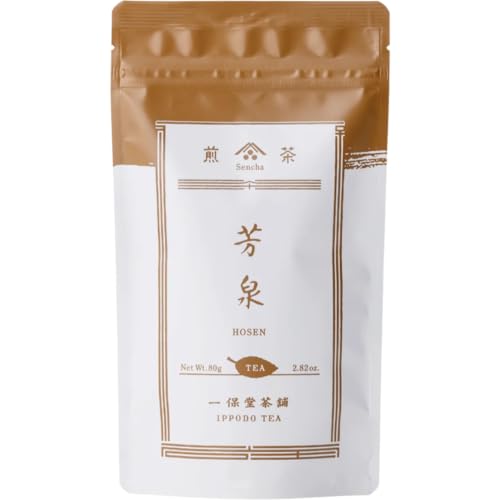
✅ Well-balanced flavor profile - sweet and umami with minimal astringency