



We analyze real customer reviews to surface what matters: key strengths, ideal use cases, and honest considerations — so you can make an informed choice.
Chaganju Sencha Green Tea Loose Leaf
A smooth, clean-tasting loose leaf sencha from Japan's Uji region, with grassy umami notes and a naturally sweet finish — vibrant yellow-green when properly brewed.
🎯 Best for: Morning coffee replacement, Afternoon mental reset
🍃 Tastes like: grassy, vegetal, slightly floral

What Stands Out
🍃 Flavor Profile
Strength: Moderate
Notes: grassy, vegetal, slightly floral
✅ What Customers Love
- Smooth, clean taste with no bitterness (10 mentions)
- Fresh, authentic Japanese sencha aroma (8 mentions)
- JAS certified organic (no pesticides) (6 mentions)
🎯 Best For
Morning coffee replacement • Afternoon mental reset • Daily tea routine • Mindful tea ritual
Brand: chaganju
Category: Green Tea
As an Amazon Associate we earn from qualifying purchases.
About This Green Tea
This Uji-region sencha delivers grassy, vegetal flavor with umami depth and a naturally sweet finish — clean and non-bitter, even at longer steep times. Whole leaves unfold fully during steeping, and the JAS certified organic leaf re-steeps well for a nuanced second infusion. It works as a focused morning coffee replacement and cold-brews cleanly for iced preparations. Batch quality can vary, with occasional fine sediment passing through standard infusers. Best for daily tea drinkers who value authenticity and enthusiasts willing to dial in water temperature and steep time.
Is Chaganju Sencha Green Tea Loose Leaf Right for You?
What does Chaganju Sencha green tea taste like?
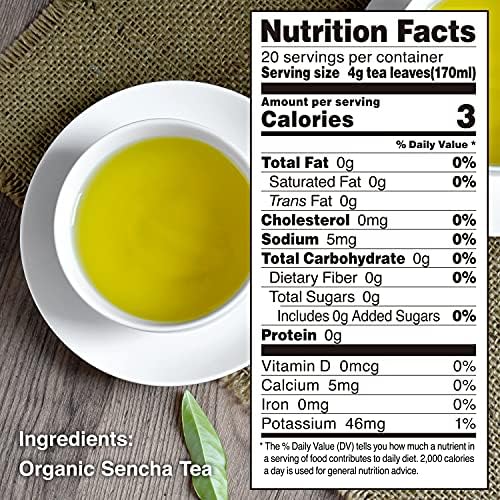
Chaganju Sencha has a smooth, clean taste with grassy and vegetal notes, a hint of natural sweetness, and a pleasant umami finish. Multiple reviewers highlight the lack of bitterness when brewed properly, and the flavor is moderate in strength — not overpowering, but definitely present. You'll also catch slightly floral and earthy undertones. It brews to a vibrant green or yellow-green color that looks as fresh as it tastes.
Why does my Chaganju Sencha taste bitter?
Almost certainly a brewing issue, not the tea itself. The most common cause is water that's too hot — if you're pouring boiling water directly onto the leaves, you'll extract harsh tannins and get bitterness every time. Use water around 160-175°F instead. Over-steeping is the second culprit; keep it to 60-90 seconds. Reviewers who follow proper temperature guidelines consistently describe this tea as smooth and clean with no bitterness. That said, a small number of reviewers have noted batch inconsistency, so if the leaves looked dusty or broken rather than whole, you may have gotten a less-than-ideal batch.
How do you brew green tea properly?
Proper brewing makes a huge difference with this Chaganju Sencha. The key is temperature control — use water around 160-175°F (70-80°C), not boiling. Boiling water is the #1 reason people get bitter green tea. Steep for 60-90 seconds for the first infusion. Reviewers confirm that when brewed at the right temperature, this tea produces a smooth, clean cup with no bitterness and a vibrant green-yellow color. Too hot or too long, and you'll extract harsh tannins. One nice bonus: the leaves can be re-steeped for a second infusion that brings out slightly different flavor notes.
What are common mistakes when brewing green tea?
The biggest mistake — and the one that ruins this sencha most often — is using boiling water. That's how you end up with bitter, dark brown tea instead of the smooth, vibrant green cup it's supposed to be. Some reviewers who complained about bitterness or dark color were likely brewing too hot. Other common mistakes: steeping too long (stick to 60-90 seconds), using too much leaf, and not pre-warming your teapot. With this Chaganju Sencha, also be aware that fine leaf particles can pass through some infusers, so use a fine-mesh strainer or a teapot with a built-in filter.
Is this Chaganju Sencha good for beginners?
Yes, it's a solid choice for beginners getting into loose leaf Japanese tea. The flavor is moderate in strength — grassy and smooth without being overwhelming — and it's fairly forgiving to brew. You don't need to be precise to the degree to get a good cup, though proper temperature control (around 170°F, not boiling) makes a big difference. A few things beginners should know: some fine sediment may pass through basic infusers, so a fine-mesh strainer helps. And the grassy, vegetal flavor is characteristic of real sencha — if you're coming from bagged green tea, expect a richer, more authentic taste.
Who should not drink sencha green tea?
If you're sensitive to grassy or vegetal flavors, this Chaganju Sencha might not be your cup of tea — it has distinctly grassy, earthy notes that are characteristic of authentic Japanese sencha. People who prefer very light, delicate teas may also find it a bit much. On the health side, sencha does contain caffeine (less than coffee, but still notable), so if you're highly caffeine-sensitive or have been advised to avoid it due to high blood pressure or other conditions, check with your doctor first.
As an Amazon Associate we earn from qualifying purchases.
Can you re-steep Chaganju Sencha leaves?
Yes, and reviewers recommend it. The whole leaves are designed for multiple infusions — they unfold during the first steep and continue releasing flavor in the second. The second infusion tends to be lighter with subtly different flavor notes, which enthusiasts enjoy. This effectively stretches the value of the 80g bag, since you're getting two cups from each serving of leaves. For the second steep, use slightly hotter water and steep a bit longer (about 30 seconds more) to extract the remaining flavor.
Can I use Chaganju Sencha as a coffee replacement?
Many reviewers have done exactly this and report a smooth transition. The caffeine is lower than coffee (roughly 30-50mg vs 95-200mg per cup), but the combination of caffeine and L-theanine in sencha provides what drinkers describe as 'calming energy' — alert and focused without the jitters or afternoon crash. It works especially well as a morning ritual. If you need a stronger caffeine kick, you can brew it a bit stronger or have two cups. Reviewers who've made the switch mention sustained energy throughout the day and better overall mood.
What are the 5 benefits of green tea?
For this Chaganju Sencha specifically, reviewers highlight five clear benefits: (1) A calming energy boost without the jitters or crash of coffee — this is the most commonly praised benefit. (2) Improved mental clarity and focus throughout the day. (3) It works as a smooth coffee replacement for your morning routine. (4) Relaxation and stress relief, making it great for a mindful tea ritual. (5) Versatility — it cold-brews beautifully overnight (which doubles the EGCG antioxidants), mixes well with other ingredients like ginger or lavender, and re-steeps for a second cup.
What can I mix with Chaganju Sencha?
Reviewers have found this sencha versatile enough to blend with other ingredients. Popular combinations include mixing the leaves with lavender or chamomile for a floral twist, and adding ginger powder for an extra energy and warming kick. For iced versions, it pairs well with peach — either fresh slices or juice — to make a peach green tea blend. The moderate, clean flavor profile means it works as a base without clashing with added ingredients, though purists will want to enjoy it straight first to appreciate the Uji sencha character.
How long does the 80g bag of Chaganju Sencha last?
With typical use of 2-3 grams per cup, an 80g bag gives you roughly 25-35 cups. If you're drinking one cup daily, that's about 3-4 weeks. Factor in re-steeping — which the whole leaves handle well — and you can stretch it to 50-70 cups effectively, making it last 7-8 weeks with daily use. Store the bag sealed in a cool, dark place to preserve freshness, since the flavor quality is best when the leaves are fresh.
Why is my Chaganju Sencha brewing brown instead of green?
A couple of reviewers have reported this, and there are two likely causes. First, water temperature — if you're using boiling water, it over-extracts the leaves and produces a dark brown color instead of the expected vibrant green or yellow-green. Try lowering to 160-175°F. Second, batch inconsistency — a small number of buyers have received batches with dusty or broken leaves that don't brew as well. Properly brewed with good leaves, this sencha should produce a clear green to yellow-green liquor. If the leaves look fragmented rather than whole when dry, you may have an off batch.
As an Amazon Associate we earn from qualifying purchases.
What does JAS certified organic mean for this tea?
JAS (Japanese Agricultural Standards) organic certification means the tea was grown without synthetic pesticides, chemical fertilizers, or genetically modified organisms, verified by Japan's strict agricultural standards body. For a daily tea like this, that matters — you're steeping these leaves in hot water and drinking whatever comes out, so knowing there's no pesticide residue is reassuring. Reviewers who specifically chose this tea for the organic certification appreciate the peace of mind, especially compared to conventional teas where pesticide testing isn't always transparent.
Is Chaganju Sencha good for a mindful tea ritual?
It's actually well-suited for it. The whole leaves unfurl during steeping — particularly beautiful in a glass teapot — which adds a visual element to the ritual. The fresh, authentic Japanese sencha aroma fills the room as it brews. The brewing process itself requires mindful attention (temperature control, timing), which is part of the practice. And the flavor delivers that umami-rich, grassy character that serious tea drinkers associate with authentic Japanese tea culture. The calming energy from the L-theanine and caffeine combination complements the meditative quality of the ritual.
How to brew green tea cold?
Cold-brewing this Chaganju Sencha is a great option, especially in warmer months. Add about 1 tablespoon of leaves to a liter of cold water, place in the fridge, and let it steep overnight (8-12 hours). The result is a smoother, sweeter cup with less bitterness and lower caffeine. Reviewers have noted that cold-brewing actually doubles the EGCG content compared to hot brewing, so it's arguably the healthiest way to enjoy it. The flavor comes out lighter, naturally sweet, and incredibly refreshing. Some drinkers make peach green tea blends by adding sliced peaches to the cold brew.
What is the difference between sencha green tea and green tea?
Sencha is a specific type of Japanese green tea that's steamed shortly after harvest to stop oxidation, which gives it that distinctive grassy, vegetal, slightly sweet flavor. Most Chinese green teas are pan-fired instead, producing a nuttier, toastier taste. This Chaganju Sencha is a classic example — you get those fresh, grassy notes with umami depth and a clean finish that's very different from, say, a Chinese Dragonwell or a generic green tea bag. The whole leaves unfold beautifully during steeping, which is something you won't see with mass-market tea bags.
Is green tea a stimulant or depressant?
Green tea is technically a mild stimulant because of the caffeine, but it behaves differently than most stimulants. This Chaganju Sencha contains both caffeine and L-theanine, an amino acid that promotes relaxation. Reviewers describe the effect as 'calming energy' — you get mental clarity and focus alongside relaxation and stress relief. It's this unique combination that makes sencha popular for mindful tea rituals. So it's stimulating enough to replace your morning coffee, but calming enough that reviewers also use it for relaxation.
Is green tea very high in caffeine?
Sencha green tea like this Chaganju has moderate caffeine — typically 30-50mg per cup, compared to 95-200mg in coffee. That's enough to give you a noticeable but gentle energy boost. Reviewers consistently describe a 'calming energy' — mental clarity and focus without the jitters or crash they get from coffee. The L-theanine in sencha works alongside the caffeine to smooth out the effect. If you want even less caffeine, try cold-brewing this tea overnight, which reviewers say noticeably reduces the caffeine content.
As an Amazon Associate we earn from qualifying purchases.
Does Chaganju Sencha work well for iced tea?
Absolutely. Reviewers specifically call out iced preparation as one of this tea's strengths. You can either brew it hot and concentrated and pour over ice, or cold-brew it overnight for a smoother, sweeter result. The cold-brew method has an added benefit — it reportedly doubles the EGCG antioxidant content while reducing caffeine. The grassy, slightly sweet flavor profile translates well cold, and several drinkers recommend adding peach for a green tea peach blend. The moderate flavor intensity means it doesn't get washed out by ice the way some lighter teas do.
What is the highest quality Japanese green tea?
In Japan, the highest-grade green tea is generally considered to be gyokuro, which is shade-grown for weeks before harvest, concentrating its umami and sweetness. Matcha (ceremonial grade) also ranks at the top. Sencha — like this Chaganju — is the most popular everyday Japanese green tea and can range widely in quality. This particular sencha comes from Uji, Kyoto, one of the most prestigious tea-growing regions in Japan, and carries JAS organic certification. It's a solid quality sencha, though some reviewers have noted batch-to-batch variation in leaf quality.
What is the healthiest way to make green tea?
For maximum health benefits from this Chaganju Sencha, try cold-brewing it overnight. Reviewers have discovered that cold-brewing reduces caffeine content while actually doubling the EGCG (the most studied antioxidant in green tea). Simply put the loose leaves in cold water in the fridge overnight. For hot brewing, keep the water below 175°F to preserve the delicate catechins — boiling water degrades some beneficial compounds. Since this is JAS certified organic with no pesticides, you're already starting with clean leaves. Some drinkers also mix the leaves with ginger powder for an added energy and anti-inflammatory boost.
What is Japan's #1 green tea?
Sencha is Japan's most popular green tea by far, accounting for roughly 80% of all tea produced in the country. It's what most Japanese people drink daily. This Chaganju Sencha is sourced from Uji, Kyoto — a region famous for producing some of Japan's finest teas for over 800 years. While it's not the absolute top-shelf sencha you'd find at a specialty shop in Kyoto, reviewers praise its authentic Japanese sencha aroma and smooth, clean flavor that's characteristic of quality Uji tea.
How to brew green tea leaves like this Chaganju Sencha?
For loose leaf sencha like this, use about 1 teaspoon (2-3g) per cup. Heat water to 160-175°F — if you don't have a thermometer, boil water and let it sit for 2-3 minutes. Pour over the leaves and steep for 60-90 seconds. The whole leaves will unfold beautifully during steeping, especially in a glass teapot where you can watch the process. Strain into your cup using a fine-mesh filter, since some fine sediment can pass through standard infusers. Don't discard the leaves — they're good for a second steep, which brings out subtly different flavors.
What happens if I drink 1 cup of green tea every day?
Based on what Chaganju Sencha drinkers report, daily cups tend to bring a calming energy boost without the jitters or crash that coffee causes. Reviewers specifically mention improved mental clarity, sustained energy throughout the day, and a general sense of relaxation and stress relief. Many use it as a morning coffee replacement and find the transition smooth. Green tea is also rich in antioxidants like EGCG, which research links to various health benefits over time. This particular sencha is JAS certified organic with no pesticides, so you're getting a clean daily cup.
As an Amazon Associate we earn from qualifying purchases.
What are the side effects of drinking green tea?
Most people tolerate green tea well, and this Chaganju Sencha doesn't have any unusual side effects beyond what you'd expect from any green tea. The moderate caffeine (30-50mg per cup) can cause restlessness or sleep issues if you drink it too late in the day. On an empty stomach, green tea's tannins may cause mild nausea in sensitive individuals. The iron absorption effect is worth noting — green tea can reduce iron absorption, so avoid drinking it with iron-rich meals if you're anemic. None of the reviewers for this product reported any specific side effects.
Is the caffeine in green tea enough to keep you awake?
It depends on your sensitivity, but yes — this Chaganju Sencha has enough caffeine to provide a noticeable energy boost. Reviewers specifically use it as a morning coffee replacement and for afternoon mental resets, reporting sustained energy and improved focus. However, the effect is gentler than coffee. The L-theanine in sencha promotes calm alertness rather than the wired feeling coffee can give. Several reviewers describe it as 'calming energy without jitters or crash.' If you're drinking it late in the day, you might want to switch to the cold-brewed version, which has lower caffeine.
Is it beneficial to drink green tea daily?
Based on what daily drinkers of this Chaganju Sencha report, the benefits are real and consistent. Reviewers mention calming energy boosts, better mental clarity, sustained focus throughout the day, and stress relief. Many have made it their daily ritual, replacing coffee entirely. Being JAS certified organic means no pesticide residue in your daily cup. The antioxidant EGCG in sencha is one of the most studied beneficial compounds in any tea. Just keep in mind the 80g bag will last about 3-4 weeks with daily use, so factor that into the value equation.
How to brew green tea for iced tea?
You have two approaches with this Chaganju Sencha. For quick iced tea, brew it hot but concentrated — use double the normal amount of leaves, steep in half the water at 170°F for about 90 seconds, then pour over a full glass of ice. The ice dilutes it to the right strength. For a smoother result, cold-brew overnight in the fridge (1 tablespoon per liter). Reviewers especially enjoy it as an iced peach green tea — just add sliced peaches or a splash of peach juice. The grassy, slightly sweet flavor of this sencha works well cold.
Customer-Validated Strengths
based on 30-review analysis • Our methodology
- Smooth, clean taste with no bitterness (10 mentions)
- Fresh, authentic Japanese sencha aroma (8 mentions)
- JAS certified organic (no pesticides) (6 mentions)
- Vibrant green/yellow-green color when properly brewed (6 mentions)
- Leaves can be re-steeped for second infusion (3 mentions)
- Whole leaves that unfold during steeping (3 mentions)
Taste Profile
- smooth
- clean
- balanced
- grassy
- vegetal
- naturally sweet
- light
- fresh
- earthy
- umami
Best Use Cases
🎯 Best For
- Morning coffee replacement
- Afternoon mental reset
- Daily tea routine
- Mindful tea ritual
- Iced tea preparation (especially peach green tea blends)
- Cold brewing for health benefits
⚠️ Not Ideal For
- Users expecting very light/delicate flavor
- Those sensitive to grassy/vegetal notes
What to Consider
- Inconsistent quality between batches (dusty/broken leaves) (5 mentions)
- No flavor/bland/weak taste (5 mentions)
- Fine sediment passes through infusers (3 mentions)
- Brews dark brown instead of green for some batches (2 mentions)
- Too strong/intense for some preferences (2 mentions)
- Slight bitterness present (2 mentions)
- Small bag size for the price (2 mentions)
based on 30-review sample.
About This Analysis
This analysis is based on 30 customer reviews. We're showing you everything we found, but with our analysis, there's always more to discover.
✅ What we're confident about: What customers love and best use cases
⚠️ What may be incomplete: Potential issues and considerations
For more perspectives, check customer reviews on Amazon.
Product Selection
In short: We only feature high-rated products.
Products on TeaDelight.net are selected based on strong Amazon customer ratings, sufficient review volume, and market presence. We focus on well-regarded products that tea enthusiasts are actively considering and purchasing.
As an Amazon Associate we earn from qualifying purchases.
You Might Also Like

✅ Fresh tea aroma and fragrance
Twinings Green Tea with Jasmine

✅ Fresh, grassy flavor profile
Tealyra Gyokuro Ureshinocha Japanese Green Tea

✅ Freshness of tea leaves
Xihu Dragonwell Longjing Tea (Yu Qian)
✅ Well-balanced flavor profile - sweet and umami with minimal astringency