



We analyze real customer reviews to surface what matters: key strengths, ideal use cases, and honest considerations — so you can make an informed choice.
Woonsoon Yixing Zisha Gaiwan 170ml
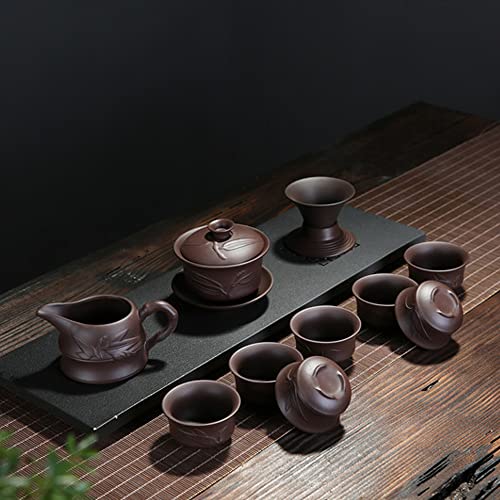
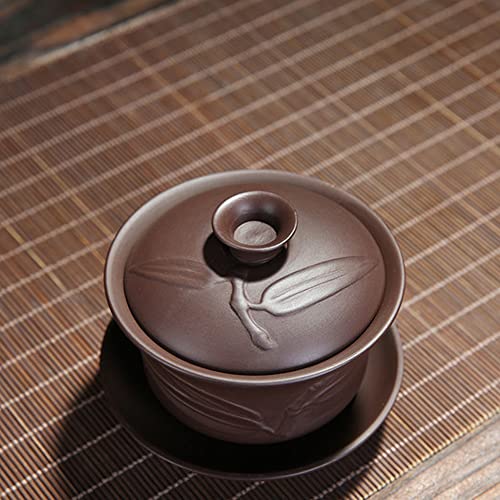
An authentic Yixing zisha clay gaiwan with a textured grip, flared rim, and cool-touch handle — built for gongfu brewing with a generous 170ml capacity.
🎯 Best for: Gongfu brewing method, Single tea type dedication (clay absorbs flavor)

✅ What Customers Love
- Easy, consistent pour (2 mentions)
- Good heat management - handle stays cool (2 mentions)
- Ergonomic design - textured grip, flared rim (2 mentions)
🎯 Best For
Gongfu brewing method • Single tea type dedication (clay absorbs flavor) • Daily tea ritual • Low-temperature teas (white, green) if unit is not defective
Brand: Woonsoon
Category: Gaiwan
As an Amazon Associate we earn from qualifying purchases.
About This Product
Made from genuine Yixing zisha clay, this gaiwan develops a seasoned patina over time, subtly influencing the character of repeated brews. The flared rim rests naturally on the fingers, and reviewers consistently note the handle stays cool enough to hold comfortably through a session. At 170ml, it offers more headroom than typical gaiwans, accommodating generous leaf quantities or longer infusions. Durability is the known tradeoff — the clay is susceptible to cracking under thermal shock, and some units arrive compromised. Best suited to dedicated gongfu drinkers who commit a single tea type to the vessel and handle it with care.
Is Woonsoon Yixing Zisha Gaiwan 170ml Right for You?
Is this Woonsoon gaiwan made from real Yixing clay?
The gaiwan is marketed as authentic Yixing zisha (purple clay), and at this price point it's worth being realistic about what you're getting. Reviewers describe the attractive purple clay appearance and note that it does seem to develop tea character over time, which is consistent with genuine porous clay. One reviewer specifically calls out that it's authentic Yixing clay at a surprisingly low price. That said, at this budget level it's likely a simpler grade of zisha rather than the premium ore that high-end Yixing teapots use. For the price, it gives you a genuine introduction to how clay gaiwans differ from porcelain ones.
Does this gaiwan crack easily?
This is the most common concern in reviews, and it's worth being upfront about. Several users report cracking — either from thermal shock (pouring boiling water into a cold gaiwan) or what appears to be spontaneous failure after just a few uses. The quality control seems inconsistent: some units work perfectly and users love them, while others have durability issues. To give yourself the best chance, always warm the gaiwan gradually before use — pour warm water first, then move to hot. Avoid extreme temperature swings like going from cold storage to boiling water. If your unit survives the first few weeks of regular use without issues, it's likely fine for the long haul.
Can a beginner use this Woonsoon gaiwan?
Absolutely — this is actually one of the better gaiwans for beginners. At 170ml it's a bit larger than the typical 100-120ml gaiwan, which gives you more room to work with while you're learning the technique. The textured exterior provides a good grip, and the flared rim sits comfortably on your fingers so you're less likely to burn yourself. Multiple users mention the consistent, easy pour, which is exactly what you want when you're still getting the hang of gongfu brewing. The low price point also means you're not risking much while you figure out if gaiwan brewing is for you.
How do you avoid burning your fingers with a gaiwan?
This is one area where the Woonsoon gaiwan actually performs well. Reviewers specifically mention that the handle area stays cool enough to grip comfortably during brewing, and the textured exterior gives you a secure hold. The flared rim also helps — it creates a natural resting spot for your thumb and middle finger that's away from the hottest part. The key technique is to hold the saucer and lid edges rather than the body of the gaiwan. If you're still getting burned, try using slightly cooler water while you develop your technique, or let the gaiwan sit for 5-10 seconds after pouring in the water before you pick it up.
What tea should I dedicate this gaiwan to?
Since Yixing clay is porous and absorbs the flavors of whatever you brew, you'll want to pick one tea type and stick with it. The most traditional and rewarding choices are oolong teas (Tie Guan Yin, Da Hong Pao) or pu-erh — these are the teas that benefit most from the seasoning effect, where each session builds on the last and adds depth. If you prefer lighter teas, a dedicated green tea or white tea gaiwan works beautifully too, and the lower brewing temperatures are gentler on this particular gaiwan. Avoid switching between very different tea types — you don't want pu-erh earthiness showing up in your delicate white tea.
How do you season a new Yixing clay gaiwan?
Before your first brew, you'll want to season this Woonsoon gaiwan to open up the clay's pores and remove any residual kiln dust. Rinse it with warm water first, then fill it with hot (not boiling) water and let it sit for a few minutes. Repeat this a couple of times. Then brew the tea type you plan to dedicate it to, discard the first couple of brews, and you're set. Some enthusiasts do a longer soak overnight with brewed tea. Going forward, never use soap — just rinse with hot water after each session. Over time, you'll notice the clay develops a subtle sheen and the tea's flavor profile deepens. That seasoning is the whole point of Yixing clay.
As an Amazon Associate we earn from qualifying purchases.
Can you use this gaiwan for multiple types of tea?
You can, but you probably shouldn't. Yixing zisha clay is unglazed and porous, which means it absorbs the oils and flavors from whatever tea you brew. Over time, this builds up a seasoning that enhances that specific tea's flavor — it's one of the best things about Yixing clay. But if you switch between, say, a smoky Lapsang Souchong and a delicate white tea, those flavors will cross-contaminate. If you want a gaiwan for multiple tea types, a glazed porcelain gaiwan is a better choice. Use this Woonsoon gaiwan for the one tea you drink most and let it become uniquely yours over time.
How do you clean a Yixing clay gaiwan?
Keep it simple: rinse with hot water after every use, and never use soap or detergent. The porous clay absorbs everything, so dish soap would end up flavoring your tea — not what you want. After rinsing, leave the lid off and let it air dry completely. The easy-to-clean bowl shape of this Woonsoon gaiwan makes this process quick. If you notice any tea stain buildup on the inside, that's actually a good thing — it's the seasoning developing. Just make sure there's no old wet leaves sitting in it for hours, as that can develop mold in the pores of the clay.
What is the difference between a Yixing clay gaiwan and a porcelain gaiwan?
The biggest difference is what happens to your tea over time. This Woonsoon Yixing clay gaiwan is unglazed and porous — it absorbs tea flavors and develops a patina that subtly enhances your brew with each session. Porcelain is non-porous and neutral, so it won't change your tea's flavor at all. Porcelain is better for tasting teas objectively or switching between types. Yixing clay is better for building a deeper relationship with one specific tea. Practically speaking, porcelain tends to be more durable and forgiving of temperature swings, while Yixing clay requires a bit more care — as some reviewers of this gaiwan have learned with thermal shock cracking.
Is 170ml too big for a gaiwan?
It depends on how you plan to use it. Traditional gongfu gaiwans are typically 100-130ml, so at 170ml this Woonsoon gaiwan is on the generous side. For a solo gongfu session, it means each infusion produces a bit more tea than typical — fine if you're drinking from a larger cup, but possibly too much if you're filling tiny tasting cups. For beginners, the extra room is actually helpful — it's more forgiving with leaf amounts and gives you more space to manage the pour. If you're brewing for two people, 170ml is close to ideal. Experienced gongfu practitioners who want precision might prefer something in the 100-120ml range.
How do I choose the right gaiwan for tea?
The main things to consider are material, size, and what teas you plan to brew. This Woonsoon gaiwan is made from Yixing zisha (purple) clay, which is unglazed and porous — it absorbs the flavor of whatever tea you brew in it over time. That's a beautiful feature if you dedicate it to one type of tea, but a drawback if you like to switch between oolongs, greens, and blacks. For versatility, porcelain or glazed gaiwans are better. At 170ml, this one is on the larger side, which is forgiving for beginners but might brew more tea than one person needs per session. If you're just starting out and want to experience authentic Yixing clay without a big investment, this is a solid entry point.
What is the proper etiquette for using a gaiwan?
The traditional way to use a gaiwan is to hold it by the saucer with one hand and use the lid to gently push back the tea leaves while you pour or sip. In gongfu-style brewing — which this Woonsoon gaiwan is designed for — you'll steep tea in short intervals (often 10-30 seconds) and pour into a fairness pitcher or directly into small cups. The lid is tilted slightly to create a gap for the liquid while keeping leaves in the bowl. With this particular gaiwan, the flared rim and textured clay surface make the grip quite natural, so the traditional hold feels comfortable even if you're new to it.
As an Amazon Associate we earn from qualifying purchases.
What are the benefits of using a gaiwan over a teapot?
A gaiwan gives you much more control over your brew. You can easily adjust steep times, see and smell the leaves directly, and pour off the liquor completely so it doesn't over-steep. This Woonsoon gaiwan specifically adds the benefit of Yixing clay, which seasons over time — meaning your 50th brew will taste subtly richer than your first as the clay absorbs and contributes tea character. The open bowl shape also makes it easy to clean between sessions. Compared to a teapot, you get a more hands-on, ritualistic experience. The tradeoff is that it requires a bit more technique, but users say this particular gaiwan's ergonomic design makes it approachable.
How do you brew green tea in a gaiwan?
Green tea is actually a great match for gaiwan brewing, and this Woonsoon clay gaiwan can work well for it — with some caveats. Use water around 160-175°F (70-80°C), never boiling, and steep for just 10-15 seconds on the first infusion. The lower temperature is actually a plus here, since reviewers have noted this gaiwan handles lower-temperature teas well and the cooler water reduces any risk of thermal shock. However, if you plan to brew green tea regularly, be aware that the unglazed Yixing clay will absorb green tea's delicate flavors over time. That's great if green tea is your main brew — the gaiwan will become 'seasoned' to enhance it — but it means you shouldn't switch to pu-erh or heavy oolongs later.
How do you properly use a gaiwan to brew tea?
With this Woonsoon Yixing gaiwan, the process is straightforward. First, warm the gaiwan by pouring hot water in and discarding it — this is especially important with clay to bring it to temperature gradually and avoid thermal shock. Add your tea leaves (roughly 5-7 grams for this 170ml size), pour in hot water, and steep for a short time — usually 10-20 seconds for the first infusion, adding a few seconds each round. Tilt the lid to create a small gap, then pour the tea out in one smooth motion. Users consistently note this gaiwan gives a clean, consistent pour, which makes the whole process easier. One important tip: don't go straight from cold to boiling water, as reviewers have reported cracking from sudden temperature changes.
How do you drink tea from a gaiwan?
There are two traditional approaches. In gongfu style — which this Woonsoon gaiwan is built for — you brew short, concentrated infusions and pour the tea into small cups or a fairness pitcher before drinking. You never drink directly from the gaiwan in this method. The other approach, more common in casual Chinese tea culture, is to drink directly from the gaiwan by tilting the lid to hold back the leaves and sipping from the gap. This gaiwan's flared rim makes both methods comfortable. Just be mindful that Yixing clay retains heat well, so give it a moment before handling if you've used very hot water.
How are you supposed to drink oolong tea?
Oolong tea really shines with gongfu-style brewing, which is exactly what this Woonsoon gaiwan is designed for. The method uses a higher leaf-to-water ratio and multiple short steeps, which lets you experience how the flavor evolves across infusions — from bright and floral to deep and roasted. With this 170ml gaiwan, use about 7-8 grams of oolong and start with 15-second steeps, gradually increasing. The Yixing clay is a classic pairing with oolong because the porous surface absorbs and enhances the tea's complex notes over time. Just dedicate this gaiwan to oolong and don't mix tea types.
How long do you steep Tie Guan Yin tea?
Tie Guan Yin is one of the classic teas for gongfu brewing in a gaiwan like this one. Use water just off the boil (around 195-205°F), rinse the leaves once with a quick pour-and-discard, then steep the first infusion for about 15-20 seconds. Each subsequent infusion, add 5-10 seconds. A good Tie Guan Yin can give you 5-7 infusions this way. With this 170ml Woonsoon gaiwan, use about 6-8 grams of leaf. The Yixing clay is a particularly nice pairing with Tie Guan Yin since the clay will develop that floral oolong character over repeated sessions.
What Customers Love
⚠️ Limited sample based on limited customer feedback (11 reviews) • Our methodology
- Easy, consistent pour (2 mentions)
- Good heat management - handle stays cool (2 mentions)
- Ergonomic design - textured grip, flared rim (2 mentions)
- Attractive purple clay appearance (2 mentions)
- Authentic Yixing clay at low price (1 mentions)
- Good capacity (170ml) (1 mentions)
- Easy to clean bowl shape (1 mentions)
Best Use Cases
🎯 Best For
- Gongfu brewing method
- Single tea type dedication (clay absorbs flavor)
- Daily tea ritual
- Low-temperature teas (white, green) if unit is not defective
⚠️ Not Ideal For
- Thermal shock situations (boiling to cold water)
- Multiple tea types (clay absorbs and transfers flavor)
- Users needing guaranteed durability
What to Consider
- Cracks easily - thermal shock or spontaneous failure (4 mentions)
- Arrived with cracks/damage (2 mentions)
- Quality control issues - inconsistent durability (4 mentions)
⚠️ Important: This analysis is based on limited customer feedback (11 reviews). We've shared what we found, but there may be additional considerations we haven't captured.
About This Analysis
This analysis is based on 11 customer reviews. We're showing you everything we found, but with a small sample, there's a lot we likely haven't captured yet.
✅ What we're confident about: What customers love and best use cases
⚠️ What may be incomplete: Potential issues and considerations
For more perspectives, check customer reviews on Amazon.
Product Selection
In short: We only feature high-rated products.
Products on TeaDelight.net are selected based on strong Amazon customer ratings, sufficient review volume, and market presence. We focus on well-regarded products that tea enthusiasts are actively considering and purchasing.
As an Amazon Associate we earn from qualifying purchases.
You Might Also Like

✅ Good size/capacity (200ml)
Liang Baobao Traditional Gaiwan Tea Set

✅ Beautiful aesthetic design with dragon decoration
vv8oo Dragon Sancai Gaiwan Tea Set

✅ Easy to hold and use, lightweight design
Liang baobao Porcelain Gaiwan 5oz Green

✅ Large capacity - holds enough for multiple cups or generous servings