


We analyze real customer reviews to surface what matters: key strengths, ideal use cases, and honest considerations — so you can make an informed choice.
Liang Baobao Traditional Gaiwan Tea Set
A thin-porcelain gaiwan with elegant hand-painted decoration and a generous 200ml capacity — sized for unhurried solo brewing sessions with specialty Chinese teas.
🎯 Best for: Chinese specialty teas (pu-erh, oolong, ti kuan yin), Loose leaf tea brewing

✅ What Customers Love
- Good size/capacity (200ml) (8 mentions)
- Elegant/pretty design and decoration (7 mentions)
- Functional for brewing tea (6 mentions)
🎯 Best For
Chinese specialty teas (pu-erh, oolong, ti kuan yin) • Loose leaf tea brewing • Flower teas (chrysanthemum, rose) • Solo tea drinking (larger capacity)
Brand: Liang baobao
Category: Gaiwan
As an Amazon Associate we earn from qualifying purchases.
About This Product
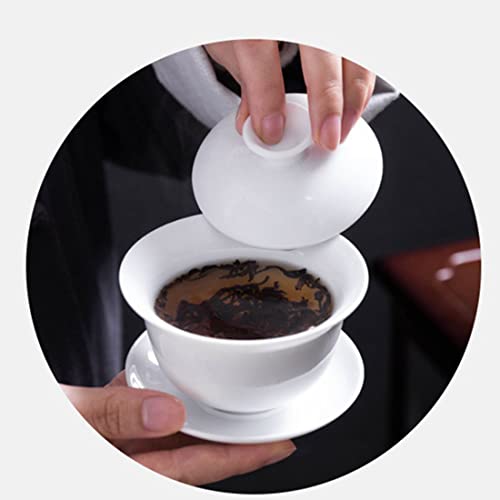
This gaiwan's thin porcelain walls heat quickly and pour cleanly, with reviewers noting leaves stay in the cup naturally without requiring advanced technique. The classic three-piece set — cup, lid, and saucer — suits pu-erh, oolong, and flower teas, and the saucer does real work protecting surfaces from condensation and heat. At 200ml, it runs considerably larger than traditional gaiwans, making it better suited to personal brewing sessions than tight-pour gongfu ceremony. The lid sits with a slight gap rather than a flush seal, which is worth noting for teas where precise leaf control matters. A strong match for beginners curious about gaiwan ritual and solo enthusiasts who prefer a more relaxed, full-cup format.
Is Liang Baobao Traditional Gaiwan Tea Set Right for You?
Does the lid on this gaiwan seal properly?
This is the most common concern reviewers mention — the lid doesn't sit perfectly flush on the cup, leaving a small gap. For casual brewing and drinking directly from the gaiwan, this isn't a big issue since you're just using the lid to hold back leaves. But if you're doing precise gongfu-style pours where you need tight leaf control, the gap can let smaller leaves slip through. It's worth knowing about upfront, though most users find it doesn't significantly affect their brewing experience.
How do you choose a gaiwan for tea?
The main things to consider are size, material, and lid fit. This Liang baobao gaiwan is 200ml, which is on the larger side — great if you want a full personal cup or you're a beginner, but larger than what experienced gongfu practitioners typically use (75-150ml). It's made of thin white porcelain, which is ideal because it doesn't absorb flavors between sessions and lets you see the tea color clearly. One thing to be aware of: some users report the lid doesn't seal perfectly flush, which can matter if you need precise leaf control. For a first gaiwan at this price point, though, it's a solid choice.
Is this gaiwan too big for traditional Chinese tea ceremony?
It depends on what you mean by 'traditional.' At 200ml, this is noticeably larger than the 75-150ml gaiwans typically used in gongfu tea ceremony, and some reviewers specifically call out the size difference. For formal gongfu brewing with multiple tiny pours, yes, it's oversized. But for personal daily brewing — especially if you prefer a full cup of tea rather than several tiny servings — the larger size is actually a plus. Several users see it as a benefit, not a drawback. Think of it as a casual daily gaiwan rather than a ceremony piece.
Who is this Liang baobao gaiwan best for?
This gaiwan hits a sweet spot for two groups. Beginners get an affordable, forgiving introduction to gaiwan brewing — the larger size is easier to handle than tiny traditional gaiwans, and the price means you're not risking much. Tea enthusiasts who want a simple, no-fuss daily brewer for Chinese teas also appreciate the thin porcelain and classic design. It's less ideal for experienced gongfu practitioners who want a small, tight-sealing gaiwan for precise multi-steep sessions — the 200ml size and imperfect lid seal work against that use case.
What are the benefits of using a gaiwan?
A gaiwan gives you direct control over your brewing — you can easily adjust steeping time, see the tea color, and smell the aroma by lifting the lid. This Liang baobao gaiwan specifically retains heat well with its lid during steeping, the saucer protects your table from spills and condensation, and it's lightweight even when full. Reviewers appreciate how it enhances the tea ritual and makes loose leaf brewing more enjoyable. The thin porcelain also means it won't hold onto flavors from previous teas the way clay teapots do, so you can brew different teas in the same vessel.
Is the Liang baobao gaiwan porcelain durable or fragile?
It's thin porcelain, so it does require some care — you wouldn't want to toss it in a dishwasher or knock it around. Handwashing is recommended. That said, reviewers describe it as 'delicate but not too fragile,' and the thinness is actually a quality marker in porcelain gaiwans, not a defect. A few users have reported cracks developing over time, so handle it gently and avoid sudden temperature shocks (like pouring boiling water into a cold gaiwan — warm it first). For the price point, the porcelain quality is considered good.
As an Amazon Associate we earn from qualifying purchases.
How do you drink tea directly from a gaiwan?
You can absolutely drink straight from this gaiwan — in fact, some reviewers use it exactly that way, treating it like a regular tea mug with a built-in strainer. Just tilt the lid slightly to create a gap that holds back the leaves and sip from the edge of the cup. The saucer doubles as a coaster. At 200ml, this Liang baobao gaiwan is actually well-suited for drinking directly since it holds a full personal serving. Some users even use it for coffee, which isn't traditional but works perfectly fine.
Can you use this gaiwan as a regular tea cup?
Yes — and some reviewers do exactly that. The 200ml capacity is close to a standard mug size, the lid keeps your tea warm, and the saucer works as a built-in coaster. Several users mention using it as their everyday tea or even coffee cup rather than for traditional gaiwan brewing. It's not the intended use, but the larger-than-traditional size makes it surprisingly practical as a lidded drinking cup. You lose the multi-steep gongfu experience, but gain a charming daily-use tea vessel.
What teas work best in this Liang baobao gaiwan?
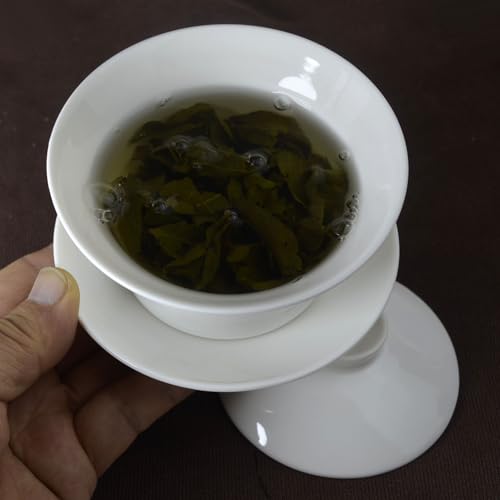
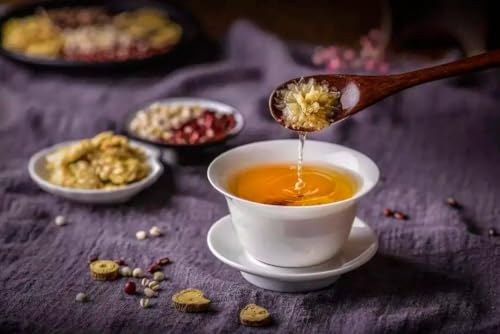
Reviewers specifically mention brewing Chinese specialty teas like pu-erh, oolong, and Tie Guan Yin in this gaiwan, and it works beautifully for those. Flower teas like chrysanthemum and rose are also popular choices since the white porcelain lets you see the blooms unfurl. Loose leaf tea in general brews well — the lid keeps heat in during steeping and the pour is clean enough to keep most leaves in the cup. Because the white porcelain doesn't absorb flavors, you can switch between tea types freely without carryover.
Does this gaiwan keep tea hot?
The lid does a good job retaining heat while your tea steeps — reviewers specifically mention this as a positive. Porcelain doesn't insulate as well as double-walled glass or a thermos, so your tea will cool over time, but that's normal and actually desirable for gaiwan brewing where you're doing shorter steeps. The thin porcelain walls also mean the gaiwan itself heats up quickly when you add hot water, so it doesn't steal as much heat from your tea during the initial pour.
How do you use this gaiwan tea set?
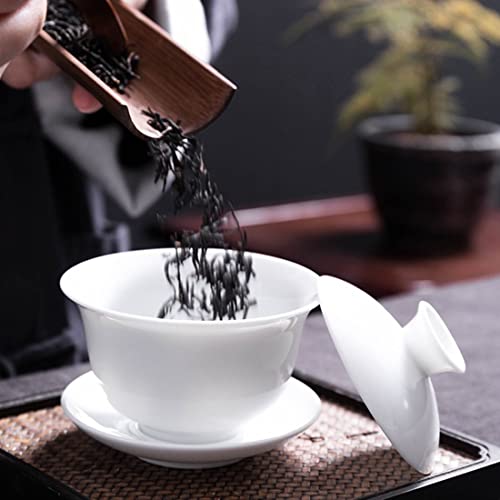
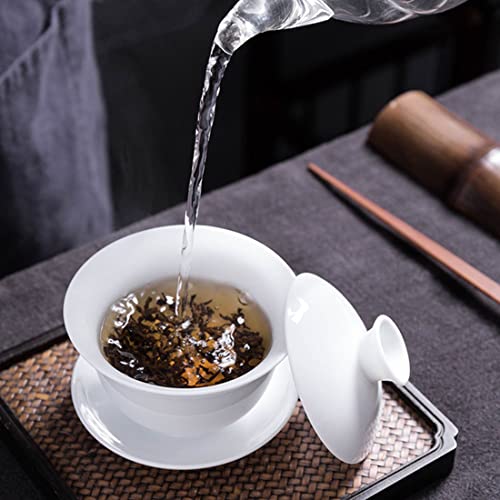
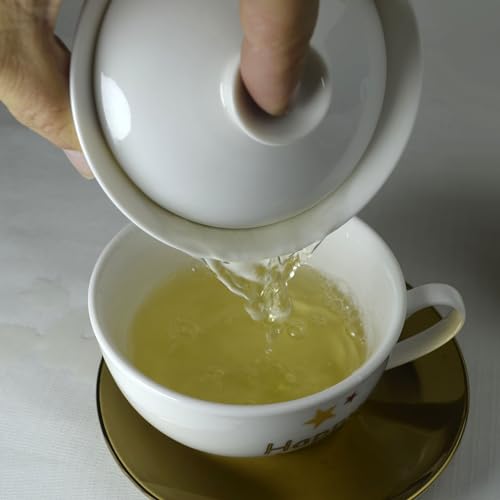
Using this Liang baobao gaiwan is straightforward: add your loose leaf tea to the cup, pour hot water over the leaves, place the lid on to steep (it helps retain heat and flavor), then tilt the lid slightly to create a small gap and pour the tea into your drinking cup while the lid holds the leaves back. The saucer catches any drips and protects your table. Because this is a 200ml gaiwan, you can brew a full personal serving in one go rather than doing multiple tiny pours like with smaller traditional gaiwans.
How do you make tea in this gaiwan step by step?
Here's the simple process: First, warm the gaiwan by swirling a bit of hot water in it and discarding it. Add your loose leaf tea — about 3-5 grams for lighter teas, 5-8 grams for oolongs and pu-erh. Pour hot water over the leaves (temperature depends on tea type). Place the lid on to steep — this Liang baobao lid helps retain heat nicely during this step. When ready, tilt the lid to create a small opening and pour into your cup, or drink directly from the gaiwan using the lid to hold back leaves. The saucer catches any drips. Repeat for multiple infusions.
As an Amazon Associate we earn from qualifying purchases.
What does gaiwan mean?
Gaiwan literally translates to 'lidded bowl' in Chinese — 'gai' means lid and 'wan' means bowl. It's a traditional Chinese tea brewing vessel made of three parts: the cup, the lid, and the saucer. This Liang baobao set includes all three pieces in classic white porcelain, staying true to the traditional design that's been used in Chinese tea culture for centuries.
How are you supposed to drink oolong tea from this gaiwan?
Oolong is one of the teas this gaiwan works particularly well for. Add about 5-7 grams of oolong leaves, rinse them with a quick pour of hot water (discard that first rinse), then brew with water around 190-205°F. With oolong in a gaiwan, you typically do multiple short steeps — starting at 15-20 seconds and adding time with each infusion. The lid helps you push leaves aside while pouring into a separate cup. This 200ml size means you'll get a generous pour each time, which is less traditional but convenient if you prefer a full cup rather than tiny sips.
How do you brew green tea in a gaiwan?
Green tea in a gaiwan needs gentler treatment than oolongs or pu-erh. Use cooler water — around 170-180°F — and shorter steep times of 30-60 seconds to avoid bitterness. Add about 3-4 grams of green tea leaves. The white porcelain of this Liang baobao gaiwan is actually perfect for green tea because you can clearly see the pale green liquor color, which helps you judge when it's ready. Just be careful with the lid — don't leave it on too long or the trapped heat can over-extract delicate green teas.
How long do you steep Tie Guan Yin tea in a gaiwan?
For Tie Guan Yin (a classic oolong that reviewers specifically mention brewing in this gaiwan), start with a quick rinse, then steep for about 15-20 seconds on the first infusion. Add 5-10 seconds for each subsequent steep — a good Tie Guan Yin can give you 5-7 infusions. Use water around 195-205°F. This 200ml Liang baobao gaiwan is larger than what's typical for gongfu-style Tie Guan Yin, so you might use a bit more leaf (7-8 grams) to keep the tea-to-water ratio flavorful.
What is the etiquette for using a gaiwan?
Traditional gaiwan etiquette involves holding it by the saucer with one hand while using the lid to gently push back any floating leaves before sipping or pouring. You never grab the cup by the rim (it's hot!). When someone serves you tea from a gaiwan, tapping two fingers on the table is a common way to say thank you. This Liang baobao gaiwan follows the classic three-piece design — cup, lid, and saucer — so it works naturally with traditional Chinese tea etiquette. Its thin porcelain gives it that elegant feel that's part of the ritual experience.
What Makes This Product Special
⚠️ Preliminary analysis based on 20-review sample • Our methodology
- Good size/capacity (200ml) (8 mentions)
- Elegant/pretty design and decoration (7 mentions)
- Functional for brewing tea (6 mentions)
- Thin porcelain, delicate but not too fragile (3 mentions)
- Affordable price point (3 mentions)
- Easy to pour without leaf escape (2 mentions)
- Well packaged for shipping (2 mentions)
- Lid retains heat and flavor (2 mentions)
- Saucer prevents spills/drips on surfaces (1 mentions)
Best Use Cases
🎯 Best For
- Chinese specialty teas (pu-erh, oolong, ti kuan yin)
- Loose leaf tea brewing
- Flower teas (chrysanthemum, rose)
- Solo tea drinking (larger capacity)
- Ritualistic tea preparation
⚠️ Not Ideal For
- Traditional small-serving gaiwan ceremony (too large at 200ml vs typical 75-150ml)
- Users requiring perfect lid seal for leaf control
- Dishwasher use (handwash recommended)
What to Consider
- Lid does not seal properly, has gap (4 mentions)
- Fragile, risk of cracks developing (1 mentions)
- Shipping damage issues reported (3 mentions)
- Larger than traditional gaiwan sizes (2 mentions)
⚠️ based on 20-review sample. Some issues may not be captured.
About This Analysis
This analysis is based on 20 customer reviews. We're showing you everything we found, but with a moderate sample, there's a lot we likely haven't captured yet.
✅ What we're confident about: What customers love and best use cases
⚠️ What may be incomplete: Potential issues and considerations
For more perspectives, check customer reviews on Amazon.
Product Selection
In short: We only feature high-rated products.
Products on TeaDelight.net are selected based on strong Amazon customer ratings, sufficient review volume, and market presence. We focus on well-regarded products that tea enthusiasts are actively considering and purchasing.
As an Amazon Associate we earn from qualifying purchases.
You Might Also Like

✅ Beautiful aesthetic design with dragon decoration
vv8oo Dragon Sancai Gaiwan Tea Set

✅ Easy to hold and use, lightweight design
Liang baobao Porcelain Gaiwan 5oz Green

✅ Large capacity - holds enough for multiple cups or generous servings
YXHUPOT White Porcelain Gaiwan with Beauty Pattern

✅ Perfect 8 oz size