




We analyze real customer reviews to surface what matters: key strengths, ideal use cases, and honest considerations — so you can make an informed choice.
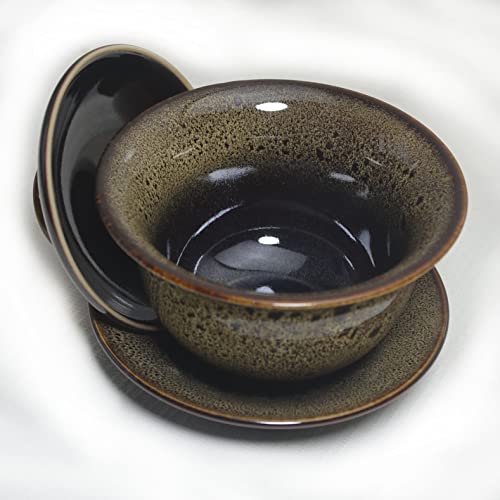
Liang Baobao Porcelain Gaiwan Tea Cup Set
A three-piece porcelain gaiwan built for gongfu sessions, with thick walls that hold heat and a precisely fitted lid that makes straining clean and controlled.
🎯 Best for: Gongfu cha (Chinese tea ceremony), Fine green tea preparation

✅ What Customers Love
- Beautiful appearance and glaze quality (8 mentions)
- Well-packaged for delivery (3 mentions)
- Good heat retention (thick walls) (3 mentions)
🎯 Best For
Gongfu cha (Chinese tea ceremony) • Fine green tea preparation • Solo tea drinking sessions • Display as decorative tea ware
Brand: Liang baobao
Category: Gaiwan
As an Amazon Associate we earn from qualifying purchases.
About This Product
The thick porcelain walls retain heat consistently through multiple infusions, making it well-suited to the short, frequent steeps of gongfu cha. The lid fits precisely — reviewers find it reliable for one-handed straining without drips. At roughly 135ml of actual capacity, it runs smaller than the listed spec, which suits single-session brewing but limits larger pours. The glazed finish rinses clean between steeps and won't retain flavors the way clay gaiwans do. Ideal for solo gongfu practice, fine green teas, and beginners learning the single-hand pour technique.
Is Liang Baobao Porcelain Gaiwan Tea Cup Set Right for You?
What is the actual capacity of this Liang baobao gaiwan?
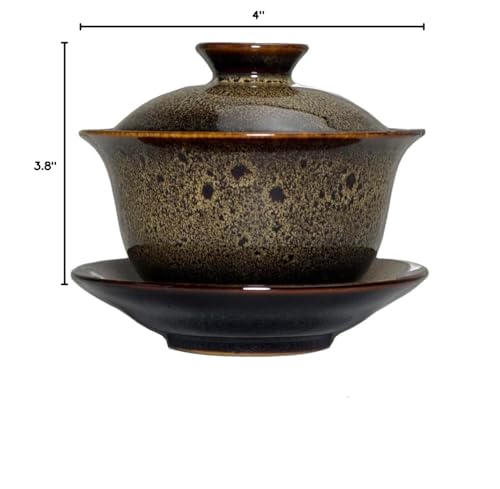
The listing says 5.6oz (about 165ml), but multiple reviewers measured the actual usable capacity at closer to 4.5oz (roughly 135ml) — that's about 25-30% less than advertised. For gongfu brewing, 135ml is still a perfectly functional size and actually quite standard. But if you're expecting to fill it to the brim with 5.6oz of water, you'll be disappointed. Worth knowing before you buy, especially if you're planning larger individual servings.
Is this gaiwan good for gongfu cha?
This is exactly what it's designed for, and reviewers confirm it works impeccably for gongfu tea sessions. The standout feature for gongfu brewing is the lid fit — experienced users specifically praise it for precise, clean straining with no leaf bits escaping. The thick porcelain provides consistent temperature control across multiple short infusions, and the three-piece sancai design (cup, lid, saucer) gives you everything you need for traditional gongfu technique. The ~135ml actual capacity is right in the sweet spot for gongfu brewing.
Does this gaiwan get too hot to hold?
The thick porcelain walls are great for heat retention, but that same thickness means the rim and edges do get warm when filled with hot water. One reviewer specifically noted this. The trick is proper gaiwan technique — you should be holding it by the edges of the saucer and the lid knob, not gripping the cup body. If you're new to gaiwans, it takes a session or two to get comfortable with the grip, but the balanced weight of this one helps. Experienced users won't find this unusual; it's a normal trade-off with thicker porcelain.
What teas work best in this Liang baobao gaiwan?
Since it's porcelain, it's genuinely versatile — it won't absorb flavors, so any tea works. That said, reviewers and the product's design point toward a few standouts: gongfu-style oolong and fine green tea are the classics. The ~135ml capacity and excellent lid fit are ideal for the short, repeated steeps of gongfu brewing. It's also well-suited for white teas, pu-erh, and lighter black teas where you want to appreciate subtle flavor changes across multiple infusions. The one category where a gaiwan this size isn't ideal is large-volume brewing for sharing — it's really designed for solo sessions or serving one person at a time.
How does this gaiwan compare to a yixing clay teapot?
The big difference is material. This Liang baobao is glazed porcelain, which means it won't absorb any tea flavors — you can switch between green tea, oolong, and pu-erh without any taste carryover. Yixing clay absorbs and builds up flavor over time, which some purists love but it means dedicating each pot to one tea type. Porcelain is also much easier to clean, which reviewers specifically appreciate about this gaiwan. On the flip side, yixing enthusiasts argue the clay adds character to the brew. For versatility and low maintenance, this porcelain gaiwan wins. For a deeply personal relationship with one type of tea, yixing has its appeal.
How easy is this gaiwan to clean?
Very easy. The glazed porcelain surface doesn't absorb tea oils or stains the way unglazed clay does, so a simple rinse with hot water after each session is usually all you need. Reviewers confirm it's easy to clean. For any stubborn tannin buildup over time, a gentle scrub with baking soda will restore it. This low-maintenance aspect is one of the practical advantages of porcelain over clay teaware — you spend less time on upkeep and more time actually drinking tea.
As an Amazon Associate we earn from qualifying purchases.
Is this gaiwan good for someone with larger hands?
Yes — at least one reviewer specifically called out that it's a good size for larger hands. The slightly larger-than-minimal size and the sturdy, thick-walled construction give it a substantial feel that doesn't make you worry about crushing a delicate piece of porcelain. The balanced weight also helps with one-handed pouring technique, which is especially important if you have larger fingers that need a bit more room to maneuver the lid and cup simultaneously.
Is this gaiwan a good gift for a tea lover?
Reviewers have noted it makes an excellent gift, partly because of the beautiful color glaze and partly because the brown aesthetic is gender-neutral — it works for anyone. The elegant design fits both contemporary and traditional settings, so it won't look out of place in any home. The full three-piece set (cup, lid, saucer) also feels like a complete, thoughtful gift rather than just a single cup. It's a good option for someone curious about gongfu cha who hasn't taken the plunge yet, or as an addition to an experienced tea drinker's collection.
Can a beginner use this Liang baobao gaiwan?
Absolutely — this is actually one of the better gaiwans for beginners. First-time gaiwan users report success learning the gongfu cha method with it. The thick porcelain walls are more forgiving than thinner options because they retain heat well and give the cup a sturdy, balanced feel in your hand. It's also much easier to clean than clay alternatives like yixing teapots, so there's less fussing around while you're still getting comfortable with the technique. The good weight and balance help with handling, which matters a lot when you're learning to pour one-handed.
What are the benefits of using a gaiwan over a teapot?
A gaiwan gives you much more control over your brew. You can watch the leaves unfurl, adjust steeping time precisely, and pour off quickly for short infusions — which is the heart of gongfu cha. This Liang baobao gaiwan specifically excels at straining thanks to its well-fitted lid, so you get a clean pour every time. Porcelain gaiwans like this one are also far easier to clean than clay teapots, and they don't absorb flavors, so you can use the same gaiwan for any type of tea. The three-piece sancai design (cup, lid, saucer) is versatile — it works for brewing and pouring into separate cups, or for drinking directly.
How are you supposed to drink oolong tea with a gaiwan?
Oolong is arguably what gaiwans were made for. With this Liang baobao gaiwan, use about 5-7 grams of oolong and near-boiling water (195-212°F depending on the oolong). Start with a quick rinse — pour hot water over the leaves, then immediately discard it. Your first real steep should be about 15-20 seconds, then add 5-10 seconds for each subsequent infusion. Good oolongs can give you 6-8 steeps this way, and the flavor evolves beautifully with each round. The thick walls here help maintain consistent temperature between pours, and the precise lid fit keeps the leaves in the gaiwan where they belong.
How do you drink tea from a gaiwan?
There are two main approaches. For gongfu style, you brew in the gaiwan and pour into small tasting cups or a fairness pitcher — the tight lid fit on this Liang baobao makes that pour clean and controlled. But you can also drink directly from the gaiwan itself: hold the saucer in your palm, tilt the lid just slightly to create a small gap, and sip through it. The lid acts as a natural leaf strainer. Owners of this particular gaiwan mention using it for casual sipping during office work and phone calls, so it works well as a personal drinking vessel too — not just for formal tea ceremony.
As an Amazon Associate we earn from qualifying purchases.
How do I choose the right gaiwan for tea?
The main things to consider are material, size, wall thickness, and lid fit. This Liang baobao is porcelain with a color glaze, which means it won't absorb flavors between sessions — you can switch from green tea to oolong without any taste carryover. The 5.6oz advertised capacity is worth a note: actual usable capacity is closer to 4.5oz (about 135ml), which is still a solid size for gongfu brewing. The thicker walls here are a trade-off — they retain heat beautifully and feel sturdy, but the rim does get warmer than thin-walled gaiwans. If you have larger hands, reviewers note this one fits comfortably. For beginners, this forgiving construction is a real plus.
How do I properly use this gaiwan for tea?
Start by warming the gaiwan with hot water — pour some in, swirl it around, then discard. Add your tea leaves (about 5-7 grams for this 5.6oz size), pour hot water over them, and use the lid to strain as you pour into your cup or fairness pitcher. This particular gaiwan has an excellent lid fit that experienced users praise for clean, precise pours with no leaf bits escaping. The thick porcelain retains heat well, so your steeps stay at a consistent temperature. You can also drink directly from it — just slide the lid slightly open and sip through the gap. Some owners even use it casually for sipping tea during office work or phone calls.
How do you brew green tea in a gaiwan?
Green tea is one of the best uses for this Liang baobao gaiwan. Use water around 170-180°F (not boiling — green tea gets bitter with too-hot water). Add about 3-5 grams of leaves, pour gently, and steep for just 15-30 seconds on your first infusion. The well-fitted lid on this gaiwan makes it easy to pour off quickly, which is critical for green tea since over-steeping even by a few seconds can turn it astringent. The thick porcelain walls help maintain a stable temperature throughout the steep. You can typically get 3-5 good infusions from quality green tea leaves, gradually increasing steep time with each round.
What is the proper etiquette for using a gaiwan?
Traditional gaiwan etiquette involves holding the saucer in your palm, using the lid to gently push back the tea leaves, and sipping from the gap between the lid and the cup. This Liang baobao gaiwan comes with the full three-piece sancai design — cup, lid, and saucer — so you have everything you need for proper form. The well-fitted lid is specifically praised by experienced users for precise straining, which is key to the gongfu cha method. One thing to note: the rim can get warm when filled with hot water, so you'll want to hold it by the saucer and lid edges rather than gripping the cup body directly.
How to make tea in this gaiwan step by step?
Here's the full process: First, warm your gaiwan by pouring hot water in, swirling, and discarding. Add 5-7 grams of loose leaf tea. Pour hot water (temperature depends on tea type — 170°F for green, 200°F+ for oolong or pu-erh) over the leaves. For your first steep, wait just 15-30 seconds, then tilt the lid slightly to create a straining gap and pour into your cup or fairness pitcher. The well-fitted lid on this Liang baobao makes that pour smooth and leaf-free. Repeat with increasing steep times — add 5-10 seconds each round. Good tea can give you 5-8 rounds, each one tasting a little different. The thick walls keep the temperature stable between pours, so you don't need to rush.
How long do you steep Tie Guan Yin tea in a gaiwan?
For Tie Guan Yin (Iron Goddess), start with a quick rinse steep that you discard — this 'wakes up' the tightly rolled leaves. Then brew your first infusion for about 20-25 seconds with water just off the boil (around 200°F). Each subsequent steep, add about 10 seconds. A quality Tie Guan Yin can go 7-8 rounds easily. This Liang baobao gaiwan's ~135ml actual capacity is a good size for this — it concentrates the flavor nicely. The heat retention from the thick porcelain walls is a real advantage here since Tie Guan Yin benefits from consistently hot water throughout your session.
What Makes This Product Special
⚠️ Preliminary analysis based on 15-review sample • Our methodology
- Beautiful appearance and glaze quality (8 mentions)
- Well-packaged for delivery (3 mentions)
- Good heat retention (thick walls) (3 mentions)
- Sturdy and well-made construction (3 mentions)
- Excellent lid fit for effective straining (2 mentions)
- Good size for larger hands (1 mentions)
- Easy to clean (1 mentions)
- Versatile aesthetic (works with contemporary and traditional settings) (1 mentions)
Best Use Cases
🎯 Best For
- Gongfu cha (Chinese tea ceremony)
- Fine green tea preparation
- Solo tea drinking sessions
- Display as decorative tea ware
- Learning one-hand gongfu cha method
⚠️ Not Ideal For
- Large capacity brewing (actual capacity ~135ml)
- Users who need thinner walls for cooler rim handling
What to Consider
- Arrives broken or chipped (packaging failure) (4 mentions)
- Actual capacity smaller than advertised (claims 6oz/200ml, holds ~4.5oz/135ml) (2 mentions)
- Edge/rim gets hot when holding water (1 mentions)
- Thick walls can be both advantage and disadvantage (1 mentions)
⚠️ based on 15-review sample. Some issues may not be captured.
About This Analysis
This analysis is based on 15 customer reviews. We're showing you everything we found, but with a moderate sample, there's a lot we likely haven't captured yet.
✅ What we're confident about: What customers love and best use cases
⚠️ What may be incomplete: Potential issues and considerations
For more perspectives, check customer reviews on Amazon.
Product Selection
In short: We only feature high-rated products.
Products on TeaDelight.net are selected based on strong Amazon customer ratings, sufficient review volume, and market presence. We focus on well-regarded products that tea enthusiasts are actively considering and purchasing.
As an Amazon Associate we earn from qualifying purchases.
You Might Also Like

✅ Good size/capacity (200ml)
Liang Baobao Traditional Gaiwan Tea Set

✅ Beautiful aesthetic design with dragon decoration
vv8oo Dragon Sancai Gaiwan Tea Set

✅ Easy to hold and use, lightweight design
Liang baobao Porcelain Gaiwan 5oz Green

✅ Large capacity - holds enough for multiple cups or generous servings