



We analyze real customer reviews to surface what matters: key strengths, ideal use cases, and honest considerations — so you can make an informed choice.
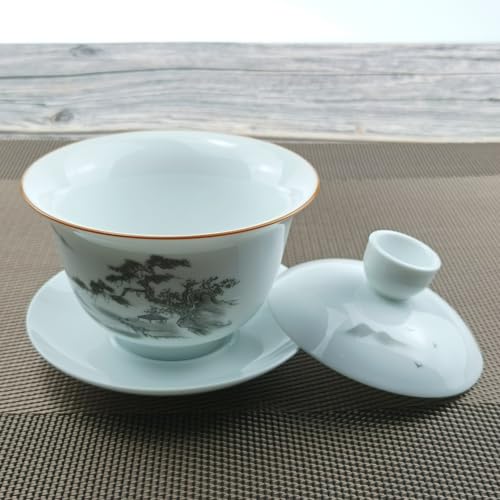
Jingdezhen Porcelain Gaiwan with Scenery Design
A fine Jingdezhen porcelain gaiwan whose flared rim and thermal walls allow safe bare-handed pouring with boiling water — generously sized for two-person gongfu sessions.
🎯 Best for: 2-person tea sessions, Gongfu-style brewing

✅ What Customers Love
- Good thermal insulation / rim design prevents burning (3 mentions)
- Good value for price (3 mentions)
- Pours/strains well (2 mentions)
🎯 Best For
2-person tea sessions • Gongfu-style brewing • Oolong and pu-erh teas • Direct drinking (oversized cup style)
Brand: Woonsoon
Category: Gaiwan
As an Amazon Associate we earn from qualifying purchases.
About This Product
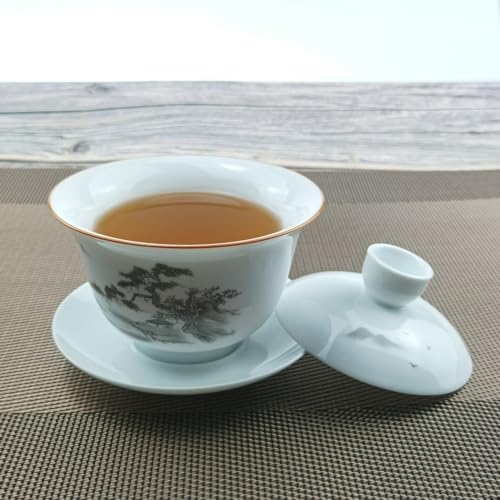
Crafted from slightly translucent Jingdezhen porcelain, this gaiwan lets you watch the tea color develop as it steeps — a quality oolong and pu-erh drinkers will notice. The flared rim is the functional centerpiece: it rests naturally between the fingers during a pour, shielding hands from boiling water without a cloth. Reviewers note it strains loose leaves cleanly across multiple infusions. The hand-painted scenery adds quiet ceremony to the ritual. The porcelain is prone to chipping with light impacts, and the generous capacity suits a two-person session more naturally than a solo pour.
Is Jingdezhen Porcelain Gaiwan with Scenery Design Right for You?
Will this gaiwan burn my fingers?
This is one of the most common concerns with gaiwans, and the Woonsoon addresses it better than many. Multiple reviewers specifically mention the good thermal insulation and the extended, flared rim design that keeps your fingers away from the hot bowl. One reviewer even confirmed you can drink directly from it with boiling water inside without burning yourself. That said, any gaiwan requires a bit of technique — you hold it by the rim and saucer, never the body of the bowl. But this design is about as burn-resistant as gaiwans get.
Is 200ml too big for a gaiwan?
It depends on how you plan to use it. For 2-person gongfu sessions, 200ml is ideal — you get enough tea for two servings per steep. For solo gongfu brewing, it is larger than typical (most traditional gaiwans are 100-150ml), and reviewers note you'll need to fill it only 25-30% to get proper leaf ratios, which can feel a bit awkward. However, the larger size has real advantages for beginners: more room to maneuver the lid, easier grip, and if you want to drink directly from it like a covered cup, 200ml is a comfortable serving size. If this is your first gaiwan, the larger size is actually more forgiving.
Can a beginner use a gaiwan?
Absolutely, and this Woonsoon gaiwan is actually a solid beginner pick for a few specific reasons. The extended, flared rim is the big one — it creates distance between your fingers and the hot water, so you're much less likely to burn yourself while you're still learning the grip. The 200ml size is also more forgiving than smaller gaiwans because there's more room to work with. Reviewers confirm you can even drink directly from it like an oversized teacup while you get comfortable with the pouring technique. At this price point, you're not risking an expensive piece while you learn.
How to choose a gaiwan for tea?
The main factors are size, material, and rim design. This Woonsoon gaiwan hits a sweet spot on several: the Jingdezhen porcelain is a classic material choice that won't absorb flavors between teas, the 200ml capacity works well for 2-person sessions or generous solo cups, and the thermal insulation plus flared rim make it forgiving to handle. Where it may not be ideal: if you have smaller hands, reviewers note it's a tad big to hold comfortably in one hand. For strict solo gongfu sessions, a 100-130ml gaiwan would give you better control over leaf-to-water ratios. But as an all-around starter or second gaiwan, it checks most boxes at a very approachable price.
Is the Woonsoon gaiwan fragile?
It is porcelain, so yes, it requires reasonable care. One reviewer noted it chips easily even from light clinks against other ceramics. This isn't unusual for porcelain teaware — it's the trade-off for the material's benefits (doesn't absorb flavors, excellent heat properties, beautiful translucency). Treat it the way you'd treat any porcelain: hand wash, store where it won't knock against other dishes, and handle with intention. The slightly larger size can increase fumbling risk if you have smaller hands, so be mindful of that during the learning curve.
Is this gaiwan good for someone with small hands?
Honestly, it might be a challenge. At 200ml, reviewers note it's a tad big to hold comfortably in a single hand, and the larger size does increase the risk of fumbling — especially when it's full of hot water. If you have smaller hands, you might want to look at a 130-150ml gaiwan instead. That said, the saucer helps stabilize it and the flared rim gives you more grip area than a straight-sided design would, so it's not impossible. Just worth knowing before you buy.
As an Amazon Associate we earn from qualifying purchases.
Is this Woonsoon gaiwan good for gongfu brewing?
Yes, reviewers confirm it works well for gongfu-style brewing. The lid strains tea leaves effectively, the porcelain has good thermal insulation for maintaining steep temperatures, and the pour is clean. The one caveat for serious gongfu practitioners: at 200ml, it's on the large side. Traditional gongfu gaiwans are typically 100-150ml. For solo sessions, you'd want to use only 25-30% of the capacity to maintain proper leaf-to-water ratios. But for 2-person sessions or if you prefer a more generous steep, the size is actually an advantage.
What makes this gaiwan different from cheaper ceramic gaiwans?
A few things set it apart. First, it's Jingdezhen porcelain — not just generic ceramic — which means finer material that's slightly translucent and holds heat better. Reviewers specifically note the quality of the porcelain and the attractive hand-painted scenery design. Second, the weight balance is right: not too thin and delicate, not too thick and clunky. Third, the flared rim design is a functional choice, not just aesthetic — it genuinely prevents burns during handling. Cheaper gaiwans often have straight rims that conduct heat right to your fingertips.
What teas work best in this gaiwan?
Oolong and pu-erh teas are the sweet spot — they're the traditional gongfu teas and this gaiwan is built for that style of brewing. Reviewers confirm it works well for multi-infusion sessions where you're re-steeping the same leaves multiple times. Green tea also works with adjusted water temperature. White tea and lighter oolongs benefit from the white glazed interior letting you see the delicate liquor color. The porcelain material is neutral, so unlike clay teapots, you can switch between tea types freely without flavor cross-contamination.
Is this gaiwan lead-free and food safe?
One reviewer actually tested this with a lead test strip and confirmed it's lead-free. While we can't guarantee every unit from a single review, Jingdezhen porcelain is traditionally high-fired (above 1,300°C), which vitrifies the material and makes it non-porous and food safe. The white glazing is also a good sign — lead concerns are more common with brightly colored or heavily decorated low-fire ceramics. This gaiwan uses a classic white glaze with hand-painted scenic decoration, which is the traditional Jingdezhen approach.
How to drink tea from a gaiwan?
There are two approaches, and this Woonsoon gaiwan works for both. The traditional method: brew your tea, then pour it through the lid gap into small tasting cups or a fairness pitcher. This is the classic gongfu setup. The casual method: just drink directly from the gaiwan, using the lid to push leaves back as you sip. Reviewers specifically confirm you can drink directly from this one without burning yourself, thanks to the flared rim design. The 200ml size actually makes it feel natural as an oversized teacup. One reviewer even uses it as a small soup bowl — so it's clearly comfortable to drink from directly.
Can you use this gaiwan as a regular teacup?
You absolutely can, and some reviewers do exactly that. The 200ml capacity is a generous cup-sized serving, and the flared rim makes sipping comfortable. You just use the lid to push back the tea leaves as you drink. One creative reviewer even uses it as a side-dish soup bowl. It's one of the underappreciated versatilities of a gaiwan — it's simultaneously a brewer, a strainer, and a drinking vessel all in one. The Sancai (three-piece) design of lid, bowl, and saucer makes it self-contained and neat on a table.
As an Amazon Associate we earn from qualifying purchases.
Does the saucer on this gaiwan look traditional?
This is actually one of the few criticisms from reviewers — one noted the saucer has more of a basic, English aesthetic rather than a traditional Chinese design. The bowl and lid feature the attractive 'Scenery' hand-painting that looks authentically Chinese, but the saucer is more plain. Whether this bothers you depends on your priorities. During actual use, the saucer is mostly hidden under the bowl. And functionally, reviewers don't have complaints about how it works — it's purely an aesthetic observation.
How to properly use a gaiwan?
Here's the basic technique with this Woonsoon gaiwan: Add your tea leaves (about 5-7g for this 200ml size), pour hot water in, and steep for your desired time. To pour, hold the saucer in your palm, tilt the lid slightly to create a gap that strains out leaves, and pour into your cup or fairness pitcher. The flared rim on this model is specifically designed to keep your fingers away from the heat — multiple reviewers call out how it prevents burning even with boiling water. One tip: since this is a 200ml gaiwan, if you're brewing for just yourself, only fill it 25-30% to get proper leaf-to-water ratios for gongfu brewing.
What are the benefits of using a gaiwan?
A gaiwan gives you more control over your tea than any other brewing method — you set the exact steep time, leaf-to-water ratio, and water temperature with no built-in filter dictating the pace. With this Woonsoon gaiwan specifically, reviewers highlight a few practical benefits: the porcelain won't absorb flavors (so you can switch between teas freely), the lid doubles as a strainer that works well for keeping leaves back, and the thermal insulation is solid enough for precise brewing. The white glazed interior also lets you see the true color of your tea, which is genuinely useful for judging steep strength.
How to brew green tea in a gaiwan?
Green tea in a gaiwan needs a gentler approach than oolong or pu-erh. Use cooler water — around 170-180°F rather than boiling — to avoid bitterness. With this 200ml Woonsoon gaiwan, use about 3-5g of leaves. Steep times are short: 20-30 seconds for the first infusion, adding 10 seconds each round. You'll typically get 3-4 good infusions from green tea. The white glazed interior of this gaiwan is actually helpful here because green tea liquor is very pale, and you can see the color clearly against the white porcelain to judge strength. One thing to watch: the larger 200ml size means more water surface area cooling quickly, which is actually an advantage for green tea's lower temperature needs.
What does gaiwan mean?
Gaiwan literally translates to 'lidded bowl' in Chinese — it's a three-piece tea brewing vessel consisting of a lid, bowl, and saucer. This Woonsoon gaiwan follows that traditional design at 200ml (about 7oz), which is on the larger side. You use the lid to hold back tea leaves while pouring or sipping directly from the bowl. It's one of the most versatile brewing methods in Chinese tea culture, especially for oolong and pu-erh teas.
What is Jingdezhen ware?
Jingdezhen is China's most famous porcelain-producing city, often called the 'Porcelain Capital' — it's been making ceramics for over 1,700 years. This Woonsoon gaiwan is made from Jingdezhen porcelain, and reviewers confirm the quality shows: the porcelain is slightly translucent (you can actually see the tea color through it), and the glazing is smooth and well-finished. It's a meaningful step up from mass-produced ceramic teaware.
As an Amazon Associate we earn from qualifying purchases.
What is the etiquette for using a gaiwan?
Traditional gaiwan etiquette involves holding it by the saucer with one hand and using the lid with the other to gently push back tea leaves as you sip or pour. When serving others, you pour into small cups rather than drinking directly. This Woonsoon gaiwan works well for both approaches — reviewers note it pours and strains tea leaves effectively through the lid gap. For a 2-person session, you'd brew in the gaiwan and pour into cups. For solo enjoyment, you can drink right from the bowl, which reviewers say works surprisingly well with this particular model thanks to the flared rim.
What does the 'Sancai' in the product name mean?
Sancai literally means 'three talents' or 'three components' in Chinese — referring to the gaiwan's three-piece design: the lid (representing heaven), the bowl (representing humanity), and the saucer (representing earth). It's a philosophical concept built into the teaware design. This Woonsoon gaiwan follows that traditional structure, giving you the complete set. Practically, the three pieces each serve a function: the lid strains leaves and retains heat, the bowl brews and holds tea, and the saucer protects your hands and table.
What china tea sets are valuable?
In the world of Chinese teaware, Jingdezhen porcelain — like this Woonsoon gaiwan — has been considered among the most prized for centuries. Yixing clay teapots are another highly valued category. What makes teaware valuable is typically the material origin, craftsmanship, and firing technique. This gaiwan is handmade Jingdezhen porcelain with hand-painted decoration, which puts it in the 'accessible authentic' category — genuine traditional craftsmanship at a price point that won't make you afraid to actually use it daily. Collectors' pieces from master artisans can run into thousands, but for functional daily teaware, this hits a sweet spot.
How are you supposed to drink oolong tea?
Oolong is one of the best teas to brew gongfu-style in a gaiwan like this one. The technique is multiple short infusions — start with about 5-7g of oolong in this 200ml gaiwan, use water around 195-205°F, and steep for just 15-30 seconds on the first infusion. Each subsequent steep, add 5-10 seconds. Good oolongs can give you 5-8 infusions this way, with the flavor evolving beautifully each round. Reviewers confirm this Woonsoon gaiwan strains tea leaves effectively, which matters for oolong since you want clean pours between those short steeps. The slightly translucent porcelain is a nice bonus — you can actually watch the liquor color deepen with each infusion.
How long do you steep Tie Guan Yin tea?
In this 200ml Woonsoon gaiwan, you'd use about 7-8g of Tie Guan Yin and start with a quick rinse (pour boiling water in, immediately pour it out). Then your first real steep is just 10-15 seconds. Add about 5 seconds per subsequent infusion — a good Tie Guan Yin will give you 6-8 rounds. Use water right at boiling (212°F). The key is keeping those steeps short, especially early on, and this gaiwan's effective straining means you get clean, quick pours without oversteeping. If you're brewing solo, remember to only fill to about 25-30% capacity to keep the leaf ratio right.
How to make tea in a gaiwan?
Here's a quick gongfu method for this Woonsoon gaiwan: Warm the gaiwan first by swirling hot water in it and discarding. Add your tea leaves (5-8g depending on tea type). Pour hot water in — temperature depends on your tea (212°F for oolong and pu-erh, 175°F for green). Steep briefly — start with 10-30 seconds depending on the tea. Tilt the lid to create a small gap, hold by the rim and saucer, and pour into your cups or pitcher. The straining works well with this gaiwan according to reviewers, so leaves stay put. Repeat for multiple infusions, adding a few seconds each round.
What Customers Love
⚠️ Limited sample based on limited customer feedback (10 reviews) • Our methodology
- Good thermal insulation / rim design prevents burning (3 mentions)
- Good value for price (3 mentions)
- Pours/strains well (2 mentions)
- Good quality porcelain (2 mentions)
- Attractive design/painting (2 mentions)
- Appropriate weight balance (not too thin, not too heavy) (2 mentions)
Best Use Cases
🎯 Best For
- 2-person tea sessions
- Gongfu-style brewing
- Oolong and pu-erh teas
- Direct drinking (oversized cup style)
- Users who want generous serving size
⚠️ Not Ideal For
- Single-person sessions (requires careful water portioning at 25-30% capacity)
- Users with smaller hands (tad big to hold in single hand)
- Careless handling (chips with light clinks)
What to Consider
- Fragile/chips easily despite being porcelain (1 mentions)
- Large/bulky size increases fumbling risk (1 mentions)
- Saucer has basic/English aesthetic rather than traditional Chinese (1 mentions)
⚠️ Important: This analysis is based on limited customer feedback (10 reviews). We've shared what we found, but there may be additional considerations we haven't captured.
About This Analysis
This analysis is based on 10 customer reviews. We're showing you everything we found, but with a small sample, there's a lot we likely haven't captured yet.
✅ What we're confident about: What customers love and best use cases
⚠️ What may be incomplete: Potential issues and considerations
For more perspectives, check customer reviews on Amazon.
Product Selection
In short: We only feature high-rated products.
Products on TeaDelight.net are selected based on strong Amazon customer ratings, sufficient review volume, and market presence. We focus on well-regarded products that tea enthusiasts are actively considering and purchasing.
As an Amazon Associate we earn from qualifying purchases.
You Might Also Like
✅ High-quality porcelain construction
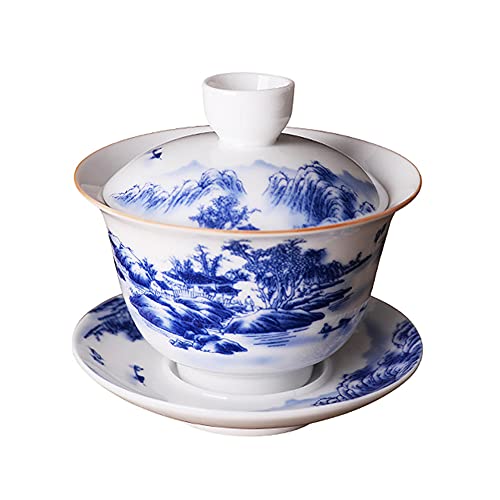
Jingdezhen Handmade Blue and White Porcelain Gaiwan

✅ Beautiful aesthetic design with dragon decoration
vv8oo Dragon Sancai Gaiwan Tea Set

✅ High quality materials and construction
Liang Baobao Porcelain Gaiwan with Auspicious Clouds

✅ Easy to hold and use, lightweight design