




We analyze real customer reviews to surface what matters: key strengths, ideal use cases, and honest considerations — so you can make an informed choice.
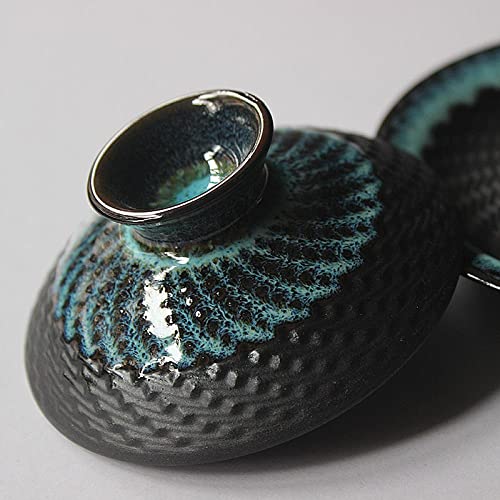
Gaolinci Kiln Glazed Jianzhan Gaiwan
A kiln-fired ceramic gaiwan with distinctive Jianzhan glaze patterns and a 5 oz capacity designed for single-session gongfu cha brewing.
🎯 Best for: Gongfu cha tea ceremony, Brewing gyokuro and other premium teas

✅ What Customers Love
- Beautiful aesthetics and glaze patterns (7 mentions)
- Good quality ceramic material (4 mentions)
- Perfect/good size (5 oz) (3 mentions)
🎯 Best For
Gongfu cha tea ceremony • Brewing gyokuro and other premium teas • Single-person tea sessions (5 oz capacity) • Display/aesthetic tea brewing
Brand: Gaolinci
Category: Gaiwan
As an Amazon Associate we earn from qualifying purchases.
About This Product
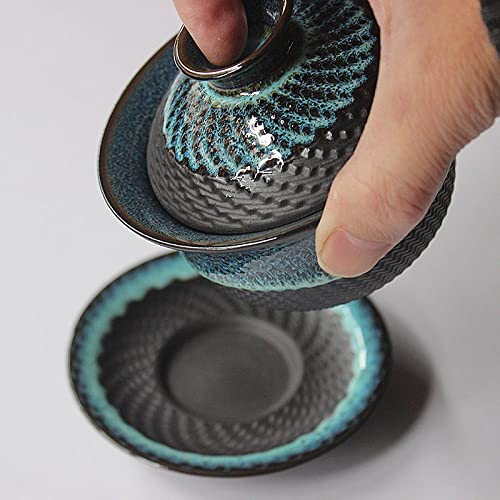
The Jianzhan glaze produces rich, organic surface patterns that make each piece visually individual — a quality reviewers consistently highlight as its standout characteristic. The ceramic walls are thick and substantial, lending the gaiwan a solid feel and steady heat retention through multiple infusions. At 5 oz, it's sized precisely for single-person gongfu cha sessions and handles precision-forward teas like gyokuro with ease. Some users note the lid fit can run slightly uneven, which may frustrate those who depend on a tight seal for controlled pouring. A capable first gaiwan for newcomers to gongfu cha, and a functional daily-use vessel for enthusiasts who value aesthetics alongside brewing performance.
Is Gaolinci Kiln Glazed Jianzhan Gaiwan Right for You?
Can a beginner use this Gaolinci gaiwan?
Absolutely — this is actually a popular choice for first-time gaiwan users. Multiple reviewers bought it as their first gaiwan and were happy with the experience. The 5 oz size is manageable for beginners learning proper pouring technique, and the sancai (three-piece) design with lid, cup, and saucer is the most traditional and intuitive style to start with. The price point is also accessible enough that you won't stress about the learning curve.
Is the Gaolinci gaiwan good quality for the price?
Reviewers consistently say yes. The ceramic material feels thick and substantial, the kiln-glazed Jianzhan finish gets repeated compliments for its visual beauty, and multiple people describe it as a good value. One thing to note: a couple of buyers reported that their lid didn't sit perfectly even, which seems to be a quality control inconsistency rather than a design flaw. For a first gaiwan or an affordable everyday brewer, though, the consensus is that you're getting more than you pay for in terms of aesthetics and material quality.
Is 5 oz the right size for a gaiwan?
For gongfu-style brewing — which is the primary use case — 5 oz (about 150ml) is actually the sweet spot. It's the traditional single-serving size that gives you the right leaf-to-water ratio for concentrated, multi-steep sessions. Reviewers specifically mention the size as a positive, calling it "perfect" and "good." The only scenario where it falls short is if you want to brew a large mug of tea in one go — this is designed for the gongfu approach of many small steeps, not Western-style single-pot brewing.
Does the lid fit properly on this Gaolinci gaiwan?
This is worth mentioning honestly: two reviewers reported that their lid sat slightly crooked or uneven. It appears to be an occasional quality control issue rather than a universal problem — the majority of buyers don't mention it. A well-fitting lid matters for controlling your pour in gongfu brewing, so check yours when it arrives. If the fit is good, you're set for precise brewing; if it's off, it's worth reaching out to the seller.
Who is this Gaolinci gaiwan best for?
It genuinely works for both ends of the spectrum. Beginners love it as a first gaiwan — the price is low-risk, the size is manageable, and multiple first-time buyers were satisfied with their purchase. But experienced tea drinkers use it too — one reviewer calls it their main gongfu cha gaiwan, and another uses it specifically for brewing gyokuro, which requires real precision. Where it's not ideal: if you want to brew large volumes, need a perfectly consistent lid fit, or prefer Western-style steeping. But for anyone exploring or committed to gongfu brewing, it's a strong pick.
What does the Jianzhan kiln glaze look like on this gaiwan?
The Jianzhan-style glaze is the standout feature reviewers mention most. Seven different buyers specifically called out the beautiful aesthetics and glaze patterns — it creates those distinctive, almost iridescent streaks and color variations that traditional Jianzhan ware is known for. Each piece will look slightly different because of how the kiln firing interacts with the glaze, so you're getting something that feels unique. Several reviewers describe it as visually appealing enough for display as well as daily use.
As an Amazon Associate we earn from qualifying purchases.
Can you use this gaiwan for gyokuro?
Yes — and at least one reviewer specifically confirms using it for gyokuro with good results. Gyokuro needs low temperatures (140-160°F) and very short steeps, so the gaiwan's small 5 oz size and neutral ceramic material work in its favor. The thick walls help maintain the lower temperature without cooling too fast. It's a good sign that an experienced gyokuro drinker chose this as their brewing vessel, since that style demands precision.
How durable is this Gaolinci gaiwan?
Reviewers report that it holds up well over time — at least one buyer confirmed using it for months with no issues. The ceramic is described as thick and substantial, which helps with both heat retention and everyday durability. The kiln-glazed finish also appears to maintain its appearance through regular use. Of course, it's still ceramic, so it won't survive a drop onto a hard floor, but for normal daily gongfu sessions it's built to last.
What teas work best in this gaiwan?
Based on what reviewers actually brew in it: oolongs (gongfu cha is mentioned repeatedly), gyokuro, and other premium teas that benefit from multiple short infusions. The neutral ceramic won't absorb or impart flavors, so you can switch between tea types freely. Chinese green teas, white teas, and pu-erh would all work well in this size. The only teas where a gaiwan isn't ideal are large-leaf herbals that need room to expand in a bigger vessel, or CTC-style tea bags that are better off in a mug.
How do I choose the right gaiwan for tea?
The key factors are size, material, and lid fit. This Gaolinci gaiwan checks most boxes: at 5 oz, it's ideal for single-person gongfu sessions — large enough to brew a proper serving but small enough for concentrated steeps. The ceramic material is neutral and won't absorb flavors, so you can use it across different tea types. The one thing to be aware of is that a couple of reviewers mentioned slight lid fit issues, so inspect yours when it arrives. Overall, for the price, it's a solid choice that experienced gongfu practitioners actually use as their daily brewer.
What are the benefits of using a gaiwan over a teapot?
A gaiwan gives you much more control over your brew. You can watch the leaves unfurl, adjust steep times precisely, and pour off quickly to avoid over-extraction — all things that matter for premium teas. This Gaolinci gaiwan's ceramic material is also completely neutral, meaning no flavor carryover between sessions. Reviewers who use it for gongfu cha specifically appreciate the versatility — one person uses it for gyokuro, others for Chinese oolongs and greens. A teapot commits you to one brewing style, but a gaiwan adapts to whatever you're drinking.
How do you brew green tea in a gaiwan?
Green tea in a gaiwan is all about temperature control and short steeps. Use water around 160-175°F (not boiling) and steep for just 15-30 seconds on the first infusion with this Gaolinci gaiwan. The ceramic material holds heat steadily without making it too aggressive for delicate greens. One reviewer specifically mentions using it for gyokuro — one of the most temperature-sensitive green teas — which speaks to how well this gaiwan handles precise brewing. You can get 3-5 good infusions from quality green tea, gradually increasing steep time.
As an Amazon Associate we earn from qualifying purchases.
What is the proper etiquette for using a gaiwan?
With a sancai gaiwan like this Gaolinci, the traditional method is to hold the saucer in your palm, use the lid to gently push back floating tea leaves, and sip from the gap between the lid and cup. In gongfu cha, you'd use the gaiwan to brew and then decant into a fairness pitcher or directly into small cups — the lid controls the pour. This particular gaiwan's thick ceramic walls help keep it from getting too hot to handle, which reviewers appreciate during longer tea sessions.
What is the difference between a Jianzhan gaiwan and a regular ceramic gaiwan?
The main difference is the glaze. Jianzhan ware originated in Fujian province and is known for its distinctive kiln-fired glaze patterns — the kind of iridescent, streaky effects you see on this Gaolinci gaiwan. A plain ceramic gaiwan might be white porcelain or solid-colored. Functionally, both brew tea the same way, but Jianzhan-style pieces are valued for their aesthetics and the way each piece comes out slightly different from the kiln. Reviewers of this gaiwan consistently highlight the glaze as the main draw, which tracks with the Jianzhan tradition.
How are you supposed to drink oolong tea with this gaiwan?
Oolong is arguably what gaiwans were made for. With this 5 oz Gaolinci, use about 5-7 grams of oolong, water at 195-205°F, and start with a quick rinse steep that you discard. Then do short infusions of 15-30 seconds, pouring off completely each time. The beauty of gongfu-style oolong brewing is watching the flavor evolve across 5-8 steeps. This gaiwan's thick ceramic walls maintain temperature nicely between pours, and reviewers confirm it works well for the gongfu cha method that oolong really shines with.
How do you properly use a gaiwan to brew tea?
Here's the basic process with this Gaolinci gaiwan: First, preheat it by pouring hot water in and swirling it around, then discard. Add your tea leaves (about 5-7 grams for this 5 oz size), pour hot water over them, and place the lid on. For most teas, steep 10-30 seconds for the first infusion, then pour by tilting the lid slightly to create a gap and decanting into your cup or pitcher. The thick ceramic walls on this gaiwan help retain heat well for proper extraction. Reviewers confirm it works particularly well for gongfu cha brewing and even precise styles like gyokuro preparation.
How do you drink tea from a gaiwan?
There are two main approaches: drinking directly from the gaiwan or using it as a brewing vessel. For direct sipping, hold the saucer in one hand, use the lid to push back the leaves, and drink through the small gap. For gongfu-style brewing — which is what most reviewers use this Gaolinci for — you brew in the gaiwan and then pour into separate drinking cups. The 5 oz capacity makes it perfect for either method during a solo tea session.
How long do you steep Tie Guan Yin tea in a gaiwan?
In a gaiwan like this Gaolinci, Tie Guan Yin does best with gongfu-style parameters: use about 5-7 grams of leaf, 200°F water, and start with a quick 5-second rinse. Your first drinking steep should be around 15-20 seconds, then add 5-10 seconds to each subsequent infusion. Good Tie Guan Yin can go 6-8 rounds. The 5 oz capacity is actually ideal for this — it's small enough to keep the leaf-to-water ratio concentrated, which is how you pull out those signature floral and creamy notes across multiple steeps.
What Customers Love
⚠️ Limited sample based on limited customer feedback (10 reviews) • Our methodology
- Beautiful aesthetics and glaze patterns (7 mentions)
- Good quality ceramic material (4 mentions)
- Perfect/good size (5 oz) (3 mentions)
- Thick, substantial material (2 mentions)
- Good value for money (1 mentions)
Best Use Cases
🎯 Best For
- Gongfu cha tea ceremony
- Brewing gyokuro and other premium teas
- Single-person tea sessions (5 oz capacity)
- Display/aesthetic tea brewing
⚠️ Not Ideal For
- Large volume brewing
- Users requiring precise lid fit
What to Consider
- Lid fit issues - crooked/uneven (2 mentions)
- Could be thicker (1 mentions)
⚠️ Important: This analysis is based on limited customer feedback (10 reviews). We've shared what we found, but there may be additional considerations we haven't captured.
About This Analysis
This analysis is based on 10 customer reviews. We're showing you everything we found, but with a small sample, there's a lot we likely haven't captured yet.
✅ What we're confident about: What customers love and best use cases
⚠️ What may be incomplete: Potential issues and considerations
For more perspectives, check customer reviews on Amazon.
Product Selection
In short: We only feature high-rated products.
Products on TeaDelight.net are selected based on strong Amazon customer ratings, sufficient review volume, and market presence. We focus on well-regarded products that tea enthusiasts are actively considering and purchasing.
As an Amazon Associate we earn from qualifying purchases.
You Might Also Like

✅ Good size/capacity (200ml)
Liang Baobao Traditional Gaiwan Tea Set

✅ Beautiful aesthetic design with dragon decoration
vv8oo Dragon Sancai Gaiwan Tea Set

✅ High quality materials and construction
Liang Baobao Porcelain Gaiwan with Auspicious Clouds

✅ Easy to hold and use, lightweight design