



We analyze real customer reviews to surface what matters: key strengths, ideal use cases, and honest considerations — so you can make an informed choice.
HOHCNA Jianzhan Tenmoku Tea Cup with Gold Peacock
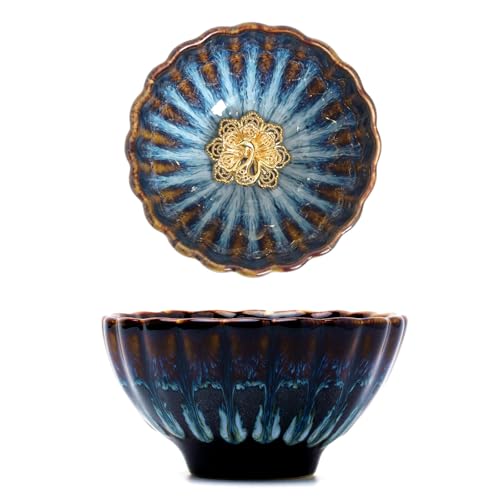
A handcrafted Jianzhan ceramic teacup whose fired iridescent glaze produces a kaleidoscopic depth-illusion effect, with a golden peacock motif revealed inside the bowl.
🎯 Best for: Gift giving (Christmas, special occasions), Delicate green teas at lower temperatures

✅ What Customers Love
- Stunning visual appearance with iridescent colors (8 mentions)
- Excellent craftsmanship and quality (5 mentions)
- Beautiful gift presentation box (4 mentions)
🎯 Best For
Gift giving (Christmas, special occasions) • Delicate green teas at lower temperatures • Display as art piece • Enhancing tea ritual experience
Brand: HOHCNA
Category: Drinkware
As an Amazon Associate we earn from qualifying purchases.
About This Product
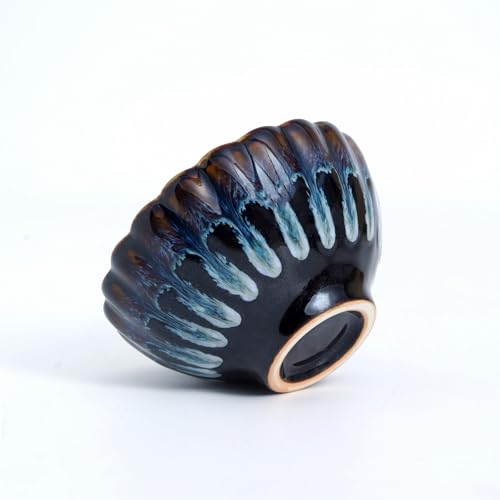
This 4 oz ceramic cup is fired in the traditional Jianzhan Tenmoku style, producing a glaze that shifts and radiates color as it's tilted — reviewers describe a genuine depth-illusion effect that photography can't fully convey. The interior features a hand-applied golden peacock design that emerges through liquid when the cup is in use. It performs best with delicate green teas steeped under 175°F, where the ceramic's thermal character suits low-temperature brewing. The iridescent colors are somewhat more muted in person than product images suggest — worth knowing before gifting. Best suited to collectors of handcrafted ceramics, tea ceremony practitioners, and those seeking a presentation-worthy cup for a special occasion.
Is HOHCNA Jianzhan Tenmoku Tea Cup with Gold Peacock Right for You?
Does the HOHCNA Tenmoku cup really change color with hot tea?
Yes — several reviewers have noted that the cup's appearance shifts when hot tea is added. The iridescent glaze is temperature-sensitive, so pouring warm tea can bring out different color tones than what you see when the cup is empty or cool. It's not a dramatic transformation like a mood ring, but more of a subtle deepening or shifting of the iridescent colors. This is actually a characteristic of quality Jianzhan glazes, where the iron-rich surface interacts with heat. It adds a really nice layer of visual interest to the tea drinking ritual.
What is the golden peacock design inside the cup?
The inside of this cup features a 3D golden peacock design that sits at the bottom. When you pour tea into the cup, the peacock appears to come alive beneath the liquid — the iridescent glaze surrounding it creates a sense of visual depth, almost like looking through a kaleidoscope. Reviewers specifically call out this design element as a highlight, noting how the radiating colors create a depth illusion around the peacock. It's particularly striking when you tilt the cup slightly, as the light catches the iridescent surface at different angles.
Does the cup look like the product photos?
This is worth addressing honestly. A couple of reviewers have noted that the colors in person are slightly less vivid than the product photos suggest. That's partly because Tenmoku glazes are extremely difficult to photograph — they're iridescent and shift with light and angle, so a static photo tends to capture the most dramatic moment. The cup is still genuinely beautiful and the iridescent effects are real, but set your expectations for something a touch more subtle than the listing images. Also, because each cup is handcrafted, the exact glaze pattern on yours will be unique — that's a feature of Jianzhan craftsmanship, not a flaw.
How big is the HOHCNA Tenmoku cup?
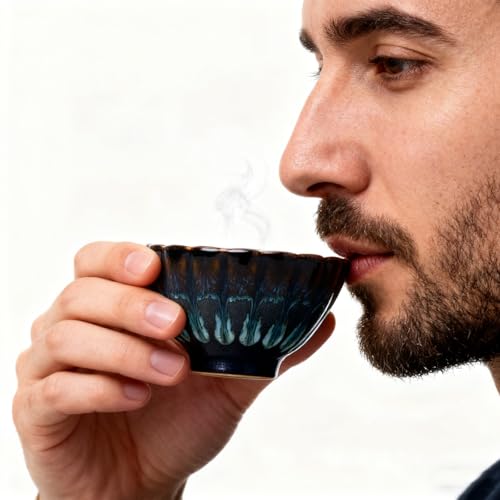
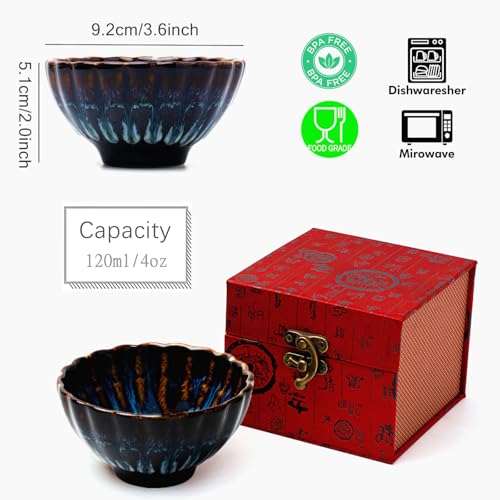
It holds about 4 ounces, which is the traditional size for Chinese kung fu tea cups. That's roughly a quarter of a standard coffee mug. If you're used to drinking from large mugs, this will feel noticeably small — and some reviewers mention the size being smaller than they expected from photos. But the small size is intentional in the kung fu tea tradition: you take small, focused sips to fully appreciate the tea's flavor and aroma. Think of it as a tasting cup, not an everyday coffee mug. It's perfect for a single steeping of high-quality loose leaf tea.
What is the kaleidoscopic effect people mention?
Several reviewers describe a kaleidoscopic or depth illusion effect when looking into or tilting the cup. The iridescent glaze creates radiating colors that shift and change depending on the angle of light and how you hold the cup. When you tilt the cup slightly off-axis, the colors seem to swirl and change — almost like looking into a tiny kaleidoscope. It's one of those things that's hard to capture in a photo but immediately noticeable in person. This effect is especially pronounced when the cup has tea in it and light is hitting the iridescent surface through the liquid.
Is this cup good for a gift?
This is one of the strongest use cases for this cup, and reviewers agree. It comes in a beautiful presentation gift box that multiple buyers specifically praise. The stunning visual appearance makes it the kind of gift that gets a genuine 'wow' reaction when opened. It's been popular as a Christmas gift and for special occasions. The one caveat: a reviewer noted their decorative box arrived with some damage from shipping, so if you're buying it as a gift, you might want to order with a little extra lead time in case you need a replacement box. The cup itself is well-protected inside.
As an Amazon Associate we earn from qualifying purchases.
What to look for when buying drinking glasses?
When shopping for a specialty tea cup like this Jianzhan Tenmoku, here's what matters most: craftsmanship quality (this one scores high with reviewers praising the hand-crafted detail), glaze artistry (look for genuine iridescent effects, not printed patterns), size for your needs (this is a 4 oz cup, perfect for individual kung fu tea servings but smaller than a standard mug), and intended use. One honest thing to keep in mind — product photos for Tenmoku cups often show the most vivid possible colors, and the actual cup may look slightly different. Each handcrafted cup has unique glaze variations, which is part of the charm but means yours won't look identical to the listing photo.
Who is this Tenmoku cup best for?
This cup hits a sweet spot for several types of buyers. It's a standout gift for tea lovers, collectors, or anyone who appreciates handcrafted art — the presentation box makes it ready to give. Tea ceremony enthusiasts will love the traditional Jianzhan craftsmanship and how it enhances the gongfu ritual. Collectors of handcrafted ceramics will appreciate the unique iridescent glaze variations. And honestly, even beginners who just want to make their tea time feel more special will enjoy it — the 4 oz size is simple to use, and the visual wow factor doesn't require any expertise to appreciate. It's less ideal if you just want a big mug for your morning coffee.
What kind of tea is best in a Tenmoku cup?
Reviewers and the enrichment data suggest delicate green teas at lower temperatures (under 175°F) work especially well in this cup. The lighter color of green tea lets the iridescent glaze and golden peacock design show through beautifully. White teas and light oolongs would also be excellent choices for the same reason. Interestingly, some owners report that tea seems to taste better from this cup — likely a psychological enhancement from the beautiful visual experience, but that's part of the magic of a well-crafted tea cup. Darker teas like black tea or pu-erh work fine too, but you'll see less of the interior design through the darker liquid.
Is each HOHCNA Tenmoku cup unique?
Yes, and this is one of the most appealing aspects of Jianzhan craftsmanship. Because the iridescent glaze patterns form naturally during the high-temperature firing process, no two cups come out exactly the same. The swirls, color distributions, and depth effects will vary from cup to cup. Reviewers note the hand-crafted quality, and this uniqueness is precisely what makes authentic Jianzhan pieces collectible. It also means the cup you receive won't be a perfect match to the product photos — it'll be your own one-of-a-kind piece.
Is this a good cup for tea ceremonies?
Absolutely. The 4 oz size is traditional for Chinese gongfu (kung fu) tea ceremonies, where you brew concentrated steepings and sip from small cups. The Jianzhan Tenmoku style has been part of tea ceremony culture for centuries. This cup enhances the ritual experience in a way that a plain cup simply can't — the iridescent colors, the golden peacock revealing itself as you drink, the subtle color shifts with temperature. Multiple reviewers who are tea enthusiasts specifically note how it enhances their tea ceremony ritual and adds complexity to the experience.
Does tea actually taste better in a Tenmoku cup?
Interestingly, some owners say yes — and there's real science behind it. While the porcelain itself doesn't chemically alter the tea, the visual experience of drinking from a beautiful vessel has been shown to enhance perceived taste. It's the same reason wine tastes better from fine crystal than from a plastic cup. When you're admiring the iridescent colors shifting in the glaze and the golden peacock peeking through your tea, you're naturally more present and mindful while drinking. Reviewers specifically mention this psychological enhancement effect. Whether the tea 'actually' tastes better is debatable, but the experience of drinking it certainly feels elevated.
As an Amazon Associate we earn from qualifying purchases.
Can you use this cup for everyday drinking?
You can, but it's designed more as a specialty tea cup than an everyday workhorse mug. At 4 oz, it holds a single small serving — you'd be refilling constantly if you tried to use it like a regular coffee mug. It's porcelain, so it's durable for daily use, but given the handcrafted artistry and the beautiful gift box it comes in, most owners treat it as a special-occasion cup or use it specifically during mindful tea sessions. That said, there's no reason you can't enjoy it daily if you appreciate the ritual of small, intentional sips of quality tea.
Can this cup be used as a display piece?
Absolutely — and many buyers do exactly that. The stunning iridescent colors and the 3D golden peacock design make it a genuine conversation piece. The beautiful gift box it comes in can double as a display stand. Several reviewers purchased it as much for display as for drinking. It works beautifully on a tea shelf, in a curio cabinet, or on a desk. The iridescent glaze catches light in fascinating ways, so placing it near a window or under a light source really shows off the kaleidoscopic effects that reviewers rave about.
Where are Tenmoku tea cups made?
Traditional Tenmoku (also spelled Tenmoku or Tianmu) tea cups originate from China, specifically from the Jian kiln tradition in Fujian province. This HOHCNA Jianzhan cup follows that centuries-old Chinese craftsmanship tradition. The Jianzhan style dates back to the Song Dynasty, where these cups were prized for tea drinking and even exported to Japan, where they became known as 'Tenmoku.' Each cup is hand-crafted, meaning no two are exactly alike — the iridescent glaze patterns form naturally during the firing process.
What makes Jianzhan craftsmanship special?
Jianzhan refers to tea bowls made in the Jian kiln tradition from Fujian, China, dating back to the Song Dynasty (960–1279). What makes them special is the iron-rich glaze that creates unique, unpredictable patterns during firing — no two cups come out the same. The iridescent 'oil spot' and 'hare's fur' patterns happen naturally through the chemistry of the glaze at extreme kiln temperatures. This HOHCNA cup carries that tradition forward, with reviewers consistently praising the excellent craftsmanship and hand-crafted quality. The iridescent colors that shift as you move the cup are a hallmark of genuine Jianzhan work.
What's the difference between Tenmoku and regular ceramic cups?
The key difference is the glaze. Regular ceramic cups use straightforward glazes that produce uniform, predictable colors. Tenmoku cups use an iron-rich glaze fired at extremely high temperatures, which creates the signature iridescent, oil-spot, or hare's fur patterns that shift with light and angle. This HOHCNA cup takes it further with a 3D golden peacock design embedded in the glaze. The result is a cup that's genuinely different every time you look at it — the kaleidoscopic color effects and visual depth simply don't exist in mass-produced ceramic mugs. It's the difference between a printed poster and an original painting.
How do you care for a Jianzhan Tenmoku cup?
Jianzhan porcelain is relatively low-maintenance but deserves a little care to preserve the iridescent glaze. Hand wash with warm water and a soft cloth — avoid abrasive scrubbers that could dull the glaze over time. Skip the dishwasher, as harsh detergents and high heat cycles can affect the iridescent finish. Don't use bleach or strong chemical cleaners. After washing, let it air dry or pat dry with a soft towel. Over time, tea staining can actually enhance the character of a Jianzhan cup — many collectors consider this 'seasoning' part of the cup's beauty. Store it in its gift box when not in use to protect it from chips.
As an Amazon Associate we earn from qualifying purchases.
How to use drinkware for beginners?
If you're new to Chinese tea cups, this HOHCNA Jianzhan cup is actually a great starting point. Simply brew your tea separately (in a teapot, gaiwan, or even a regular mug), then pour it into this 4 oz cup to drink. The small size is perfect for individual servings. For the best visual experience, try pouring lighter-colored teas like green tea or white tea — the pale liquid lets the iridescent colors and golden peacock design really shine through. Keep the water temperature below 175°F for delicate greens, which also happens to be the ideal range to see the cup's temperature-sensitive color changes. After use, just rinse with warm water and let it dry naturally.
What is the most sought after glassware?
In the tea world, Jianzhan Tenmoku cups are among the most collectible and sought-after pieces of drinkware. Authentic handcrafted Tenmoku cups with quality iridescent glazes can command premium prices, and historically, Song Dynasty originals have sold for millions at auction. This HOHCNA cup brings that same Jianzhan tradition into an accessible price range while still offering the signature iridescent colors and handcrafted quality that collectors appreciate. The golden peacock design inside adds an extra layer of artistry that sets it apart from plain Tenmoku cups.
What is the healthiest material for drinkware?
This HOHCNA cup is made from porcelain, which is widely considered one of the healthiest materials for drinkware. Porcelain is non-porous, meaning it won't absorb flavors or harbor bacteria, and it's free from the chemicals found in some plastics. Jianzhan-style porcelain with iron-rich glazes has been used for tea drinking in China for over a thousand years. Unlike glass or stainless steel, porcelain also has natural insulating properties that keep your tea at a comfortable drinking temperature without burning your hands.
What Customers Love
⚠️ Limited sample based on limited customer feedback (12 reviews) • Our methodology
- Stunning visual appearance with iridescent colors (8 mentions)
- Excellent craftsmanship and quality (5 mentions)
- Beautiful gift presentation box (4 mentions)
- Golden peacock design inside cup (3 mentions)
- Kaleidoscopic/depth illusion effect when moved (2 mentions)
Best Use Cases
🎯 Best For
- Gift giving (Christmas, special occasions)
- Delicate green teas at lower temperatures
- Display as art piece
- Enhancing tea ritual experience
- Collectors of handcrafted ceramics
What to Consider
- Colors less vivid than product photos (2 mentions)
- Smaller than expected (1 mentions)
- Poor shipping packaging (decorative box damaged) (1 mentions)
⚠️ Important: This analysis is based on limited customer feedback (12 reviews). We've shared what we found, but there may be additional considerations we haven't captured.
About This Analysis
This analysis is based on 12 customer reviews. We're showing you everything we found, but with a small sample, there's a lot we likely haven't captured yet.
✅ What we're confident about: What customers love and best use cases
⚠️ What may be incomplete: Potential issues and considerations
For more perspectives, check customer reviews on Amazon.
Product Selection
In short: We only feature high-rated products.
Products on TeaDelight.net are selected based on strong Amazon customer ratings, sufficient review volume, and market presence. We focus on well-regarded products that tea enthusiasts are actively considering and purchasing.
As an Amazon Associate we earn from qualifying purchases.
You Might Also Like
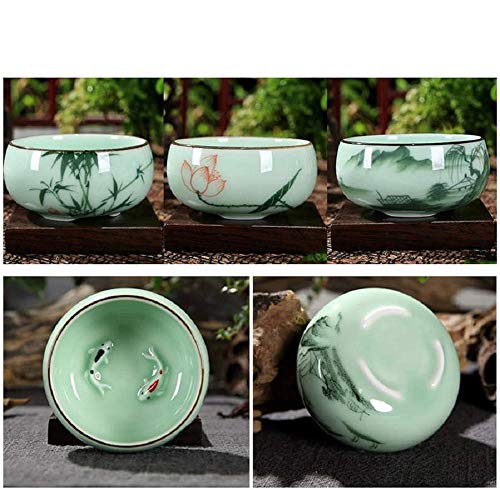
✅ Beautiful aesthetic design with hand-painted fish/lotus patterns
Hotumn Celadon Teacup Set with Koi Fish and Lotus
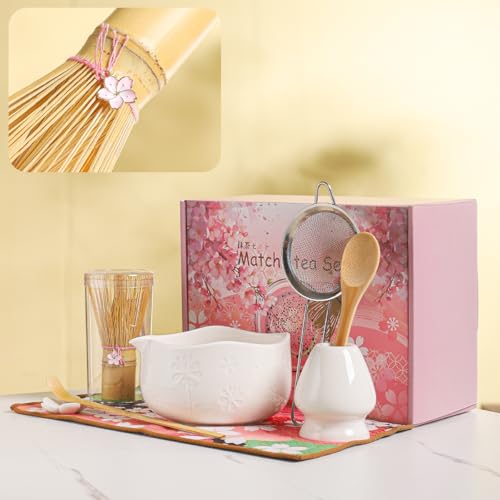
✅ Substantial bowl weight and heft - feels durable and quality
DWEHIXBUY Handcrafted Matcha Bowl Set

✅ Good print quality on both sides
Choinn 30th Birthday Mug - Making the World Better Since 1995
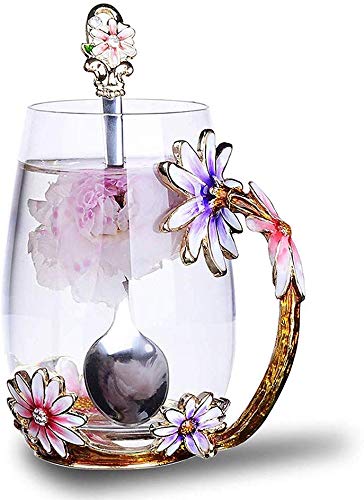
✅ Beautiful, elegant aesthetic design with floral details