
Available Alternatives

✅ Full, robust flavor without bitterness
Rishi Tea Masala Chai Herbal Tea
✅ Strong masala flavor with prominent lemongrass aroma
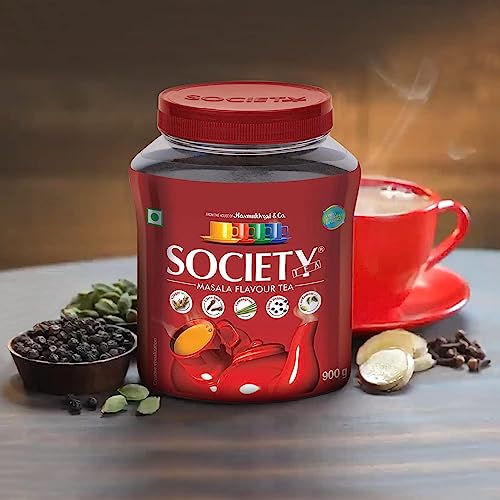
Society Masala Chai Tea with Ginger & Cardamom

✅ Fresh vacuum-sealed packaging preserves quality
VAHDAM India's Original Masala Chai Tea Loose Leaf

✅ Great taste and flavor
Stash Chai Spice Decaf Tea





We analyze real customer reviews to surface what matters: key strengths, ideal use cases, and honest considerations — so you can make an informed choice.
Rishi Tea Masala Chai - Organic Loose Leaf Black Tea
An intensely spiced organic masala chai built on whole cardamom, ginger, and clove — made for bold, aromatic cups and latte-ready brewing.
🎯 Best for: Morning tea routine with milk and honey, Users who prefer very spicy chai
🍃 Tastes like: cardamom, ginger, cinnamon

What Stands Out
🍃 Flavor Profile
Strength: Bold
Notes: cardamom, ginger, cinnamon
✅ What Customers Love
- High spice intensity and depth of flavor (8 mentions)
- Well-balanced spice blend (4 mentions)
- Strong, pleasant aroma (3 mentions)
🎯 Best For
Morning tea routine with milk and honey • Users who prefer very spicy chai • Making chai concentrate or latte • Boosting spiciness of milder chai blends
Brand: Rishi Tea
Category: Chai
As an Amazon Associate we earn from qualifying purchases.
About This Chai
This organic masala chai delivers a bold spice profile anchored by cardamom, ginger, cinnamon, clove, and black pepper — intensity that holds up through milk and foam. The whole spices contribute a strong, distinctive aroma before and during brewing. Reviewers praise the well-balanced blend, though some find the cinnamon and black pepper finish more assertive than expected. The leaf is finely ground rather than whole-leaf, ensuring consistent extraction cup to cup. Best for spice-forward chai drinkers, morning latte routines, and enthusiasts who want a strong base for homemade concentrates.
Is Rishi Tea Masala Chai - Organic Loose Leaf Black Tea Right for You?
What does Rishi Masala Chai taste like?
Bold and unapologetically spicy. Reviewers consistently describe intense spice depth — you'll taste cardamom, ginger, cinnamon, and clove upfront, with a distinctive black pepper finish that lingers. The aroma alone gets multiple mentions as strong and pleasant. It's not a subtle chai — the spice-to-tea ratio is high, which means the spices dominate the cup. Some reviewers feel the cinnamon can be overpowering, and a few note the black pepper finish is stronger than expected. If you like your chai bold and warming, this delivers. If you prefer something mellow, this isn't it.
Is Rishi Masala Chai too spicy?
For some people, yes. Reviewers mention 8 separate times that the spice intensity and depth of flavor are the standout quality — this isn't a polite, mild chai. The black pepper creates a noticeable lingering heat, and the ginger brings real warmth. Steeping longer intensifies this to a tongue-tingling level. If you find it too much, try a shorter steep time (3 minutes instead of 5), use more milk to soften it, or blend it with plain black tea to dilute the spice ratio. Some reviewers actually buy it specifically to boost the spiciness of milder chai blends.
Is the tea quality good in Rishi Masala Chai?
This is where it gets honest. The spice blend is excellent — whole spices, organic, with serious flavor depth that gets rave reviews. But multiple reviewers note that the tea leaves themselves are finely ground, almost dust-like, rather than the whole leaf quality you might expect at this price point. The tea serves more as a caffeine vehicle for the spices than as a standout on its own. If premium leaf quality matters to you, you might find the tea component disappointing. If you're here for the spice experience, the tea base does its job.
Is Rishi Masala Chai good for beginners?
It depends on what kind of chai you're expecting. The finely ground consistency is actually great for beginners because it brews consistently — you don't have to worry about technique as much as with whole leaf tea. Preparation is simple: add tea, add hot water, steep, add milk and honey. However, the flavor is very bold and spicy, which might be a surprise if you're used to coffeeshop chai lattes. If you're new to real masala chai, this is an honest introduction to what authentic chai tastes like — just know it's on the intense end of the spectrum.
How to make the best chai with Rishi Masala Chai loose leaf?
Reviewers have found a few approaches that work really well with this blend. For a quick cup, steep about 1.5 teaspoons in hot water for 4-5 minutes, then add warm milk and honey. For a richer experience, simmer the tea directly in a mix of water and milk on the stovetop for 5-10 minutes — this pulls out more of those whole spice flavors. A popular trick with this particular blend: since the spice-to-tea ratio is high, some drinkers add a bit of extra plain Assam black tea to balance things out. Steeping longer gives you a tongue-tingling spiciness that chai lovers really enjoy.
How long should I boil Rishi Masala Chai?
For this blend, 4-5 minutes of steeping or simmering is a good starting point. If you want more spice intensity — which this tea is known for — go up to 8-10 minutes. Reviewers note that longer steeping produces a tongue-tingling spiciness from the ginger and black pepper. Just be aware that going too long can bring out bitterness from the finely ground tea leaves. If you're making a concentrate, you can simmer for 15-20 minutes with extra tea to create a strong base you'll dilute with milk later.
As an Amazon Associate we earn from qualifying purchases.
Does Rishi Masala Chai have too much cinnamon?
Some reviewers think so. While most praise the well-balanced spice blend, a few specifically call out the cinnamon as overpowering the other spices. Cinnamon sensitivity varies a lot from person to person — if you know you're not a fan of cinnamon-forward flavors, this might not be your ideal chai. The cardamom and ginger are still prominent, but the cinnamon is definitely a leading note in the blend, not a background player.
Should I add extra black tea to Rishi Masala Chai?
It's a common tweak among reviewers. Because the spice-to-tea ratio is high, some people find the tea base gets overshadowed. Adding a teaspoon of plain Assam or CTC black tea gives you a stronger tea backbone to balance the spices. This is especially helpful if you're making it with milk, where the dairy can further mute the tea flavor. It's not a flaw exactly — the high spice ratio is what makes this blend so flavorful — but if you want more of a balanced tea-and-spice experience, supplementing with extra black tea is a well-tested solution.
Who should NOT buy Rishi Masala Chai?
Skip this one if you dislike heavy cinnamon or black pepper — both are prominent and non-negotiable in this blend. It's also not for you if you're seeking a premium whole leaf tea experience, as the leaves are finely ground. If you prefer a milder, sweeter chai closer to what you'd get at a coffee shop, this will be too intense. And if you're very particular about tea leaf quality relative to price, the value concern is real — the spices are top-notch, but the tea base itself doesn't match the price point in terms of leaf quality.
Who is Rishi Masala Chai best for?
This tea is ideal for anyone who wants their chai bold, spicy, and uncompromising. It's perfect for your morning routine if you like a warming, energizing cup with milk and honey. It's great for making chai concentrates and lattes at home. Enthusiasts love it because the high spice ratio invites experimentation — try different steep times, milk ratios, and additional teas. If you buy milder chai blends that need a flavor boost, this is an excellent blend-in. Bottom line: if 'more spice' sounds like the right direction for your chai, Rishi delivers.
How does Rishi Masala Chai compare to coffee shop chai?
Night and day difference. Coffee shop chai (especially the syrup-based kind at places like Starbucks) tends to be sweet, milky, and mildly spiced. Rishi's is the real deal — intense whole spices, bold black pepper kick, genuine warmth from ginger and cinnamon. It's closer to what you'd get in a traditional Indian household than in a Western café. If you've only ever had coffee shop chai and think you don't like chai, this might change your mind — or it might be too much. It's authentic masala chai, not a dessert drink.
Can I use Rishi Masala Chai to make a chai concentrate?
Absolutely — this is actually one of the most popular ways reviewers use this blend. The high spice intensity and finely ground leaves make it ideal for concentrates. Use about double the normal amount of tea, simmer in water for 15-20 minutes to get a strong base, strain well (use a fine mesh — the grounds are small), and store in the fridge. When you're ready for a cup, mix the concentrate with heated milk in a 1:1 ratio and sweeten to taste. It keeps for about a week refrigerated and makes morning chai lattes incredibly quick.
As an Amazon Associate we earn from qualifying purchases.
What kind of strainer do I need for Rishi Masala Chai?
You'll want a fine mesh strainer or a paper tea filter. This is important — the tea leaves are finely ground (almost dust-like), so a standard tea infuser with larger holes will let particles through into your cup. A fine mesh sieve works well when straining from a saucepan. If you're using a mug infuser, look for one with a very tight mesh. Some reviewers use reusable cloth tea filters or even a French press, which can also work for the stovetop concentrate method.
Is Rishi Masala Chai more caffeinated than coffee?
No, it has less caffeine than coffee. A cup of this chai made with Assam black tea typically contains around 50-70mg of caffeine, compared to 95-200mg in a cup of coffee. That said, reviewers specifically call out this blend as energizing and great for a morning boost. The combination of caffeine with the warming spices — especially ginger and black pepper — creates an invigorating effect that feels stimulating without the jittery edge coffee can give you.
Does Rishi Masala Chai have caffeine?
Yes, it's caffeinated. The base is organic Assam black tea, which is one of the higher-caffeine tea varieties. You can expect roughly 50-70mg per cup depending on how long you steep it. Rishi themselves describe it as 'energizing and caffeinated' right on the packaging. Reviewers confirm it works well as a morning energy boost. If you want less caffeine, steep for a shorter time — most caffeine releases in the first 2-3 minutes.
Is chai good for your stomach?
Generally yes — ginger and cardamom in chai are traditional stomach soothers. But Rishi's Masala Chai is on the intense end of the spectrum. Reviewers highlight the prominent black pepper finish and bold ginger notes, which some people find a bit sharp. If you have a sensitive stomach, you might want to brew it lighter (shorter steep, more milk) or look for a milder chai blend. For most people though, the warming spices are comforting and easy on digestion.
How many cups of chai does the Rishi 16oz bag make?
Rishi estimates 37+ servings from the 16-ounce bag, using roughly 1.5 teaspoons per cup. In practice, your mileage varies depending on how strong you like it. If you're making concentrate (using double the tea), you'll get fewer servings but can stretch them by diluting with milk. Some reviewers also add extra plain black tea to each cup, which effectively stretches the bag further since you're using less of the Rishi blend per serving.
What type of tea is in Rishi Masala Chai?
Rishi uses organic Assam black tea as the base. Assam is the traditional choice for masala chai — it's malty, robust, and stands up well to milk and spices. That said, reviewers note the tea leaves in this blend are finely ground rather than whole leaf, which gives you a consistent extraction but a different texture than premium loose leaf teas. The real star here is the spice blend: whole cardamom, clove, ginger, cinnamon, and black pepper.
As an Amazon Associate we earn from qualifying purchases.
Is Rishi Masala Chai organic?
Yes, it's USDA Certified Organic. The Assam black tea and all the whole spices — cardamom, clove, ginger, cinnamon, and black pepper — are organically sourced. For a product you're drinking daily, the organic certification means no synthetic pesticides or fertilizers in either the tea or the spice blend. Rishi is generally well-regarded for their sourcing and quality standards in the specialty tea world.
Can I use Rishi Masala Chai to boost a milder chai blend?
Yes, and this is actually a really popular use for it. Reviewers specifically mention using Rishi's blend to add spiciness to milder chai brands. The high spice-to-tea ratio and intense flavor profile make it perfect as a 'spice booster' — just add half a teaspoon to your regular chai blend. It's a great way to customize your spice level and also stretches the bag further if you find the full-strength Rishi blend too intense on its own.
What is the best way to brew Rishi Masala Chai?
The best method depends on how strong you like it. For a standard cup, use about 1.5 teaspoons per 8 oz of water at a full boil, steep 4-5 minutes, then add milk and sweetener. For a more authentic, intense chai, combine equal parts water and milk in a saucepan, add the tea, and simmer on low heat for 5-10 minutes. This stovetop method really brings out the depth of the whole spices — reviewers rave about the aroma when you simmer it. Since this blend has a high spice-to-tea ratio, the stovetop method especially rewards patience.
How to make chai step by step with this blend?
Here's what works well with Rishi Masala Chai: 1) Bring 1 cup of water to a boil. 2) Add 1.5-2 teaspoons of the loose leaf blend. 3) Reduce to a simmer and let it cook for 3-4 minutes. 4) Add half a cup of milk (dairy or oat milk both work great). 5) Bring back to a gentle simmer for another 2-3 minutes. 6) Strain into your mug. 7) Add honey or sugar to taste. The whole spices in this blend release their flavor gradually, so don't rush the simmering step. Some fans of this tea also like to make a big batch of concentrate by doubling the tea amount, simmering longer, and refrigerating it for quick chai lattes throughout the week.
Do you steep Rishi Masala Chai in water or milk?
You can do either, but most chai lovers get the best results using both. Start by simmering the tea in water to extract the spice flavors, then add milk for the last few minutes. Steeping only in milk can mute the spice notes because fat coats your palate differently than water. A 2:1 ratio of water to milk is a popular starting point. That said, this blend is bold enough that even steeped in just water with a splash of milk added after, it delivers plenty of spicy, aromatic flavor.
Is chai good for the gut?
The spices in Rishi's blend have a long history in traditional medicine for digestive support. Ginger is widely recognized for settling the stomach, cardamom has been used for centuries as a digestive aid, and cinnamon may help with bloating. That said, this is a particularly spicy, bold chai with prominent black pepper and ginger notes — some people with sensitive stomachs might find the intensity too much, especially on an empty stomach. Adding milk can help buffer the spiciness.
As an Amazon Associate we earn from qualifying purchases.
How to brew loose leaf chai tea like Rishi's?
Loose leaf chai is slightly different from bagged tea. With Rishi's blend, measure about 1.5 teaspoons per cup — the finely ground consistency means you don't need as much as you might with a chunkier blend. Use a fine mesh strainer or tea filter since the particles are small. Bring your water to a full rolling boil (212°F) — chai spices need high heat to open up. Steep or simmer for at least 4 minutes, strain carefully, then add your milk and sweetener. The fine grind actually makes this blend forgiving for beginners because you get consistent flavor extraction every time.
Is it okay to drink Rishi Masala Chai tea daily?
Yes, drinking Rishi Masala Chai daily is perfectly fine for most people. It's made with organic Assam black tea and whole spices like ginger, cardamom, and cinnamon — all of which have been enjoyed daily in traditional chai cultures for centuries. The caffeine content is moderate (less than coffee), so it works well as a morning ritual. Many reviewers describe using it as their go-to daily morning tea with milk and honey. Just keep in mind it's a bold, spicy blend, so if you have a sensitive stomach, you might want to start with a lighter steep.
Will a chai latte made with Rishi Masala Chai keep me awake?
It can give you a noticeable energy lift, especially in the morning — reviewers specifically mention the morning energy boost. But since the caffeine content is roughly half that of coffee, it's unlikely to keep you up at night unless you're very caffeine-sensitive. Most people find chai provides a gentler, more sustained alertness compared to coffee. If you're brewing it in the evening, try a shorter steep time (2-3 minutes) to reduce caffeine extraction.
Is chai tea good to drink every day?
For most people, absolutely. Rishi's blend is organic, uses whole spices with known health benefits (ginger, cinnamon, cardamom, clove), and has moderate caffeine. Many reviewers describe it as their daily morning ritual — one they look forward to. The main consideration is what you add to it: a daily chai with a splash of milk and a little honey is quite different nutritionally from a daily 16oz sugary chai latte. The tea itself is a solid everyday choice.
Is chai tea healthier than coffee?
They offer different benefits. Rishi Masala Chai gives you less caffeine than coffee (so less risk of jitters or afternoon crashes), plus the added compounds from whole spices — ginger for digestion, cinnamon for blood sugar, cardamom and clove for antioxidants. Coffee has its own antioxidant profile and may be better for pure alertness. If you're looking to cut back on caffeine without giving up a warm morning ritual, switching to a bold chai like this one is a popular choice. Reviewers who use it as their morning tea specifically appreciate the energy boost without coffee's intensity.
What does masala chai do for your body?
Masala chai combines black tea with spices that each bring something to the table. Rishi's blend includes ginger (anti-inflammatory, aids digestion), cinnamon (may support blood sugar balance), cardamom (digestive aid, breath freshener), clove (antioxidant-rich), and black pepper (improves nutrient absorption). The Assam black tea base provides caffeine for alertness plus L-theanine for focused calm. Reviewers specifically note the morning energy boost. It's not a miracle drink, but as a daily beverage, it's doing more for you than most.
As an Amazon Associate we earn from qualifying purchases.
Is chai healthier than regular tea?
Masala chai like Rishi's offers some benefits beyond plain black tea because of the spice blend. Ginger and cardamom are traditionally associated with digestive comfort, cinnamon may help with blood sugar regulation, and clove has antioxidant properties. You're getting both the benefits of Assam black tea (caffeine, antioxidants) and the added compounds from whole spices. Whether it's 'healthier' depends on what you're optimizing for — if you add lots of sugar and cream to make a latte, that changes the equation. Enjoyed with just a splash of milk and a touch of honey, it's a solid daily choice.
What Makes This Product Special
⚠️ Preliminary analysis based on 21-review sample • Our methodology
- High spice intensity and depth of flavor (8 mentions)
- Well-balanced spice blend (4 mentions)
- Strong, pleasant aroma (3 mentions)
- Contains whole spices (cardamom, clove, ginger, cinnamon) (3 mentions)
Taste Profile
- spicy
- bold
- flavorful
- well-balanced
- aromatic
Best Use Cases
🎯 Best For
- Morning tea routine with milk and honey
- Users who prefer very spicy chai
- Making chai concentrate or latte
- Boosting spiciness of milder chai blends
⚠️ Not Ideal For
- Those who dislike heavy cinnamon
- Those who dislike black pepper
- Users seeking whole leaf tea experience
- Those preferring milder, less spicy chai
What to Consider
- Tea leaves are finely ground/dust-like, not whole leaf (5 mentions)
- Too much cinnamon overpowering other spices (2 mentions)
- Excessive black pepper finish (2 mentions)
- Low tea-to-spice ratio requiring additional black tea (2 mentions)
- Sharp, bitter taste (2 mentions)
- Packaging issues (arrived half-full, damaged) (2 mentions)
⚠️ based on 21-review sample. Some issues may not be captured.
About This Analysis
This analysis is based on 21 customer reviews. We're showing you everything we found, but with a moderate sample, there's a lot we likely haven't captured yet.
✅ What we're confident about: What customers love and best use cases
⚠️ What may be incomplete: Potential issues and considerations
For more perspectives, check customer reviews on Amazon.
Product Selection
In short: We only feature high-rated products.
Products on TeaDelight.net are selected based on strong Amazon customer ratings, sufficient review volume, and market presence. We focus on well-regarded products that tea enthusiasts are actively considering and purchasing.
As an Amazon Associate we earn from qualifying purchases.