




We analyze real customer reviews to surface what matters: key strengths, ideal use cases, and honest considerations — so you can make an informed choice.
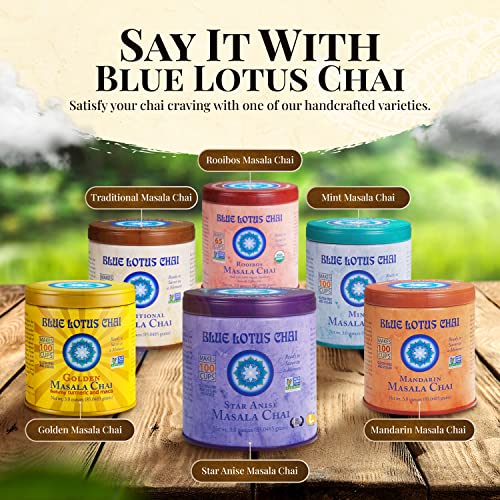
Blue Lotus Chai Star Anise Masala Chai
A licorice-forward masala chai with a bold spice blend of star anise, ginger, cardamom, and fennel — unsweetened and highly concentrated, so a little goes far.
🎯 Best for: Morning wake-up routine, When you want bold, spiced chai flavor
🍃 Tastes like: star anise, ginger, cardamom

What Stands Out
🍃 Flavor Profile
Strength: Bold
Notes: star anise, ginger, cardamom
✅ What Customers Love
- Strong, authentic star anise/licorice flavor (8 mentions)
- High quality organic ingredients (6 mentions)
- No added sweeteners - customizable sweetness (5 mentions)
🎯 Best For
Morning wake-up routine • When you want bold, spiced chai flavor • Making custom chai lattes • Creating chai concentrate/syrup
Brand: BLUE LOTUS CHAI
Category: Chai
As an Amazon Associate we earn from qualifying purchases.
About This Chai
Blue Lotus Chai's Star Anise variety leads with a pronounced licorice character that sets it apart from conventional masala blends, layered over warming ginger and aromatic cardamom. The powder is unsweetened, giving full control over sweetness and milk ratio — reviewers find it works equally well as a standalone cup or as a latte base. Because it's finely milled and concentrated, proper preparation matters: boiling water is essential for a smooth result, as lukewarm water leaves the spices gritty. Best suited for chai drinkers who actively enjoy anise-forward profiles and want to dial in their own blend.
Is Blue Lotus Chai Star Anise Masala Chai Right for You?
What does Blue Lotus Chai taste like?
This chai is distinctly licorice-forward, thanks to the star anise that's front and center. Reviewers describe it as bold, rich, and spicy with layers of ginger, cardamom, and fennel underneath. The aroma alone gets raves — multiple people mention how incredible it smells. That said, if you're not a fan of licorice or anise flavors, this probably isn't the chai for you. But if you love that warm, aromatic spice profile, this is one of the more authentic-tasting instant chai options out there.
How do you make the best chai with Blue Lotus Chai powder?
The key with Blue Lotus Chai is using boiling water — not just hot water. Reviewers consistently note that if you skip this step, the powder can be gritty and the flavor won't fully develop. Start with about half a teaspoon (it comes with a measuring spoon), dissolve it in boiling water, then add your milk and sweetener of choice. Many fans also recommend letting it steep for a minute after mixing to let the spices bloom. Since there's no added sweetener, you have full control over how sweet you want it.
Who should NOT buy Blue Lotus Chai?
If you don't like licorice or anise flavors, skip this one — the star anise is prominent and it's the defining characteristic of this blend. Reviewers who expected a more traditional cinnamon-heavy chai were sometimes surprised by how licorice-forward it is. Also, if you want a quick grab-and-go chai that doesn't require boiling water, this might frustrate you — the preparation step matters for the texture and flavor. And if you're looking for a pre-sweetened chai, you'll need to add your own sweetener every time.
Do you steep Blue Lotus Chai in water or milk?
Start with boiling water first. This is actually important — reviewers warn that skipping the boiling water step can leave the powder gritty and under-dissolved. Mix about half a teaspoon into boiling water, then add your milk (dairy or plant-based) afterward. Some people heat the milk too for a richer latte-style drink, but the critical thing is that initial boiling water to properly dissolve and activate the spices.
How long should I boil water for Blue Lotus Chai?
Bring your water to a full, rolling boil — this is the single most important preparation tip reviewers emphasize. If you use water that's merely hot (like from a Keurig without the boil setting), the powder may not fully dissolve and you'll get a gritty texture. A full boil at 212°F/100°C ensures the spices release their full flavor and the powder integrates smoothly. You don't need to boil the chai itself for minutes like traditional chai — just make sure the water is genuinely boiling when you add the powder.
Is Blue Lotus Chai better than Starbucks chai?
Reviewers think so — and for good reason. Starbucks chai concentrate is loaded with sugar and uses a relatively generic spice blend. Blue Lotus Chai has no added sweeteners, uses organic spices, and delivers a much bolder, more authentic spice profile with that distinctive star anise character. Reviewers specifically describe it as "better than coffee chain versions" and an easy upgrade. Plus, at roughly 100 cups per tin, it's dramatically cheaper per serving than buying chai at a coffee shop.
As an Amazon Associate we earn from qualifying purchases.
Does Blue Lotus Chai contain real tea leaves?
No — it's a spice powder blend, not a tea in the traditional sense. The ingredients are organic spices like star anise, ginger, cardamom, fennel, and cinnamon. This means you can pair it with any tea base you like (or no tea at all). Some reviewers prefer to brew a cup of strong black tea first and then add the Blue Lotus powder for that full, traditional chai experience. Others just use hot water and milk for a caffeine-free version.
Can you make a dirty chai with Blue Lotus Chai?
Absolutely — and reviewers specifically highlight this as one of the best uses for it. Pull a shot of espresso (or brew strong coffee), dissolve the Blue Lotus powder in a small amount of boiling water, combine the two, and add steamed milk. The bold star anise and ginger spices hold up really well against espresso without getting lost. It's one of those unexpected benefits that reviewers discovered and now swear by.
Can you use Blue Lotus Chai to make chai syrup or concentrate?
Yes, and this is a fan-favorite hack. Reviewers have found that dissolving a larger amount of the powder in boiling water with some sweetener creates a chai syrup or concentrate you can keep in the fridge. Then you just add a splash to hot or cold milk whenever you want a quick chai latte. It works especially well because the powder is already instant — no steeping or straining needed. Great for making iced chai in summer too.
Is Blue Lotus Chai good for beginners?
It's quite beginner-friendly. The tin comes with a measuring spoon, the preparation instructions are clear, and there's no complicated steeping or timing involved. Reviewers who were new to chai found it a major upgrade from coffee shop chai. The only learning curve is remembering to use boiling water (not just hot) and finding your preferred ratio of powder to milk to sweetener. Since there's no added sugar, beginners who are used to sweet Starbucks chai may want to add honey or sugar at first.
Does Blue Lotus Chai use cassia or ceylon cinnamon?
At least one reviewer has noted that it contains cassia cinnamon rather than ceylon ("true") cinnamon. Cassia is the more common variety and has a stronger, more pungent flavor, but it also contains higher levels of coumarin, which some health-conscious consumers prefer to limit. If ceylon cinnamon is important to you, this may be a consideration. For most people drinking a cup or two daily, the amount of cinnamon per serving is small enough that this shouldn't be a major concern.
How does Blue Lotus Chai compare to loose leaf chai?
It's a completely different experience. Loose leaf chai requires simmering tea leaves and whole spices for 10-15 minutes — it's a ritual. Blue Lotus Chai dissolves in seconds once you have boiling water. Flavor-wise, reviewers who are chai enthusiasts say it holds its own surprisingly well, especially given the convenience. The star anise profile is more pronounced than most loose leaf blends, and the organic spice quality comes through. Where it falls short is that depth you get from slow-simmered whole spices — but for a weekday morning, it's hard to beat.
As an Amazon Associate we earn from qualifying purchases.
How many cups does Blue Lotus Chai actually make?
The tin says 100 cups, but some reviewers note the actual number may be lower depending on how strong you like it. Blue Lotus recommends about half a teaspoon per cup, and the tin includes a measuring spoon. If you prefer a bolder flavor (which many reviewers do), you'll use a bit more per serving and get fewer cups. Even so, compared to buying individual chai lattes, it's quite economical — a little really does go a long way with this powder.
Can you blend Blue Lotus Chai with other chai brands?
Yes — and some reviewers actually recommend this for customization. Because Blue Lotus has such a distinctive star anise character, blending it with a more cinnamon-forward or cardamom-heavy chai brand can create a more complex flavor profile. Enthusiasts enjoy experimenting with ratios. It's one of those unexpected benefits of a pure spice powder — it plays well with other blends rather than competing with them.
Is Blue Lotus Chai gluten free?
Yes, it's labeled as gluten-free. The ingredients are organic spices — star anise, ginger, cardamom, fennel, cinnamon — with no wheat, barley, or gluten-containing additives. For anyone with celiac disease or gluten sensitivity, it's a safe chai option.
Why does my Blue Lotus Chai taste different from the last tin?
At least one reviewer has mentioned inconsistent flavor between batches. Since it's made with natural, organic spices, some variation is expected — spice crops naturally vary in potency from harvest to harvest. If your new tin tastes slightly different, try adjusting the amount you use. A little more or less powder can help you dial back to the flavor intensity you're used to.
How to brew loose leaf chai tea with Blue Lotus Chai?
A great combo is to brew a strong loose leaf black tea (Assam works best) and then stir in Blue Lotus Chai powder. Brew your loose leaf tea for 4-5 minutes in boiling water, strain, then add about half a teaspoon of the Blue Lotus powder and stir until dissolved. This gives you the full-bodied tea base plus the bold organic spice blend — reviewers who found the powder alone a bit light say this method delivers the richest, most complete chai experience.
Is it okay to drink chai tea daily?
For most people, yes — and Blue Lotus Chai is actually a solid choice for a daily chai habit. It's made with organic spices, has no added sweeteners or gluten, and the spices themselves (ginger, cardamom, cinnamon) have well-known digestive and anti-inflammatory properties. Many reviewers use it as their daily morning wake-up beverage. Just keep in mind that if you're adding black tea as a base (which some users recommend for a stronger brew), you'll be getting caffeine as well.
As an Amazon Associate we earn from qualifying purchases.
What type of tea is best for chai?
Traditionally, chai is made with a strong black tea like Assam or CTC (crush-tear-curl) black tea. With Blue Lotus Chai specifically, it's an instant spice powder — so it doesn't contain tea leaves. You can drink it on its own dissolved in hot water and milk, or some reviewers recommend adding it to brewed black tea for a fuller, more robust cup. If you find the spice mix alone is a bit light, brewing a cup of strong Assam first and then stirring in the Blue Lotus powder gives you that deep, traditional chai flavor.
Is chai good for the gut?
The spices in Blue Lotus Chai — particularly ginger, cardamom, and fennel — have long been used in traditional medicine for digestive support. Ginger is well-known for settling the stomach, cardamom can help with bloating, and fennel is a classic digestive aid. Reviewers specifically mention the warming sensation from the spices, which is often associated with digestive comfort. Since there's no added sugar or artificial ingredients, it's a pretty clean option if you're mindful of gut health.
Is chai good for your stomach?
The spice profile of Blue Lotus Chai is actually quite stomach-friendly. Ginger, fennel, and cardamom are all traditionally used to ease digestive discomfort. Unlike coffee, which can be acidic and irritating for some people, a well-made chai with these spices tends to be soothing. Just be mindful of what milk you use — if you're lactose sensitive, pair it with a plant-based milk for the gentlest experience.
Is chai more caffeine than coffee?
Generally no — a typical cup of chai has about 25-50mg of caffeine compared to 95-200mg in coffee. However, Blue Lotus Chai is a spice powder that doesn't contain tea leaves on its own, so the caffeine content depends entirely on what you mix it with. If you just dissolve it in water and milk, the caffeine is minimal (just trace amounts from the spices). If you use it to make a dirty chai with espresso, obviously you're getting a full coffee hit. That flexibility is actually one of the things reviewers love about it.
Does Blue Lotus Chai have caffeine?
The powder itself is primarily a spice blend (star anise, ginger, cardamom, fennel, cinnamon), so it contains minimal to no caffeine on its own. The caffeine in your cup will come from whatever tea or coffee you pair it with. This is actually a plus for many buyers — you can make it caffeine-free by just using water and milk, or add black tea or espresso for a caffeinated version.
Is milk chai good for health?
Making Blue Lotus Chai with milk adds protein and calcium to all those beneficial spices, so it's a reasonably healthy beverage — especially since there's no added sugar in the powder itself. The healthfulness really comes down to what milk you use and how much sweetener you add. With whole milk and no sugar, you've got a warming, nutrient-rich drink. With oat or almond milk, you've got a lighter, plant-based option. Either way, you're getting the benefit of organic ginger, cardamom, star anise, and other spices.
As an Amazon Associate we earn from qualifying purchases.
Is chai tea healthier than coffee?
In many ways, yes. Blue Lotus Chai is made with organic spices, has no added sweeteners, no gluten, and no artificial ingredients. Compared to a typical coffee drink (especially with cream and sugar), it's a cleaner option. The spices themselves — ginger, cardamom, cinnamon — offer anti-inflammatory and digestive benefits that coffee simply doesn't. And since the powder is caffeine-minimal on its own, you can control your caffeine intake much more precisely. The trade-off is that if you're after that strong caffeine kick, you'll need to add tea or espresso.
How to brew chai tea with milk?
For Blue Lotus Chai, the best approach is to dissolve about half a teaspoon of the powder in a few ounces of boiling water first, stir well, then top up with steamed or heated milk. This two-step method prevents grittiness and gives you that creamy chai latte experience. You can use any milk — whole dairy milk gives the richest result, but oat milk and almond milk work well too. Since there's no sweetener in the mix, add honey, sugar, or your preferred sweetener to taste.
Will a chai latte made with Blue Lotus Chai keep me awake?
It depends on how you make it. The Blue Lotus Chai powder itself is a spice blend without tea leaves, so on its own it has very little caffeine. But many reviewers use it as a base for dirty chai (mixed with espresso), which would definitely keep you alert. The warming spices — ginger and cinnamon especially — do provide a natural energizing sensation that reviewers describe as a good morning wake-up, even without much caffeine.
What Makes This Product Special
⚠️ Preliminary analysis based on 17-review sample • Our methodology
- Strong, authentic star anise/licorice flavor (8 mentions)
- High quality organic ingredients (6 mentions)
- No added sweeteners - customizable sweetness (5 mentions)
- Economical - small amount needed per serving (4 mentions)
- Bold, rich chai flavor with depth (4 mentions)
- Incredible aroma (3 mentions)
Taste Profile
- bold
- rich
- spicy
- aromatic
- licorice-forward
Best Use Cases
🎯 Best For
- Morning wake-up routine
- When you want bold, spiced chai flavor
- Making custom chai lattes
- Creating chai concentrate/syrup
- Dirty chai preparations
⚠️ Not Ideal For
- Those who dislike licorice/anise flavor
- Quick preparation without boiling water
What to Consider
- Requires boiling water or can be gritty (2 mentions)
- Price increases/expensive (3 mentions)
- Inconsistent flavor between batches (1 mentions)
- Can be weak if not prepared with additional tea (1 mentions)
- Packaging damage issues (2 mentions)
- Contains cassia cinnamon instead of ceylon (1 mentions)
⚠️ based on 17-review sample. Some issues may not be captured.
About This Analysis
This analysis is based on 17 customer reviews. We're showing you everything we found, but with a moderate sample, there's a lot we likely haven't captured yet.
✅ What we're confident about: What customers love and best use cases
⚠️ What may be incomplete: Potential issues and considerations
For more perspectives, check customer reviews on Amazon.
Product Selection
In short: We only feature high-rated products.
Products on TeaDelight.net are selected based on strong Amazon customer ratings, sufficient review volume, and market presence. We focus on well-regarded products that tea enthusiasts are actively considering and purchasing.
As an Amazon Associate we earn from qualifying purchases.
You Might Also Like

✅ Authentic, spicy chai flavor with prominent spice notes
Blue Lotus Chai Rooibos Masala Chai
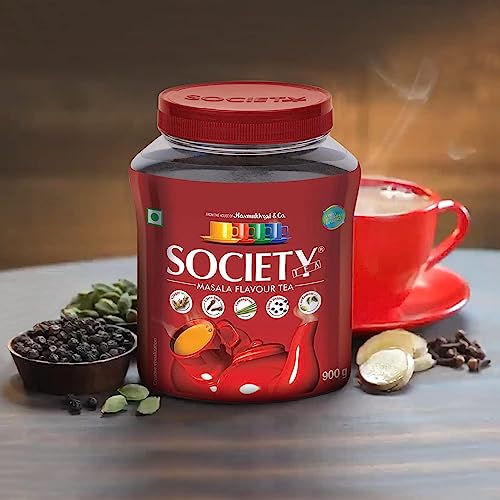
✅ Strong masala flavor with prominent lemongrass aroma
Society Masala Chai Tea with Ginger & Cardamom

✅ Fresh vacuum-sealed packaging preserves quality
VAHDAM India's Original Masala Chai Tea Loose Leaf

✅ Full, robust flavor without bitterness