


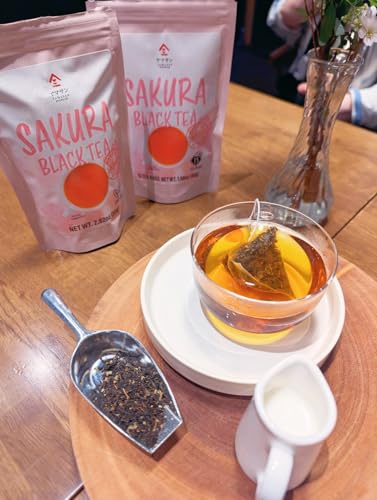
We analyze real customer reviews to surface what matters: key strengths, ideal use cases, and honest considerations — so you can make an informed choice.
Yamasan Kyoto Uji Sakura Black Tea
A Japanese black tea defined by delicate cherry blossom florals and natural sweetness — aromatic and light enough to enjoy without any added sweetener.
🎯 Best for: Relaxation and stress relief, Early spring cold days
🍃 Tastes like: cherry blossom, floral, sakura

What Stands Out
🍃 Flavor Profile
Strength: Delicate
Notes: cherry blossom, floral, sakura
✅ What Customers Love
- Subtle, delicate floral flavor that's not overwhelming (5 mentions)
- Fragrant and aromatic (4 mentions)
- Natural sweetness, no honey needed (2 mentions)
🎯 Best For
Relaxation and stress relief • Early spring cold days • Sunday morning ritual • Pairing with shortbread cookies
Brand: YAMASAN KYOTO UJI
Category: Black Tea
As an Amazon Associate we earn from qualifying purchases.
About This Black Tea
Sourced from the Uji region near Kyoto, this sakura-infused black tea offers a subtle, rose-like floral character that reviewers find naturally sweet and calming without any added sugar. The light body makes it versatile — equally good hot on a cold spring morning, cold-brewed, or blended with hibiscus or butterfly pea flowers. Some find the sakura presence more understated than expected, and the quantity per bag is on the smaller side. Best suited to those who prefer nuanced, meditative florals over bold tea character, and to blending enthusiasts who enjoy layering flavors or experimenting with spirit infusions.
Is Yamasan Kyoto Uji Sakura Black Tea Right for You?
What does YAMASAN sakura black tea taste like?
Reviewers consistently describe it as delicate and floral — think subtle cherry blossom notes with a rose-like quality, naturally sweet, and aromatic. It's not a bold, malty black tea; it's light and refined, more like a Japanese wakocha should be. The sakura flavor is gentle rather than in-your-face, which most people love but at least one reviewer found too subtle. The fragrance is a big part of the experience — several reviewers mention the aroma as a highlight. If you enjoy teas where scent and flavor work together in a nuanced way, this is right in your wheelhouse.
Is sakura black tea good?
This YAMASAN sakura black tea is genuinely enjoyable if you appreciate delicate, floral teas. Multiple reviewers highlight the subtle cherry blossom flavor that's fragrant and aromatic without being overwhelming. It has a natural sweetness that many drinkers find pleasant enough to skip honey or sugar entirely. That said, one reviewer felt it had a slight bitterness that takes getting used to, and another claimed they couldn't detect much sakura flavor at all — so taste perception does vary. If you're expecting a bold, punch-you-in-the-face cherry blossom flavor, this isn't that. It's refined and understated, which is exactly what most fans love about it.
How is YAMASAN sakura black tea different from regular black tea?
Three key differences. First, the base tea is Benifuki, a Japanese black tea cultivar (wakocha) that's naturally softer and less astringent than Indian or Chinese black teas. Second, it's blended with actual sakura cherry blossom leaves from Japan, giving it that distinctive floral, rose-like character you won't find in a standard Assam or Ceylon. Third, it's from Kyoto's Uji region, one of Japan's most prestigious tea-growing areas. The result is a tea that's lighter, more aromatic, and naturally sweeter than what most people think of as 'black tea.'
Is YAMASAN sakura black tea good for beginners?
Yes, it's actually quite beginner-friendly. The flavor is light and approachable — no overwhelming bitterness or intense tannins to scare off newcomers. The natural sweetness means you don't need to learn the art of sweetening tea properly. And it's forgiving to brew — reviewers report good results with everything from a French press to tea bags to traditional teapots. If you're just starting to explore beyond basic tea bags, this is a lovely step up that won't intimidate you.
What is sakura tea good for?
Reviewers consistently describe this YAMASAN sakura black tea as calming and relaxing — several mention a genuine sense of tranquility after drinking it. It's particularly well-suited for unwinding in the evening, a quiet Sunday morning ritual, or pairing with something light like shortbread cookies on a cold spring day. Beyond the relaxation factor, it's naturally sweet enough that you can skip added sweeteners, which is a nice bonus if you're watching sugar intake. One creative reviewer even uses it to infuse vodka for floral cocktails, so it's surprisingly versatile.
What can I mix with this sakura black tea?
Reviewers have gotten creative with this one. Popular combinations include mixing with hibiscus for a tart-floral blend, butterfly pea flowers for a stunning color-changing effect, and even infusing it into vodka for sakura cocktails. It also pairs well with other light teas if you want to create your own blend. The delicate flavor plays well with other florals without competing. For food pairings, shortbread cookies are specifically mentioned as a great match.
As an Amazon Associate we earn from qualifying purchases.
How to make black tea more tasty?
This particular tea is already quite flavorful on its own thanks to the sakura cherry blossom blending — most reviewers enjoy it straight without any additions, and several specifically note the natural sweetness means you don't need honey or sugar. But if you want to get creative, reviewers have had success mixing it with other teas and flowers like hibiscus and butterfly pea for color-changing floral blends. One adventurous reviewer even infuses it into vodka for sakura cocktails. If you find it slightly bitter, try reducing your steep time by 30 seconds or using slightly cooler water.
What are 5 benefits of drinking black tea?
For this YAMASAN sakura black tea specifically: (1) Calming and relaxing effect — multiple reviewers confirm a real sense of tranquility. (2) Natural sweetness eliminates the need for added sweeteners, making it a healthier daily habit. (3) Antioxidants from both the Benifuki black tea and sakura cherry blossom leaves. (4) Moderate caffeine for a gentle energy boost without the coffee crash. (5) Versatility — it works hot, cold, blended with other teas, or even infused into spirits, so you'll actually use it regularly rather than letting it sit in your cupboard.
What is the best way to brew this sakura black tea?
Since this is a loose leaf tea with a delicate flavor profile, you'll want to be a bit more careful than with a robust English Breakfast. Use water just off the boil — around 195-205°F (90-96°C) — and steep for 3 to 4 minutes. Going longer can bring out the slight bitterness one reviewer mentioned. Reviewers note it works well in a variety of setups: a traditional teapot, a French press, or even a Gong Cha (gongfu) set for multiple shorter infusions that let you explore how the sakura flavor evolves with each steep. The floral notes come through best when you don't over-steep.
How to brew black tea loose leaf?
For this YAMASAN loose leaf sakura black tea, use about 1 teaspoon (roughly 2-3 grams) per 8 oz cup. Heat water to just below boiling — around 200°F (93°C). Pour over the leaves and steep 3 to 4 minutes. Strain and enjoy. Reviewers mention this tea works well in a French press if you don't have a traditional teapot or infuser, and some get great results with a gongfu setup using shorter steeps and more leaf. The beauty of loose leaf is that you can adjust the amount to your taste — a little more leaf for stronger floral notes, a little less for something even lighter.
When is the best time to drink this sakura tea?
Reviewers highlight a few ideal moments: early spring on cold days (when the cherry blossom theme feels especially fitting), Sunday morning as a quiet ritual, and evening relaxation time. The calming, tranquility-inducing effect that multiple reviewers describe makes it particularly nice for winding down. It has moderate caffeine, so late evening might keep caffeine-sensitive people awake, but for most people it's gentle enough for an afternoon or early evening cup.
Can you get multiple infusions from this sakura tea?
Yes — reviewers mention using a Gong Cha (gongfu) setup for multiple infusions, which lets you experience how the flavor evolves across steeps. The first infusion tends to be the most floral and aromatic, while later steeps bring out more of the base Benifuki black tea character. You'll typically get 2-3 good steeps from quality loose leaf like this, which also helps stretch the value given the 80g quantity.
As an Amazon Associate we earn from qualifying purchases.
What are common black tea mistakes?
With a delicate Japanese black tea like this YAMASAN sakura blend, the biggest mistakes are using boiling water directly and over-steeping. Both will pull out tannins that create bitterness — which one reviewer did experience. Let your boiled water cool for 30 seconds before pouring, and stick to 3-4 minutes of steeping. Another common mistake is using too little leaf with loose leaf tea; a scant amount will give you a weak, watery cup where you might miss the sakura notes entirely (which could explain the reviewer who said they couldn't taste any sakura). Use a proper teaspoon per cup and give the leaves room to unfurl.
How to brew black tea for iced tea?
This YAMASAN sakura black tea makes a lovely iced tea. Reviewers confirm it works well cold. The easiest method: brew it double-strength (use twice the leaves you'd normally use) with hot water for 3-4 minutes, then pour directly over a full glass of ice. The rapid cooling locks in those delicate floral and cherry blossom aromatics. You can also cold brew it overnight in the fridge — about 1 tablespoon per 16 oz of cold water for 8-12 hours — for an even smoother, naturally sweet result. Since this tea already has a natural sweetness, you probably won't need any added sugar.
Can I use this sakura tea to make cocktails?
Yes — and this is one of the more surprising things reviewers discovered. At least one reviewer successfully infused this tea into vodka for sakura-flavored cocktails, and the results were apparently excellent. The delicate floral and cherry blossom notes translate beautifully into spirits. You can cold-infuse the loose leaves in vodka or gin for several hours, strain, and use the infused spirit as a base for floral cocktails. It's a creative way to use the tea beyond traditional brewing.
Is black tea good for you in the morning?
Absolutely. This YAMASAN sakura black tea provides a moderate caffeine boost — gentler than coffee but enough to wake you up. Reviewers specifically mention it as a lovely Sunday morning ritual tea. The natural sweetness means you don't need to fuss with sugar first thing, and the delicate floral aroma is a genuinely pleasant way to start the day. If you need a serious caffeine kick to function, you might want coffee instead. But if you prefer a calm, mindful start to your morning, this is a beautiful choice.
How to brew black tea for milk tea?
Honestly, this particular tea isn't ideal for milk tea. The whole appeal of YAMASAN's sakura blend is its delicate floral character and subtle cherry blossom notes — adding milk would bury those nuances completely. If you're set on trying it, brew it strong (extra leaf, 4-5 minute steep) so the flavor can stand up to milk, but you'd be better off saving this one for straight drinking and using a bolder Assam or Ceylon for your milk tea. You'd lose what makes this tea special.
How to make black tea step by step?
Here's how to brew this YAMASAN sakura black tea: (1) Boil fresh water and let it cool for about 30 seconds to reach roughly 200°F. (2) Add 1 teaspoon (2-3g) of loose leaf per 8oz cup to your teapot or infuser. (3) Pour the hot water over the leaves. (4) Steep for 3-4 minutes — shorter for lighter flavor, longer for more intensity. (5) Strain or remove the infuser. (6) Enjoy as-is — reviewers say the natural sweetness means you don't need honey or sugar. Save the leaves for a second infusion if you're using a gongfu setup.
As an Amazon Associate we earn from qualifying purchases.
What is Japanese black tea good for?
Japanese black tea — called wakocha — tends to be softer and more nuanced than bold Indian or Sri Lankan black teas. This YAMASAN version blends Benifuki black tea with sakura cherry blossom leaves, giving it a distinctly floral, aromatic character. Reviewers find it particularly good for relaxation and stress relief, and the naturally sweet profile means it works well on its own without milk or sugar. Japanese black teas like this one are also great for blending experiments — people mix it with hibiscus, butterfly pea flowers, and even use it as a cocktail infusion base.
Does sakura have any health benefits?
Sakura (cherry blossom) has been used in Japanese tradition for centuries, and the leaves and flowers contain antioxidants and anti-inflammatory compounds. When blended into black tea like this YAMASAN blend, you're getting the health benefits of both black tea (heart health support, antioxidants, moderate caffeine boost) and the gentle properties of sakura. Reviewers specifically note a calming, tranquility-inducing effect from this tea, which aligns with sakura's traditional use for relaxation. It's not a miracle cure, but it's a genuinely soothing daily ritual.
Is there enough caffeine in black tea to keep you awake?
Black tea has moderate caffeine — typically 40-70mg per cup — so it can help you stay alert, but it's much gentler than coffee. Interestingly, reviewers of this YAMASAN sakura black tea describe the experience as calming and relaxing rather than stimulating. That's likely because Japanese teas tend to have higher levels of L-theanine, an amino acid that promotes relaxation and smooths out caffeine's edge. So you'll get a mild boost without feeling wired. That said, if you're very caffeine-sensitive, you might want to avoid it close to bedtime.
Is black tea good for you when sick?
Black tea is a solid choice when you're under the weather — the warmth soothes your throat, the caffeine helps with fatigue, and the antioxidants support your immune system. This YAMASAN sakura blend has the added benefit of being naturally sweet and very light, so it won't feel heavy when you're not feeling your best. The calming, floral aroma that reviewers love could also help with congestion just by breathing in the steam. It's not medicine, but it's a comforting, hydrating ritual that genuinely helps you feel a little better.
How long do you boil black tea for?
For this YAMASAN sakura black tea specifically, you don't want to boil it — that would destroy the delicate cherry blossom notes. Bring your water to a boil, then let it cool for about 30 seconds before pouring over the leaves. Steep for 3 to 4 minutes. Since this is a lighter, more nuanced Japanese black tea, err on the shorter side if you're worried about bitterness. One reviewer did mention a bitter note, which likely comes from over-steeping or water that's too hot. You can always steep a bit longer on your second cup if you want more intensity.
How to brew black tea with tea bags?
While this YAMASAN product is loose leaf, reviewers note it's forgiving enough to work in tea bags if you use empty fillable ones. Just measure about a teaspoon of leaves into a bag, place in your cup, pour hot water (just under boiling), and steep 3-4 minutes. That said, you'll get more flavor and better aroma from the loose leaves in an open infuser or teapot — the leaves need room to expand and release those delicate sakura notes. If convenience is your priority, a French press works great as a middle ground.
As an Amazon Associate we earn from qualifying purchases.
How much caffeine is in this sakura black tea compared to coffee?
This YAMASAN sakura black tea, like most Japanese black teas, contains roughly 40-70mg of caffeine per cup — about half of what you'd get from a standard cup of coffee (95-200mg). The experience is quite different from coffee though. Reviewers describe this tea as calming and tranquil, likely because the L-theanine in the tea smooths out the caffeine effect. You'll feel gently alert without the jitters or the crash that coffee can bring.
What happens if we drink black tea daily?
Drinking black tea daily is generally considered healthy — it's a good source of antioxidants, may support heart health, and provides a moderate caffeine boost. With this YAMASAN sakura blend specifically, reviewers who drink it regularly highlight the calming, tranquility-inducing ritual it creates. The natural sweetness means you're not adding sugar daily, which is a plus. At 80g per bag, you'll get roughly 25-35 cups depending on how much leaf you use per serving, so daily drinking does mean you'll go through it fairly quickly — something to consider given the premium price point.
Is black tea more caffeine than coffee?
No — black tea generally has about half the caffeine of coffee. A typical cup of black tea has 40-70mg of caffeine compared to coffee's 95-200mg. This YAMASAN sakura black tea, being a Japanese wakocha made from Benifuki leaves, falls in that typical black tea range. It'll give you a gentle lift without the jitteriness some people get from coffee. Reviewers describe the effect as calming and tranquil rather than energizing, which suggests the L-theanine in the tea is balancing out the caffeine nicely.
What Customers Love
⚠️ Limited sample based on limited customer feedback (10 reviews) • Our methodology
- Subtle, delicate floral flavor that's not overwhelming (5 mentions)
- Fragrant and aromatic (4 mentions)
- Natural sweetness, no honey needed (2 mentions)
- Versatile - works hot, cold, mixed with other teas (2 mentions)
Taste Profile
- subtle
- delicate
- aromatic
- naturally sweet
- light
Best Use Cases
🎯 Best For
- Relaxation and stress relief
- Early spring cold days
- Sunday morning ritual
- Pairing with shortbread cookies
- Mixing with other teas/flowers (hibiscus, butterfly pea)
- Infusing spirits for cocktails
What to Consider
- Bitter flavor that requires getting used to (1 mentions)
- Small quantity for the price (1 mentions)
- One reviewer claims no sakura flavor at all (1 mentions)
⚠️ Important: This analysis is based on limited customer feedback (10 reviews). We've shared what we found, but there may be additional considerations we haven't captured.
About This Analysis
This analysis is based on 10 customer reviews. We're showing you everything we found, but with a small sample, there's a lot we likely haven't captured yet.
✅ What we're confident about: What customers love and best use cases
⚠️ What may be incomplete: Potential issues and considerations
For more perspectives, check customer reviews on Amazon.
Product Selection
In short: We only feature high-rated products.
Products on TeaDelight.net are selected based on strong Amazon customer ratings, sufficient review volume, and market presence. We focus on well-regarded products that tea enthusiasts are actively considering and purchasing.
As an Amazon Associate we earn from qualifying purchases.
You Might Also Like

✅ Authentic restaurant-quality taste
Tea Zone Thai Tea Leaves
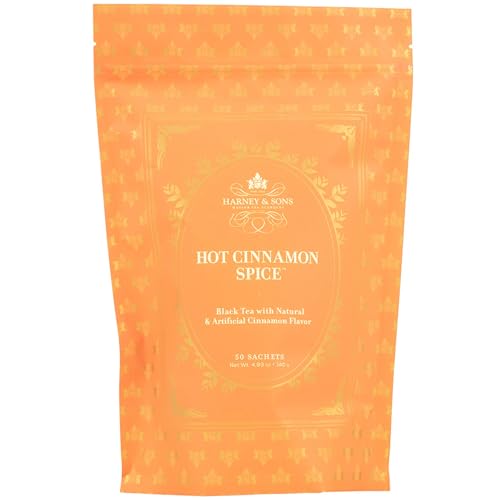
✅ Strong, authentic cinnamon flavor
Harney & Sons Hot Cinnamon Spice Black Tea

✅ Strong, authentic lychee aroma and flavor
Golden Sail Lychee Black Tea

✅ Non-bitter taste even with longer steeping