



We analyze real customer reviews to surface what matters: key strengths, ideal use cases, and honest considerations — so you can make an informed choice.
XIXICHA Red Jade Ruby Sun Moon Lake Tea
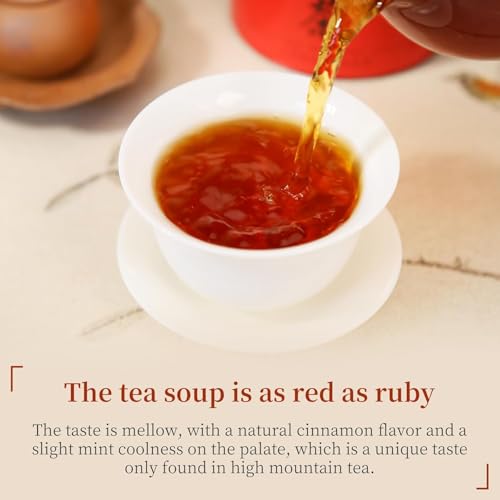
A floral, toasted Taiwanese black tea with smooth body and minimal astringency — complex enough to reward gong fu brewing, gentle enough to steep without bitterness.
🎯 Best for: Morning coffee alternative, Savoring/mindful tea drinking
🍃 Tastes like: floral, toasted, slightly sweet

What Stands Out
🍃 Flavor Profile
Strength: Moderate
Notes: floral, toasted, slightly sweet
✅ What Customers Love
- Rich, complex flavor with depth (5 mentions)
- Smooth, minimal bitterness/astringency (4 mentions)
- Beautiful floral/aromatic quality (4 mentions)
🎯 Best For
Morning coffee alternative • Savoring/mindful tea drinking • Hot or iced preparation • Multiple infusions from same leaves
Category: Black Tea
As an Amazon Associate we earn from qualifying purchases.
About This Black Tea
Sun Moon Lake's Ruby 18 cultivar produces a distinctly oolong-adjacent cup — floral and toasted, with mild sweetness and a smooth, full-bodied finish. Minimal astringency means it's forgiving to steep, and large intact leaf pieces hold up well across multiple infusions. Those expecting a fruity Assam-style black tea may find the profile surprising — it reads closer to a high-mountain oolong than a conventional black. Best suited to enthusiasts who appreciate nuanced, aromatic teas and anyone seeking a caffeine-forward morning cup without coffee's sharpness.
Is XIXICHA Red Jade Ruby Sun Moon Lake Tea Right for You?
What does red jade tea taste like?
This XIXICHA Red Jade has a layered flavor profile that surprises a lot of people. Reviewers consistently note floral and toasted notes with a natural sweetness — no sugar needed. It's smooth with minimal bitterness or astringency, which is unusual for a black tea. Some drinkers pick up grassy, oolong-like qualities, which can be unexpected if you're used to malty Assams or fruity Ceylons. The flavor is moderate in strength but rich in complexity, rewarding slow sipping.
Does this tea taste like a typical black tea?
No, and that's both its greatest strength and the main source of mixed reviews. If you're expecting a bold, malty Assam or a brisk Ceylon, this will surprise you. Reviewers describe it as floral, toasted, and naturally sweet with almost oolong-like qualities. Some people who expected fruity Taiwanese black tea notes were caught off guard by the grassy, oolong character. If you go in expecting something unique rather than "standard black tea," you'll appreciate it much more.
What tea is Sun Moon Lake known for?
Sun Moon Lake in Taiwan is famous for its Ruby Red (Hong Yu) black tea, also known as Red Jade or Taiwan Tea No. 18. This XIXICHA version is a Grade AAA Ruby from that region, and it's distinctly different from most black teas — reviewers describe it as having floral, toasted, and slightly sweet notes with an almost oolong-like complexity. It's one of the most celebrated single-origin black teas in the world.
How is Red Jade different from Darjeeling or Assam black tea?
Very different. Assam is bold, malty, and robust — great with milk. Darjeeling is lighter with muscatel notes. This Sun Moon Lake Red Jade is in its own category: floral, toasted, naturally sweet, and almost oolong-like in complexity. It has minimal astringency compared to Indian black teas, and it's designed to be savored plain. Think of it as a contemplative sipping tea rather than a breakfast workhorse. The flavor profile is closer to a high-end oolong than to what most people associate with black tea.
Is this Red Jade good for tea beginners?
Absolutely — and reviewers specifically call this out. It's forgiving to brew, meaning it won't turn bitter even if you steep a little too long. You only need a small amount of leaf per cup, and it works fine in a basic infuser — no fancy equipment required. It's also a great educational experience because it tastes so different from typical black teas. Just know that if your only reference is English Breakfast or Earl Grey, this will be a very different experience — floral, smooth, and subtle rather than bold and malty.
Do I need to add milk or sugar to this tea?
No — and most reviewers strongly recommend trying it plain first. This is one of those teas that's naturally sweet and smooth enough to stand on its own. Reviewers specifically say it doesn't need sweeteners or cream to be delicious, which is actually a distinguishing feature. Adding milk would likely mask the delicate floral and toasted notes that make this tea special. If you normally can't drink black tea without additions, this might genuinely change your mind.
As an Amazon Associate we earn from qualifying purchases.
How many times can you steep this Red Jade tea?
Multiple times — this is one of its best features. Reviewers confirm the leaves hold up well across several infusions, especially with gong fu brewing. You can typically get 4-6 good steeps, with the flavor evolving each time. The first steep opens up the leaves, the middle steeps are the sweet spot, and the later steeps get mellower and sweeter. This actually makes the per-cup cost much more reasonable than it first appears.
Is this tea easy on the stomach?
Yes — this is something reviewers highlight as an unexpected benefit. Unlike many black teas that can feel harsh on an empty stomach, this Red Jade is gentle enough that you don't need cream to buffer the tannins. It has minimal astringency, which is the compound that typically causes that dry, unsettled feeling. This makes it a particularly good option if strong black teas usually bother you.
What are common black tea mistakes?
With a premium tea like this Red Jade, the biggest mistakes are using boiling water (which can scorch the delicate floral notes), steeping too long on your first try, and throwing out the leaves after one steep. This tea handles multiple infusions — you're leaving flavor on the table if you brew once and dump. Also, don't add milk or sugar before trying it plain first. Reviewers consistently say this tea doesn't need anything added, and you might actually mask the subtle toasted and sweet notes that make it special.
What is the best way to brew black tea?
For this Red Jade specifically, reviewers note it rewards the gong fu brewing method — short steeps with a higher leaf-to-water ratio — which brings out its complex floral and toasted notes across multiple infusions. But it's also forgiving for beginners: you can brew it in a basic infuser with a small amount of leaves, and it won't turn bitter even if you steep a bit too long. Water around 195-205°F works well. The key takeaway from reviewers is that it handles multiple infusions beautifully, so don't toss those leaves after one cup.
How to brew black tea loose leaf?
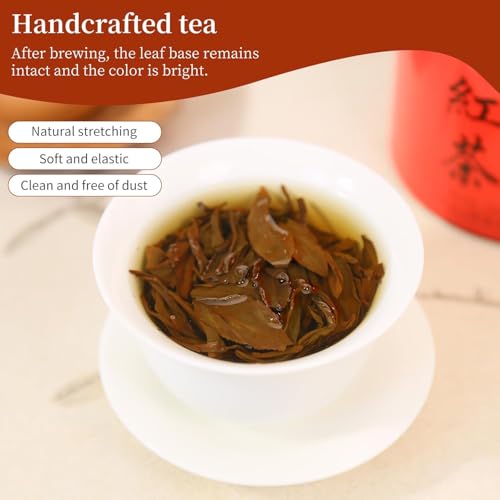
This XIXICHA Red Jade comes as large, beautiful loose leaves. Use about 3-5 grams per 8oz cup in any basic infuser or gaiwan. Heat water to around 200°F — not a full rolling boil. Steep 3-5 minutes for a single long infusion, or go gong fu style with shorter 20-30 second steeps and work your way up. Reviewers say you only need a small amount per cup and can get multiple solid infusions from the same leaves, which actually stretches the value quite a bit.
How to make black tea more tasty?
Honestly, with this particular Red Jade, the answer is technique rather than additives. Reviewers specifically say it doesn't need sweeteners or cream to taste delicious. Focus on water temperature (around 200°F, not boiling), use the right amount of leaf, and try shorter steeps to find your sweet spot. If you really want to explore, try gong fu brewing — the flavor evolves across infusions, revealing different floral, toasted, and sweet notes each time.
As an Amazon Associate we earn from qualifying purchases.
How to brew black tea for iced tea?
This Red Jade actually works well iced according to reviewers. You can cold brew it overnight in the fridge (about 5 grams per 16oz of cold water, 8-12 hours) for a super smooth, naturally sweet iced tea. Or brew it hot at double strength and pour over ice. Either way, it's delicious without sweetener, which is pretty rare for iced black tea. The floral notes come through nicely when chilled.
What's the best way to store this Red Jade?
The tea arrives vacuum-sealed with a freshness pack, which reviewers appreciate. However, once opened, the included container isn't ideal — reviewers note the crimped edges and design don't create a perfectly airtight seal. Your best bet is to transfer the tea to your own airtight tin or ceramic canister, keep it away from light and strong odors, and store at room temperature. The large, intact leaf pieces are a good sign for shelf life, as they retain freshness longer than broken or powdery leaves.
Who should NOT buy this tea?
Be cautious if you're specifically looking for a bold, malty black tea for milk tea or English Breakfast-style brewing — this isn't that. Reviewers who expected typical fruity Taiwanese black tea notes were also disappointed, finding unexpected grassy or oolong-like flavors instead. If you want a quick, casual brew without paying attention to water temperature or steep times, you might not get the best from it. And if you're very price-sensitive, there are cheaper daily drinkers out there — this is more of a special occasion or mindful tea-drinking experience.
What does AAA grade mean for this tea?
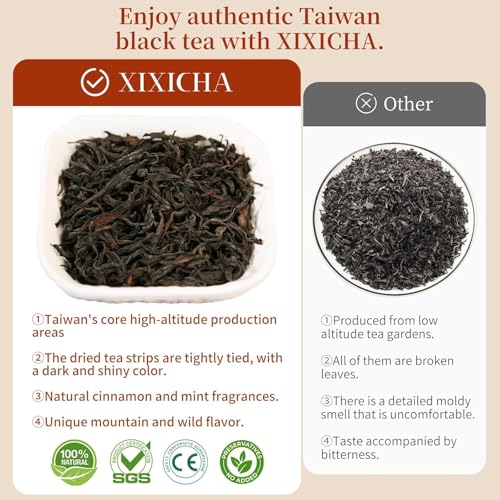
Grade AAA indicates the highest quality tier in the grading system — it means the leaves are carefully selected, larger, and more intact. Reviewers confirm this with the XIXICHA Red Jade, noting beautiful large leaf pieces with minimal residue or powder. In practical terms, higher grade means more complex flavor, better multiple infusions, and a cleaner cup. Reviewers compare the quality to what you'd find at a specialty tea house.
What is the healthiest form of black tea?
Loose leaf black tea like this XIXICHA Red Jade is generally considered the healthiest form because it's less processed than tea bags and retains more of its natural compounds. This particular tea has large, intact leaf pieces with minimal dust or powder, which is a sign of quality processing. Plus, since it tastes great without cream or sugar — reviewers specifically call that out — you're drinking it in its purest, healthiest form.
Can I use this tea for milk tea or bubble tea?
You could, but it's really not the best use for it. This Red Jade has subtle floral and toasted notes that would get completely buried under milk and sweetener. Its smooth, low-astringency character — which is its biggest selling point for plain drinking — actually works against it in milk tea, where you want a strong, bold tea that punches through the dairy. Save this for plain sipping and use a robust Assam or CTC black tea for milk tea.
As an Amazon Associate we earn from qualifying purchases.
Is black tea good for you in the morning?
This Red Jade is specifically recommended by reviewers as a morning coffee alternative. It has higher caffeine content than typical black teas, provides sustained energy, and is gentle on an empty stomach — no cream needed to prevent tannin-related discomfort. The brewing ritual also makes for a more mindful start to your day compared to chugging coffee.
Is there enough caffeine in black tea to keep you awake?
Yes — this Red Jade specifically is called out by reviewers for its higher caffeine content, and many use it as a morning coffee alternative for exactly that reason. It provides a noticeable energy boost without the crash. If you're sensitive to caffeine, you might want to avoid it in the evening, but for morning or early afternoon, it delivers.
What are 5 benefits of drinking black tea?
For this XIXICHA Red Jade specifically: (1) Higher caffeine content for natural morning energy without coffee jitters. (2) Gentle on the stomach — reviewers say no cream needed to protect from tannins. (3) Naturally delicious without sweeteners, so no added sugar in your routine. (4) Multiple infusions from the same leaves means you're hydrating throughout the day. (5) The mindful brewing process — especially gong fu style — is genuinely relaxing, which reviewers call out as a benefit in itself.
How long do you boil black tea for?
You don't want to boil this tea — boiling the leaves directly would damage the delicate floral and sweet notes that make this Red Jade special. Instead, bring water to about 195-205°F and steep for 3-5 minutes for Western-style brewing, or 15-30 seconds for gong fu style. One of the best things about this tea, according to reviewers, is that it's very forgiving — even if you over-steep slightly, it stays smooth without much bitterness.
How to brew black tea for milk tea?
If you're specifically making milk tea, this Red Jade honestly isn't the best choice — its delicate floral notes get lost under milk. For milk tea, you want bold, high-tannin teas like Assam CTC or a strong Ceylon. If you're set on trying it, brew double strength (twice the leaves, shorter steep) to give it a fighting chance against the milk, but you'd be better served using this tea plain and saving a less expensive, bolder tea for milk tea duty.
What is the number one black tea in the world?
That depends on what you value — but Sun Moon Lake Ruby black tea consistently ranks among the world's finest single-origin black teas. This XIXICHA Red Jade is a Grade AAA version, which reviewers compare favorably to specialty tea house offerings. It's not going to taste like a bold English Breakfast; instead, it offers a complex, floral, smooth experience that tea connoisseurs prize. If you're looking for a "best in class" black tea that's genuinely different from supermarket options, this is a strong contender.
As an Amazon Associate we earn from qualifying purchases.
Is black tea more caffeine than coffee?
Black tea generally has less caffeine than coffee — roughly 40-70mg per cup versus 95-200mg for coffee. However, reviewers specifically note that this Red Jade has higher caffeine content that works well as a morning energy source. It won't hit you like an espresso, but it provides a sustained, gentler lift without the jitters. Several people use it as their daily coffee alternative.
Which tea is highest in caffeine?
Among true teas, black teas and certain oolongs tend to have the most caffeine. This XIXICHA Red Jade is noted by reviewers for its higher caffeine content compared to typical black teas, making it a solid morning pick-me-up. It won't match matcha or yerba mate gram-for-gram, but for a black tea you brew multiple times, the cumulative caffeine across infusions adds up nicely.
Is black tea actually healthy?
Black tea in general is rich in antioxidants, supports heart health, and provides a moderate caffeine boost. What's notable about this particular Red Jade is that reviewers mention it's gentle on the stomach — you don't need cream to buffer tannins like you might with stronger black teas. It's also naturally delicious without sweeteners, which means you're not adding empty calories to get a good cup.
What happens if we drink black tea daily?
Daily black tea consumption is associated with improved heart health, better gut health, and steady energy from moderate caffeine. What's relevant about this Red Jade specifically is that reviewers find it gentle on the stomach — no need for cream to buffer the tannins. That makes it a more comfortable daily drinker than aggressive black teas. Plus, since it doesn't need sugar or cream, your daily habit stays pretty clean.
What Customers Love
⚠️ Limited sample based on limited customer feedback (11 reviews) • Our methodology
- Rich, complex flavor with depth (5 mentions)
- Smooth, minimal bitterness/astringency (4 mentions)
- Beautiful floral/aromatic quality (4 mentions)
- Vacuum sealed packaging with freshness pack (3 mentions)
- Fresh product with good shelf life (2 mentions)
- Large leaf pieces, minimal residue/powder (2 mentions)
- Strong brewing - multiple infusions possible (2 mentions)
- Works well hot or iced (1 mentions)
Taste Profile
- smooth
- rich
- mild
- full-bodied
- minimal astringency
- mellow
Best Use Cases
🎯 Best For
- Morning coffee alternative
- Savoring/mindful tea drinking
- Hot or iced preparation
- Multiple infusions from same leaves
⚠️ Not Ideal For
- When expecting typical fruity Taiwan black tea
- Quick, casual brewing without attention
What to Consider
- Grassy/oolong taste instead of expected fruity black tea notes (2 mentions)
- Faint taste, lacking body (minority opinion) (1 mentions)
- Poorly designed storage container - crimped edges, sharp pull tab, not airtight (1 mentions)
- Container arrives dented in shipping (2 mentions)
⚠️ Important: This analysis is based on limited customer feedback (11 reviews). We've shared what we found, but there may be additional considerations we haven't captured.
About This Analysis
This analysis is based on 11 customer reviews. We're showing you everything we found, but with a small sample, there's a lot we likely haven't captured yet.
✅ What we're confident about: What customers love and best use cases
⚠️ What may be incomplete: Potential issues and considerations
For more perspectives, check customer reviews on Amazon.
Product Selection
In short: We only feature high-rated products.
Products on TeaDelight.net are selected based on strong Amazon customer ratings, sufficient review volume, and market presence. We focus on well-regarded products that tea enthusiasts are actively considering and purchasing.
As an Amazon Associate we earn from qualifying purchases.
You Might Also Like

✅ Authentic restaurant-quality taste
Tea Zone Thai Tea Leaves
✅ Strong, authentic cinnamon flavor
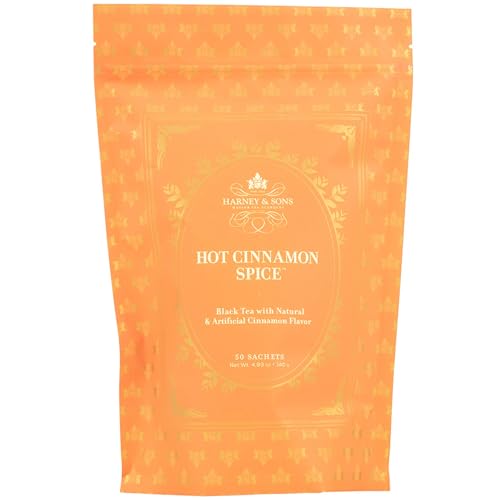
Harney & Sons Hot Cinnamon Spice Black Tea

✅ Strong, authentic lychee aroma and flavor
Golden Sail Lychee Black Tea

✅ Non-bitter taste even with longer steeping