



We analyze real customer reviews to surface what matters: key strengths, ideal use cases, and honest considerations — so you can make an informed choice.
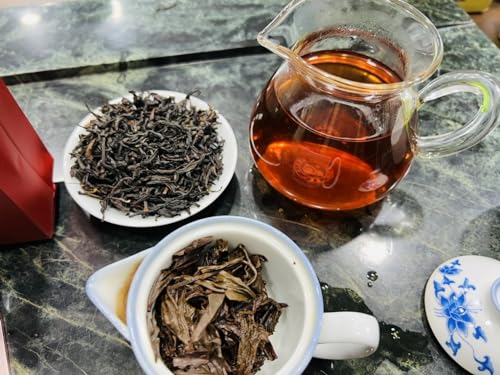
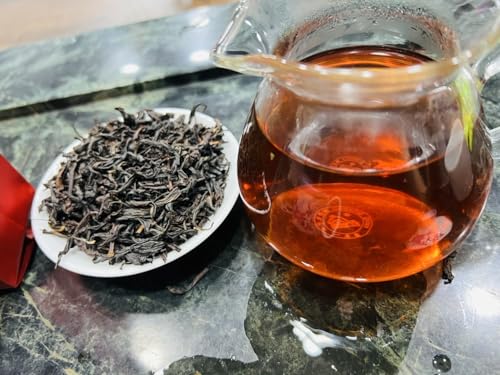
Xin Qing Taiwan Ruby High Mountain Black Tea
A smooth, full-bodied Taiwanese high mountain black tea with a naturally sweet character — particularly suited to cold brewing and unsweetened iced tea.
🎯 Best for: Unsweetened iced tea preparation
🍃 Tastes like: sweet

What Stands Out
🍃 Flavor Profile
Strength: Moderate
Notes: sweet
✅ What Customers Love
- Smooth, full-bodied taste when fresh (2 mentions)
- Works well for unsweetened iced tea (1 mentions)
🎯 Best For
Unsweetened iced tea preparation
Category: Black Tea
As an Amazon Associate we earn from qualifying purchases.
About This Black Tea
This Ruby high mountain black tea from Taiwan brews to a smooth, full-bodied cup with natural sweetness that needs no added sugar. Its clean character makes it well-suited for unsweetened iced tea, where that sweetness comes through without bitterness. Reviewers note that at its best, the tea is smooth and satisfying on its own. Quality can be inconsistent between orders — some batches have included twigs and stems with noticeably weaker flavor. Best suited for iced tea enthusiasts seeking a naturally sweet, low-bitterness black tea for everyday cold brewing.
Is Xin Qing Taiwan Ruby High Mountain Black Tea Right for You?
What does Xin Qing Taiwan Ruby Black Tea taste like?
When you get a good batch, this tea delivers a smooth, full-bodied cup with naturally sweet notes. Reviewers describe it as having a pleasant sweetness without needing any added sugar. However, it's worth being transparent: some customers have reported inconsistency between batches, with certain orders tasting noticeably weaker — almost watery. The flavor experience seems to depend heavily on which batch you receive.
Is the quality consistent between batches?
Unfortunately, this is a known issue with this tea. Reviewers have reported noticeable variation between orders — some batches are smooth and full-bodied as expected, while others contain twigs and stems, taste weak or watery, or have diminished aroma compared to earlier purchases. If you've had a great first experience, be aware that reorders may not be identical. This inconsistency is the most common complaint across reviews.
Who is this tea best for?
This Xin Qing Ruby Black Tea is best suited for someone who enjoys unsweetened iced tea and appreciates naturally sweet, smooth black teas. If you're exploring Taiwanese black teas beyond the more common Sun Moon Lake varieties, this is an interesting option. However, if you're very particular about consistent quality or are looking for a bold, strong black tea, you may want to look elsewhere — the flavor is moderate in strength and batch quality has been inconsistent.
Is this black tea good for making iced tea?
Yes, this is actually one of the standout uses for this tea. Reviewers specifically highlight that it works well for unsweetened iced tea, which makes sense given its naturally sweet, smooth profile. If you're someone who prefers iced tea without sugar, this could be a solid choice — the natural sweetness carries through nicely when chilled.
Can you drink this tea without sugar?
Yes, and in fact that's how it shines. This tea has naturally sweet notes that make it very drinkable without any sweetener. Reviewers specifically praise it for unsweetened iced tea preparation. If you're trying to reduce sugar intake but still want something that doesn't taste flat or bitter, this is the kind of tea that works well on its own — when you get a good batch.
As an Amazon Associate we earn from qualifying purchases.
How does this compare to other Taiwanese black teas?
Taiwan is better known for its oolongs and Sun Moon Lake (Ruby #18) black tea. This Xin Qing Ruby High Mountain Black Tea occupies a different niche — it's grown at higher elevation, which theoretically produces more nuanced flavors. At its best, it delivers a smooth, sweet cup with moderate body. Compared to Sun Moon Lake black teas, which tend to have more malty, honey-like intensity, this one leans lighter and sweeter. The trade-off is that the flavor can feel thin if you're used to bolder Taiwanese black teas.
What are the benefits of high mountain tea?
High mountain teas are prized because the cooler temperatures and misty conditions at elevation slow the growth of tea leaves, which concentrates flavor compounds and often produces a naturally sweeter, smoother cup. For this Xin Qing Ruby Black Tea specifically, when the batch quality is on point, reviewers describe a smooth, full-bodied taste with sweet notes — characteristics consistent with what you'd expect from a quality high mountain tea.
What kind of tea is Taiwanese high mountain tea?
Taiwanese high mountain tea refers to tea grown at elevations typically above 1,000 meters in Taiwan's mountain ranges. This particular tea — Xin Qing Taiwan Ruby High Mountain Black Tea — is a black tea variety grown at altitude, which is less common since most Taiwanese high mountain teas are oolongs. The high elevation contributes to slower leaf growth, which can develop more complex, sweeter flavor compounds in the leaves.
How to brew black tea for iced tea?
For making iced tea with this Xin Qing Ruby Black Tea, you have two good approaches. The hot brew method: steep with water around 200-212°F for 3-4 minutes, then pour over ice (use a stronger ratio since the ice will dilute it). The cold brew method: add the loose leaf tea to cold water and refrigerate for 8-12 hours. Given that reviewers praise this tea specifically for unsweetened iced tea, cold brewing may bring out its naturally sweet, smooth characteristics even more.
What is the best way to brew black tea?
For this Taiwanese Ruby Black Tea, start with water around 200-210°F — just off a full boil. Taiwanese black teas tend to be more delicate than Indian or Sri Lankan varieties, so slightly lower temperatures can help preserve those sweet, smooth notes. Steep for 3-4 minutes for a first infusion. High mountain black teas can often handle 2-3 infusions, so don't toss the leaves after one cup.
What are common black tea mistakes?
The most common mistakes that could affect your experience with this Xin Qing Ruby Black Tea: using water that's too hot (a full rolling boil can scorch more delicate Taiwanese black teas), steeping too long (over 5 minutes will bring out bitterness), and not using enough leaf. That last point is especially relevant here — some reviewers found this tea tasted weak or watery, which could partly be a leaf-to-water ratio issue. Try bumping up the amount of tea before assuming the tea itself is at fault.
As an Amazon Associate we earn from qualifying purchases.
What are 5 benefits of drinking black tea?
Five well-supported benefits of black tea like this Xin Qing Ruby: (1) Rich in antioxidants, particularly theaflavins unique to black tea. (2) May support heart health by improving cholesterol markers and blood vessel function. (3) Contains L-theanine for calm, focused energy without coffee jitters. (4) Supports gut health through polyphenols that act as prebiotics. (5) May help regulate blood sugar levels after meals. This particular tea's naturally sweet flavor means you can enjoy these benefits without adding sugar.
Is black tea good for weight loss?
Black tea may support weight management in a few ways — its polyphenols can promote fat breakdown, and caffeine gives a modest metabolic boost. But tea alone won't drive significant weight loss. What makes this Xin Qing Ruby Black Tea practical for a weight-conscious routine is its naturally sweet, smooth taste — you can drink it unsweetened (reviewers specifically praise it for unsweetened iced tea), which keeps it at essentially zero calories.
Is black tea good for you in the morning?
Absolutely. Black tea is one of the most popular morning beverages worldwide. This Xin Qing Ruby Black Tea provides a moderate caffeine boost (40-70mg per cup) along with L-theanine for smooth, focused energy. Its naturally sweet flavor profile means you can enjoy it first thing without needing to add anything. If you're transitioning away from coffee, a Taiwanese black tea like this one is a gentler step down in caffeine while still giving you that morning ritual.
How to brew black tea loose leaf?
For this loose leaf Ruby Black Tea, use about 3-4 grams of tea per 8 ounces of water. Heat water to around 200-210°F and steep for 3-4 minutes. A gaiwan or small teapot works well for Taiwanese teas since it allows you to do multiple short infusions. One thing to watch for: some customers have reported finding twigs and stems in their batches, so you may want to give the leaves a quick visual check before brewing.
How to make black tea more tasty?
If you find this Xin Qing Ruby Black Tea on the lighter side (some reviewers have), here are a few things to try: increase the leaf-to-water ratio, use a slightly lower water temperature (around 200°F) to bring out sweetness rather than bitterness, or try a gongfu-style approach with shorter steeps and more leaf. This tea has naturally sweet notes, so you likely won't need sugar. For iced tea, cold brewing overnight can also bring out a different, often smoother flavor profile.
How long do you boil black tea for?
You actually don't want to boil the tea itself — boiling the leaves directly will make any black tea bitter and astringent. For this Xin Qing Ruby Black Tea, bring your water to a boil, then let it cool for about 30 seconds (to around 200-210°F). Steep the leaves for 3-4 minutes. Since some reviewers have noted this tea can taste weak, if you find the flavor too light, try increasing the leaf amount rather than extending the steep time, which can introduce bitterness.
As an Amazon Associate we earn from qualifying purchases.
How to brew black tea for milk tea?
If you want to use this for milk tea, you'll want to brew it stronger than usual — use about 5-6 grams of leaf per 8 ounces of water and steep for 4-5 minutes. However, be aware that this Xin Qing Ruby Black Tea has a moderate, delicate flavor profile. Reviewers describe it as smooth and sweet rather than bold, which means it may get lost behind milk. Taiwanese black teas like this are generally better enjoyed plain. If you're specifically after milk tea, a stronger Assam or CTC black tea might serve you better.
Is black tea more caffeine than coffee?
No — coffee generally contains about twice the caffeine of black tea. A typical cup of black tea has around 40-70mg of caffeine, while coffee runs 80-100mg or more per cup. This Xin Qing Ruby Black Tea, being a high mountain Taiwanese variety, likely falls within that standard black tea caffeine range. It should give you a gentle lift without the jolt of coffee.
Which tea is highest in caffeine?
Among true teas (from Camellia sinensis), black tea and matcha tend to have the highest caffeine content, though it varies by processing and preparation. This Xin Qing Ruby Black Tea is a fully oxidized black tea, putting it in the higher-caffeine category compared to green or white teas. High mountain teas can sometimes have slightly higher caffeine due to slower leaf growth at altitude concentrating compounds in the leaves.
Is there enough caffeine in black tea to keep you awake?
Black tea like this Xin Qing Ruby does contain enough caffeine to provide alertness — typically 40-70mg per cup. Whether it keeps you awake at night depends on your sensitivity. Most people find they can drink black tea in the morning and early afternoon without sleep issues, but it's wise to avoid it within 4-6 hours of bedtime if you're caffeine-sensitive.
Which is healthier, black tea or green tea?
Both are healthy — they come from the same plant and share many of the same beneficial compounds. Green tea gets more health press due to its catechin (EGCG) content, while black tea has higher levels of theaflavins and thearubigins from oxidation, which have their own antioxidant benefits. This Ruby Black Tea, being fully oxidized, falls into the black tea camp. The honest answer is: whichever one you'll actually drink consistently is the healthier choice for you.
What is the number one black tea in the world?
There's no single 'number one' — it depends entirely on what you're looking for. Darjeeling is often called the 'champagne of teas,' Assam is prized for bold malty strength, and Taiwanese black teas like this Xin Qing Ruby are valued for their smooth sweetness and high mountain character. This tea offers something different from the big-name varieties: a naturally sweet, lighter-bodied cup. Whether that makes it your number one depends on your personal taste preferences.
As an Amazon Associate we earn from qualifying purchases.
Is black tea good for you when sick?
Black tea can be comforting when you're under the weather. It provides gentle hydration, the warmth can soothe a sore throat, and the antioxidants support immune function. The moderate caffeine also helps with the fatigue that comes with illness. This Xin Qing Ruby Black Tea's smooth, sweet profile makes it particularly gentle on the stomach compared to more astringent black teas — though you might want to brew it a little lighter than usual when you're not feeling well.
What happens if we drink black tea daily?
Drinking black tea daily is generally considered safe and may offer health benefits including antioxidants, improved heart health markers, and gut health support. For this Xin Qing Ruby Black Tea specifically, its naturally sweet profile and smooth body make it quite drinkable as an everyday tea — you shouldn't need sugar or milk, which keeps it a clean, low-calorie daily habit. Just be mindful of caffeine intake if you're drinking multiple cups.
Does black tea reduce belly fat?
There's some research suggesting black tea polyphenols may influence fat metabolism and gut bacteria in ways that support weight management, but no tea is going to target belly fat specifically. That said, if you're replacing sugary drinks with unsweetened black tea, that calorie reduction can certainly help. This Xin Qing Ruby Black Tea's natural sweetness makes it easier to drink without sugar — reviewers specifically note it works well unsweetened.
What Customers Love
⚠️ Limited sample based on limited customer feedback (8 reviews) • Our methodology
- Smooth, full-bodied taste when fresh (2 mentions)
- Works well for unsweetened iced tea (1 mentions)
Taste Profile
- smooth
- full-bodied
Best Use Cases
🎯 Best For
- Unsweetened iced tea preparation
What to Consider
- Inconsistent quality between batches - twigs and stems (1 mentions)
- Weak flavor, tastes like water (2 mentions)
- Packaging issues - not vacuum sealed (1 mentions)
- Lower quality taste and aroma in recent batches (1 mentions)
⚠️ Important: This analysis is based on limited customer feedback (8 reviews). We've shared what we found, but there may be additional considerations we haven't captured.
About This Analysis
This analysis is based on 8 customer reviews. We're showing you everything we found, but with a small sample, there's a lot we likely haven't captured yet.
✅ What we're confident about: What customers love and best use cases
⚠️ What may be incomplete: Potential issues and considerations
For more perspectives, check customer reviews on Amazon.
Product Selection
In short: We only feature high-rated products.
Products on TeaDelight.net are selected based on strong Amazon customer ratings, sufficient review volume, and market presence. We focus on well-regarded products that tea enthusiasts are actively considering and purchasing.
As an Amazon Associate we earn from qualifying purchases.
You Might Also Like

✅ Authentic restaurant-quality taste
Tea Zone Thai Tea Leaves
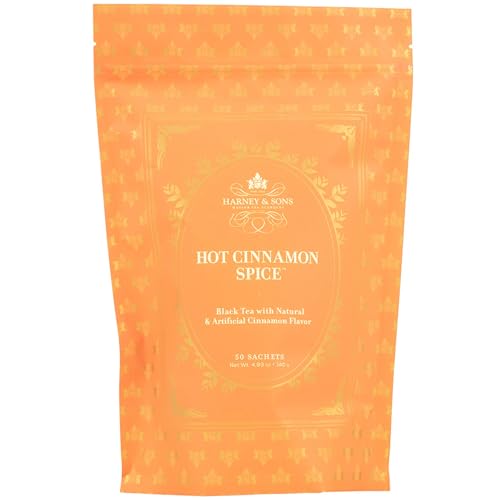
✅ Strong, authentic cinnamon flavor
Harney & Sons Hot Cinnamon Spice Black Tea

✅ Strong, authentic lychee aroma and flavor
Golden Sail Lychee Black Tea

✅ Non-bitter taste even with longer steeping