


We analyze real customer reviews to surface what matters: key strengths, ideal use cases, and honest considerations — so you can make an informed choice.
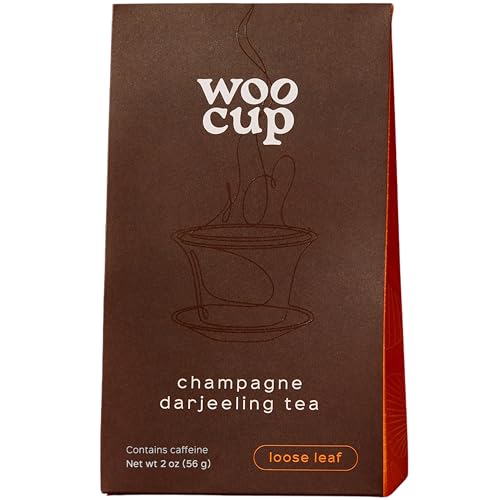
Woocup Champagne Darjeeling Tea
A first flush Darjeeling with delicate muscatel and ripe peach notes, delivering a clear amber cup with a smooth, slightly buttery finish and no trace of bitterness.
🎯 Best for: Afternoon tea, Dinner parties and social events
🍃 Tastes like: muscatel, floral, ripe peaches

What Stands Out
🍃 Flavor Profile
Strength: Delicate
Notes: muscatel, floral, ripe peaches
✅ What Customers Love
- Light, smooth taste without bitterness or pungency (14 mentions)
- Delicate muscatel and fruity flavor profile (10 mentions)
- Floral aroma and taste (8 mentions)
🎯 Best For
Afternoon tea • Dinner parties and social events • Sound bath meditation events • Pairing with seafood (scallops, fish) or pastries
Brand: Woocup
Category: Black Tea
As an Amazon Associate we earn from qualifying purchases.
About This Black Tea
This first flush Darjeeling delivers muscatel, ripe peach, and floral notes in a clear amber cup with a smooth, slightly oily finish — reviewers consistently note the absence of bitterness or astringency. The flavor is genuinely light: complex enough for enthusiasts to explore across multiple infusions, yet approachable for those new to loose leaf. It pairs naturally with seafood and pastries, and moderate caffeine makes it fitting for evening gatherings. Those seeking a bold, assertive black tea may find it too restrained. Best suited to curious beginners and Darjeeling devotees who appreciate delicate, nuanced first flush character.
Is Woocup Champagne Darjeeling Tea Right for You?
What does Woocup Champagne Darjeeling taste like?
Expect a delicate, nuanced tea with layers of flavor rather than a bold punch. Reviewers describe muscatel (that signature grape-like Darjeeling note), floral aromas, ripe peach sweetness, citrus hints, and subtle savory undertones. The body is smooth and light with an interesting oily, buttery mouthfeel and a clear amber color in the cup. It's not bitter or astringent at all — 14 reviewers specifically mention the lack of bitterness. Think of it as an elegant, refined tea that rewards slow sipping rather than a hearty breakfast brew.
Why is Darjeeling tea so expensive?
Darjeeling tea is expensive because production is limited to a small region with specific growing conditions, and first flush harvests are especially scarce since they only happen once a year in spring. That said, this Woocup Darjeeling is actually considered a strong value — multiple reviewers specifically call out the 'great price for the amount' and 'fantastic value.' At around 30 servings for a 2 oz package of organic, fair trade, first flush Darjeeling, it's a genuinely affordable way to experience a premium tea. The eco-friendly compostable packaging is a nice bonus that adds to the perceived value.
Is Woocup Darjeeling good for beginners?
This is actually an excellent tea for someone transitioning from tea bags to loose leaf. Reviewers consistently describe it as approachable, smooth, and forgiving — it doesn't go bitter easily even if you slightly over-steep. The packaging includes clear brewing instructions and even tasting notes with food pairing suggestions, which is really helpful when you're still learning. The flavor is light and naturally sweet with no pungency, so you won't need to add milk or sugar to enjoy it. It's a genuine introduction to what premium loose leaf tea can taste like.
Is this tea too weak or subtle?
This is a fair question — a couple of reviewers do find the flavor 'too subtle' or wish it were stronger. If you're used to bold Assam, English Breakfast, or Irish Breakfast teas, this Darjeeling will taste quite different. It's intentionally delicate and nuanced, which is the hallmark of a first flush Darjeeling. If you find it too light, use more leaf rather than steeping longer. But if you're specifically seeking a strong, punchy black tea, this probably isn't the right choice for you — and that's okay. It excels at being what it is: an elegant, complex, light-bodied tea.
What is the best way to brew black tea?
For this Woocup Darjeeling specifically, you'll want to treat it a bit differently than your average black tea. Since it's a delicate first flush, use water around 195–205°F (just below boiling) and steep for 3–4 minutes. The package includes clear brewing instructions, which reviewers appreciate. One tip from experienced drinkers: if you find the flavor too subtle on your first cup, try using a bit more leaf rather than steeping longer, which can introduce bitterness. This tea also rewards multiple infusions — just add a little extra steep time on each round.
What are common black tea mistakes?
The biggest mistake with a tea like this Woocup Darjeeling is treating it like a robust breakfast black tea. Here's what to avoid: using full rolling boil water (too hot for delicate first flush), over-steeping past 4 minutes (you'll lose the smooth character), and expecting a bold, punchy flavor. This is a nuanced, muscatel-forward tea — if you steep it right, you get beautiful floral and fruity notes. Also, some reviewers note it loses flavor on the second brew if you don't adjust, so add more steep time or slightly more leaf for subsequent infusions. Finally, transfer the tea to an airtight container for storage — the eco-friendly cloth bag packaging is beautiful but not ideal for long-term freshness.
As an Amazon Associate we earn from qualifying purchases.
Can you re-steep Woocup Darjeeling tea?
Yes, and this is one of the things reviewers appreciate about it. The whole leaves hold up well for 2–3 infusions. One thing to note: a couple of reviewers mention the flavor drops off on the second steep if you don't adjust your approach. The trick is to add 30–60 seconds of extra steep time with each subsequent infusion. You'll notice the flavor shifts a bit between steeps — the muscatel may soften while the floral notes come forward — which is part of the fun of exploring a good loose leaf tea.
How should I store Woocup Darjeeling tea?
This is one area where you'll want to take action after opening. The tea comes in eco-friendly, compostable packaging — a cloth bag inside a box — which is great for the environment but not ideal for long-term freshness. A couple of reviewers note the packaging isn't airtight. Transfer the tea to an airtight container (a tin or sealed jar) away from light, heat, and strong odors. First flush Darjeeling is prized for its fresh, delicate flavor, and proper storage helps preserve those nuanced muscatel and floral notes.
What food pairs well with this Darjeeling tea?
This is where this tea gets really interesting. Reviewers mention pairing it successfully with scallops, fish, and pastries — and the packaging itself includes food pairing suggestions. The delicate muscatel and fruity notes complement lighter foods beautifully without overpowering them. Think seafood, light pastries, fruit tarts, or mild cheeses. It's also been used for cooking by some reviewers. This pairing versatility makes it a genuinely good choice for dinner parties and afternoon tea with snacks.
Can I use Woocup Darjeeling as an alcohol replacement?
Surprisingly, yes — and this is one of the more unexpected uses reviewers mention. Some people serve it at social events and dinner parties as an alcohol alternative, and it works because the tea has enough complexity and character to feel like a 'real' drink rather than just hot water with flavor. The muscatel notes, subtle sweetness, and smooth body give it a sophistication that pairs well with social settings. It's been served at everything from dinner parties to sound bath meditation events.
How to make black tea more tasty?
If you find this Woocup Darjeeling too subtle for your taste — and a couple of reviewers do mention the flavor can be quite delicate — try using more leaf per cup rather than steeping longer. You can also try a slightly higher water temperature. That said, many drinkers find the natural muscatel, floral, and peachy notes are best enjoyed on their own without milk or sugar. Reviewers also recommend pairing it with food — it goes surprisingly well with seafood like scallops, fish, and pastries. The food pairing suggestions on the packaging are actually quite helpful.
How to brew black tea for iced tea?
This Woocup Darjeeling makes an excellent iced tea, and reviewers specifically mention it works beautifully as an iced peach tea. Brew it slightly stronger than usual — use about 1.5 teaspoons per 8 oz — since the ice will dilute the flavor. Steep in hot water for 3–4 minutes, then pour over ice or let it cool in the fridge. The natural ripe peach and fruity notes in this tea come through beautifully cold without needing any added sweeteners or flavors. It's refreshing and smooth with no bitterness.
As an Amazon Associate we earn from qualifying purchases.
Is Woocup tea really organic and fair trade?
Yes, this tea is USDA Certified Organic and Fair Trade certified, which means both claims are independently verified — not just marketing language. The organic certification means no synthetic pesticides or fertilizers were used in cultivation, and the fair trade certification means the farmers receive fair compensation. The packaging is also eco-conscious: reviewers highlight the compostable cloth bag and lack of plastic, which aligns with the brand's sustainability focus.
Is black tea good for you in the morning?
Absolutely, though this Woocup Darjeeling has a different character than your typical morning black tea. It's lighter and more delicate than an Assam or English Breakfast, so if you're looking for a bold wake-up punch, this might not be your first choice. But if you prefer a gentler, more refined start to your day — something smooth with muscatel and floral notes that doesn't need milk or sugar — it's lovely in the morning. The moderate caffeine gives you enough of a lift without the coffee crash. Several reviewers enjoy it as part of their daily routine.
Is there enough caffeine in black tea to keep you awake?
This particular Darjeeling has moderate caffeine — enough for a mild pick-me-up but unlikely to keep you tossing and turning. Multiple reviewers specifically mention enjoying it in the evening, at dinner parties, and even during meditation events. It provides a relaxing experience rather than a jittery one. That said, caffeine sensitivity varies from person to person, so if you're very sensitive, you might want to stick to afternoon drinking rather than right before bed.
What are 5 benefits of drinking black tea?
For this Woocup Darjeeling specifically, here's what stands out: (1) It's a pure, organic source of antioxidants with no additives or artificial flavors. (2) The moderate caffeine provides focused energy without jitters — reviewers find it relaxing, not stimulating. (3) It's an effective alcohol alternative at social events, which several reviewers actually use it for. (4) The smooth, non-bitter profile means you can drink it without milk or sugar, keeping calories at zero. (5) It supports multiple infusions from the same leaves, so you get sustained hydration and flavor throughout the day.
Who should NOT buy this tea?
Be honest with yourself about what you want from a black tea. If you're looking for a strong, bold, in-your-face black tea that stands up to milk and sugar — think English Breakfast or Irish Breakfast style — this isn't it. If you're seeking maximum caffeine, look elsewhere. And if you plan to store tea for months without transferring it to an airtight container, the eco-friendly packaging won't protect the leaves long-term. This tea is best suited for people who appreciate subtlety, complexity, and the art of a delicate brew.
What is so special about Darjeeling tea?
Darjeeling tea is grown in the foothills of the Himalayas and is prized for its unique muscatel flavor — a naturally sweet, grape-like quality you won't find in other black teas. This Woocup First Flush Darjeeling showcases exactly that: reviewers describe complex muscatel and fruity notes with floral aromas, a smooth body, and a clear amber color. It's a refined, delicate tea experience rather than a bold, heavy one, which is why Darjeeling has earned its reputation as one of the world's most celebrated teas.
As an Amazon Associate we earn from qualifying purchases.
Why is Darjeeling tea called the Champagne of tea?
Darjeeling earned the 'Champagne of tea' nickname because, like Champagne wine, it can only come from one specific region — the Darjeeling district of West Bengal, India — and it has a uniquely complex, elegant flavor profile. This Woocup version lives up to that name well. Reviewers consistently note the delicate muscatel notes, fruity character reminiscent of ripe peaches, and floral undertones that make it feel like a special occasion tea. It's light and refined rather than robust, which is exactly the Champagne parallel.
What is the highest grade Darjeeling tea?
The most sought-after Darjeeling grades are first flush whole leaf teas, which is exactly what Woocup offers here. First flush refers to the earliest spring harvest — these leaves are the most tender and produce the most nuanced, floral, and complex flavors. The whole leaf designation means the leaves haven't been broken or crushed, which preserves those delicate muscatel and fruity notes that reviewers love about this tea. Higher grades like SFTGFOP (Super Fine Tippy Golden Flowery Orange Pekoe) exist, but first flush whole leaf is already in premium territory.
How to brew black tea for milk tea?
Honestly, this probably isn't the best choice for milk tea. Darjeeling — especially a delicate first flush like this Woocup — has subtle muscatel, floral, and fruity notes that would get completely masked by milk. You'd be paying for nuance you can't taste. For milk tea, you're better off with a robust Assam or CTC black tea that's bold enough to stand up to dairy. Where this Darjeeling shines is drinking it straight, where you can appreciate the full complexity of the flavor.
What is the number one black tea in the world?
That's subjective, but Darjeeling consistently ranks among the world's most prestigious black teas, alongside varieties like Assam, Ceylon, and Keemun. First flush Darjeeling — which is what Woocup offers here — is especially prized because it's the earliest, most limited spring harvest with the most complex flavor. Whether it's 'number one' depends on your taste preference: if you value delicacy, muscatel complexity, and floral elegance over bold strength, Darjeeling is hard to beat.
How long do you boil black tea for?
A common mistake with Darjeeling — especially a delicate first flush like this Woocup — is using full-boiling water or steeping too long. You don't actually boil the tea itself; you heat water to just below boiling (around 195–205°F) and steep the leaves for 3–4 minutes. Going longer can make any tea bitter, but it's especially noticeable with this one since it has such a smooth, subtle flavor profile. If you want a stronger cup, reviewers recommend using more tea leaves rather than extending the steep time.
How to brew black tea loose leaf?
Brewing this Woocup loose leaf Darjeeling is straightforward, and the package includes helpful instructions to get you started. Use about 1 teaspoon of leaves per 8 oz of water heated to just below boiling (195–205°F). Steep for 3–4 minutes, then remove the leaves. A mesh strainer or small teapot with an infuser works perfectly. One of the nice things reviewers mention about this tea is that it's forgiving for beginners — the flavor stays smooth and non-bitter even if your timing isn't perfect. And don't toss the leaves after one cup — this tea does well with 2–3 infusions.
As an Amazon Associate we earn from qualifying purchases.
What is the healthiest form of black tea?
Loose leaf tea is generally considered the healthiest form because it uses whole or minimally processed leaves that retain more of their natural antioxidants and beneficial compounds compared to the dust and fannings found in most tea bags. This Woocup Darjeeling checks all the boxes — it's whole leaf loose tea, USDA Certified Organic, with no added flavors or additives. You're getting pure Darjeeling leaves and nothing else.
Which is healthier, black tea or green tea?
Both black and green tea come from the same plant (Camellia sinensis) and offer similar health benefits — antioxidants, potential heart health support, and gentle caffeine. Green tea has more catechins, while black tea has more theaflavins, and both are beneficial. This Woocup Darjeeling is particularly clean as far as black teas go — it's USDA Certified Organic, whole leaf, no added flavors. The honest answer is that the healthiest tea is the one you'll actually enjoy drinking consistently, and this one's smooth, non-bitter profile makes it easy to drink daily.
Which tea is highest in caffeine?
Among true teas, matcha typically has the highest caffeine per serving since you're consuming the whole leaf. Black teas generally fall in the middle, and this Woocup Darjeeling has what reviewers describe as moderate caffeine — enough for gentle alertness but not overpowering. First flush Darjeelings tend to have slightly less caffeine than heavily oxidized black teas like Assam. If maximum caffeine is your goal, this isn't the tea for you. But if you want a balanced, moderate caffeine experience that's suitable for afternoon or evening, it fits perfectly.
Is black tea more caffeine than coffee?
No, black tea generally has less caffeine than coffee — roughly 40–70 mg per cup compared to 80–100+ mg for coffee. This Woocup Darjeeling has what reviewers describe as a moderate caffeine level, enough to give you a gentle lift but not so much that it'll keep you wired. In fact, reviewers enjoy it at dinner parties and even in the evening, finding it relaxing rather than stimulating. If you're looking to cut back on coffee without going caffeine-free, this is a smooth transition.
What happens if we drink black tea daily?
Drinking black tea daily is associated with benefits like improved heart health, antioxidant intake, and better focus from the combination of caffeine and L-theanine. This Woocup Darjeeling works well as a daily tea — several reviewers mention incorporating it into their daily routine. It's organic and has no added flavors, so you're drinking pure tea. The moderate caffeine means you're getting a gentle, sustained boost without the crash that comes with coffee. Reviewers also describe it as relaxing, making it a nice daily wind-down ritual.
Is black tea actually healthy?
Black tea is well-studied and associated with several health benefits, including antioxidant support, improved heart health, and better gut health. This Woocup Darjeeling is USDA Certified Organic, which means no synthetic pesticides or chemicals were used in growing it — a plus if you're drinking tea specifically for health reasons. It's also a pure, whole leaf tea with no added flavors, so you're getting just the tea leaf and nothing else. Reviewers find it relaxing after a long day, and the moderate caffeine level makes it suitable even for evening drinking.
As an Amazon Associate we earn from qualifying purchases.
Is black tea good for you when sick?
Black tea can be comforting when you're feeling under the weather — the warmth, hydration, and antioxidants all help. This Woocup Darjeeling is particularly gentle on the system since it's smooth and non-bitter with no added ingredients. The moderate caffeine provides a mild energy boost without being harsh on a sensitive stomach. It's organic with no artificial additives, so you're drinking clean. That said, if you're very congested, you might prefer something with more body — this one's quite delicate.
What Makes This Product Special
⚠️ Preliminary analysis based on 20-review sample • Our methodology
- Light, smooth taste without bitterness or pungency (14 mentions)
- Delicate muscatel and fruity flavor profile (10 mentions)
- Floral aroma and taste (8 mentions)
- Eco-friendly, compostable packaging (cloth bag, no plastic) (6 mentions)
- Fresh, high-quality loose leaf tea (5 mentions)
- Good for re-steeping multiple infusions (4 mentions)
- Pairs well with food (scallops, fish, pastries) (3 mentions)
Taste Profile
- smooth
- light
- delicate
- balanced
- subtle
- oily mouthfeel
- buttery
- clear amber color
Best Use Cases
🎯 Best For
- Afternoon tea
- Dinner parties and social events
- Sound bath meditation events
- Pairing with seafood (scallops, fish) or pastries
- Transitioning from alcohol to tea
- Daily tea routine
- Iced peach tea
⚠️ Not Ideal For
- Those seeking strong, bold black tea flavor
- Long-term storage without transferring to airtight container
What to Consider
- Packaging not airtight (box and mesh bag may degrade tea during storage) (2 mentions)
- Flavor may be too subtle or nearly tasteless for some preferences (2 mentions)
- Loses flavor significantly on second brew if not adjusted (1 mentions)
- May need brewing adjustment (more tea or longer steep) to achieve desired strength (2 mentions)
⚠️ based on 20-review sample. Some issues may not be captured.
About This Analysis
This analysis is based on 20 customer reviews. We're showing you everything we found, but with a moderate sample, there's a lot we likely haven't captured yet.
✅ What we're confident about: What customers love and best use cases
⚠️ What may be incomplete: Potential issues and considerations
For more perspectives, check customer reviews on Amazon.
Product Selection
In short: We only feature high-rated products.
Products on TeaDelight.net are selected based on strong Amazon customer ratings, sufficient review volume, and market presence. We focus on well-regarded products that tea enthusiasts are actively considering and purchasing.
As an Amazon Associate we earn from qualifying purchases.
You Might Also Like

✅ Authentic restaurant-quality taste
Tea Zone Thai Tea Leaves
✅ Strong, authentic cinnamon flavor
Harney & Sons Hot Cinnamon Spice Black Tea

✅ Strong, authentic lychee aroma and flavor
Golden Sail Lychee Black Tea

✅ Non-bitter taste even with longer steeping