



We analyze real customer reviews to surface what matters: key strengths, ideal use cases, and honest considerations — so you can make an informed choice.
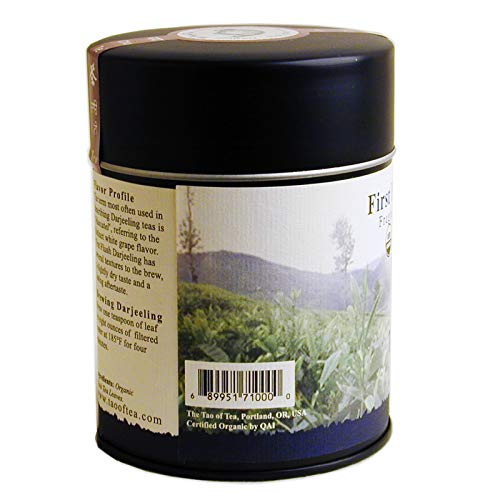
The Tao of Tea First Flush Darjeeling Black Tea
A delicate first flush Darjeeling with pale amber liquor, subtle muscatel hints, and a green tea-like lightness that rewards careful, attentive brewing.
🎯 Best for: Late afternoon tea when wanting low caffeine, Evening or dessert tea
🍃 Tastes like: muscatel hint, green tea-like, white tea-like

What Stands Out
🍃 Flavor Profile
Strength: Delicate
Notes: muscatel hint, green tea-like, white tea-like
✅ What Customers Love
- Large, high-quality whole leaves that unfurl beautifully (4 mentions)
- Exceptional leaf quality and size (3 mentions)
- Good value/reasonable price for quality Darjeeling (3 mentions)
🎯 Best For
Late afternoon tea when wanting low caffeine • Evening or dessert tea • Glass teapot brewing to watch leaves unfurl • Those seeking subtle, delicate flavors
Brand: The Tao of Tea
Category: Black Tea
As an Amazon Associate we earn from qualifying purchases.
About This Black Tea
This first flush Darjeeling brews to a pale amber cup with a clean, delicate character — muscatel hints, a touch of sweetness, and a complexity closer to white or green tea than a typical bold black. The large whole leaves unfurl visibly during steeping, making a glass teapot a natural pairing. Reviewers note the flavor is genuinely subtle; those expecting a robust black tea will find it too mild. Low caffeine content makes it a natural fit for late afternoon or evening. Best suited to those who appreciate nuanced, restrained teas and want a Darjeeling that shows its first flush character.
Is The Tao of Tea First Flush Darjeeling Black Tea Right for You?
What does The Tao of Tea First Flush Darjeeling taste like?
Expect something very different from your typical bold black tea. This brews to a pale amber color — closer to white tea than what most people picture for black tea. The flavor is delicate and subtle, with hints of muscatel (a slightly grape-like sweetness that Darjeeling is famous for), along with green tea-like and white tea-like qualities. There's a natural slight sweetness and a clean, light body. Multiple reviewers describe it as complex but gentle. If you're used to robust breakfast teas, this will feel like a completely different category of tea — because it essentially is.
How to prepare first flush Darjeeling tea?
The Tao of Tea actually includes brewing instructions right on the tin, which is a nice touch. For first flush Darjeeling, you generally want water around 190–200°F (not a full rolling boil — that's too aggressive for these delicate leaves). Steep for 3 to 4 minutes. One of the highlights reviewers love is watching the large whole leaves unfurl during steeping, so consider using a glass teapot or a clear cup for the visual experience. This tea rewards proper technique — skip the milk, as reviewers say it doesn't pair well. A light touch brings out the subtle muscatel and sweet notes.
Is this Darjeeling too weak or mild?
This is the most common criticism in reviews — several people find it too mild or subtle for their taste. If you enjoy bold English Breakfast or Assam teas, this will feel very light by comparison. That said, "weak" is a matter of perspective. Darjeeling first flush is inherently delicate, and fans of this style appreciate the subtlety and complexity. If you're unsure, try using slightly more leaves per cup rather than steeping longer. But if you're specifically looking for a strong, punchy black tea, this genuinely isn't it — and that's by design, not a flaw.
Can you re-steep The Tao of Tea First Flush Darjeeling?
Yes, and this is one of the highlights reviewers call out. The large, high-quality whole leaves hold up well across multiple steepings. You can get two or three good cups from the same leaves, with each steeping bringing out slightly different flavor notes. This also improves the value — even though the 3.5 oz tin might seem small, the re-steeping capability stretches it further than you'd expect. Just increase the steeping time slightly with each subsequent brew.
Are the leaves really whole leaves or broken pieces?
There are conflicting reports on this. The majority of reviewers rave about the large, high-quality whole leaves and love watching them unfurl during steeping. However, at least one reviewer noted the leaves appeared to be pieces rather than full leaves. This could come down to natural variation between batches or harvest years — one reviewer also mentioned quality differences between years. Overall, the strong consensus is that the leaf quality is impressive, with multiple people specifically calling out the leaf size and visual appeal as standout features.
Does the packaging keep the tea fresh?
Yes — The Tao of Tea uses a double-lid tin design that reviewers specifically praise for keeping the tea fresh. The inner lid creates a tighter seal than a standard single-lid tin, which matters for loose leaf tea that can go stale when exposed to air. Once opened, just make sure to close both lids after each use and store it away from strong odors (tea absorbs smells easily). The tin is also reusable for storing other teas later.
As an Amazon Associate we earn from qualifying purchases.
Is The Tao of Tea First Flush Darjeeling organic?
Yes, it's USDA organic certified. This means the tea is grown without synthetic pesticides, herbicides, or fertilizers. For a tea you're steeping in hot water and drinking directly, organic certification gives some extra peace of mind since you're essentially consuming whatever was on those leaves. It also contributes to the price point being slightly higher than non-organic Darjeelings, but reviewers generally feel the organic certification is part of what makes it good value overall.
When is the best time to drink this tea?
Late afternoon and evening are where this tea really shines. Reviewers highlight its low caffeine content and relaxing-without-sedating quality as perfect for winding down. It also works well as an after-dinner or dessert tea — the subtle sweetness complements the end of a meal without being heavy. Morning is probably not ideal unless you don't rely on caffeine to start your day. Think of it as your 3 PM to 9 PM tea.
How many cups does the 3.5 oz tin make?
The tin suggests around 60 cups, but some reviewers note you may get fewer because the subtle flavor benefits from using a bit more tea per cup than the minimum recommendation. Realistically, expect somewhere around 40–50 cups with a standard amount of leaves. However, since reviewers confirm the leaves re-steep well for 2–3 infusions, your actual cup count goes up significantly if you re-brew. So the value is better than the initial number suggests.
Is The Tao of Tea Darjeeling good for beginners?
It's actually a great choice for beginners for several reasons. The tin comes with clear brewing instructions, so you're not guessing. The brewing process is forgiving — it's hard to completely ruin this tea even if your water temperature isn't perfect. And the price point is reasonable for the quality you're getting. The only caveat: if you're coming from bold, flavored teas or coffee, you might find it too subtle at first. But if you're curious about exploring what quality loose leaf tea actually tastes like, this is an approachable starting point.
Can you watch the leaves unfurl in this tea?
Absolutely — this is one of the things reviewers love most about this tea. The large, high-quality whole leaves unfurl beautifully during steeping, and multiple reviewers specifically recommend brewing it in a glass teapot or clear vessel to enjoy the visual show. It's one of those small pleasures that makes loose leaf tea feel special compared to tea bags. The leaves expanding is also a good visual indicator of when your tea is ready.
As an Amazon Associate we earn from qualifying purchases.
Does this Darjeeling have the Darjeeling certification seal?
One reviewer noted that this tea lacks the authentic Darjeeling seal/certification from the Tea Board of India. This doesn't necessarily mean it isn't genuine Darjeeling — many reputable smaller brands source authentic Darjeeling without going through the formal certification process. The flavor profile (muscatel notes, pale amber color, delicate character) is consistent with genuine first flush Darjeeling, and the overwhelming majority of reviewers are satisfied with its authenticity. But if official certification is important to you, it's worth noting.
What are common black tea mistakes?
With a first flush Darjeeling like this one, the biggest mistake is treating it like a regular black tea. Using boiling water will scorch the delicate leaves — drop the temperature to 190–200°F. Over-steeping is another common error; 3 to 4 minutes is the sweet spot. Adding milk is also a mistake here specifically — reviewers confirm it doesn't work with this tea's light, subtle character. And don't throw away the leaves after one steep. Multiple reviewers mention this tea re-brews well, so you'd be wasting good tea.
How to brew black tea for milk tea?
Honestly, this isn't the right tea for milk tea. Reviewers specifically note that The Tao of Tea First Flush Darjeeling doesn't work well with milk — the flavor is too delicate and subtle to stand up to dairy. Milk completely overwhelms the light muscatel notes and slight sweetness that make this tea special. If you want milk tea, look for a robust Assam or a second flush Darjeeling instead. This first flush is best enjoyed straight to appreciate its nuanced character.
Is there enough caffeine in black tea to keep you awake?
With this Tao of Tea First Flush Darjeeling, probably not — and that's actually one of its selling points. Reviewers specifically note its low caffeine content, describing it as relaxing without being sedating. Multiple people recommend it as an afternoon or evening tea precisely because it won't keep you up. If you need a caffeine kick to power through your morning, this isn't your tea. But if you want something calming for later in the day with just a gentle lift, it fits perfectly.
Is black tea good for you in the morning?
Black tea can be great in the morning, but this particular First Flush Darjeeling might not be the best morning choice for most people. Reviewers consistently describe it as very light and delicate — more of an afternoon or evening tea. If you need that morning caffeine kick to get going, this tea's low caffeine and subtle flavor probably won't cut it. It's better suited as a mid-afternoon or after-dinner tea. For mornings, consider a bolder Assam or breakfast blend, and save this one for when you want to slow down and savor something refined.
What are 5 benefits of drinking black tea?
For this Tao of Tea First Flush Darjeeling specifically: (1) Lower caffeine than most black teas, so you can enjoy it afternoon or evening without sleep disruption. (2) USDA organic certified, meaning no synthetic pesticides in your daily cup. (3) Reviewers describe it as relaxing without sedation — a genuine calming effect. (4) The large whole leaves can be re-steeped multiple times, giving you more servings and better value per cup. (5) The subtle, complex flavor profile can help wean you off sugary drinks — its natural slight sweetness means many people enjoy it without any sweetener.
As an Amazon Associate we earn from qualifying purchases.
What is first flush Darjeeling tea?
First flush Darjeeling is the very first harvest of the year, typically picked in spring after the tea plants have rested through winter. These early leaves produce a lighter, more delicate cup compared to later harvests. The Tao of Tea's First Flush Darjeeling brews to a pale amber color that's closer to white tea in appearance than what most people expect from a black tea. The flavor is subtle and complex with hints of muscatel and a slight sweetness — it's a completely different experience from bold, malty black teas.
What is better, first or second flush in Darjeeling?
It depends entirely on what you're looking for. First flush Darjeeling, like this Tao of Tea tin, is lighter, more delicate, and has a subtle complexity — reviewers describe green tea-like and white tea-like qualities with a hint of muscatel. Second flush is bolder, more full-bodied, and typically has stronger muscatel notes. Interestingly, some reviewers of this tea note muscatel characteristics that are usually associated with second flush, which is a pleasant surprise. If you prefer delicate, nuanced flavors, go first flush. If you want something robust that can handle milk, second flush is your pick.
How to make black tea more tasty?
For this First Flush Darjeeling, the key to great flavor is proper technique rather than additives. Use slightly cooler water (190–200°F), give the leaves room to unfurl, and steep for the right amount of time. If you find it too subtle — which some reviewers do note — try using slightly more leaves per cup rather than steeping longer. A touch of honey complements the natural slight sweetness without masking the delicate muscatel notes. But honestly, this tea is designed to be appreciated for its subtlety. If you want a bold, punchy cup, this isn't the right tea — it's more of a contemplative, afternoon sipper.
How long do you boil black tea for?
With The Tao of Tea First Flush Darjeeling, you don't want to use boiling water at all — that's a common mistake with delicate black teas like this one. Heat your water to about 190–200°F (just below boiling, when you see small bubbles forming). Then steep for 3 to 4 minutes. Going longer won't make it bolder in a good way; first flush Darjeeling is naturally light and subtle, and over-steeping just adds bitterness without depth.
How to brew black tea loose leaf?
This Tao of Tea Darjeeling comes as loose leaf, and it's a great introduction to loose leaf brewing. Use about 1 teaspoon of leaves per 8 oz of water heated to 190–200°F. Give the leaves plenty of room to expand — these are large whole leaves that unfurl beautifully, which is part of the experience. Steep for 3 to 4 minutes, then strain. One of the best things reviewers mention is that you can re-brew these leaves multiple times, with each steeping revealing slightly different flavors. The tin itself has instructions, so you won't be guessing.
How to make black tea step by step?
Here's how to get the best cup from this Tao of Tea First Flush Darjeeling: Heat fresh filtered water to about 190–200°F (just below boiling). Measure about 1 teaspoon of loose leaves per cup. Place leaves in a teapot or infuser with room to expand — these are large, whole leaves that need space. Pour the hot water over the leaves and steep for 3 to 4 minutes. Strain and enjoy without milk or sugar on the first try — the natural subtle sweetness and muscatel hints are best appreciated on their own. Save the leaves for a second or even third steep.
As an Amazon Associate we earn from qualifying purchases.
What is the best way to brew black tea?
For this particular black tea, you'll want to break some of the usual black tea rules. Most black teas call for fully boiling water, but first flush Darjeeling is more delicate — use water around 190–200°F and steep for 3 to 4 minutes. The Tao of Tea prints brewing guidelines on the tin, which is helpful. The big whole leaves need room to expand, so don't cram them into a tiny infuser. Reviewers recommend a glass teapot so you can watch the leaves unfurl, which is genuinely beautiful. And good news: these leaves can be re-brewed multiple times, so you get more than one cup from each serving.
How to brew black tea for iced tea?
This Tao of Tea First Flush Darjeeling can make a lovely iced tea, though it'll be a more delicate, refined version compared to bold iced teas. Brew it a bit stronger than usual — about 1.5 teaspoons per cup at 190–200°F for 4 minutes. Let it cool to room temperature before refrigerating (pouring hot tea over ice can make it cloudy). The pale amber color looks beautiful over ice, and the subtle sweetness means you might not need any sweetener. Just know this won't taste like Southern sweet tea — it's more of a light, refreshing, slightly sweet sipper.
Is Darjeeling black tea good for you?
Darjeeling black tea offers the general health benefits associated with black tea — antioxidants, support for heart health, and improved gut function — but this particular First Flush from The Tao of Tea has a couple of additional things going for it. It's USDA organic certified, so you're not getting pesticide residues in your cup. Reviewers also note it has lower caffeine than typical black teas, making it a good option if you're watching your caffeine intake but still want a real tea (not herbal).
What happens if we drink black tea daily?
Drinking black tea daily is generally associated with benefits like improved heart health, better gut bacteria, and antioxidant intake. With this Tao of Tea First Flush Darjeeling specifically, daily drinking is quite reasonable — it's USDA organic certified (so no pesticide concerns with regular consumption), and its lower caffeine content means you're less likely to overdo it on caffeine even with daily cups. Reviewers who drink it regularly describe a relaxing ritual without the jittery effects of stronger teas or coffee.
What is the number one black tea in the world?
That depends on who you ask and what you value. Darjeeling is often called the "Champagne of Teas" and is widely regarded as among the finest black teas globally. This Tao of Tea First Flush Darjeeling represents that pedigree at an accessible price point. It's USDA organic, features quality whole leaves, and delivers the delicate first flush character that Darjeeling connoisseurs prize. Whether it's "number one" is subjective, but it's in a category that many tea experts consider the peak of black tea refinement.
Is black tea more caffeine than coffee?
Black tea generally has less caffeine than coffee — roughly 40–70 mg per cup versus 95–200 mg for coffee. This particular Tao of Tea First Flush Darjeeling likely falls on the lower end of the black tea caffeine range. Reviewers specifically mention its low caffeine content as a benefit, noting it's suitable for afternoon and even evening drinking without keeping you up. If you're looking to reduce caffeine but not eliminate it entirely, this is a solid option.
As an Amazon Associate we earn from qualifying purchases.
How much caffeine in black tea vs coffee?
A typical cup of black tea has about 40–70 mg of caffeine compared to coffee's 95–200 mg. This Tao of Tea First Flush Darjeeling appears to be on the lower end of the black tea spectrum — reviewers consistently describe it as low caffeine and recommend it for afternoon and evening drinking. First flush teas in general tend to have varying caffeine levels, but the consensus from people who drink this one is that it's noticeably mild in the caffeine department.
Which tea is highest in caffeine?
Among true teas, matcha and certain black teas like Assam tend to be highest in caffeine. This Tao of Tea First Flush Darjeeling falls on the lower end of the black tea caffeine spectrum. Reviewers consistently describe it as suitable for afternoon and evening drinking, which suggests noticeably lower caffeine than a typical Assam or breakfast blend. If you're specifically seeking high caffeine, look elsewhere — but if you want a tea you can enjoy later in the day without it affecting your sleep, this fits the bill.
Which is healthier, black tea or green tea?
Both are made from the same Camellia sinensis plant and offer overlapping health benefits — antioxidants, heart health support, and anti-inflammatory properties. Green tea gets more press for its EGCG content, while black tea has its own unique antioxidants called theaflavins. This Tao of Tea First Flush Darjeeling actually blurs the line interestingly — reviewers describe it as having green tea-like and white tea-like qualities despite technically being a black tea. Its lighter processing (characteristic of first flush) may preserve more of the catechins typically associated with green tea. Drink whichever you enjoy more consistently.
What Customers Love
⚠️ Limited sample based on limited customer feedback (12 reviews) • Our methodology
- Large, high-quality whole leaves that unfurl beautifully (4 mentions)
- Exceptional leaf quality and size (3 mentions)
- Good value/reasonable price for quality Darjeeling (3 mentions)
- Double lid packaging keeps tea fresh (2 mentions)
- Can be re-brewed multiple times (2 mentions)
- Brewing instructions on tin (1 mentions)
- USDA organic certified (1 mentions)
Taste Profile
- subtle
- light
- delicate
- slightly sweet
- musty
- clean
- pale amber color
- complex
Best Use Cases
🎯 Best For
- Late afternoon tea when wanting low caffeine
- Evening or dessert tea
- Glass teapot brewing to watch leaves unfurl
- Those seeking subtle, delicate flavors
⚠️ Not Ideal For
- Morning tea (too light for most)
- Those preferring bold black tea flavors
- Milk tea preparation
What to Consider
- Very mild/subtle flavor may be too weak for some (4 mentions)
- Lacks authentic Darjeeling seal/certification (1 mentions)
- Appears to be leaf pieces rather than full leaves (conflicting reports) (1 mentions)
- Quality and taste inconsistency between harvest years (1 mentions)
- No lingering aftertaste (1 mentions)
- Does not work well with milk (1 mentions)
⚠️ Important: This analysis is based on limited customer feedback (12 reviews). We've shared what we found, but there may be additional considerations we haven't captured.
About This Analysis
This analysis is based on 12 customer reviews. We're showing you everything we found, but with a small sample, there's a lot we likely haven't captured yet.
✅ What we're confident about: What customers love and best use cases
⚠️ What may be incomplete: Potential issues and considerations
For more perspectives, check customer reviews on Amazon.
Product Selection
In short: We only feature high-rated products.
Products on TeaDelight.net are selected based on strong Amazon customer ratings, sufficient review volume, and market presence. We focus on well-regarded products that tea enthusiasts are actively considering and purchasing.
As an Amazon Associate we earn from qualifying purchases.
You Might Also Like

✅ Authentic restaurant-quality taste
Tea Zone Thai Tea Leaves
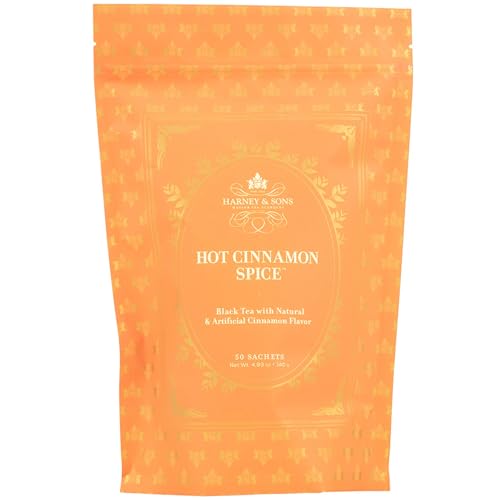
✅ Strong, authentic cinnamon flavor
Harney & Sons Hot Cinnamon Spice Black Tea

✅ Strong, authentic lychee aroma and flavor
Golden Sail Lychee Black Tea

✅ Non-bitter taste even with longer steeping