


We analyze real customer reviews to surface what matters: key strengths, ideal use cases, and honest considerations — so you can make an informed choice.
The Tao of Tea Ceylon Orange Pekoe
A delicate Ceylon black tea with clean, fruity brightness and a smooth finish — light enough to serve chilled as iced tea or re-steeped multiple times throughout the day.
🎯 Best for: Daily tea drinking, Iced tea preparation
🍃 Tastes like: fruity, fresh

What Stands Out
🍃 Flavor Profile
Strength: Delicate
Notes: fruity, fresh
✅ What Customers Love
- Smooth, light, and refreshing flavor profile (6 mentions)
- High-quality taste compared to other brands (3 mentions)
- Can be re-steeped multiple times with good results (1 mentions)
🎯 Best For
Daily tea drinking • Iced tea preparation • Light refreshment • Multiple steepings throughout the day
Brand: The Tao of Tea
Category: Black Tea
As an Amazon Associate we earn from qualifying purchases.
About This Black Tea
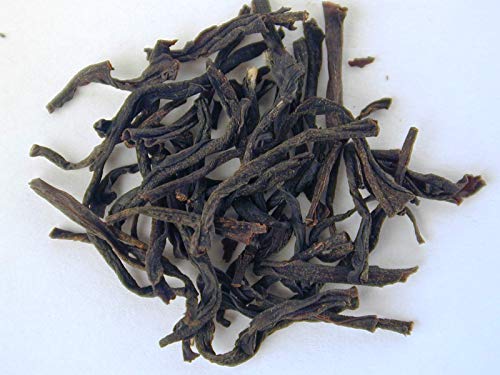
This Ceylon loose leaf brews a light, clear cup with a fresh, fruity brightness that reviewers consistently describe as smooth and refreshing. The coarser leaf holds up well across multiple infusions — adjusting steep time between rounds coaxes out different nuances. It also excels as iced tea, where its delicate character translates cleanly without bitterness. Worth noting: the larger leaf fragments require a fine-mesh infuser. A natural fit for daily drinkers who prefer a light, unfussy cup and those who enjoy iced black tea year-round.
Is The Tao of Tea Ceylon Orange Pekoe Right for You?
What does The Tao of Tea Ceylon Orange Pekoe taste like?
This Ceylon is on the lighter, more delicate side of black teas. Reviewers consistently describe it as smooth, light, and refreshing with fruity, fresh notes. It brews up clear and bright — not heavy or astringent at all. If you're used to bold, malty black teas like Assam, this one will feel quite different. Think of it more as a crisp, clean daily sipper than a punch-you-in-the-face breakfast tea.
Can you re-steep The Tao of Tea Ceylon Orange Pekoe?
Yes, and this is one of its underrated strengths. Reviewers confirm you can re-steep these leaves multiple times with good results — just add about a minute to each subsequent infusion. The large leaf size actually helps here, as whole leaves release flavor more gradually than broken leaves. You can realistically get 2-3 good cups from one portion of leaves, which effectively doubles or triples the value of the tin.
Is this a good black tea for beginners?
This is an excellent choice for someone new to loose leaf tea. Reviewers describe it as light, smooth, and approachable — there's none of the bitterness or astringency that can put beginners off black tea. It brews up clear and bright, so you can see what you're doing as you learn steeping times. The Tao of Tea is also a well-regarded, consistent brand, which means you're getting a reliable introduction to what Ceylon tea should taste like rather than a hit-or-miss experience.
How does this compare to other Ceylon black teas?
Reviewers specifically note that this Tao of Tea version has a high-quality taste compared to other brands. The flavor leans lighter and more delicate than some Ceylons — it's more in the 'bright and fruity' camp than the 'bold and brisk' camp. One reviewer did question whether it's a true Orange Pekoe grading based on the leaf appearance, but the consensus is that regardless of grading technicalities, the taste quality is excellent for the price.
Who is this tea best for?
This tea hits a sweet spot for several types of drinkers. It's great for beginners who want a smooth, non-intimidating introduction to loose leaf tea. It's ideal for anyone who wants a light, refreshing daily sipper rather than a heavy breakfast tea. Iced tea lovers will appreciate it since reviewers specifically praise it for cold preparation. And if you like to get multiple steepings from your leaves, this one delivers. It's probably not the best pick if you want a bold, malty tea for milk tea or a strong caffeine kick.
Does this Ceylon tea taste nostalgic or old-fashioned?
Interestingly, yes — at least for some drinkers. Reviewers mention it has a nostalgic flavor reminiscent of childhood tea. That makes sense because Ceylon was the dominant tea style in many Western households for decades before the current variety explosion. If you grew up with a parent or grandparent who brewed loose leaf tea, this might taste like a higher-quality version of what you remember.
As an Amazon Associate we earn from qualifying purchases.
Is The Tao of Tea Ceylon Orange Pekoe organic?
No, this particular tea is not certified organic. If organic certification is a priority for you, you'll need to look at other options in The Tao of Tea's lineup or other brands. That said, Tao of Tea is known for sourcing high-quality teas directly from estates, and reviewers focus on the taste quality rather than raising concerns about the sourcing practices.
What is the best way to brew this Ceylon Orange Pekoe?
For this particular tea, use water just off the boil — around 200-212°F — and steep for 3 to 5 minutes depending on how strong you like it. Because the leaves are quite large (some reviewers describe them as 'little sticks'), you may want to use a bit more leaf than you would with a smaller-leaf tea. One of the nice things reviewers mention is that you can re-steep the leaves multiple times by adding a minute or so to each subsequent steep, getting several good cups from one portion.
How to brew black tea for milk tea?
You can use this Ceylon for milk tea, but it's honestly not the ideal choice. Its flavor profile is light, delicate, and fruity — which tends to get lost when you add milk. If you do want to try it, brew it strong (double the leaves, steep a full 5 minutes) so the flavor can stand up to milk. For classic milk tea or chai, you'd typically want a bolder Assam or CTC tea. This one is better enjoyed on its own or with just a splash.
How to brew black tea for iced tea?
This Ceylon actually makes excellent iced tea — reviewers specifically call it out as a standout for cold preparation. Brew it double-strength (two teaspoons per 8 ounces) with boiling water for about 4-5 minutes, then pour it over a full glass of ice. The light, refreshing, fruity character really shines when chilled. You can also cold-brew it overnight in the fridge — use about 4 teaspoons per quart of cold water and let it steep 8-12 hours for an incredibly smooth result.
What does 'Orange Pekoe' mean?
Orange Pekoe is a tea grading term, not a flavor — there's no orange in it. It refers to a specific size and quality grade of black tea leaves, traditionally indicating whole, unbroken leaves. One reviewer of this Tao of Tea version noted that the leaves are quite large, almost like 'little sticks,' and questioned whether they match the traditional Orange Pekoe standard. Regardless of the grading debate, the tea itself is well-reviewed for its smooth, refreshing taste.
Is 3.5 ounces of loose leaf tea a good amount?
At 3.5 ounces (about 100 grams), you'll get roughly 40-50 cups of tea, depending on how much leaf you use per cup. Factor in that reviewers confirm this tea re-steeps well — you can get 2-3 cups from each portion of leaves — and the real yield is more like 80-150 cups. The tea comes in The Tao of Tea's signature tin packaging, which reviewers find attractive and which keeps the tea fresh.
As an Amazon Associate we earn from qualifying purchases.
What are common black tea mistakes?
The most common mistakes are: using water that's not hot enough (black tea needs a full boil or near-boil), steeping too long which causes bitterness, and using too little leaf. With this Tao of Tea Ceylon specifically, reviewers note the leaves are quite large — almost like 'little sticks' — so you may need to use a slightly heaping teaspoon rather than a level one. Also, don't squeeze the leaves in your infuser, and give them room to expand for the best flavor extraction.
What is the number one black tea in the world?
That depends entirely on what you're looking for. Ceylon Orange Pekoe from Sri Lanka is consistently ranked among the world's most beloved black teas, alongside Darjeeling and Assam. This Tao of Tea version is a solid representation of the Ceylon style — reviewers praise its smooth, refreshing flavor and note it compares favorably to other brands. If you prefer a lighter, more delicate black tea over a heavy malty one, a quality Ceylon like this is hard to beat.
Is black tea actually healthy?
Yes, black tea is well-supported by research for its health benefits — it's rich in antioxidants, particularly theaflavins and thearubigins, which support heart health and may help with cholesterol. A light, smooth Ceylon like this Tao of Tea version is easy to drink plain without sugar, which maximizes the health benefits. Several reviewers drink it daily as their go-to tea, and it works well for that kind of routine since it's gentle on the stomach and refreshing.
How to make black tea more tasty?
With this Tao of Tea Ceylon, many people enjoy it plain because of its naturally smooth, fruity flavor — it doesn't have the bitterness that makes people reach for sugar. But if you want to experiment, a squeeze of lemon really complements the bright, fresh character. A touch of honey works too. For a richer experience, try a splash of milk, though this tea is more in the 'drink it straight' camp than a heavy milk-tea base. The biggest flavor tip: don't over-steep. Keeping it under 5 minutes preserves the delicate, fruity notes.
What happens if we drink black tea daily?
Drinking black tea daily is generally associated with positive health outcomes — research links regular consumption to better heart health, improved gut bacteria, and antioxidant benefits. Multiple reviewers of this Tao of Tea Ceylon drink it as their everyday tea, praising it as a refreshing daily sipper. The smooth, light profile means it's gentle enough for regular consumption without the stomach issues that stronger teas can cause. Just watch your caffeine intake from all sources combined.
What are 5 benefits of drinking black tea?
The well-researched benefits include: (1) heart health support through improved cholesterol and blood pressure, (2) antioxidant protection from theaflavins, (3) improved gut health from polyphenols, (4) moderate caffeine for sustained mental alertness without the coffee jitters, and (5) potential blood sugar regulation. With a tea like this Tao of Tea Ceylon, you also get the practical benefit of it being so smooth and naturally flavorful that you can drink it without sugar — which avoids the added calories that defeat the purpose.
As an Amazon Associate we earn from qualifying purchases.
Is black tea good for weight loss?
Black tea can support weight management as part of a healthy diet. It's essentially zero calories when consumed plain, and the caffeine and polyphenols may modestly boost metabolism. This Tao of Tea Ceylon is particularly good for this purpose because reviewers describe it as naturally smooth and refreshing — the kind of tea you can enjoy without sugar or milk, keeping it calorie-free. It's not a magic weight-loss solution, but swapping sugary drinks for a pleasant unsweetened tea like this is a genuinely smart move.
Is black tea good for you when sick?
Black tea can be soothing when you're under the weather. The warm liquid helps with hydration and congestion, and black tea contains tannins that can help settle an upset stomach. This Tao of Tea Ceylon is a particularly good choice when sick because of its light, smooth character — it won't overwhelm you the way a strong, heavy tea might. Its refreshing quality also makes it pleasant when your appetite is off. Just keep in mind that caffeine can be dehydrating, so balance it with water.
Is black tea good for you in the morning?
Absolutely. Black tea is a classic morning drink across many cultures, and this Tao of Tea Ceylon works well as a morning tea. It provides a gentle caffeine lift (40-70mg vs. coffee's 95-200mg) paired with L-theanine for focused, calm alertness. Reviewers who use it as their daily tea appreciate that it's refreshing and light — it wakes you up without the heaviness of a strong breakfast blend. If you like a gentler start to your day compared to coffee, this is a great option.
What is the healthiest form of black tea?
Loose leaf black tea is generally considered the healthiest form because the larger, less processed leaves retain more of their natural antioxidants and polyphenols compared to tea dust in most bags. This Tao of Tea Ceylon is loose leaf with notably large leaves, which means you're getting a less processed product. It's worth noting this particular tea is not certified organic, so if that's important to your health priorities, keep that in mind.
How long do you boil black tea for?
You actually don't want to boil the tea itself — just the water. Bring your water to a full boil, then pour it over the leaves and steep for 3 to 5 minutes. With this Tao of Tea Ceylon, starting at 3 minutes gives you a lighter, more delicate cup, while 5 minutes brings out more body. Going past 5 minutes can make any black tea bitter, though reviewers note this one is naturally smooth and forgiving even if you over-steep slightly.
How to brew black tea loose leaf?
For this Tao of Tea Ceylon, use about one teaspoon of leaves per 8 ounces of water (you might need a slightly heaping spoon since the leaves are large). Heat water to a rolling boil, pour over the leaves in a teapot or infuser, and steep 3-5 minutes. Strain and enjoy. A great perk of this tea is its re-steepability — reviewers confirm you can get multiple good infusions from the same leaves by adding about a minute to each subsequent steep.
As an Amazon Associate we earn from qualifying purchases.
Is black tea more caffeine than coffee?
No, black tea has significantly less caffeine than coffee. A typical cup of black tea like this Tao of Tea Ceylon has roughly 40-70mg of caffeine, while coffee averages 95-200mg. What many tea drinkers appreciate is that tea's caffeine is paired with L-theanine, an amino acid that promotes a calmer, more sustained alertness rather than the jittery spike you can get from coffee. This makes a light Ceylon like this a great option for people who want a gentle energy lift.
Which tea is highest in caffeine?
Among true teas, black tea generally has the most caffeine, followed by oolong, green, and white. However, caffeine levels vary hugely based on the specific tea, how it's processed, and how you brew it. This Tao of Tea Ceylon is a lighter-bodied black tea, so it's likely on the moderate end of the black tea caffeine spectrum — enough for a pleasant lift but not as intense as a strong Assam or breakfast blend. Matcha technically delivers more caffeine per serving since you consume the whole leaf.
Is there enough caffeine in black tea to keep you awake?
It depends on your sensitivity. Black tea typically has 40-70mg of caffeine per cup — enough to provide a noticeable energy boost for most people but far less than coffee. This Ceylon from Tao of Tea is a lighter black tea, so it's on the gentler side. Most people can drink it in the morning or early afternoon without sleep issues, but if you're very caffeine-sensitive, you might want to avoid it within 4-6 hours of bedtime.
How much caffeine in black tea vs coffee?
A cup of black tea averages 40-70mg of caffeine, while a cup of brewed coffee averages 95-200mg — so coffee typically has about twice as much or more. This Tao of Tea Ceylon, being a lighter-bodied black tea, probably sits in the 40-55mg range per cup. If you're trying to cut back on caffeine without going cold turkey, switching from coffee to a tea like this is a popular strategy that reviewers who drink it daily seem to appreciate.
Which is healthier, black tea or green tea?
Both are healthy, just in slightly different ways. Green tea gets more press for its EGCG antioxidants, while black tea is rich in theaflavins and thearubigins with their own cardiovascular benefits. Research suggests the health outcomes are quite comparable for regular drinkers of either. The best tea for your health is the one you'll actually enjoy drinking every day — and if you prefer the smooth, fruity character of a Ceylon like this Tao of Tea over the grassiness of green tea, you're not sacrificing health benefits by choosing it.
What Customers Love
⚠️ Limited sample based on limited customer feedback (13 reviews) • Our methodology
- Smooth, light, and refreshing flavor profile (6 mentions)
- High-quality taste compared to other brands (3 mentions)
- Can be re-steeped multiple times with good results (1 mentions)
- Works well as iced tea (1 mentions)
- Attractive tin packaging (1 mentions)
Taste Profile
- smooth
- light
- clear
- bright
- flavorful
Best Use Cases
🎯 Best For
- Daily tea drinking
- Iced tea preparation
- Light refreshment
- Multiple steepings throughout the day
What to Consider
- Large leaf size (described as 'little sticks') (1 mentions)
- Not certified organic (1 mentions)
- Authenticity questioned (one reviewer claims it's not true Orange Pekoe) (1 mentions)
⚠️ Important: This analysis is based on limited customer feedback (13 reviews). We've shared what we found, but there may be additional considerations we haven't captured.
About This Analysis
This analysis is based on 13 customer reviews. We're showing you everything we found, but with a small sample, there's a lot we likely haven't captured yet.
✅ What we're confident about: What customers love and best use cases
⚠️ What may be incomplete: Potential issues and considerations
For more perspectives, check customer reviews on Amazon.
Product Selection
In short: We only feature high-rated products.
Products on TeaDelight.net are selected based on strong Amazon customer ratings, sufficient review volume, and market presence. We focus on well-regarded products that tea enthusiasts are actively considering and purchasing.
As an Amazon Associate we earn from qualifying purchases.
You Might Also Like

✅ Authentic restaurant-quality taste
Tea Zone Thai Tea Leaves
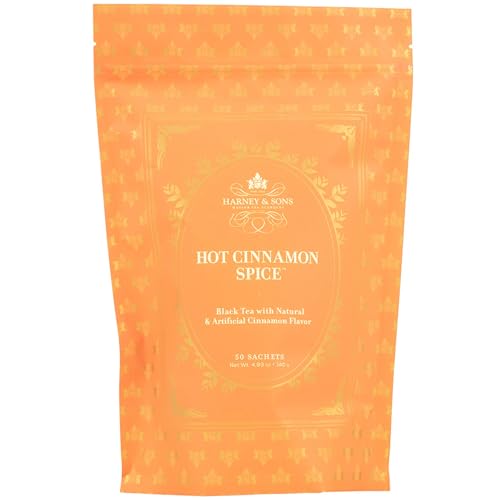
✅ Strong, authentic cinnamon flavor
Harney & Sons Hot Cinnamon Spice Black Tea

✅ Strong, authentic lychee aroma and flavor
Golden Sail Lychee Black Tea

✅ Non-bitter taste even with longer steeping