


We analyze real customer reviews to surface what matters: key strengths, ideal use cases, and honest considerations — so you can make an informed choice.
Matcha Konomi Organic Japanese Black Tea
Wakocha — Japan's quiet entry in the black-tea world — drinks closer to a light Yunnan oolong than to anything Indian or Sri Lankan.
🎯 Best for: Hot or iced brewing — both work, Drinking black without milk
🍃 Strength: Medium

What Stands Out
🍃 Flavor Profile
Strength: Medium
Smoothness anchors the cup; most reviewers reach for that word first, with malty and balanced character behind it. The tasting notes are layered: floral and fruity (each cited by three reviewers) with a distinctive lima-bean detail that recalls fu-brick tea. The brew pours a deep amber, with tannins enough for a brisk aftertaste short of bitterness.
✅ What Customers Love
- Pronounced smoothness, low astringency
- Forgiving brewing window
- Distinctive Japanese black-tea profile
🎯 Best For
Hot or iced brewing — both work • Drinking black without milk • Multiple infusions from a single portion • Morning or afternoon daytime cup
Brand: Matcha Konomi
Category: Black Tea
As an Amazon Associate we earn from qualifying purchases.
About This Black Tea
Wakocha — Japan's quiet entry in the black-tea world — drinks closer to a light Yunnan oolong than to anything Indian or Sri Lankan. Smoothness anchors the cup; most reviewers reach for that word first, with malty and balanced character behind it. The tasting notes are layered: floral and fruity (each cited by three reviewers) with a distinctive lima-bean detail that recalls fu-brick tea. The brew pours a deep amber, with tannins enough for a brisk aftertaste short of bitterness.
Reviewers brew it both hot and iced, and several note it's easy to drink black without milk — a small distinction in the category. We'd reach for it morning or early afternoon, where the moderate-high caffeine keeps it in daytime territory, and the beautifully packaged bag with washi-paper insert makes it gift-fitting too. The loose leaf is a blend of Yabukita, Tsuyuhikari, and Surugawase cultivars harvested in Shizuoka and Kagoshima.
It's forgiving to brew: the cup doesn't turn astringent if you forget the timer, and the leaves give two or three infusions from a single portion. Drink it black — it's easy without milk or sweetener — or add milk or cream if you prefer, with a squeeze of lemon or a touch of honey as alternatives.
Five reviewers flag the price as steep for the leaf grade — comparable Yunnan or imperial-grade Chinese blacks come in cheaper per gram. A smaller note: the bag itself isn't labeled with the Wakocha tea type, which can confuse first-time buyers.
Reach for it as a daytime cup when you want something distinctly Japanese in the black-tea register, smooth enough to drink straight and patient enough to re-steep.
Is Matcha Konomi Organic Japanese Black Tea Right for You?
What does this Wakocha actually taste like?
Smoothness is the through-line — 10 of 20 reviewers reach for that word first, with malty and balanced character behind it. The flavor notes are layered: floral and fruity (each cited by three reviewers) with a distinctive lima-bean detail that recalls fu-brick tea, and the brew pours a deep amber with tannins enough for a brisk aftertaste short of bitterness.
How is Japanese black tea different from Indian or Chinese blacks?
Reviewers consistently place Wakocha closer to a light Yunnan oolong than to anything Indian or Sri Lankan — less strong and earthy than typical Yunnan or Assam-style blacks, with one drinker even noting it leans more like some green teas they'd had. The lima-bean and floral source notes are the giveaway it's grown and processed in Japan.
Can I drink it black without milk or sugar?
Yes — several reviewers specifically note it's easy to drink black without milk, a small distinction in the black-tea category where many leaf grades need cutting. The smoothness and low astringency carry the cup on its own.
Does it work iced as well as hot?
Reviewers brew it both ways in roughly even numbers — three each for hot and chilled-over-ice — so iced is a documented use. One drinker did flag the flavor as weak when iced, so you may want to brew slightly stronger if cold brew is your main plan.
How forgiving is the brewing window?
Forgiving. One reviewer notes the cup doesn't turn astringent if you forget the timer for a few minutes, and another reports it tolerates steeping above 203°F without falling apart. That gives you room to brew loose without watching the clock.
Can I get more than one infusion from a portion?
Yes — reviewers report two to three infusions from a single portion, with one noting good carry-through to a third steep if you bump the temperature up for later rounds. The multi-infusion structure rewards gongfu-style or temperature-laddered brewing.
As an Amazon Associate we earn from qualifying purchases.
Is this a daytime tea or can I drink it before bed?
Keep it in daytime territory. Wakocha sits in the moderate-to-high caffeine range typical of true black teas, and reviewers reach for it for morning focus or an afternoon break rather than after dinner.
Is this suitable as a gift?
The presentation supports it — the resealable mylar bag has a washi-paper insert, and reviewers also flag the included laboratory test result and detailed brewing card as thoughtful touches. Two reviewers explicitly mention gifting context.
Will a beginner enjoy this, or is it more for experienced tea drinkers?
Both, for different reasons. Beginners get a forgiving steep window and smooth, balanced character with low astringency, while experienced drinkers get a distinctive Wakocha profile with lima-bean and floral source notes, multi-infusion structure, and a detailed listing with varietals and harvest data that builds connoisseur trust.
What pairings work best with it?
It takes a range. Two reviewers each drink it with milk or cream, and others reach for lemon, a touch of honey (Texas wildflower honey, in one case), or even hazelnut syrup. The cleanest read on the leaf is straight, but it doesn't fight additions.
What's the most common gripe reviewers raise?
Three reviewers note the bag itself isn't labeled with 'Wakocha' as the tea type — a small clarity issue if you're tracking the subcategory in your tea cabinet. It's a labeling quibble rather than a quality one; the leaf inside matches the listing description.
Category: What is black tea?
Black tea is the fully oxidized leaf of the Camellia sinensis plant, the same species used for green, white, and oolong tea. The defining step is enzymatic oxidation, in which polyphenol oxidase converts catechins in the leaf into theaflavins and thearubigins, the compounds responsible for the dark color, brisk astringency, and reddish-amber liquor. Black tea accounts for roughly 75% of global tea consumption.
As an Amazon Associate we earn from qualifying purchases.
Category: What do tea grades like FTGFOP and BOP actually mean?
Tea grades describe leaf size and physical appearance, not flavor quality. FTGFOP (Finest Tippy Golden Flowery Orange Pekoe) indicates a whole-leaf grade with a high proportion of golden buds, while BOP (Broken Orange Pekoe) indicates smaller broken pieces that brew stronger and faster. A well-made BOP from a great estate often outperforms an OP from a mediocre one, so origin and processing matter more than the acronym alone.
Category: How can I tell if a black tea is high quality?
Look at the dry leaf first: it should be uniform in size, glossy rather than dull or gray, and free of excess stems or dust. In whole-leaf grades, the presence of golden tips (buds) signals sweeter, more aromatic potential. The aroma should smell fresh, sweet, or spicy, never stale. In the cup, a quality black tea shows briskness, a lively shimmer on the surface, and a clean coppery liquor without muddiness.
What Makes This Product Special
⚠️ Preliminary analysis based on 20-review sample • Our methodology
- Pronounced smoothness, low astringency
- Forgiving brewing window
- Distinctive Japanese black-tea profile
- Thoughtful presentation: resealable mylar bag, washi-paper insert, lab test
Taste Profile
Smoothness anchors the cup; most reviewers reach for that word first, with malty and balanced character behind it. The tasting notes are layered: floral and fruity (each cited by three reviewers) with a distinctive lima-bean detail that recalls fu-brick tea. The brew pours a deep amber, with tannins enough for a brisk aftertaste short of bitterness.
- Drink black — easy without milk or sweetener
- With milk or cream if you prefer
- A squeeze of lemon or a touch of honey
Brewing: It's forgiving: the cup doesn't turn astringent if you forget the timer, and the leaves give two or three infusions from a single portion.
Best Use Cases
🎯 Best For
- Hot or iced brewing — both work
- Drinking black without milk
- Multiple infusions from a single portion
- Morning or afternoon daytime cup
⚠️ Not Ideal For
- Bedtime or evening wind-down
- Budget-conscious per-gram value shoppers
How People Use It
Reviewers brew it both hot and iced, and several note it's easy to drink black without milk — a small distinction in the category. We'd reach for it morning or early afternoon — moderate-high caffeine keeps it in daytime territory — and the beautifully packaged bag with washi-paper insert makes it gift-fitting too.
Good for Beginners
✅ Yes
- Forgiving steep window — doesn't turn astringent on long steeps
- Smooth, balanced character with low astringency
For Experienced Users
✅ Worth Exploring
- Distinctive Wakocha (Japanese black-tea) profile with lima bean and floral source-based notes
- Multi-infusion structure rewards gongfu-style or temperature-laddered exploration
- Detailed listing with varietals, harvest data, and lab test result builds connoisseur trust
What to Consider
Five reviewers flag the price as steep for the leaf grade — comparable Yunnan or imperial-grade Chinese blacks come in cheaper per gram.
- Pricey for the leaf grade
- Bag itself not labeled with the Wakocha tea type
⚠️ based on 20-review sample. Some issues may not be captured.
About This Analysis
This analysis is based on 20 customer reviews. We're showing you everything we found, but with a moderate sample, there's a lot we likely haven't captured yet.
✅ What we're confident about: What customers love and best use cases
⚠️ What may be incomplete: Potential issues and considerations
For more perspectives, check customer reviews on Amazon.
Product Selection
In short: We only feature high-rated products.
Products on TeaDelight.net are selected based on strong Amazon customer ratings, sufficient review volume, and market presence. We focus on well-regarded products that tea enthusiasts are actively considering and purchasing.
As an Amazon Associate we earn from qualifying purchases.
You Might Also Like

✅ Restaurant-authentic Thai iced tea flavor
Tea Zone Thai Tea Leaves
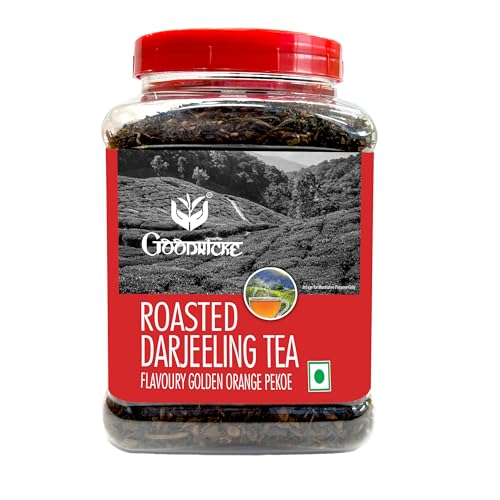
✅ Distinctive roasted processing signature
Goodricke Roasted Organic Darjeeling Tea

✅ Smooth, mellow character without bitterness
Tealyra Yunnan Golden Special Black Tea

✅ Versatile across milk tea and masala chai