
Available Alternatives

✅ Authentic restaurant-quality taste
Tea Zone Thai Tea Leaves
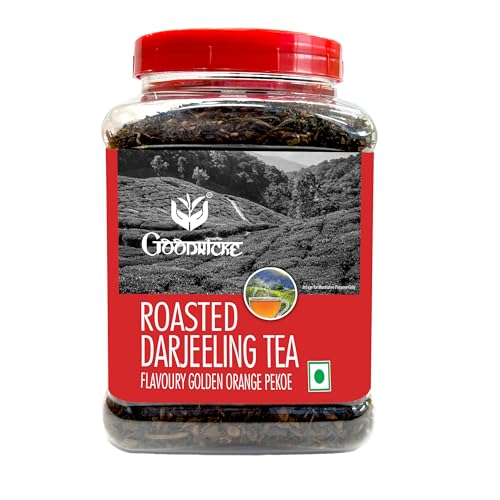
✅ Distinctive roasted flavor and aroma
Goodricke Roasted Organic Darjeeling Tea

✅ Smooth, mellow flavor without bitterness or astringency
Tealyra Yunnan Golden Special Black Tea

✅ Smooth, non-bitter taste with natural sweetness
Tealyra Imperial Golden Monkey Yunnan Tea


We analyze real customer reviews to surface what matters: key strengths, ideal use cases, and honest considerations — so you can make an informed choice.
Lipton Black Tea Bags (100 Count)
A smooth, classic black tea with a reliably consistent brew — versatile enough for a hot morning cup or a pitcher of iced tea for a crowd.
🎯 Best for: morning energy boost, hot afternoon/evening relaxation
🍃 Tastes like: traditional black tea, refreshing

What Stands Out
🍃 Flavor Profile
Strength: Moderate
Notes: traditional black tea, refreshing
✅ What Customers Love
- Value/price for quantity (12 mentions)
- Versatility (hot and iced) (8 mentions)
- Consistency/reliability (6 mentions)
🎯 Best For
morning energy boost • hot afternoon/evening relaxation • iced tea for gatherings • throat soothing when sick
Brand: Lipton
Category: Black Tea
As an Amazon Associate we earn from qualifying purchases.
About This Black Tea
Lipton's flagship black tea delivers a smooth, moderate-strength brew with clean, traditional flavor — never sharp, never bitter, and reliably consistent cup after cup. It brews fast and forgives minor steeping variations, making it a natural fit for daily routines, office use, and high-volume iced tea prep. Reviewers also turn to it as a kombucha starter tea and a throat-soother when under the weather. Occasional batches arrive stale, and loose tea can escape poorly sealed bags. Best suited to everyday drinkers who want a dependable, no-fuss tea rather than a complex or specialty experience.
Is Lipton Black Tea Bags (100 Count) Right for You?
How does Lipton Black Tea taste?
Lipton has a smooth, moderate-strength black tea flavor that reviewers describe as classic, traditional, and never bitter. It's not going to blow you away with complexity — this is a reliable, familiar cup of tea rather than a specialty experience. The flavor is clean and refreshing, with a slight richness but nothing harsh or astringent. Some reviewers call it "ordinary" or "decent," while others appreciate that it's consistent and predictable. If you're looking for bold, complex tea notes, this isn't it. If you want a smooth, no-surprises daily tea, it delivers.
Is Lipton 100% black tea?
Yes, Lipton Black Tea Bags contain 100% real black tea — there are no added flavors, herbs, or blends in the standard black tea variety. It's sourced from Camellia sinensis leaves, processed as a traditional black tea. What you get is a straightforward, classic black tea flavor without any extras.
How to brew Lipton black tea for iced tea?
Lipton is fantastic for iced tea — it's actually one of the top reasons people buy it. The easiest method: brew 4–6 tea bags in about 2 cups of boiling water for 5 minutes (stronger than normal since ice will dilute it), then pour into a pitcher with cold water and ice. For sun tea, drop 6–8 bags into a gallon pitcher of cold water and refrigerate for 4–8 hours. Reviewers specifically mention making large batches for gatherings, and several note that brewing it in a coffee pot works surprisingly well for bulk iced tea.
What is the best way to brew Lipton black tea?
For hot tea, bring fresh water to a full boil (around 200–212°F), pour it over the tea bag, and steep for 3 to 5 minutes depending on how strong you like it. Reviewers consistently note that Lipton brews smooth and isn't bitter, so even if you accidentally steep a bit long, it's fairly forgiving. For iced tea, you can brew it double-strength with hot water and pour over ice, or make sun tea by placing bags in a pitcher of cold water in the fridge for several hours. Several reviewers even mention it works great brewed in a coffee maker for large batches.
How to brew Lipton black tea for milk tea?
For milk tea, you want a stronger brew so the tea flavor doesn't get lost when you add milk. Use two Lipton bags per cup, or steep a single bag for 5 full minutes in boiling water. Then add your milk of choice — whole milk gives the richest result, but oat milk and other alternatives work too. Lipton's smooth, classic flavor profile makes it a decent base for milk tea. It won't have the malty depth of an Assam or the punch of a breakfast blend, but for an everyday milk tea it does the job at a fraction of the cost.
Can you make sun tea with Lipton tea bags?
Absolutely — making sun tea is one of the popular uses reviewers mention for Lipton. Drop 6–8 bags into a gallon pitcher of water, set it in the sun for a few hours (or in the fridge overnight for cold brew), and you've got a batch of smooth iced tea. Lipton's mild, non-bitter profile actually works especially well for sun tea since the slow, gentle extraction won't pull out harsh tannins. It's a favorite method for summer gatherings and everyday iced tea drinkers.
As an Amazon Associate we earn from qualifying purchases.
Can you brew Lipton tea bags in a coffee maker?
Yes, and several reviewers specifically mention doing this. It's a great hack for making large quantities — just place several tea bags in the filter basket, run the water through as usual, and you've got a full pot of tea in minutes. This works especially well for making iced tea in bulk for gatherings or for offices where people share a pot. The flavor comes out consistent, and it saves the hassle of boiling water separately in a large pot.
Is Lipton black tea good for you in the morning?
Absolutely — morning use is one of the top reasons people buy Lipton Black Tea. The moderate caffeine (about 55mg per cup) provides a gentle energy boost to start your day without the jitters or crashes that coffee can cause. Reviewers who've switched from coffee to Lipton specifically mention feeling more evenly energized. It's also fast and easy — just boil water and steep for a few minutes, which fits nicely into a rushed morning routine. No grinding, no French press, no fuss.
Is Lipton black tea good for you when sick?
Yes — this is one of the most common uses reviewers mention. Multiple Lipton drinkers specifically call it out as soothing for sore and scratchy throats, and the warm liquid helps with congestion and hydration when you're under the weather. Add some honey and lemon and you've got a classic sick-day remedy. The mild caffeine also gives you a gentle pick-me-up when you're feeling drained without the harshness of coffee on an upset stomach.
Is there enough caffeine in Lipton black tea to keep you awake?
It depends on your caffeine sensitivity, but most people find Lipton's moderate caffeine level (around 55mg per cup) enough to feel alert without being so strong that it keeps them up at night. Reviewers describe it as a "gentle energy boost without jitters." Many people drink it in the afternoon or evening and sleep just fine, though if you're very caffeine-sensitive, you might want to keep it to mornings. It's roughly half to a third of the caffeine in a cup of coffee.
What are 5 benefits of drinking black tea?
Based on what Lipton Black Tea drinkers actually report, here are five benefits: (1) A gentle energy boost without the jitters of coffee — this is the most commonly mentioned perk. (2) Digestive support — several reviewers note improved regularity. (3) Throat soothing when you're feeling sick — a go-to for many during cold season. (4) A comforting, relaxing ritual — the act of making and drinking tea helps people wind down. (5) A healthier alternative to sugary drinks or excessive coffee — reviewers mention simply feeling better after making the switch.
What are common black tea mistakes?
The most common mistakes are using water that isn't hot enough (you want a full rolling boil for black tea) and over-steeping until it gets harsh. The good news with Lipton is that it's quite forgiving — reviewers consistently describe it as smooth and not bitter even when they're not precise with timing. Another mistake people make is storing tea bags in humid or warm conditions. Lipton comes in sealed sleeves of 25 to help with freshness, but once opened, keep them in an airtight container away from moisture and strong odors.
As an Amazon Associate we earn from qualifying purchases.
Is Lipton good for tea beginners?
Lipton Black Tea is practically the definition of a beginner-friendly tea. It brews quickly, it's very forgiving with timing (won't turn bitter if you steep a minute too long), requires no special equipment, and has a smooth, familiar flavor that most people find approachable. The classic taste also makes it a good starting point for figuring out what you like — add milk and it's a milk tea, add lemon and honey for a citrusy cup, pour it over ice for a refresher. At 5 cents a bag, experimenting is practically free.
How should you store Lipton tea bags to keep them fresh?
Lipton comes in sealed sleeves of 25 bags each, which helps preserve freshness until you open them. Once a sleeve is opened, store the remaining bags in an airtight container away from heat, moisture, and strong odors (tea absorbs smells easily). A few reviewers have encountered stale-tasting batches, and while that's sometimes a manufacturing issue, proper storage on your end makes a big difference. Keep them in a cool, dry pantry — not next to the stove or spice rack.
How many Lipton tea bags should I use per cup?
For a standard hot cup of tea, one bag is all you need. If you like it stronger, use two bags or steep a single bag for the full 5 minutes. For iced tea, use 1.5–2x the normal amount since the ice will dilute it. For a full pitcher, 4–6 bags works well. Reviewers who use it for kombucha or large-batch iced tea often use 8+ bags at a time — which is where that 100-count box really shows its value.
Does Lipton Black Tea come individually wrapped?
No — Lipton's 100-count box comes in sleeves of 25 bags rather than individually wrapped bags. This is one of the trade-offs for the low price. The sleeves do a decent job of maintaining freshness until opened, but once you break a sleeve, the remaining bags are exposed to air. A couple of reviewers note this as a downside, especially compared to premium brands with foil-wrapped individual bags. If you go through tea quickly (which most 100-count buyers do), it's not really an issue.
Can loose tea leaves escape from Lipton tea bags?
A small number of reviewers have mentioned finding loose tea leaves escaping the bags. It's not a widespread complaint, but it does happen occasionally — likely due to the paper filter material. If it bothers you, you can double-bag or use a mug with a built-in strainer. For most people, it's a minor inconvenience that doesn't significantly affect the drinking experience, and the vast majority of reviewers don't mention this issue at all.
Who should NOT buy Lipton Black Tea?
If you're a tea enthusiast looking for complex, nuanced flavor profiles with distinct terroir and processing notes, Lipton probably won't excite you — reviewers who are tea connoisseurs tend to describe it as "mediocre" or "ordinary." It's also not individually wrapped, so if maximum freshness per bag matters to you (like for travel or infrequent use), a premium brand with foil-wrapped bags might be better. But for everyday drinking, iced tea, office use, or kombucha brewing, it's hard to argue against the value.
As an Amazon Associate we earn from qualifying purchases.
Is black tea more caffeine than coffee?
No — coffee has significantly more caffeine than black tea. A standard cup of Lipton Black Tea has around 55mg of caffeine, while a typical cup of coffee packs 95–200mg. This is actually a selling point for many Lipton drinkers: reviewers frequently mention appreciating the "gentle energy boost without jitters" that coffee gives them. If you want to wake up but don't want the wired feeling, black tea hits a sweet middle ground.
Is it okay to drink Lipton black tea every day?
Many Lipton Black Tea drinkers do enjoy it as part of their daily routine — it's one of the most common use cases reviewers mention. The moderate caffeine level gives a gentle energy boost without the jitters that coffee can cause, and several reviewers note benefits like feeling more relaxed and having better digestion with regular use. That said, like any caffeinated beverage, moderation matters. A few cups a day is generally considered fine for most adults, but if you're sensitive to caffeine or pregnant, you'll want to check with your doctor.
What happens if we drink black tea daily?
Regular Lipton Black Tea drinkers report several positive effects: a gentle, steady energy boost through the day, improved digestion, and a general feeling of comfort and relaxation. Some reviewers specifically mention it helps soothe sore throats and supports regularity. Black tea in general contains antioxidants (theaflavins and thearubigins) that are linked to heart health. The main thing to watch is caffeine intake — if you're drinking 5+ cups daily, that adds up. But for most people, 2–3 cups a day is a healthy, enjoyable habit.
What is the healthiest black tea to drink?
The healthiest black tea is really about what you'll actually drink consistently. Lipton Black Tea is a solid everyday option — it's plain black tea without added sugars or artificial ingredients, and reviewers frequently mention feeling healthier after making it part of their routine. Some report a gentle energy boost, digestive support, and throat-soothing benefits. If you're looking for maximum antioxidants, loose leaf teas can edge ahead, but for a practical daily tea that people actually stick with, Lipton's simplicity and consistency work in its favor.
Which is healthier, black tea or green tea?
Both are healthy in different ways — they come from the same plant, just processed differently. Green tea gets more press for its antioxidants (EGCG), but black tea has its own unique antioxidants (theaflavins) that support heart health. The honest answer? The healthiest tea is the one you'll actually drink regularly. If you enjoy the smooth, classic flavor of Lipton Black Tea and drink it consistently, that's going to benefit you more than green tea sitting untouched in your cupboard. Many reviewers chose Lipton specifically because the familiar, comforting taste keeps them coming back daily.
Which tea bags do not have microplastics?
This is a growing concern for many tea drinkers. Lipton's standard tea bags are made from filter paper, not the silky mesh or nylon pyramid bags that studies have linked to microplastic release. Paper-style tea bags like Lipton's are generally considered a lower-risk option. If you want to eliminate the concern entirely, you could always cut open the bags and steep the tea loose in a strainer, though that adds a step most people don't bother with for an everyday tea.
As an Amazon Associate we earn from qualifying purchases.
How to make black tea more tasty?
If you find Lipton on its own a bit plain, there are plenty of ways to punch it up. Honey and lemon is the classic combo. A splash of milk or cream smooths it out. For iced versions, try adding fresh mint, peach slices, or a squeeze of orange. Cinnamon sticks or a slice of fresh ginger steeped alongside the bag add warmth and complexity. Some reviewers who find the flavor "ordinary" on its own have found that these additions transform it into something they genuinely look forward to. Since Lipton has a clean, neutral base, it actually takes on added flavors really well.
How long do you boil black tea for?
You don't actually boil the tea itself — you boil the water first, then steep the tea bag in it. For Lipton Black Tea, 3 to 5 minutes of steeping gives you the best results. Shorter steeping produces a lighter, milder cup, while longer steeping brings out a bolder flavor. One thing reviewers appreciate about Lipton is that it stays smooth and doesn't turn bitter easily, so you have some flexibility with timing compared to more delicate teas.
How to make black tea step by step?
Making Lipton Black Tea is about as simple as it gets: (1) Boil fresh water. (2) Place one tea bag in your cup. (3) Pour the boiling water over the bag. (4) Steep for 3–5 minutes — 3 for lighter, 5 for stronger. (5) Remove the bag and enjoy. Add milk, sugar, honey, or lemon to taste if you like. Reviewers love that it requires no special equipment and the results are consistent every time. For iced tea, just brew it a bit stronger and pour over a full glass of ice.
How much caffeine is in Lipton black tea vs coffee?
A cup of Lipton Black Tea contains roughly 55mg of caffeine, compared to about 95–200mg in a standard cup of brewed coffee. So you're getting roughly a third to half the caffeine of coffee. This makes it a popular choice for people who want some alertness without the intensity — reviewers consistently mention enjoying the energy lift without the jittery feeling that coffee can cause.
Customer-Validated Strengths
based on 27-review analysis • Our methodology
- Value/price for quantity (12 mentions)
- Versatility (hot and iced) (8 mentions)
- Consistency/reliability (6 mentions)
- Freshness sealed packaging (sleeves of 25) (4 mentions)
- Fast/easy brewing (3 mentions)
- Smooth, not bitter (3 mentions)
Taste Profile
- smooth
- rich
- classic
- never bitter
- decent
- not terrible
- bold
- strong
Best Use Cases
🎯 Best For
- morning energy boost
- hot afternoon/evening relaxation
- iced tea for gatherings
- throat soothing when sick
- daily routine tea
- work/office use
- brewing large quantities
- kombucha starter tea
⚠️ Not Ideal For
- seeking premium/complex tea experience
- those sensitive to freshness issues
What to Consider
- Stale/dried out tea (bad batches) (4 mentions)
- Damaged/crushed packaging on delivery (4 mentions)
- Loose tea leaves escaping bags (2 mentions)
- Missing sleeves (quality control) (1 mentions)
- Mediocre/ordinary flavor (2 mentions)
- Bags not individually wrapped (less fresh) (2 mentions)
based on 27-review sample.
About This Analysis
This analysis is based on 27 customer reviews. We're showing you everything we found, but with our analysis, there's always more to discover.
✅ What we're confident about: What customers love and best use cases
⚠️ What may be incomplete: Potential issues and considerations
For more perspectives, check customer reviews on Amazon.
Product Selection
In short: We only feature high-rated products.
Products on TeaDelight.net are selected based on strong Amazon customer ratings, sufficient review volume, and market presence. We focus on well-regarded products that tea enthusiasts are actively considering and purchasing.
As an Amazon Associate we earn from qualifying purchases.