How to Brew the Perfect Cup of Tea: Tea Brewing Tips for the Perfect Brew
Index
Index
In this guide, we’ll walk through each step of making great tea, from choosing between loose leaf and tea bags to finding the right water temperature. You’ll learn how to measure tea properly, how long to steep different types, and what add-ins enhance your favorite brew. Better tea awaits.
Key Takeaways
- Water quality affects tea flavor significantly, with filtered water producing clearer, more flavorful brews than tap water.
- Loose leaf tea offers fuller, more complex flavors than tea bags because the larger leaves retain more essential oils.
- Different tea types require specific water temperatures—black tea needs 212°F while green tea requires cooler 175-180°F to avoid bitterness.
- Use one teaspoon of loose tea per six ounces of water for most teas, but double this amount for white tea.
- Steeping times vary by tea type: black tea needs 3-5 minutes, green tea only 1-2 minutes, and herbal teas require 5-10 minutes for optimal flavor.
Choosing Your Tea

Tea selection forms the base of your brewing experience. Your choice between tea bags and loose leaf will shape the flavor, aroma, and overall quality of your cup.
Tea bags vs. loose leaf tea
The debate between loose leaf tea and tea bags affects your brewing experience in several ways. We’ve analyzed both options to help you decide which fits your lifestyle and taste preferences.
| Feature | Loose Leaf Tea | Tea Bags |
|---|---|---|
| Leaf Quality | Larger, more intact pieces | Smaller particles and dust |
| Flavor Profile | Fuller, more complex flavors | Quick-brewing but sometimes less nuanced |
| Brewing Control | Precise strength adjustment possible | Limited control over strength |
| Aroma Experience | More aromatic brewing process | Less aromatic experience |
| Convenience | Requires infuser or strainer | Ready to use, no extra tools needed |
| Storage Needs | Airtight, opaque container in cool, dark place | Original packaging in dry area |
| Infusion Speed | May need longer steep times | Infuses quickly due to smaller particles |
| Waste Production | Biodegradable tea leaves only | Paper, string, staples, packaging |
Brewing loose tea takes almost the same effort as using tea bags. Many tea lovers switch to loose leaf after discovering its richer taste profile. The larger leaf pieces retain more essential oils and flavor compounds. You’ll notice this difference especially in delicate green teas and complex oolongs.
Convenience remains the main advantage of tea bags. They shine in situations where speed matters more than perfect flavor. For morning routines or office settings, the simplicity of tea bags often wins.


Preparing Your Water

Water quality and temperature form the backbone of a perfect tea brew, with black teas needing boiling water while green and white teas require cooler temperatures to avoid bitter flavors – read on to learn the exact temps for your favorite tea type.
Ideal water temperature for different teas
Getting the temperature right makes all the difference between a perfect cup and a bitter disappointment. Each tea variety requires specific heat levels to release its full flavor potential. The temperature directly affects which compounds get extracted from the leaves during brewing.
| Tea Type | Ideal Temperature | Why This Temperature Works |
|---|---|---|
| Black Tea | 212°F (100°C) | Full boiling allows robust extraction of tannins and caffeine |
| Green Tea | 175-180°F (79-82°C) | Lower heat prevents bitterness while releasing delicate flavors |
| White Tea | 175-180°F (79-82°C) | Gentle heat preserves subtle notes in these minimally processed leaves |
| Oolong Tea | 195°F (90°C) | Medium-high heat balances flavor extraction for this semi-oxidized tea |
| Pu-erh Tea | 212°F (100°C) | Full boiling needed to unlock complex aged flavors |
| Herbal Tea | 212°F (100°C) | Maximum heat extracts flavors from dried herbs and flowers |
| Rooibos Tea | 212°F (100°C) | Boiling temperature brings out full earthy sweetness |
| Mate Tea | 150-160°F (65-71°C) | Cooler temperature prevents excessive bitterness |
Temperature precision matters greatly for delicate varieties like green and white teas. Too hot, and you’ll extract bitter compounds that overpower the natural sweetness. Boiling water works perfectly for heartier black teas that need higher heat to fully develop their character.
Digital thermometers can help you achieve exact temperatures. Many electric kettles now feature preset temperature controls for different tea types. These tools make brewing easier for both beginners and experienced tea enthusiasts.

Evoloop Electric Tea Kettle with Thermometer
See your water temperature without guessing—the beginner-friendly path to proper brewing temps.
Bitter tea usually means one thing: water too hot for the leaves. Green tea wants 175°F; black tea handles 212°F. This kettle's built-in thermometer removes the guesswork—10 reviewers praised the real-time temperature display that shows exactly where you are on the heat spectrum. No digital menus to navigate, just a visual gauge you can read at a glance.
⚠️ Skip this if you prefer Celsius readings—the thermometer displays Fahrenheit only.
Measuring the Tea

The right amount of tea creates the perfect balance in your cup. You need about one teaspoon of loose tea or one tea bag per eight ounces of water.
Proper tea-to-water ratio
Getting the right balance of tea to water creates the perfect flavor in your cup. Most teas need one teaspoon of loose leaves for every six ounces of water. This simple ratio works well for black, green, oolong, and rooibos varieties.
White tea requires double this amount—about two level teaspoons per six-ounce cup—to achieve its delicate taste profile.
Different tea types demand slight adjustments to this basic formula. For purple and pu-erh teas, use a heaping teaspoon per six ounces to extract their unique flavors. Herbal infusions also benefit from a generous scoop, with one heaping teaspoon per six-ounce serving bringing out their full character.
Measuring accurately helps you avoid weak or bitter brews and ensures you enjoy the best cup possible from your tea leaves.

Teabloom Perfect Measure Loose Leaf Tea Spoon
The same amount of tea every time—building consistency into your brewing habit.
Consistent tea-to-water ratios separate good cups from great ones. This stainless steel scoop holds approximately 1.5 teaspoons—close to the standard measure for a single cup. Four reviewers specifically noted the accurate measurement eliminates the eyeballing that leads to weak or overpowering brews.
⚠️ Skip this if you store tea in deep canisters—the handle length suits standard containers but won't reach the bottom of tall jars.
Steeping the Tea
Steeping your tea requires the right timing to extract the perfect flavor from your leaves. Each tea type needs a specific steeping time – black teas need longer while green teas turn bitter if left too long.
Recommended steeping times by tea type

Each tea variety demands specific steeping times to release its full flavor profile. Perfect timing prevents bitter, over-extracted tea or weak, underdeveloped brews. The chart below provides exact steeping durations for maximum flavor extraction from your favorite tea leaves.
| Tea Type | Steeping Time |
|---|---|
| Black Tea | 3-5 minutes |
| Green Tea | 1-2 minutes |
| White Tea | 2-3 minutes |
| Oolong Tea | 2-3 minutes |
| Pu-erh Tea | 5 minutes |
| Purple Tea | 3 minutes |
| Herbal and Rooibos Tea | 5-10 minutes |
Timing matters greatly with delicate teas like green tea. These leaves need just 1-2 minutes to avoid releasing bitter compounds. Black teas benefit from longer extraction periods of 3-5 minutes to develop their robust flavor profiles. White and oolong varieties share a similar sweet spot at 2-3 minutes for optimal taste balance.
Herbal infusions require the longest steep time. These plant-based beverages need 5-10 minutes to fully release their flavors and beneficial compounds. Pu-erh tea, with its unique fermentation process, develops its earthy character best at exactly 5 minutes of steep time.
Do You Brew or Steep Tea?

Many tea lovers use the terms “brew” and “steep” interchangeably, but they refer to slightly different processes. Brewing describes the entire tea-making process from start to finish.
Steeping specifically refers to the time tea leaves soak in hot water. You steep your tea as part of brewing it, just as you might measure leaves or heat water during the brewing process.
Tea steeping times vary by tea type. Black tea needs 3-5 minutes to release its full flavor. Green tea requires only about 2 minutes to avoid bitterness. White tea steeps best at 1-2 minutes for a delicate taste.
You can adjust these times to make your tea stronger or milder based on personal preference. A tea infuser or strainer helps contain loose leaves while they steep, making cleanup easier.

Teabloom Tea Timer
Three time options matching three tea categories—making proper steeping visible.
Two minutes for green tea. Three for oolong. Five for herbal. Remembering steeping times for different teas adds friction when you're still learning. This hourglass timer offers exactly those three options—flip to the right timing, watch the pastel sand flow, remove leaves when it empties. Seven reviewers praised the simple three-option system that matches standard brewing guidelines.
⚠️ Skip this if you need to walk away during steeping—this visual timer requires glancing over, not an audio alert from another room.
Enhancing Your Brew

A splash of milk or a drizzle of honey can transform your tea into a custom delight. You’ll find that simple extras like lemon slices or a dash of cinnamon add new layers of flavor to your favorite brew.
Optional add-ins like milk, honey, or lemon
Tea offers a blank canvas for your taste buds. You can enjoy it plain or add various ingredients to create your perfect cup.
- Honey brings natural sweetness to your tea without the processed nature of white sugar. One teaspoon can transform a bitter brew into a smooth, soothing drink.
- Fresh lemon adds a bright, citrus kick that works especially well with black and green teas. The acid in lemon also helps preserve the antioxidants in your tea.
- Milk softens the astringency in stronger black teas like English Breakfast. Whole milk or semi-skimmed options work best for a creamy texture without watering down your brew.
- Sugar remains a classic sweetener for those who prefer a straightforward sweet note. Brown sugar adds a slight caramel undertone many tea drinkers enjoy.
- Spices such as cinnamon sticks, cardamom pods, or star anise can steep alongside your tea leaves for added depth and warmth.
- Herbs like mint leaves or lavender buds pair beautifully with lighter teas, creating complex flavor profiles in your teapot or cup.
- Fruit slices including orange, apple, or berries infuse subtle sweetness and visual appeal to your hot tea or cold brew.
- Personal taste matters most when adding extras to your tea. Start with small amounts and adjust based on your preferences.
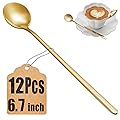
NEWDRIP Gold Long Handle Coffee Spoons
Reaches the bottom of any mug—practical length for mixing in sweeteners.
Adding honey, milk, or a squeeze of lemon needs a spoon that reaches the bottom of your mug. These 6.7-inch handles solve the tall-mug problem—15 reviewers specifically noted the length works perfectly for standard and oversized cups. The small round head stirs without awkward splashing.
⚠️ Skip this if you want heirloom-weight utensils—these are deliberately lightweight for stirring, not substantial like traditional silverware.
Conclusion

Brewing the perfect cup of tea requires attention to detail and practice. Start with fresh, quality water at the right temperature for your chosen tea type. Measure your tea leaves carefully and time your steep precisely to avoid bitter flavors.
Whether you prefer loose leaf or tea bags, each method offers unique benefits for different situations. Add milk, honey, or lemon based on your personal taste and the tea variety. With these simple steps, you’ll transform your daily tea ritual from ordinary to extraordinary, savoring each sip of your perfectly brewed cup.
FAQs

1. How much tea should I use per cup when brewing tea?
For most types of tea, use one teaspoon of loose tea or one tea bag per cup. Stronger teas like Pu’er tea might need less, while lighter teas may need more. Always check the specific instructions for the tea you are making.
2. What water temperature is best for brewing different types of tea?
Water temperature matters greatly when you brew tea. Green and white teas need water around 175°F, while black and oolong teas require hotter water near boiling. Herbal teas should steep in fully boiling water for optimal brewing results.
3. How long should I steep the tea?
Steeping time varies by tea type. Black tea needs 3-5 minutes, green tea 1-3 minutes, and herbal tea 5-7 minutes. Over-steeping can make your tea taste bitter.
4. Can I make iced tea using loose-leaf tea?
Yes! To make iced tea with loose tea leaves, brew it stronger than normal hot tea, then pour over ice. You can also try cold brew tea by adding loose-leaf tea to cold water and letting it sit in your fridge overnight.
5. Should I add milk and sugar to all types of tea?
Not all teas taste best with milk and sugar. Black teas like English Breakfast work well with milk, while green and white teas are best served plain. Add milk after brewing to prevent the tea from cooling too quickly.
6. How do I strain the tea if I’m using loose tea leaves?
You can strain the tea using a tea strainer, tea ball, sieve, or French press. Pour hot water over the leaves in your tea pot, let it steep, then strain into your cup before adding any extras. Many American tea shops sell strainers designed for different cup or pot sizes.
References
- https://twiningsusa.com/blogs/articles/perfect-cup-loose-tea?srsltid=AfmBOoqGl7virT9UDaGsfxNLUJ5HK5zgEYenrYbyFK7w6zgmt8ps9ymF
- https://www.cafedumonde.co.uk/academie/guides/loose-leaf-tea-vs-tea-bags/
- https://www.kitchenaid.com/pinch-of-help/countertop-appliances/tea-temperatures.html
- https://artfultea.com/blogs/101/how-to-prepare-tea?srsltid=AfmBOoppMtrGOd2IWHivVc89eAMB72cZ-_5_0iDlkLe2hCvcDlMvsZ-I
- https://twinings.co.uk/blogs/news/how-to-make-a-cup-of-tea-perfectly
- https://www.whittard.com/us/discover/tea-tips/brew-the-perfect-cup.html
- https://artfultea.com/blogs/101/loose-leaf-tea-steep-time?srsltid=AfmBOorya72Trwg3jAg1tZLIpu3Ro59jEuGVTmCjGU6ITLAjKq0E-Isb
- https://twiningsusa.com/pages/how-to-brew-the-perfect-cup-of-tea?srsltid=AfmBOorjvSuXgH3_HK7oqdWclSoVCEu2oW7gM33iKPYEjf_WiAqblG-6
- https://www.smithbrothersfarms.com/how-to-brew-the-perfect-cup-of-tea (2025-02-12)