Index
Are you trying to find the perfect tea to boost your morning energy? Perhaps you’ve switched from coffee to tea but still crave that familiar alertness.
True tea comes from the Camellia sinensis plant, and its caffeine content varies widely based on the type. While black tea is famously strong, often containing 40-70 mg of caffeine per cup, it has a major rival in matcha, a powdered green tea that is also one of the most potent options.
Following them, other green, white, and oolong teas typically offer milder stimulation. In this guide, we’ll explore which teas pack the biggest caffeine punch and which you should choose for a gentler boost.
Key Takeaways
- Black tea ranks highest in caffeine content at 40-70 mg per 8-ounce (~250 ml) cup, making it ideal for morning energy boosts.
- Matcha green tea contains 60-70 mg of caffeine per cup, nearly matching espresso, but provides a more focused energy without jitters.
- Tea plant variety matters – Assamica (grown in India, Africa, Sri Lanka) naturally contains more caffeine than Chinese varieties.
- Growing conditions affect caffeine levels. Tea plants at higher altitudes often develop more caffeine as protection against harsh environments.
- Brewing methods significantly impact caffeine content. Longer steeping times and hotter water extract more caffeine from tea leaves.
Exploring the Teas with the Most Caffeine
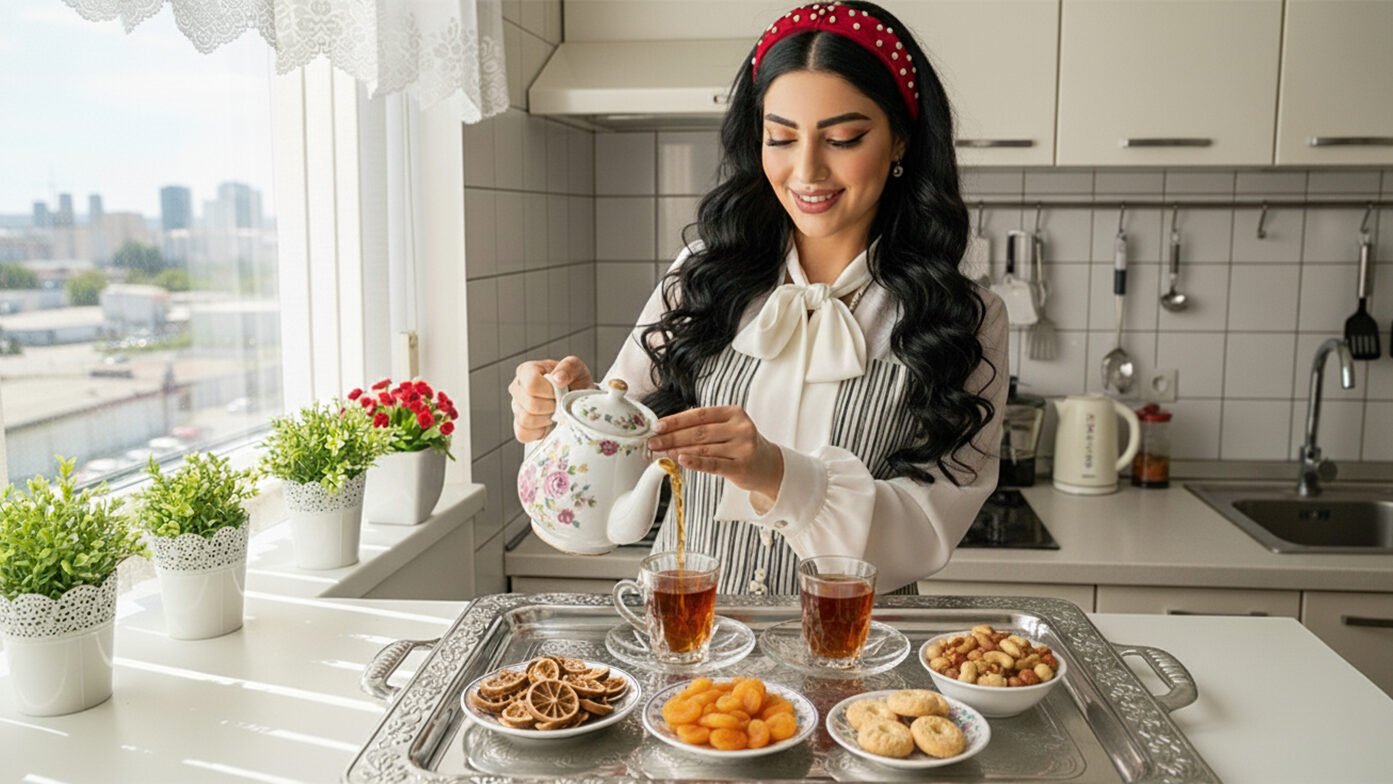
Black tea tops the caffeine charts among all tea varieties, containing 64-112 mg per 8-ounce cup. This makes black tea the go-to choice for tea drinkers seeking a stronger energy boost.
Matcha tea, a powdered form of green tea, also delivers high caffeine levels because you consume the actual tea leaves rather than just their infusion. Oolong tea follows with 29-53 mg of caffeine per cup, offering a middle-ground option for those who want moderate stimulation.
Several factors affect caffeine content in your daily cup. The tea plant variety (Camellia sinensis or Camellia assamica) plays a major role in determining caffeine levels. Japanese green teas like gyokuro and kabuse sencha contain more caffeine than standard green teas, which average 24-39 mg per cup.
White teas provide 32-37 mg of caffeine, while herbal infusions or tisanes remain naturally caffeine-free options. Next, we’ll examine how tea’s caffeine content compares to coffee and other caffeinated drinks.


Comparing Tea Caffeine Content to Coffee
| Beverage Type | Serving Size | Caffeine per Serving (Range) | Caffeine per oz (Concentration) | Notable Characteristics |
|---|---|---|---|---|
| Drip Coffee | 8 oz | 95-165 mg | ~12-20 mg | Highest caffeine content per common serving. |
| Espresso | 1 oz shot | ~63 mg | ~63 mg | Most concentrated form of caffeine. |
| Matcha Green Tea | 8 oz | 60-70 mg | ~7-9 mg | High caffeine, overlaps with black tea; provides focused energy. |
| Standard Black Tea | 8 oz | 40-70 mg | ~5-9 mg | Very wide range; potent varieties can exceed 100 mg. |
| Pu-erh Tea | 8 oz | 30-70 mg | ~4-9 mg | Earthy flavor; wide range depending on type & age. |
| Oolong Tea | 8 oz | 30-55 mg | ~4-7 mg | Moderate caffeine with a unique flavor profile. |
| Green Tea | 8 oz | 25-45 mg | ~3-6 mg | Lower caffeine with high antioxidant content. |
| White Tea | 8 oz | 15-30 mg | ~2-4 mg | Generally the lowest caffeine content among true teas. |
Now that we’ve explored which teas contain the most caffeine, let’s see how they stack up against the world’s most popular caffeinated beverage: coffee. Many tea drinkers choose their brew as a gentler alternative to coffee’s robust caffeine kick.
Tea provides a more gradual energy release compared to coffee’s immediate jolt. Most varieties deliver their stimulating effects over a longer period, causing fewer jitters or crashes.
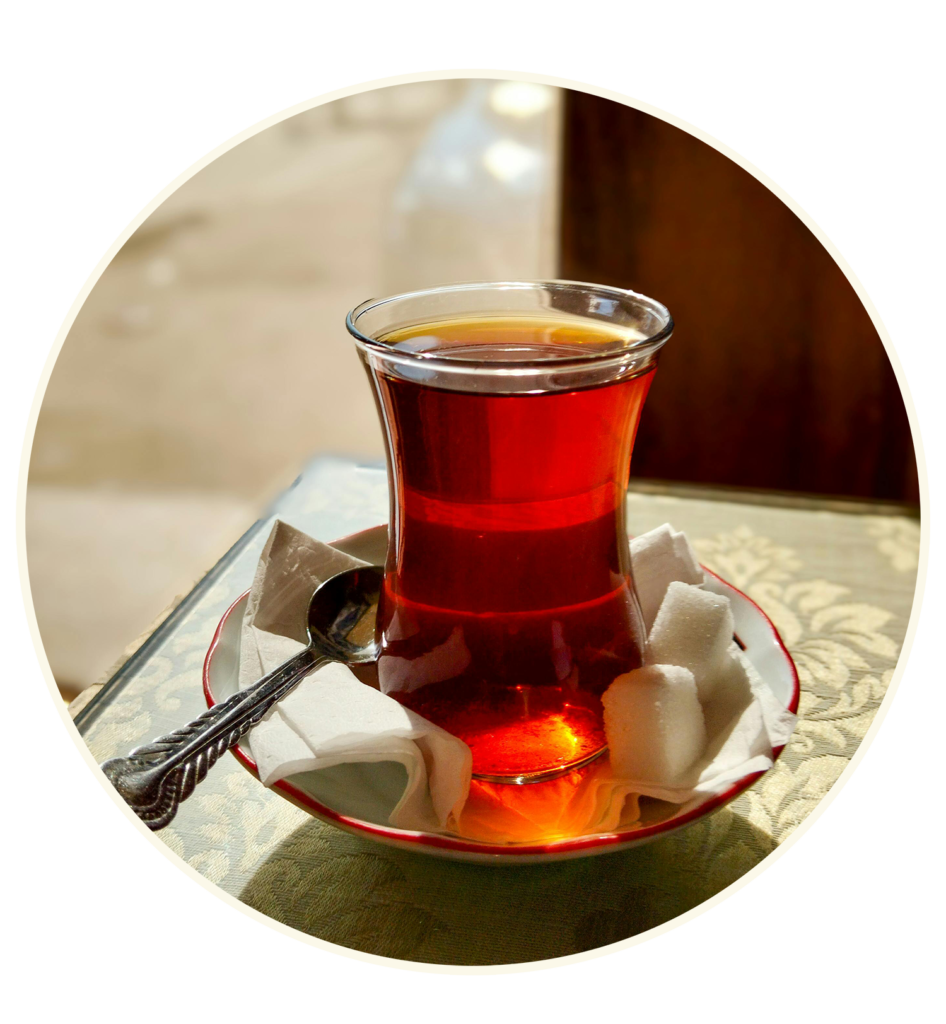
People sensitive to caffeine often prefer tea for this reason. A cup of black tea contains approximately 40 mg of caffeine per 6-ounce serving, while the same amount of coffee packs about 105 mg.
Matcha stands as the exception among teas. Its caffeine content rivals espresso, making it perfect for those wanting significant energy without coffee’s intensity. The L-theanine in matcha also creates a different experience – alert focus without anxiety.
Even decaffeinated tea retains small caffeine amounts. These 5-10 mg per cup might affect extremely sensitive individuals or those avoiding caffeine entirely.
The brewing method significantly impacts both beverages’ final caffeine content. Longer steeping times increase tea’s caffeine, while different coffee preparation methods yield varying caffeine levels.

Factors That Influence Caffeine Levels in Tea
Several key factors determine how much caffeine ends up in your teacup. The part of the tea plant used matters greatly – young leaves and buds pack more caffeine than older leaves.
This explains why Lapsang Souchong, made from older leaves, contains less caffeine. Tea plants grow caffeine as a natural defense against bugs and other threats, with spring harvests showing higher caffeine levels after winter.
The tea variety also plays a major role – Assamica (grown in India, Africa, and Sri Lanka) naturally contains more caffeine than Chinese Camellia varieties.
Growing conditions create big differences in caffeine content too. Tea plants at higher altitudes often develop more caffeine as protection against harsher environments. The soil, weather, and even fertilizers used affect the final caffeine levels.
Processing methods further change these levels – black teas typically contain more caffeine because they undergo longer oxidation, higher steeping temperatures, and extended brewing times.
These factors work together to create the wide range of caffeine content across different tea types.

COSORI Electric Gooseneck Kettle with Temperature Control
Five temperature presets eliminate guesswork—dial in the right heat for black, green, or oolong to maximize both flavor and caffeine.
Brewing temperature directly affects caffeine extraction—hotter water pulls more caffeine, but the wrong temperature can destroy delicate flavors. This kettle's 5 temperature presets let you optimize for each tea type. Eighteen reviewers praised the precise temperature control, eliminating guesswork when switching between black tea (needs near-boiling) and green or oolong (needs cooler water).
⚠️ Skip this if you're brewing for a crowd—the 0.8-liter capacity serves 1-2 people at a time. Also worth noting: reviewers in hard-water areas report mineral buildup requiring regular maintenance.
Conclusion
Black tea contains the highest caffeine content among all tea types, making it perfect for your morning energy boost. The processing method greatly affects caffeine levels, with more oxidized leaves generally containing higher amounts.
Yerba mate and guayusa offer strong alternatives if you want a different flavor profile with similar caffeine benefits. Brewing time and water temperature also play key roles in how much caffeine ends up in your cup.
With this knowledge about caffeine content, you can now choose the perfect tea to match your energy needs throughout the day.
FAQs
1. Which tea has the highest caffeine content?
Among “true teas” (those from the Camellia sinensis plant), the highest caffeine content is a close contest between black tea and matcha. A strongly brewed cup of black tea can exceed 70 mg of caffeine, while matcha is consistently potent, typically providing 60-70 mg per serving because you consume the entire leaf. The winner depends on the specific tea variety and brewing method.
Separately, some popular herbal infusions are also very high in caffeine. Yerba Mate and Guayusa, both from South America, are notable examples and can contain as much caffeine as a standard cup of coffee.
2. Are herbal teas caffeinated?
The vast majority of herbal teas are naturally caffeine-free. Beverages like chamomile, peppermint, rooibos, and hibiscus are not made from the caffeine-producing Camellia sinensis plant, so they don’t contain any caffeine.
However, there are a few important exceptions. Herbal infusions like Yerba Mate, Guayusa, and (to a lesser extent) Yaupon Holly are naturally caffeinated, sometimes containing very high levels. It’s always best to check the label if you are avoiding caffeine entirely.
3. How does tea caffeine compare to coffee and energy drinks?
Tea generally contains less caffeine than coffee or energy drinks. While a cup of coffee might have 95-200 mg of caffeine, black tea typically contains 40-70 mg. Your circulatory system processes tea caffeine differently, often resulting in a more balanced feeling without the crash.
4. Can drinking tea help with weight loss?
Some teas contain catechins and polyphenolic compounds that may support weight loss. Green tea varieties like sencha and shincha are particularly rich in these beneficial compounds. They can help boost metabolism and reduce fats, though they work best alongside healthy eating and regular exercise.
5. Does the color of tea indicate its caffeine level?
Tea color doesn’t directly indicate caffeine content. Dark teas like pu-erh (heicha in Chinese cuisine) can have less caffeine than some lighter teas. The processing method, not the final color in your glass, determines caffeine levels.
6. What affects the amount of caffeine in my cup of tea?
Brewing time, water temperature, and leaf quality significantly impact caffeine content. Longer steeping releases more caffeine into your drink. The tea plant’s growing conditions, harvest timing, and processing methods also affect caffeine levels. Using more leaf tea per cup naturally increases the percentage of caffeine in your final beverage.
References
- https://www.paperandtea.com/blogs/journal/which-tea-has-the-most-caffeine (2024-11-25)
- https://www.thewhistlingkettle.com/blogs/wellness/caffeine-content-in-teas-what-types-have-the-highest-lowest?srsltid=AfmBOoqJ28el2Pd32SVGwnm8Mmh6S69OV–6AllFR38pPBNFwZIJ0x_W
- https://www.adagio.com/info/caffeine_and_tea.html?srsltid=AfmBOoqSfXwg430TkRb-1y0b6iitSEHMf84-heI1DhvcStWu0jNK8AAh
- https://www.adagio.com/info/caffeine_and_tea.html?srsltid=AfmBOoo-whz7zQ4fLTH-K6uNBx03wsWMxkLCHKMDQE3KSwr4XUEHbTte
- https://tecompanytea.com/blogs/tea-atelier/tea-caffeine?srsltid=AfmBOopkqnNZqgIoQn_l7LtCB1SwZgzXzbcbWDa0ni_JX3VT4FFXcIG4
- https://www.thewhistlingkettle.com/blogs/wellness/caffeine-content-in-teas-what-types-have-the-highest-lowest?srsltid=AfmBOooCLpEwaoCpMDpC8ifJVH133RK5DF9C9eo-XQXhCEmGy8hGBBTy
Other Articles

What Types of Tea Are Sweet: A Guide to Deliciously Sweet Tea Varieties
How to Brew Green Tea: The Ultimate Guide to Making the Perfect Cup